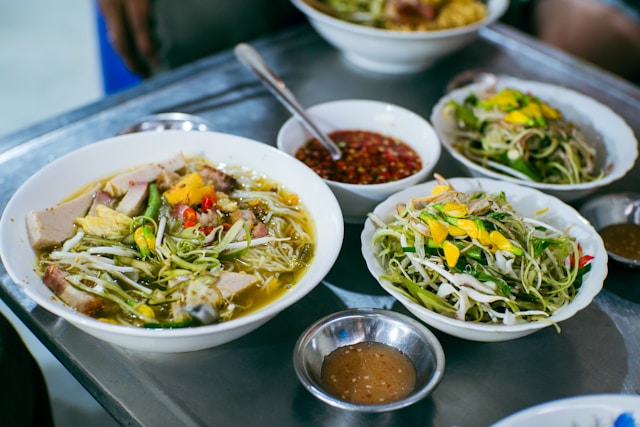
Walking into a bustling coffee shop in Singapore, the first thing you notice is the unmistakable aroma of food cooking over a roaring flame. That roaring flame is the heart of a Tze Char stall. Tze Char, which translates to “cook and fry,” is a beloved dining tradition. It brings families and friends together over large, shared plates of intensely flavorful food. You get the comfort of home-style cooking with the fiery magic of commercial woks.
People love this dining style because it offers an incredible variety of dishes at affordable prices. A single menu can feature everything from steamed fish to deep-fried prawn paste chicken. The chefs move with lightning speed, tossing ingredients in seasoned woks to create that signature smoky flavor known as “wok hei.” Eating here is a cultural experience as much as it is a meal.
However, the rich flavors and glistening sauces often raise an important question about our dietary habits. We know these meals taste spectacular. But are they actually good for our bodies?
Many people assume that because Tze Char resembles home cooking, it carries the same nutritional profile. The reality is quite different. Commercial stalls often rely on generous amounts of cooking oil, sugar, and sodium to achieve those restaurant-quality flavors. Understanding exactly what goes into your favorite dishes is the first step toward making better choices for your body.
The Nutritional Breakdown of Popular Tze Char Dishes
To truly understand the health impact of your meal, we need to look closely at the numbers. Every dish at places like HK Street Restaurant offers a different mix of macronutrients and calories. Here is how some of the most popular items stack up.
Sweet and Sour Pork
This bright, tangy dish is a staple on almost every table. Small pieces of pork are battered, deep-fried until crispy, and then coated in a sticky sauce made from sugar, ketchup, and vinegar. A standard 226-gram serving contains roughly 588 calories. It also packs around 31 grams of fat and 58 grams of carbohydrates. The high sugar content in the sauce contributes heavily to the calorie count, making this a dish you should enjoy sparingly.
Cereal Prawns
Crunchy, sweet, and savory all at once, cereal prawns are incredibly addictive. The prawns are coated in butter, sugar, and toasted cereal before being fried. A 200-gram serving of cereal prawns delivers approximately 450 calories. You will also consume about 25 grams of fat and 30 grams of carbohydrates. The heavy use of butter and sugar to create the crispy cereal coating adds a significant amount of saturated fat to the meal.
Har Cheong Gai (Prawn Paste Chicken)
These chicken wings are marinated in fermented prawn paste and coated in tapioca starch before hitting the deep fryer. The prawn paste gives the meat a deeply savory flavor, while the starch creates a shattering crust. Because the wings are deep-fried, they retain a large amount of oil. Eating just a few pieces can easily add hundreds of calories and a massive hit of sodium to your daily intake.
Sambal Kangkong (Water Spinach)
Vegetable dishes usually seem like the safest bet for a healthy meal. Sambal kangkong features leafy greens stir-fried with a spicy shrimp paste. A 150-gram serving contains roughly 120 calories, 4 grams of protein, and 8 grams of fat. While the calorie count is much lower than the meat dishes, the sambal sauce is heavily reliant on oil and sodium. The spongy stems of the kangkong soak up that oily sauce rapidly.
The Hidden Health Risks in Tze Char Cooking
Beyond the basic calorie counts, the cooking methods used at these stalls introduce other health factors. The very techniques that make the food taste so good can also pose long-term dietary risks.
The Magic and Danger of Wok Hei
“Wok hei” translates to the breath of the wok. It is the complex, smoky flavor achieved by tossing food over extreme heat. The flames occasionally catch the oil droplets in the air, slightly charring the ingredients. This extreme heat can cause the cooking oil to oxidize, which may release harmful compounds. Additionally, starchy foods cooked at very high temperatures can form acrylamide. Studies have linked high levels of acrylamide exposure to potential cancer risks in animals, though the exact impact on humans from standard dietary consumption is still being researched.
High Sodium and Sugar Levels
Restaurant chefs have a primary goal: making the food taste incredible so you will return. They achieve this by using much more salt, MSG, and sugar than you would typically use at home. High sodium intake is directly linked to elevated blood pressure and an increased risk of heart disease. The hidden sugars in savory sauces, like those used on pork ribs and stir-fried noodles, contribute to weight gain and blood sugar spikes.
How to Order a Healthier Tze Char Meal
You do not have to give up your favorite weekend dinners entirely. By making a few simple adjustments to how you order, you can significantly improve the nutritional value of your meal.
Follow the Health Promotion Board Guidelines
The Singapore Health Promotion Board (HPB) encourages diners to adopt the “My Healthy Plate” concept. This visual guide suggests filling half your plate with fruit and vegetables, a quarter with whole grains, and a quarter with meat or others. When eating out, you can apply this logic by ordering vegetable-heavy dishes to share. Ensure the table has plenty of greens to balance out the richer meat plates. Look for stalls participating in the Healthier Dining Programme, which often use healthier oils and offer whole-grain options.
Ask for Less Oil, Salt, and Sugar
Do not be afraid to customize your order. Many chefs are happy to accommodate dietary requests if the stall is not overwhelmingly busy. You can simply ask the server to use less oil (shao you) and less salt (shao yan) in your stir-fries. When ordering noodle dishes like Char Kway Teow or Hor Fun, requesting less sweet dark soy sauce can easily shave off unnecessary calories and sugar.
Choose Steamed Over Fried
The cooking method drastically alters the nutritional profile of a dish. Instead of ordering deep-fried sweet and sour fish, opt for steamed fish with ginger and spring onions. The steamed version highlights the natural sweetness of the seafood without adding layers of batter and grease. Similarly, choose clear soups over thick, starchy gravies.
Tze Char vs. Home-Cooked Food: Which Wins?
People often wonder if eating at the local coffee shop is equivalent to eating a home-cooked meal. From a nutritional standpoint, home cooking almost always wins.
When you cook at home, you have complete control over the ingredients. You measure the cooking oil. You decide exactly how much salt goes into the marinade. You can swap refined white sugar for healthier alternatives, or leave it out entirely.
Commercial stalls must cook for the masses. They operate on tight margins and need to produce intensely flavorful food very quickly. This environment naturally leads to a heavier hand with seasonings and fats. While Tze Char brings a sense of comfort and nostalgia, it should be viewed as a dining treat rather than a direct replacement for daily home cooking.
Frequently Asked Questions About Tze Char Nutrition
What is the healthiest Tze Char dish?
Steamed dishes are generally your best option. Steamed fish with light soy sauce, ginger, and scallions provides excellent lean protein with minimal added fats. Clear soups, like sliced fish soup or tofu and vegetable soup, are also great choices.
Is eating Tze Char every day bad for you?
Relying on these meals daily can lead to excessive calorie, sodium, and fat intake. Over time, this dietary pattern increases the risk of weight gain, hypertension, and cardiovascular issues. It is best to balance these meals with lighter, home-cooked food throughout the week.
How many calories are in a typical meal?
A standard meal consisting of a shared meat dish, vegetables, and a bowl of white rice can easily exceed 800 to 1,000 calories per person. Dishes like fried rice or heavy noodle plates can push that number even higher.
Make Smarter Choices at Your Next Dinner
Navigating the local hawker center does not have to be a dietary minefield. You can absolutely enjoy the vibrant, smoky flavors of a bustling food stall while still respecting your body’s nutritional needs. The secret lies in mindful ordering and portion control.
Next time you sit down at a round table with your friends, take the lead on the menu. Suggest a steamed fish instead of the fried pork. Ask the server to ease up on the oil for the vegetable stir-fry. Swap out one or two heavy items for lighter, broth-based alternatives. By making these small adjustments, you protect your health while still savoring the rich culinary heritage of your favorite neighborhood spot.