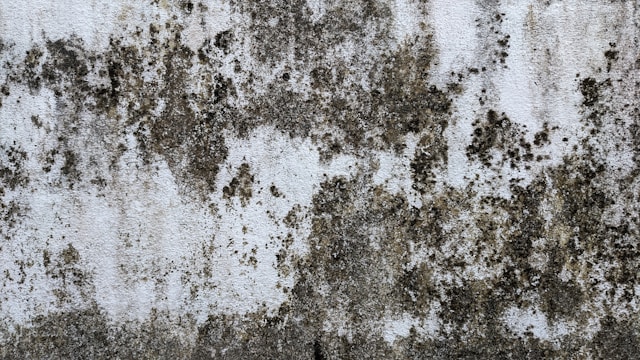
Discovering a dark patch creeping up your bathroom wall can instantly ruin your weekend. Mold is a common household issue that thrives quietly in damp, dark spaces. It often grows for weeks or even months before homeowners notice the problem. By the time it becomes visible, it has usually established a strong foothold in your drywall, flooring, or ceiling.
Ignoring the early warning signs of mold can lead to significant problems down the line. It damages the structural integrity of your property and drastically reduces your indoor air quality. Prolonged exposure to mold spores can trigger severe allergic reactions and respiratory issues for your family and pets.
Understanding how to identify mold early is the best way to protect your home. This guide will walk you through the most common signs of a mold infestation, the areas you need to check regularly, and the exact steps to take for safe and effective home mold removal.
The Hidden Dangers of Indoor Mold
Mold is a type of fungus that naturally occurs in the environment, breaking down dead organic matter. Outdoors, it plays a vital role in the ecosystem. Indoors, it becomes a serious hazard. Mold spores float through the air constantly, looking for a hospitable environment to settle. All they need is moisture, warmth, and a food source like wood, paper, or dust.
Health Risks Associated with Mold Exposure
Breathing in mold spores regularly can compromise your immune system. Many people experience symptoms that mimic a stubborn cold or seasonal allergies. You might notice frequent sneezing, coughing, red eyes, and a runny nose that only seems to happen when you are inside your house.
For individuals with preexisting conditions like asthma, mold acts as a powerful trigger. It can cause severe asthma attacks and shortness of breath. Certain types of mold, often referred to as toxic black mold, produce mycotoxins. These organic compounds can cause more severe neurological issues, chronic fatigue, and persistent headaches.
Structural Damage to Your Property
Mold feeds on the very materials used to build your house. It slowly digests drywall, wooden beams, wallpaper, and carpet. Left unchecked, a minor mold issue can rot the wooden framework of your home, leading to expensive structural repairs. It also destroys the aesthetic appeal of your living spaces, leaving behind permanent stains and ruinous odors that can decrease your property value.
Key Signs You Have a Mold Problem
Catching a mold infestation early requires a keen eye and a good sense of smell. You should routinely inspect your home for these telltale signs.
Unexplained Musty Odors
One of the first indicators of a mold problem is an unusual smell. Mold releases microbial volatile organic compounds as it grows. These compounds produce a distinct, earthy, musty scent. If you notice a damp smell in a specific room or cabinet that refuses to go away after cleaning, you likely have hidden mold nearby.
Visible Growth on Walls and Ceilings
Mold does not always look like the classic fuzzy black spots. It can appear in various colors, including white, green, brown, orange, and even pink. It might look like a dusty layer on your furniture or a slimy film on your bathroom grout. Pay close attention to corners, baseboards, and the areas behind large pieces of furniture where air circulation is poor.
Peeling Paint and Wallpaper
Moisture sitting behind your walls will eventually cause your paint to bubble and your wallpaper to peel. This bubbling is a clear indication of a water leak, which is the perfect breeding ground for mold. If you see your wallpaper lifting at the seams, there is a high chance mold is growing on the drywall underneath.
Persistent Health Symptoms
If you or your family members feel sick at home but magically feel better after leaving for work or school, your house might be the culprit. Track your symptoms carefully. An unexplained uptick in respiratory issues, skin rashes, or chronic sinus congestion warrants a thorough home inspection.
Common Areas Where Mold Hides
Mold prefers damp, dark, and warm environments. Knowing where to look will help you stop an infestation before it spreads.
Bathrooms and Kitchens
Your bathroom and kitchen generate massive amounts of humidity daily. Showers, boiling water, and dishwashers release steam that settles on your walls and ceilings. Check the grout lines in your shower, the caulking around your sinks, and the dark spaces under your plumbing fixtures. Small drips from a kitchen pipe can sustain a massive mold colony inside a cabinet.
Basements and Crawl Spaces
Basements are notoriously damp. They lack natural light and often have poor ventilation. Groundwater seepage through the foundation easily creates a humid environment. Inspect your basement walls for water stains and check any cardboard boxes or old furniture you have stored away, as these organic materials are prime food sources for mold.
Attics and Insulation
A poorly ventilated attic traps heat and moisture rising from the lower levels of your house. If your roof has a small leak, rainwater can soak into your insulation. Wet insulation takes a very long time to dry out, allowing mold to spread across your ceiling joists and roof decking.
What to Do Next: The Mold Removal Process
Finding mold can be stressful, but taking prompt action will resolve the issue. The approach you take depends entirely on the size of the infestation.
Assess the Size of the Problem
The Environmental Protection Agency recommends that homeowners only tackle mold removal themselves if the affected area is less than 10 square feet. If the mold covers a large portion of a wall, extends into your HVAC system, or was caused by contaminated floodwater, you need to step back and hire a professional.
When to Try DIY Mold Removal
For small patches of mold in your bathroom or on a windowsill, you can handle the cleanup using household items. Always wear protective gear, including an N95 respirator mask, rubber gloves, and safety goggles, to prevent inhaling disturbed spores.
Vinegar is a highly effective, natural mold killer. Pour undiluted white vinegar into a spray bottle and saturate the moldy area. Let it sit for at least an hour to penetrate the roots of the fungus. Scrub the area thoroughly with a stiff-bristled brush and warm water. Finally, dry the surface completely with a clean towel. Ensure the room is well-ventilated during and after the cleaning process.
When to Call the Professionals
Extensive mold growth requires professional remediation. Certified mold removal specialists have the equipment needed to isolate the contaminated area using plastic sheeting and negative air pressure machines. This prevents spores from spreading to the rest of your house during the cleanup. Professionals can also safely remove and dispose of heavily infested materials like drywall and carpeting that cannot be salvaged.
How to Prevent Mold from Returning
Removing the mold is only half the battle. If you do not address the underlying moisture problem, the fungus will return within a few weeks.
Control Indoor Humidity
Keep your indoor humidity levels between 30 and 50 percent. Use a hygrometer to monitor the moisture in your air. If your home runs humid, invest in a high-capacity dehumidifier for your basement or main living areas. Empty the water collection tanks regularly to keep the machines running efficiently.
Improve Ventilation
Proper airflow stops moisture from settling on your surfaces. Always run exhaust fans in your bathroom while showering and leave them on for at least thirty minutes afterward. Use the exhaust fan over your stove when boiling water. If certain rooms feel stuffy, open the windows daily to let fresh air circulate.
Fix Leaks Promptly
Routine maintenance is your best defense against mold. Inspect your roof for missing shingles after heavy storms. Check the plumbing under your sinks for drips, and ensure your gutters are clean so water flows away from your foundation. Fixing a minor leak immediately saves you from a major mold remediation bill later.
Frequently Asked Questions About Mold Removal
Can I paint over mold?
Painting over mold is a terrible idea. Mold is a living organism that will continue to grow beneath the surface of the paint. Eventually, the paint will peel, bubble, and flake off, revealing a much larger infestation than you started with. You must kill and remove the mold completely before applying any primer or paint.
Does bleach kill mold?
Bleach is generally ineffective for removing mold on porous surfaces like wood and drywall. It only kills the surface mold and bleaches the color, making it look like the problem is gone. However, the roots of the mold remain intact deep within the material and will quickly regrow. Vinegar or specialized commercial mold killers are much more effective.
How much does professional mold remediation cost?
The cost of professional mold removal varies widely based on the size of the infestation and the location of the mold. Minor localized treatments might cost a few hundred dollars. Large-scale remediation involving structural repairs, HVAC cleaning, and drywall replacement can run into the thousands. Always get multiple quotes from certified professionals.
Protect Your Home and Health Today
Mold is a relentless intruder that demands immediate attention. By familiarizing yourself with the early warning signs, you can catch infestations before they cause severe damage to your property and your well-being. Take the time to inspect the dark, damp corners of your house this weekend. Keep your indoor humidity low, fix plumbing drips right away, and maintain excellent ventilation throughout your living spaces.
If you suspect you have a widespread mold issue, do not hesitate to contact a certified mold remediation specialist. Taking swift, decisive action will restore your home to a safe, clean, and healthy environment.