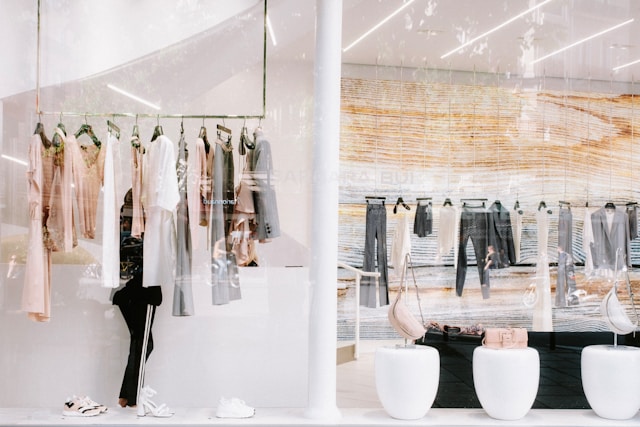
Walk into any thriving retail store in Singapore and you’ll notice it immediately—a sense of purpose in every design decision. The lighting draws your eye to key products. The layout flows naturally from one section to the next. Even the scent feels intentional. It’s no accident. Behind every successful store is a renovation strategy built to convert foot traffic into loyal customers.
Singapore’s retail landscape is one of the most competitive in Southeast Asia. With Orchard Road, Bugis, and countless suburban malls drawing millions of shoppers each year, standing out is no longer optional—it’s survival. Whether you’re refreshing an aging shopfront or building out a brand-new concept, a well-executed renovation with SCDC Asia can transform how customers perceive and engage with your brand.
This guide breaks down everything you need to know about retail space renovation in Singapore: from planning and design principles to budgeting, permits, and the finishing touches that make shoppers stop, look, and stay longer.
Why Retail Renovation Matters More Than Ever
Singapore’s retail sector has seen significant shifts over the past decade. E-commerce growth has pushed brick-and-mortar retailers to rethink their physical spaces. Shoppers today don’t just want products—they want experiences. A poorly designed store, no matter how good the merchandise, will struggle to compete with the ease of online shopping.
A thoughtful renovation addresses this head-on. It creates a physical environment that online platforms simply cannot replicate: tactile product experiences, personalized service encounters, and an atmosphere that reinforces your brand identity. Research consistently shows that store environment directly influences purchasing behavior, with factors like layout, lighting, and color all playing measurable roles in how long customers stay and how much they spend.
For Singapore retailers, this is especially relevant. High foot traffic and intense competition mean that first impressions count enormously. A renovated storefront and interior can differentiate your brand within seconds of a shopper walking past.
Start With a Clear Renovation Brief
Before any contractor sets foot in your space, you need a detailed brief. This document outlines your goals, constraints, and vision—and it serves as the anchor for every decision that follows.
Your brief should cover:
- Business objectives: Are you trying to increase average transaction value, attract a new customer segment, or reposition the brand?
- Target audience: Who are your customers, and what kind of shopping environment will resonate with them?
- Budget range: Be realistic. Retail renovation costs in Singapore vary widely depending on scope, materials, and location.
- Timeline: Factor in permit approvals, contractor schedules, and any trade shows or peak retail seasons you need to work around.
- Brand guidelines: Colors, materials, typography, and tone of voice that must be reflected in the physical space.
A clear brief prevents scope creep, reduces miscommunication with contractors, and keeps the project on track.
Understand Singapore’s Regulatory Requirements
Retail renovations in Singapore are subject to oversight by several government bodies, depending on the nature and scale of the work. Skipping this step is a costly mistake many first-time renovators make.
Building and Construction Authority (BCA)
Structural changes, additions, or alterations to a commercial space typically require approval from the BCA. If you’re knocking down walls, adding mezzanine floors, or making changes that affect the building’s structure, you’ll need to engage a qualified person (QP)—usually a licensed architect or engineer—to submit the relevant plans.
Urban Redevelopment Authority (URA)
The URA governs land use and change of use applications. If you’re converting a space from one retail category to another, or introducing uses not originally planned for that unit, URA approval may be required.
Fire Safety and Shelter Department (FSSD)
Fire safety compliance is non-negotiable. Any renovation affecting fire escape routes, suppression systems, or emergency lighting must be reviewed and approved by the FSSD.
Landlord Requirements
Most retail spaces in Singapore are leased, and landlords typically have their own renovation guidelines. These may include restrictions on drilling into structural elements, requirements for using approved contractors, and rules around renovation hours to minimize disruption to neighboring tenants.
Getting familiar with these requirements early—ideally before signing a lease or finalizing your brief—will save you significant time and money.
Design Principles That Drive Retail Performance
Good retail design is equal parts art and science. These principles have proven track records in driving customer engagement and sales performance.
The Decompression Zone
The first few feet inside your store entrance is known as the decompression zone. Customers are transitioning from the outside world and aren’t yet in “shopping mode.” Avoid placing key products or promotional displays in this area—shoppers tend to walk past them without registering. Instead, use this zone to signal your brand identity through materials, lighting, and a clean, uncluttered layout.
Traffic Flow and Layout
Customers in Singapore, like most shoppers worldwide, tend to move counterclockwise when entering a store. Design your layout to work with this natural movement. High-margin products should be positioned along the natural path, not tucked away in corners.
Common layout formats include:
- Grid layout: Efficient and familiar, often used in convenience stores and pharmacies
- Racetrack layout: Guides customers along a defined path past curated displays, common in department stores
- Free-flow layout: Encourages exploration, popular in boutique fashion and lifestyle stores
Your choice of layout should reflect both your product category and the shopping behavior you want to encourage.
Lighting as a Sales Tool
Retail lighting in Singapore deserves its own strategy. Harsh fluorescent lighting is a relic of the past. Modern retail spaces use layered lighting—ambient, accent, and task—to create atmosphere, highlight hero products, and guide the eye through the store.
Warm lighting tends to work well in fashion, food, and lifestyle retail, creating a comfortable and premium feel. Cool, bright lighting is better suited to electronics, hardware, and functional product categories where clarity matters more than ambiance.
Sensory Branding Beyond Visuals
The most memorable retail spaces engage multiple senses. Background music tempo has been shown to influence browsing speed—slower music encourages customers to linger. Scent marketing, while still underutilized in Singapore retail, can create powerful brand associations and increase time spent in-store. Temperature, too, plays a role: a cool, comfortable environment on a humid Singapore afternoon will keep shoppers browsing far longer than one that feels stuffy.
Budgeting for Your Retail Renovation
Renovation costs in Singapore depend heavily on the size of the space, the complexity of the fit-out, and the quality of materials used. As a general benchmark, basic commercial renovations might start from SGD 50 to SGD 80 per square foot, while premium fit-outs for luxury retail or concept stores can exceed SGD 200 per square foot.
Key cost categories to plan for include:
- Hacking and demolition: Removing existing fixtures, flooring, and partitions
- Structural and M&E works: Electrical, plumbing, air-conditioning, and fire protection systems
- Carpentry and joinery: Custom display units, shelving, counters, and fitting rooms
- Flooring and wall finishes: Materials vary widely in cost and durability
- Lighting: Fixtures, wiring, and controls
- Signage and branding elements: Storefront signage, digital displays, and interior graphics
- Furniture and fixtures: Freestanding displays, seating, and point-of-sale areas
- Contingency: Budget at least 10–15% above your projected cost to cover unexpected issues
Getting multiple quotes from accredited renovation contractors is strongly recommended. Look for contractors with experience in retail specifically—commercial renovation is a different discipline from residential work.
Choosing the Right Contractor
The Singapore renovation market is crowded. Choosing the wrong contractor can result in delays, budget overruns, and substandard workmanship that reflects poorly on your brand.
When evaluating contractors, consider:
- Portfolio of retail projects: Ask to see completed retail fit-outs, ideally in spaces similar to yours
- HDB or BCA licensing: Ensure the contractor holds the appropriate license for the scope of work
- References from past clients: Speaking to previous clients gives you unfiltered insight into how the contractor operates under pressure
- Project management capability: Retail renovations often run on tight timelines; you need a contractor who can coordinate multiple trades efficiently
- Clear contracts: A well-drafted contract should specify deliverables, timelines, payment milestones, and warranty terms
Don’t make price your only criterion. A lower quote that comes with vague specifications is often more expensive in the long run.
Minimizing Downtime During Renovation
For most retailers, every day the store is closed is revenue lost. Minimizing renovation downtime requires careful planning from the outset.
Work with your contractor to develop a phased renovation schedule wherever possible. In some cases, renovations can be conducted in sections, allowing part of the store to remain operational. Night work—common in Singapore mall renovations to comply with landlord requirements—can also reduce the impact on trading hours.
Communicate the renovation timeline to your customers early. A well-designed temporary hoarding with brand messaging and a “coming soon” narrative can build anticipation and maintain customer interest during the closure period.
What to Prioritize for Maximum Impact
If budget is a constraint, focus renovation investment on the areas that will have the greatest visible and commercial impact:
- Storefront and entrance: The first thing a potential customer sees. A compelling façade can dramatically increase walk-in rates.
- Lighting: The highest return on investment in retail design, with relatively low cost compared to structural changes.
- Display and shelving systems: Flexible, well-designed fixtures make merchandising more effective and allow the store to evolve without further renovation.
- Fitting rooms (for fashion retail): Customers who use fitting rooms convert at a significantly higher rate than those who don’t. Investing here pays off directly.
- Point-of-sale area: The last impression before a customer leaves. A well-designed checkout experience reinforces brand quality and encourages repeat visits.
Make Your Renovation Work for the Long Term
Retail trends evolve quickly. The best renovation strategies build in flexibility—modular shelving systems, adaptable lighting rigs, and materials that can be refreshed without a full fit-out. Consider how your space will need to function not just today, but in three to five years.
Sustainability is also becoming increasingly important to Singapore consumers, particularly younger demographics. Incorporating energy-efficient lighting, responsibly sourced materials, and waste reduction practices into your renovation can strengthen your brand positioning and may qualify for relevant green building incentives.
A retail space renovation is a significant investment—but when executed well, it’s one that pays dividends in customer loyalty, brand perception, and long-term sales performance. Start with a solid plan, work with experienced professionals, and stay focused on creating a space that genuinely serves your customers.