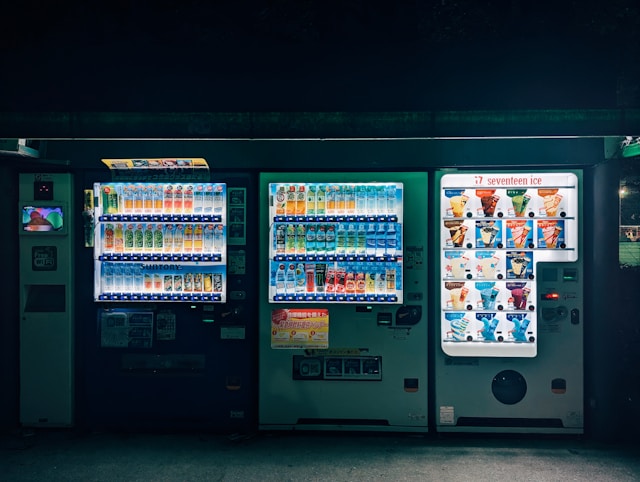
Vending machines are everywhere—office break rooms, school hallways, hospital lobbies, gyms. Most people walk up, punch in a number, and grab their snack without giving it a second thought. But if you own or manage a vending machine, that mindset can cost you real money.
A well-run vending machine is a reliable passive income stream. A poorly managed one is a box of frustration, stale chips, and missed revenue. The difference between the two usually comes down to a handful of smart decisions: where you place it, what you stock it with, how you price it, and how consistently you maintain it.
This guide covers everything you need to know to maximize your vending machine’s performance—whether you’re a first-time operator or looking to squeeze more out of an existing setup.
Choose the Right Location
Location is the single biggest factor in vending machine profitability. A machine in the wrong spot will underperform no matter how well-stocked it is.
High foot traffic is the obvious starting point. But foot traffic alone isn’t enough—you need the right kind of traffic. A machine outside a gym should stock protein bars and electrolyte drinks, not candy and chips. A machine in an office building might do well with both snacks and fresh food options for employees working through lunch.
Factors to look for in a strong location
- Captive audiences: Places where people have limited food access and time to spare, like hospitals, laundromats, and transportation hubs, are goldmines for vending.
- Limited nearby competition: If there’s a café or convenience store 20 steps away, your machine will struggle. Look for locations where your machine is the most convenient option.
- Security: Machines in unsecured or isolated spots are vulnerable to vandalism and theft. Well-lit, monitored areas reduce risk and increase customer confidence.
- Power access: Refrigerated machines need a reliable power source. Confirm outlet availability and whether the location charges for electricity before signing any agreement.
Spend time observing your shortlisted location before committing. Count how many people pass through at different times of day. Talk to the building owner or manager about existing food options and whether there’s a genuine gap to fill.
Stock What Sells
One of the fastest ways to increase vending revenue is to stop stocking products nobody buys. Sounds obvious, but many operators fall into the trap of filling machines with what they personally like or what was cheapest to buy in bulk.
Sales data is your best friend here. Modern vending machines with telemetry systems track which products sell and which ones sit untouched. If you’re not using a machine with these capabilities, start keeping manual records. After a month of data, patterns will emerge quickly.
Build a smart product mix
A well-balanced machine typically includes:
- Fast-moving staples: These are your reliable sellers—classic chips, bottled water, and popular candy bars. They bring consistent revenue and keep customers satisfied.
- Healthy options: Consumer demand for healthier snacks has grown steadily. Including protein bars, nuts, dried fruit, and low-sugar drinks broadens your customer base.
- Local or niche products: Regional snack brands or trending items create a point of difference. They can generate curiosity and repeat visits from people who can’t find them elsewhere.
- Seasonal adjustments: Hot drinks sell better in winter; cold beverages spike in summer. Rotating your product mix to match the season keeps sales steady year-round.
Avoid overstocking slow-moving products just because they were on sale. Unsold inventory takes up valuable space and can expire before it’s purchased, leading to waste and restocking headaches.
Price Strategically
Pricing is a balancing act. Too high and customers walk away; too low and you’re leaving money on the table. The goal is to find the sweet spot that feels fair to the buyer while protecting your margin.
Start by calculating your cost per item, factoring in product cost, restocking time, and any revenue-share agreements with the location owner. From there, apply a markup that covers those costs and generates profit. A general rule of thumb is to aim for a margin of 40–50%, though this varies by product category and location type.
Adjust pricing based on context
Where your machine is located should influence what you charge. A vending machine in a high-end corporate office or airport can justify higher prices than one in a school or community center. Customers in premium environments are often less price-sensitive, especially for convenience.
Cashless payment options also support higher average transaction values. Machines that accept credit cards, contactless payments, and mobile wallets consistently outsell cash-only machines. Many customers simply don’t carry coins anymore, and a machine that doesn’t accept cards is a machine that loses sales.
Keep Maintenance Consistent
Nothing kills vending machine revenue faster than a machine that’s out of order, out of stock, or dispensing expired products. Maintenance isn’t glamorous, but it’s non-negotiable.
Set a restocking schedule
Restocking too frequently wastes your time and fuel; restocking too infrequently means empty slots and missed sales. Telemetry-enabled machines solve this by sending real-time alerts when stock drops below a set threshold. Without that technology, aim to service your machine at least once a week for high-traffic locations, or every two weeks for slower spots.
During each visit, do a quick audit:
- Check expiration dates on all products and remove anything close to its use-by date
- Clean the interior, especially any food residue or spills in the dispensing area
- Wipe down the exterior, keypad, and payment interface
- Test each product slot to confirm everything is dispensing correctly
- Check that lighting and cooling (if applicable) are functioning properly
Address technical issues quickly
A jammed coil or broken payment system can sit unnoticed for days if you’re not checking in regularly. Set up a contact method—a phone number or email displayed on the machine—so customers can report issues directly. Every hour a machine is non-functional is revenue you won’t get back.
Build a relationship with a reliable repair technician before you need one urgently. Knowing who to call when something breaks down reduces downtime and keeps your machine operational.
Leverage Technology to Your Advantage
The vending industry has changed significantly over the past decade. Operators who embrace modern tools are running leaner, more profitable businesses than those relying on outdated methods.
Telemetry systems allow remote monitoring of inventory, sales, and machine health. You can check what’s selling, what’s running low, and whether the machine is even turned on—all from your phone. This reduces unnecessary site visits and helps you make smarter stocking decisions.
Cashless payment systems are now standard in most new machines and can be retrofitted to older ones. Accepting digital payments eliminates the headache of coin jams and appeals to a wider range of customers.
Dynamic pricing is an emerging capability in more advanced machines. It allows operators to adjust prices based on time of day or demand, similar to how airlines and rideshare apps price their services. While not yet widespread, it’s worth exploring as the technology becomes more accessible.
Customer feedback tools built into touchscreen-enabled machines let users rate their experience or flag issues in real time. This data can be invaluable for improving product selection and identifying recurring problems.
Negotiate Strong Location Agreements
If you’re placing a machine on someone else’s property, the terms of your agreement directly affect your profitability. Commission rates—the percentage of revenue you pay to the location owner—typically range from 10–25%, depending on foot traffic and the type of location.
Before signing anything, clarify the following:
- Commission structure: Is it a flat rate or a percentage of sales? Which is more favorable for your expected volume?
- Exclusivity: Will you have exclusive vending rights on the premises, or can the owner bring in a competitor?
- Contract length: Shorter initial contracts give you flexibility if the location underperforms.
- Electricity costs: Confirm who is responsible for the machine’s power consumption.
A location that charges a high commission but delivers strong foot traffic may be more profitable than a “free” location with minimal visitors. Run the numbers before committing.
Build Loyalty Through Consistency
Customers who trust a vending machine become repeat buyers. That trust is earned through consistency: the machine is always stocked, always working, and always offering products they actually want.
Small touches matter. Keeping the machine clean and well-lit signals that someone is looking after it, which builds subconscious confidence in the products inside. Rotating in new products occasionally keeps the selection feeling fresh and gives regulars a reason to check back.
If your machine is in a workplace or community setting, consider seeking direct feedback from regular users. A short survey or suggestion box can surface product preferences you wouldn’t have guessed, and people appreciate being asked.
Turn Your Vending Machine Into a Real Asset
A vending machine is a simple concept, but running one well requires deliberate effort. The operators who treat their machines as a real business—tracking data, optimizing product selection, maintaining equipment, and building strong location relationships—are the ones who see consistent returns.
Start by auditing what you’re doing now against the areas covered in this guide. Pick one or two improvements to implement this week. Small, incremental changes compound over time, and a machine that earns $50 more per month is $600 more per year—multiplied across every machine in your operation.
The potential is there. It’s just a matter of managing it well.