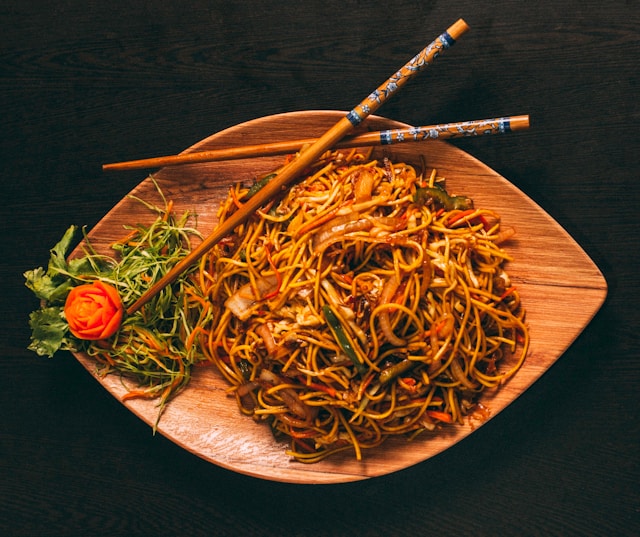
Quick answer: A great Chinese restaurant provides a holistic cultural experience that extends far beyond the menu. The true value lies in communal dining practices centered around round tables, historical design elements rooted in Feng Shui, deeply ingrained hospitality rituals like tea pouring, and the establishment’s role as a vital community hub.
Walking into a Chinese restaurant engages the senses long before the first dish arrives at the table. You hear the rhythmic clatter of plates, the hum of lively conversations, and the distinct sound of high-heat wok cooking echoing from the kitchen. You see vibrant reds and golds adorning the walls, intricate wood carvings, and perhaps a bubbling fish tank near the entrance. These elements work together to create an environment designed to foster connection, prosperity, and comfort.
Many diners focus entirely on the culinary delights, eagerly anticipating platters of steaming dumplings, crispy Peking duck, or complex mapo tofu. Food is undeniably the main attraction. However, separating the cuisine from the environment does a disservice to the rich cultural tapestry that these establishments offer. The physical space and the customs practiced within it are integral components of the meal.
Understanding the deeper meanings behind the decor, the seating arrangements, and the service style transforms a simple dinner into an immersive cultural event. Every detail, from the shape of the table to the way the tea is served, carries centuries of tradition. By paying attention to these nuances, diners can appreciate a level of hospitality and history that enriches the entire dining experience.
What makes the atmosphere of a Chinese restaurant so unique?
The environment inside a traditional Chinese restaurant is intentionally designed to promote harmony, luck, and community. Interior design choices are rarely arbitrary; they are deeply rooted in cultural symbolism and philosophical principles.
How color and decor symbolize luck and prosperity
Color plays a vital role in Chinese culture, and this is highly visible in restaurant decor. Red is the most prominent color, symbolizing joy, vitality, and good fortune. You will often see red lanterns, red tablecloths, and red accents on the walls. Gold is the second most common color, representing wealth and prosperity. Together, red and gold create an atmosphere of celebration and abundance.
Beyond color, specific decorative items are placed strategically to attract positive energy based on Feng Shui principles. Fish tanks are a common sight near the entrance of many Chinese restaurants. In Feng Shui, moving water represents the flow of positive energy, and fish—particularly goldfish or koi—symbolize wealth and surplus. The word for fish in Mandarin (yú) sounds exactly like the word for surplus, reinforcing the desire for a prosperous business and bountiful meals for the guests. You might also notice statues of the Laughing Buddha or the deity Guandi, placed to watch over the establishment and ensure peace and good business.
The role of communal dining and the lazy Susan
Seating arrangements fundamentally dictate how a meal is experienced. In Western dining, long rectangular tables are common, and individuals typically order their own distinct plates. Chinese dining favors large, round tables. A circle has no head and no foot, representing equality, unity, and wholeness among the diners. This setup encourages everyone to interact, make eye contact, and share the meal collectively.
At the center of these round tables sits the lazy Susan. While the rotating turntable was actually patented in the West, it was enthusiastically adopted by Chinese restaurants globally in the mid-20th century. The lazy Susan revolutionized the communal meal. Instead of awkwardly passing heavy, hot platters across a wide table, diners can simply rotate the center to access different dishes. This physical mechanism perfectly supports the cultural emphasis on sharing food, ensuring that everyone has equal access to the meal and reinforcing the communal nature of the gathering.
How does Chinese hospitality differ from Western dining?
Service in a Chinese restaurant operates on a different rhythm and set of expectations compared to typical Western establishments. The focus is heavily placed on efficiency, anticipation of needs, and subtle signs of respect.
The importance of tea pouring rituals and etiquette
Tea is the foundation of a Chinese meal. It is served immediately upon sitting down and flows continuously throughout the dining experience. The act of pouring tea is laden with etiquette. It is customary for the youngest or the host of the table to pour tea for the elders and guests before pouring their own. This simple act is a profound display of respect and care.
When someone pours tea for you, you might notice diners tapping their index and middle fingers on the table. This is a silent gesture of thanks. According to historical legend, Emperor Qianlong of the Qing Dynasty used to travel the country in disguise. When he poured tea for his companions, they could not bow to him without blowing his cover. Instead, they tapped two fingers on the table to simulate a bowing person, expressing their gratitude and reverence discreetly. This tradition continues in restaurants today, allowing diners to say thank you without interrupting the flow of conversation.
Understanding efficiency in restaurant service
First-time visitors to authentic, bustling Chinese restaurants sometimes misinterpret the service style as abrupt. Waitstaff often move quickly, taking orders rapidly and delivering dishes the moment they are ready, rather than waiting to serve all dishes simultaneously. This approach prioritizes the quality and temperature of the food. Dishes cooked in a wok lose their essential “wok hei” (the breath of the wok) if they sit under a heat lamp waiting for other items to finish.
The staff’s primary goal is to ensure you receive your food at its absolute peak. Furthermore, staff are highly attentive to the functional needs of the table, swiftly clearing empty plates to make room for new arrivals on the lazy Susan and refilling tea pots seamlessly. The hospitality is expressed through competence, speed, and ensuring the table is always abundant.
Why are Chinese restaurants vital to community history?
Chinese restaurants serve as much more than commercial food ventures. They have historically functioned as safe havens, employment centers, and cultural bridges for immigrant communities.
The evolution of Chinese dining establishments globally
The spread of Chinese restaurants is a story of resilience and adaptation. In the United States, for example, Chinese immigration surged during the 1849 California Gold Rush. Facing severe discrimination and exclusion from many industries, many immigrants turned to the restaurant business. They adapted their traditional recipes to suit local palates, leading to the creation of dishes like chop suey and General Tso’s chicken.
These early restaurants provided essential income and a sense of autonomy for the immigrants. Over the decades, as communities established themselves and global travel increased, the demand for highly authentic regional Chinese cuisines—such as Sichuan, Hunan, and Cantonese—skyrocketed. Today, the landscape includes everything from humble neighborhood takeout spots to high-end, Michelin-starred dining rooms, each reflecting a different chapter of the diaspora’s history.
How these restaurants serve as cultural gathering hubs
For the local Chinese community, these restaurants are indispensable gathering places for significant life events. Banquet halls in large Chinese restaurants are specifically designed to host massive celebrations, including weddings, Lunar New Year festivities, and Red Egg and Ginger parties (celebrating a baby’s first month of life).
During these events, the restaurant transforms into a community center. The extensive, multi-course banquet menus are steeped in symbolism, featuring dishes that represent longevity, fertility, and prosperity. The restaurant staff often have deep, generational relationships with the families they serve, making these establishments an extension of the community’s living room.
How can you fully appreciate your next Chinese dining experience?
To extract the most joy and cultural appreciation from your next visit, you can adopt a few traditional practices. Engaging with the meal the way it is intended to be eaten elevates the entire event.
Tips for ordering and sharing meals with large groups
The best way to eat at a Chinese restaurant is with a large group of friends or family. This allows you to order a wide variety of dishes. When constructing your order, aim for balance. A well-rounded meal includes a mix of proteins (pork, chicken, seafood), seasonal vegetables, a soup, and carbohydrates (rice or noodles).
Consider the balance of flavors and textures as well. Pair a spicy, heavy dish like Sichuan boiled fish with a light, crisp vegetable like garlic snow pea leaves. Ensure there is enough food for everyone to have ample portions, as an empty table at the end of a meal can sometimes suggest the host did not provide enough. The goal is collective satisfaction and abundance.
Engaging with the staff and understanding the menu hierarchy
Do not hesitate to ask the waitstaff for recommendations, especially if the restaurant has a secondary menu featuring regional specialties. Many authentic restaurants have “secret” menus or boards written in Chinese that highlight seasonal ingredients or traditional dishes not listed on the English menu. Asking the staff what the chef is excited about that day can lead to incredible culinary discoveries.
Additionally, embrace the communal eating style. Use serving spoons to transfer food from the communal plates to your personal bowl, rather than eating directly from the shared dishes. Keep your rice bowl close to your mouth, using your chopsticks to guide the food. By observing these small etiquettes, you show respect for the culture and the establishment.
Elevate your next culinary adventure
Dining at a Chinese restaurant offers a profound opportunity to engage with a culture that honors community, history, and harmony. The vibrant decor, the rotating lazy Susan, and the carefully poured tea are not merely background details; they are the essence of the experience. The next time you sit down at a round table, take a moment to look at the art on the walls, practice the two-finger tea tap, and appreciate the centuries of tradition that have culminated in the meal before you. Gather your friends, embrace the spirit of sharing, and let the atmosphere enrich every bite.
Frequently Asked Questions About Chinese Restaurant Culture
What does the lazy Susan symbolize in a Chinese restaurant?
The lazy Susan does not hold ancient spiritual symbolism, but it perfectly facilitates the deeply held cultural value of communal dining. It allows everyone at a large, round table to easily share dishes, promoting equality and ensuring that no one is left out of the feast.
How much should I tip at a Chinese restaurant in the United States?
You should tip the standard American rate, which is typically 15% to 20% of the total bill before tax, depending on the quality of service. While tipping is not a native custom in China, Chinese restaurants operating in the United States adhere to local tipping norms to support their staff.
Is it rude to ask for a fork instead of using chopsticks?
No, it is not rude. Restaurant staff want you to enjoy your meal comfortably. If you are not proficient with chopsticks, asking for a fork is completely acceptable and common. However, attempting to use chopsticks is often appreciated as a sign of respect for the culture.
Why do they serve hot water or hot tea instead of cold water?
In traditional Chinese medicine and culture, drinking cold water during a meal is believed to shock the digestive system and solidify the fats in the food, making digestion difficult. Hot tea or warm water is served to soothe the stomach, aid in digestion, and cleanse the palate between rich dishes.
What is the significance of leaving a little food on the plate?
In Chinese dining etiquette, completely clearing every plate on the table can signal to the host that they did not order enough food and that you are still hungry. Leaving a small amount of food demonstrates that the host was generous and provided an abundant, satisfying meal.