Category: Business

  • Office Renovation 2025: Everything You Need to Know

    Office Renovation 2025: Everything You Need to Know

    In a world where the workspace is constantly evolving, staying ahead of the curve can set your office apart. With Office Renovation 2025, businesses and organizations have a chance to redefine their spaces, boosting productivity and employee satisfaction. This blog post will walk you through everything you need to know about office renovation in 2025, from the latest trends and practical tips to innovative design ideas that cater to your team’s unique needs.

    Why Consider an Office Renovation Now?

    2025 marks a pivotal year for businesses as they adapt to the new realities of work life. With hybrid work models becoming the norm, it’s more crucial than ever to have a space that supports both in-person and remote employees. An office renovation not only updates your physical space but can also improve morale, enhance creativity, and reflect your company’s values.

    Recent studies show that a well-planned workspace can increase productivity by up to 20%. By reimagining your office and aligning it with modern-day demands, you can attract top talent and retain existing employees. With a focus on sustainability and technology, 2025 offers the perfect opportunity to create an environment that fosters efficiency and innovation.

    Setting Your Office Renovation Goals

    Before you start tearing down walls, it’s important to define what you want to achieve with your renovation. Are you looking to increase collaboration among team members? Or perhaps you want to create a more aesthetically pleasing environment that reflects your brand’s identity? Establishing clear goals will guide your renovation process.

    Consider conducting surveys or focus groups to gather input from your employees. They can provide valuable insights into what changes are needed and how the current setup could be improved. Once you’ve outlined your objectives, prioritize them to ensure your renovation aligns with your company’s long-term strategy.

    Understanding Office Renovation Costs

    Budgeting is a crucial aspect of any renovation project. Start by researching average costs for office renovations in your area. It’s essential to consider factors such as building permits, contractor fees, and materials. Keep in mind that unexpected expenses can arise, so it’s wise to set aside a contingency fund to accommodate any surprises.

    To keep costs manageable, break down the renovation into phases. This allows you to complete the project over time without straining your budget. Be transparent about your financial constraints with your contractors and designers to ensure everyone is on the same page.

    Trends Shaping Office Design in 2025

    The office design landscape is constantly changing, and 2025 is no exception. Biophilic design, which incorporates natural elements into the workspace, is gaining popularity as it promotes well-being and reduces stress. Open floor plans are evolving to include more privacy options, like phone booths and quiet zones, to accommodate different working styles.

    Sustainability is at the forefront of office design, with businesses opting for eco-friendly materials and energy-efficient systems. Incorporating green walls, LED lighting, and recycling stations can significantly reduce your office’s environmental footprint. Staying updated on these trends will ensure your office remains relevant and appealing.

    Designing for Hybrid Workspaces

    The shift to hybrid work has redefined how offices function, necessitating designs that cater to both in-person and remote employees. Flexibility is key, with modular furniture and adaptable layouts that can easily accommodate changing team sizes and needs. Integrating technology seamlessly into the design ensures smooth connectivity and collaboration.

    Consider creating dedicated spaces for virtual meetings equipped with high-quality audio and video systems. Offering a variety of work environments, such as quiet zones for focus and collaborative areas for teamwork, can enhance productivity and employee satisfaction.

    Choosing the Right Color Palette

    Color plays a significant role in influencing mood and productivity. When selecting a color palette for your office, consider colors that align with your company’s brand and values. For example, blue is often associated with calmness and reliability, while yellow can evoke creativity and energy.

    Neutral tones can serve as a base, allowing for pops of color through accents or artwork. This approach ensures the space feels balanced and inviting. Don’t shy away from using color psychology to create an environment that inspires and motivates your team.

    Incorporating Smart Technology

    Technology continues to transform the way we work, and 2025 brings new opportunities to integrate smart solutions into your office renovation. From automated lighting and climate control systems to AI-driven security features, smart technology enhances convenience and efficiency.

    Investing in tech-enabled furniture, like adjustable desks or smart whiteboards, can further optimize your workspace. Ensure that your IT infrastructure is robust and capable of supporting new devices and applications. This proactive approach will future-proof your office and keep your team connected.

    Prioritizing Employee Well-Being

    Employee well-being is a top priority in modern office design, with companies recognizing the impact of a healthy environment on productivity and job satisfaction. Ergonomic furniture, ample natural light, and access to outdoor spaces can contribute to a positive workplace atmosphere.

    Consider incorporating wellness rooms or meditation spaces where employees can recharge during the day. Providing healthy snack options and encouraging movement through standing desks or walking meetings are additional ways to support your team’s well-being.

    Enhancing Collaboration Spaces

    Collaboration is at the heart of innovation, and your office design should facilitate easy communication and teamwork. Create open and inviting areas where employees can gather to brainstorm and share ideas. Incorporate comfortable seating and writable surfaces to encourage creativity.

    Technology plays a crucial role in collaboration, so ensure meeting rooms are equipped with video conferencing tools and interactive displays. Balancing collaborative spaces with quiet zones will cater to diverse working styles and enhance overall productivity.

    Leveraging Natural Light and Views

    Natural light not only boosts mood but also improves concentration and energy levels. When planning your renovation, prioritize maximizing natural light by positioning desks near windows and using glass partitions to allow light to flow throughout the space.

    Incorporate views of the outdoors wherever possible, as research shows that exposure to nature can reduce stress and enhance well-being. If windows are limited, consider using mirrors or light-colored surfaces to reflect and amplify the available light.

    Building a Sustainable Office

    Sustainability is more than just a trend—it’s a responsibility. Implementing eco-friendly practices in your office renovation can make a significant impact on the environment and demonstrate your commitment to corporate social responsibility.

    Opt for recycled or renewable materials, and install energy-efficient systems to reduce your office’s carbon footprint. Encourage green commuting options by providing bike racks or incentivizing carpooling. These efforts not only benefit the environment but can also attract environmentally conscious talent.

    Engaging Employees in the Renovation Process

    Involving employees in the renovation process fosters a sense of ownership and can lead to a more successful outcome. Solicit their input through surveys or workshops to gather insights into their preferences and needs. Keeping them informed about the project’s progress and milestones builds excitement and anticipation.

    Consider forming a renovation committee consisting of representatives from different departments. This group can act as a liaison between employees and management, ensuring that the renovation aligns with the team’s expectations and enhances the overall work experience.

    Conclusion: The Future of Office Renovation

    Office renovation in 2025 is not just about aesthetics—it’s about creating a space that supports your team’s well-being, productivity, and growth. By staying informed about design trends and incorporating innovative solutions, you can transform your workspace into a dynamic and inspiring environment.

    As you plan your renovation, remember to keep your company’s unique culture and values at the forefront. This approach ensures that your office remains a reflection of your brand and a place where employees thrive.

    If you’re ready to take the next step in your office renovation, consider consulting with experts at Ad Evo who can guide you through the process. From sustainable design to smart technology, the possibilities are endless. Embark on this exciting journey and reinvent your workspace for success in 2025 and beyond.
  • Who need a Singapore DPO?

    In Singapore, the role of a Data Protection Officer (DPO) has become increasingly critical for businesses, particularly with the stringent data protection regulations under the Personal Data Protection Act (PDPA). Here’s a breakdown of which industries need a DPO, why this role is necessary, and how it contributes to a secure and compliant business environment.

    1. Understanding the Role of a Data Protection Officer in Singapore

    A DPO is responsible for ensuring that a company complies with Singapore’s PDPA, safeguarding personal data against misuse, unauthorized access, and breaches. The DPO not only helps an organization interpret and implement compliance requirements but also instills trust among clients, partners, and regulators by demonstrating a commitment to protecting personal data.

    2. Industries that Need a Data Protection Officer in Singapore

    While any organization that collects, processes, or stores personal data should appoint a DPO, certain sectors in Singapore are particularly vulnerable and highly encouraged to invest in a skilled DPO. Here’s a look at some of these industries:

    i. Healthcare Industry

    In the healthcare sector, data privacy is paramount. Healthcare providers handle vast amounts of sensitive patient data, including health records, personal information, and medical histories. A breach can lead to significant repercussions, both legally and financially, as well as potential harm to patients. A DPO helps healthcare providers navigate the PDPA requirements, implement strict data protection protocols, and train staff to handle data responsibly.

    ii. Financial Services

    Banks, insurance companies, and financial institutions regularly process sensitive financial information that, if exposed, could lead to fraud, identity theft, and other security risks. A DPO in the financial sector ensures that data management systems adhere to both PDPA and sector-specific regulations, helping these companies maintain compliance, prevent breaches, and preserve customer trust.

    iii. E-Commerce Businesses

    With the rise of digital shopping, e-commerce businesses handle massive amounts of personal information, from payment details to customer addresses. E-commerce companies are often targeted by cybercriminals due to the wealth of data they possess. A DPO can help implement secure payment systems, enforce data encryption, and ensure customers’ personal information is well-protected, thus minimizing the risk of breaches and building a reputation for data security.

    iv. Retail Sector

    The retail industry in Singapore, particularly those that collect customer data for loyalty programs or marketing campaigns, also requires the oversight of a DPO. Retail businesses frequently gather personal information to personalize customer experiences and improve service. A DPO ensures that such data is collected and processed in compliance with the PDPA, reducing the risk of unauthorized access or misuse.

    v. Food & Beverage (F&B)

    Restaurants and cafes increasingly use digital solutions like reservations and delivery apps, which involve collecting customer data. Ensuring this data remains confidential and protected is crucial, especially when third-party platforms are involved. A DPO in the F&B sector aids in managing the data responsibly, ensuring it’s collected only for legitimate purposes, and helps establish partnerships with compliant third-party vendors.

    vi. Manufacturing Industry

    Although it might seem less data-centric, the manufacturing industry still handles data, especially employee records and client information for B2B operations. A DPO helps manufacturing companies safeguard this data and ensures that personal information is securely stored, minimizing the risk of data loss and unauthorized access.

    vii. Technology and IT Firms

    Technology companies are often at the forefront of data processing and innovation, handling vast amounts of personal data through various platforms, software, and applications. This industry faces higher scrutiny for data compliance due to its role in data handling and innovation. A DPO in the tech sector is essential for ensuring compliance, setting data protection standards, and implementing cybersecurity measures to protect user information.

    viii. Logistics Sector

    Logistics companies in Singapore handle significant personal data, including customer contact information and delivery details. A DPO helps logistics companies handle this data securely, ensures that personal information is used appropriately for shipping and delivery purposes, and reduces the risk of leaks that could compromise customer privacy.

    ix. Real Estate Companies

    Real estate companies regularly handle sensitive personal information, especially during property transactions. With a DPO, these companies can ensure that customer data is managed according to the PDPA, including the secure handling of personal documents and financial information involved in sales and rentals.

    x. Tourism and Hospitality

    The tourism and hospitality industry collects large volumes of personal data through bookings, customer interactions, and loyalty programs. Since this industry involves a high level of personal service, it is essential to secure customer information to maintain a strong reputation and avoid data breaches. A DPO helps oversee this data management, ensuring that the processes comply with PDPA guidelines and maintaining a high standard of privacy protection.

    xi. Education Sector

    Educational institutions handle a range of personal information from students and parents, including names, contact details, and medical histories. For private schools, colleges, and tuition centers, a DPO is essential for implementing data security measures and ensuring compliance with the PDPA, particularly as more education institutions shift towards digital platforms for administration and learning.

    xii. Legal and Professional Services

    Law firms and consulting companies handle sensitive client information, from legal documents to corporate secrets. A DPO ensures that such data is managed carefully, stored securely, and disposed of appropriately when no longer needed. Given the high level of confidentiality required, a DPO is crucial to prevent unauthorized access and demonstrate a commitment to data privacy to clients.

    3. Why Having a DPO is Crucial for Compliance and Trust

    Beyond regulatory compliance, a DPO provides various benefits, including:

    • Reputation Management: A proactive approach to data protection helps build trust among customers and partners. A company with a DPO demonstrates that it takes data privacy seriously, which can enhance its reputation and customer loyalty.
    • Risk Mitigation: Data breaches can lead to significant financial penalties and reputational damage. By establishing a DPO role, companies can actively prevent data security issues and reduce the risks associated with potential breaches.
    • Training and Awareness: A DPO educates employees on the importance of data protection and promotes a privacy-centric culture within the organization, ensuring that every staff member understands their role in safeguarding personal data.

    4. DPO Responsibilities in Singapore

    A DPO in Singapore typically has the following responsibilities:

    • Compliance: Ensure that all data collection, processing, and storage activities comply with PDPA regulations.
    • Policy Implementation: Develop and enforce data protection policies within the organization to align with compliance standards.
    • Risk Assessment: Conduct regular assessments of data management practices to identify potential vulnerabilities and address them.
    • Data Breach Response: Establish a response plan for data breaches, including notifying relevant authorities and affected parties in accordance with PDPA requirements.
    • Employee Training: Conduct training sessions to educate staff about data protection practices and their roles in ensuring data security.
    • Continuous Monitoring and Improvement: Regularly evaluate and improve data protection policies, ensuring that they remain up-to-date and effective against emerging risks.

    Conclusion

    For businesses in Singapore, appointing a DPO is not just about meeting legal requirements; it’s a vital step towards building a secure and trustworthy environment. By identifying and mitigating data risks, educating staff, and managing compliance, a DPO Singapore plays a fundamental role in enhancing data protection across various industries. Whether in healthcare, finance, retail, or other sectors, having a dedicated DPO helps businesses navigate the complexities of data privacy, fosters trust with clients and partners, and protects sensitive information in a rapidly digitalizing world.

  • Why Data Cabling in Singapore Is Important

    Why Data Cabling in Singapore Is Important

    In today’s digital age, the backbone of a country’s technological infrastructure is its data cabling. Singapore, renowned for its rapid technological advancement and smart city initiatives, relies heavily on robust data cabling systems. This blog post dives into the importance of data cabling in Singapore, exploring how it supports various sectors, enhances connectivity, and drives economic growth. Whether you’re a business owner, a tech enthusiast, or someone curious about the future of communication, this article will provide invaluable insights into the critical role data cabling plays in the Lion City.

    The Building Blocks of Connectivity

    Data cabling Singapore forms the foundation of all digital communication. It involves the use of cables to transmit data between computers, routers, and other network devices. Without proper cabling, efficient data transfer is impossible, which can lead to disruptions in daily operations for businesses and individuals alike. In Singapore, where technology is a key driver of growth, reliable data cabling is non-negotiable.

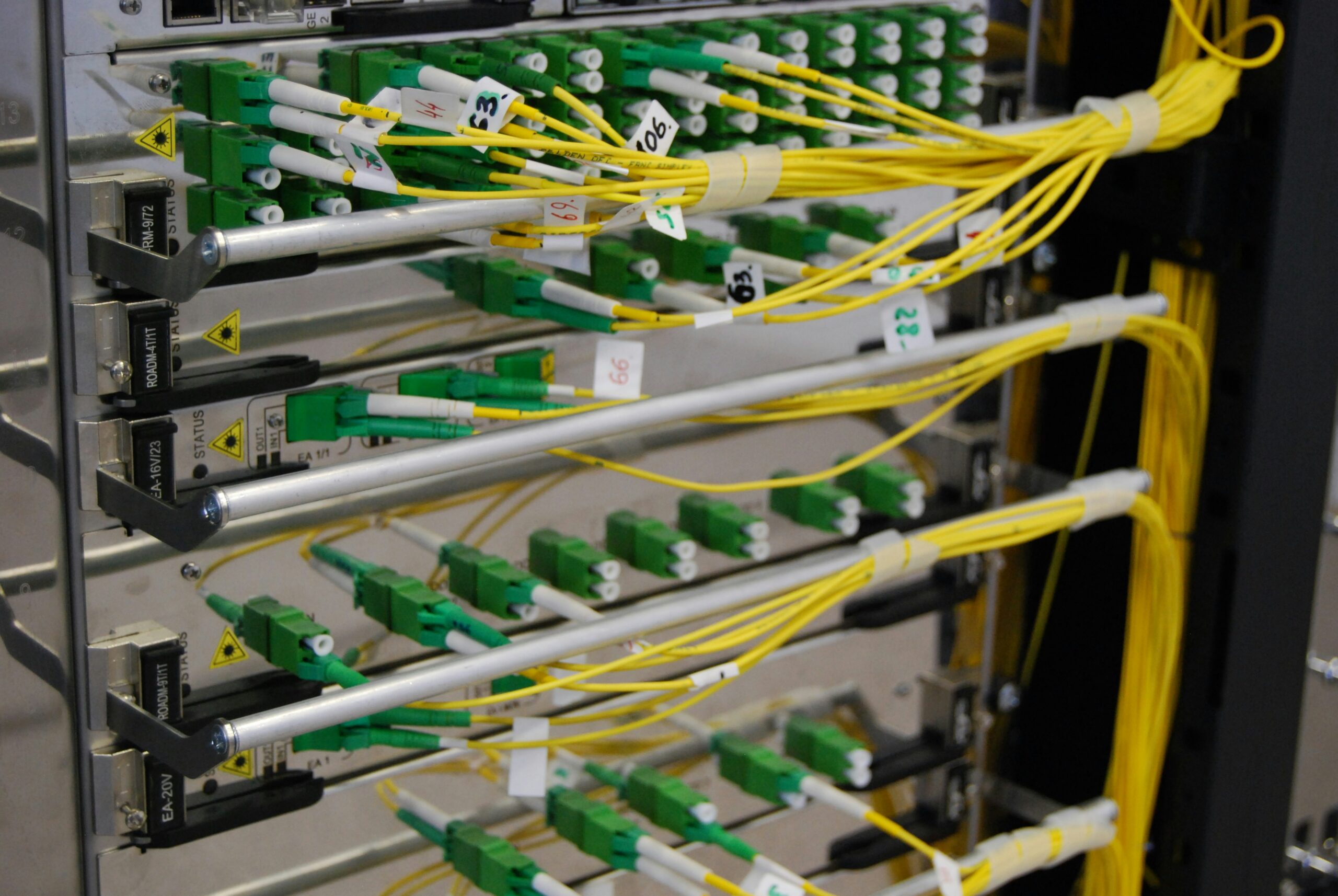
    Data cabling systems consist of various types of cables, such as fiber optic, coaxial, and twisted pair cables. Each type has its own unique properties, making it suitable for different applications. For instance, fiber optic cables are known for their high-speed data transmission capabilities and are commonly used in high-demand areas like data centers and telecommunication networks. Understanding these differences is crucial for optimizing cabling infrastructure.

    Quality data cabling ensures seamless data transmission, reducing latency and increasing network efficiency. Poor cabling, on the other hand, can lead to frequent outages and slow connection speeds, hampering productivity. In a fast-paced city like Singapore, where every second counts, efficient cabling is essential.

    Supporting Singapore’s Smart Nation Vision

    Singapore’s ambition to become a Smart Nation hinges on cutting-edge technology and connectivity. Data cabling is the backbone that supports this vision. From smart homes to autonomous vehicles, these innovations require robust cabling to function optimally. Without it, the dream of a fully integrated smart city remains out of reach.

    Smart infrastructure, such as intelligent traffic systems and smart grids, relies on uninterrupted data flow. High-quality data cabling ensures these systems operate smoothly, enhancing urban living and sustainability. For instance, smart traffic lights adjust in real-time to congestion levels, reducing traffic and emissions—a feat made possible by seamless data communication.

    Data cabling also plays a vital role in public safety. Surveillance systems, emergency response networks, and disaster management tools all depend on reliable data transfer. This ensures rapid communication and response during emergencies, keeping citizens safe and informed.

    Enabling Business Efficiency

    In today’s competitive landscape, businesses need every edge they can get. Efficient data cabling provides this edge by enabling fast, reliable communication. This is particularly important in Singapore, a global business hub where companies handle large volumes of data daily.

    Organizations benefit from improved operational efficiency, as superior cabling minimizes downtime and maintenance costs. Fast internet and data speeds also facilitate real-time collaboration, allowing teams to work together seamlessly, irrespective of their physical location. This is crucial for multinational corporations and startups alike, fostering innovation and growth.

    Data-driven decision-making is another area where quality cabling proves beneficial. With instant access to critical information, businesses can make informed decisions swiftly, adapting to market changes and consumer demands. This agility is vital for maintaining a competitive edge in an increasingly data-centric world.

    Enhancing Education and Research

    Education and research sectors in Singapore rely on robust data cabling for various applications. From virtual classrooms to online research databases, seamless data transfer is essential for effective teaching and learning. Quality cabling lays the groundwork for these advancements, ensuring that students and researchers have access to the resources they need.

    E-learning platforms, which have become increasingly popular, require reliable network connections to deliver content effectively. With proper cabling, educational institutions can provide uninterrupted access to a vast array of digital resources, enhancing the learning experience for students.

    Research facilities also benefit from high-speed data transmission, allowing scientists to collaborate globally and share findings in real-time. This connectivity fosters innovation and accelerates discoveries, positioning Singapore as a leader in various fields of research.

    Connecting Healthcare Systems

    In the healthcare sector, data cabling is crucial for maintaining efficient operations. Medical facilities rely on seamless communication to provide timely and accurate patient care. From electronic health records to telemedicine, robust cabling systems ensure that healthcare providers have access to the necessary information at all times.

    Telemedicine, which has gained popularity due to the COVID-19 pandemic, depends heavily on stable data connections. Quality cabling enables clear video consultations and swift access to patient data, ensuring that healthcare professionals can deliver the best possible care, regardless of distance.

    Additionally, data cabling supports the use of advanced medical equipment and monitoring systems, enhancing diagnostic accuracy and patient outcomes. In a technologically advanced nation like Singapore, incorporating state-of-the-art healthcare solutions is essential for improving overall public health.

    Facilitating Seamless Communication

    Effective communication is the lifeline of any organization. Data cabling ensures that communication systems, such as VoIP phones and video conferencing tools, run smoothly. In Singapore, where business transactions occur at lightning speed, dependable communication is vital for success.

    VoIP technology, which allows for voice communication over the internet, is cost-effective and scalable. However, without proper cabling, call quality can suffer, leading to miscommunications and lost opportunities. Investing in superior cabling ensures that conversations remain clear and uninterrupted, regardless of distance.

    Video conferencing tools play a significant role in facilitating remote work, enabling teams to connect face-to-face without the need for travel. With reliable data cabling, these tools operate efficiently, enhancing collaboration and productivity for businesses across Singapore.

    Boosting Real Estate Value

    A well-cabled building offers numerous advantages, including increased property value. In Singapore’s competitive real estate market, properties with advanced cabling infrastructure are more attractive to buyers and tenants seeking modern amenities and connectivity.

    Developers recognize the importance of future-proofing properties with state-of-the-art cabling systems. This foresight not only meets current demands but also anticipates future technological advancements, ensuring long-term value for both residential and commercial properties.

    Tenants, particularly businesses, prioritize connectivity when selecting office spaces. Buildings equipped with top-notch cabling infrastructure offer a significant advantage, attracting high-quality tenants and fostering thriving business communities.

    Reducing Environmental Impact

    Sustainability is a priority for Singapore, and data cabling plays a role in reducing environmental impact. Energy-efficient cabling solutions minimize power consumption while maintaining high performance, contributing to the city-state’s green initiatives.

    Structured cabling systems, which organize cables neatly, reduce waste and improve airflow within buildings. This leads to better energy management and lower cooling costs, benefiting both the environment and property owners.

    Additionally, quality cabling reduces the need for frequent repairs and replacements, minimizing electronic waste. By investing in durable, efficient cabling solutions, Singapore can continue to progress towards its sustainability goals.

    Supporting Government Initiatives

    The Singaporean government recognizes the importance of data cabling and has implemented various initiatives to enhance connectivity across the nation. By investing in infrastructure, the government aims to create a robust digital landscape that supports economic growth and innovation.

    Public sector projects, such as smart city developments and digital government services, rely on efficient data cabling to succeed. By prioritizing connectivity, the government ensures that citizens have access to essential services and information, enhancing quality of life.

    Collaborations between the government, private sector, and educational institutions further drive advancements in data cabling technology. These partnerships support research and development, ensuring that Singapore remains at the forefront of global connectivity.

    Overcoming Challenges in Data Cabling

    While data cabling offers numerous benefits, challenges can arise during installation and maintenance. Proper planning and execution are crucial to ensure optimal performance and avoid costly disruptions.

    Selecting the right cabling materials and adhering to industry standards are essential for successful implementation. Engaging experienced professionals who understand the unique requirements of Singapore’s infrastructure can help mitigate potential issues.

    Regular maintenance and upgrades are necessary to keep cabling systems running efficiently. By staying proactive, businesses and individuals can ensure that their data infrastructure remains reliable and up-to-date.

    Looking Ahead The Future of Data Cabling in Singapore

    The future of data cabling in Singapore is promising, with advancements in technology paving the way for enhanced connectivity and innovation. Emerging trends, such as 5G networks and the Internet of Things (IoT), will further elevate the importance of data cabling in the years to come.

    5G technology promises faster speeds and lower latency, enabling new applications and services that require seamless connectivity. Data cabling will play a crucial role in supporting 5G networks, ensuring that Singapore remains at the forefront of technological advancement.

    IoT devices, which connect and communicate with each other over the internet, rely on stable data connections to function effectively. As the adoption of IoT technology grows, so too will the demand for high-quality cabling infrastructure.

    Conclusion

    In conclusion, data cabling is an essential component of Singapore’s digital landscape. Its significance spans multiple sectors, from business and education to healthcare and real estate. By investing in robust cabling infrastructure, Singapore can continue to thrive as a global technology leader and achieve its Smart Nation vision.

    For those looking to learn more about data cabling solutions and their applications, numerous resources are available online. Engaging with industry experts at Emerges and staying informed about the latest trends can help businesses and individuals make well-informed decisions about their data infrastructure needs.

    As Singapore moves forward, the importance of data cabling will only increase. By understanding its role and potential, the nation can harness the power of connectivity to drive innovation, improve quality of life, and secure a prosperous future.

  • How to Hire A DPO in Singapore | Data Protection and Privacy

    How to Hire A DPO in Singapore | Data Protection and Privacy

    In an era where data is the lifeblood of businesses, safeguarding this vital resource is more crucial than ever. With Singapore’s Personal Data Protection Act (PDPA) in full force, companies are under increasing pressure to protect personal data and ensure compliance. Enter the Data Protection Officer (DPO) – a key player in the world of data protection and privacy. But what does it take to hire a competent DPO Singapore, and why is it so important? This guide will walk you through the essential steps, offering valuable insights and practical tips to help you make informed decisions.

    In this comprehensive guide, we’ll explore the role of a DPO, the legal requirements for hiring one in Singapore, and the key qualities and skills to look for. We’ll also provide tips on where to find potential candidates and the interview questions you might consider asking. Whether you’re a small business or a large corporation, understanding how to hire a DPO is a critical step in safeguarding your organization’s data and reputation.

    Understanding the Role of a DPO

    The Data Protection Officer plays a pivotal role in ensuring that an organization complies with data protection laws and practices. They are responsible for overseeing data protection strategies and ensuring that the company processes personal data in compliance with applicable regulations. A DPO acts as a bridge between an organization’s data handling operations and the data protection authority, ensuring transparency and compliance.

    The DPO role is not just about ticking boxes; it’s about embedding data protection into the core fabric of the organization. They must understand the intricacies of data protection laws and be able to translate these into practical, actionable policies and procedures. It’s a role that requires a balance of technical know-how, legal acumen, and strong interpersonal skills.

    A DPO’s responsibilities can vary depending on the size and nature of the organization, but generally, they include monitoring compliance, conducting audits, providing training to staff, and serving as the point of contact for data subjects and the data protection authority. With data breaches becoming more common and costly, the role of a DPO has never been more important.

    Legal Requirements for Hiring a DPO in Singapore

    Under the PDPA, every organization in Singapore that handles personal data is required to appoint a DPO. This requirement underscores the importance of data protection and privacy in today’s digital age. However, the law does not mandate that the DPO must be a full-time employee or have specific qualifications, allowing flexibility for organizations in appointing a suitable candidate.

    Despite the flexibility, organizations must ensure that their appointed DPO has the necessary expertise and authority to carry out their responsibilities effectively. The DPO must have a good understanding of the company’s operations and the data protection landscape in Singapore. They should also have the ability to influence and drive change within the organization.

    In some cases, particularly in smaller companies, the DPO role may be assumed by an existing employee as part of their job responsibilities. However, it’s crucial that the individual has adequate time and resources to dedicate to their DPO duties to ensure compliance and mitigate risks.

    Key Qualities and Skills to Look for in a DPO

    Hiring a DPO is not just about meeting regulatory requirements; it’s about finding someone who can add value to your organization. The ideal candidate should have a deep understanding of data protection laws and practices, both locally and globally. They should be able to identify risks and develop strategies to mitigate them.

    Strong communication skills are also essential, as the DPO will need to liaise with various stakeholders, including employees, management, and regulatory bodies. They should be able to explain complex data protection concepts in a way that is easily understood by non-experts. Additionally, they should be approachable and able to foster a culture of data protection within the organization.

    Finally, look for candidates who possess a strategic mindset and the ability to think critically and solve problems. A good DPO should be proactive in identifying potential data protection issues and finding effective solutions. They should be forward-thinking, with the ability to anticipate changes in the regulatory landscape and adapt accordingly.

    Where to Find Potential DPO Candidates

    Finding the right DPO can be challenging, but there are several avenues you can explore to identify potential candidates. Start by reaching out to professional networks and industry associations, such as the International Association of Privacy Professionals (IAPP), which offer resources and connections to qualified professionals.

    Job boards and recruitment agencies that specialize in data protection and compliance roles can also be valuable resources. These platforms often have access to a pool of candidates with the skills and experience you’re looking for. Additionally, consider attending industry conferences and events where you can network with potential candidates and gain insights into the latest trends and best practices in data protection.

    Don’t overlook the possibility of internal candidates who may already have a good understanding of your organization’s operations and data handling processes. Providing additional training and support to these individuals could be a cost-effective solution to meet your DPO needs.

    Interview Questions to Ask When Hiring a DPO

    When interviewing potential DPO candidates, it’s important to ask questions that will help you assess their technical knowledge, problem-solving abilities, and cultural fit within your organization. Here are some questions to consider:

    1. Can you describe your experience with data protection laws and regulations, particularly the PDPA?

    1. How would you approach conducting a data protection audit within our organization?
    2. Can you provide an example of a data protection challenge you faced and how you addressed it?
    3. How do you stay updated on the latest developments in data protection and privacy?
    4. How would you handle a data breach and communicate with affected parties and regulators?

    These questions can help you gauge the candidate’s expertise and their ability to apply data protection principles in a practical, real-world context. Additionally, consider assessing their soft skills, such as communication, teamwork, and leadership, as these are crucial for success in the DPO role.

    The Importance of Cultural Fit in Hiring a DPO

    While technical skills and expertise are important, cultural fit is equally crucial when hiring a DPO. The DPO will need to work closely with various departments within the organization, so it’s important that they align with your company’s values and culture.

    Look for candidates who demonstrate adaptability, resilience, and a willingness to collaborate with others. They should be able to build strong relationships and foster a culture of data protection across the organization. It’s also important that they have the ability to influence and drive change, as data protection often requires a shift in mindset and practices.

    During the interview process, pay attention to how candidates interact with different team members and whether they show enthusiasm for your organization’s mission and goals. A DPO who is well-aligned with your culture will be more effective in their role and contribute to the overall success of your data protection initiatives.

    Onboarding Your New DPO

    Once you’ve hired a DPO, it’s important to provide them with the support and resources they need to succeed. Start by giving them a comprehensive overview of your organization’s data protection policies and procedures. Introduce them to key stakeholders, including IT, legal, and compliance teams, to facilitate collaboration.

    Provide access to any necessary tools and technologies, such as data protection software and training materials, to help them carry out their responsibilities effectively. Encourage them to participate in ongoing professional development opportunities to stay informed about the latest trends and best practices in data protection.

    Regular check-ins and feedback sessions are also important to ensure that the DPO is meeting their objectives and addressing any challenges they may encounter. By fostering a supportive environment, you can help your DPO excel in their role and strengthen your organization’s data protection framework.

    Measuring the Success of Your DPO

    To ensure that your DPO is delivering value to your organization, it’s important to establish key performance indicators (KPIs) and metrics to measure their success. These may include the number of data protection audits conducted, the reduction in data breaches, and the level of employee awareness and engagement with data protection policies.

    Regularly review these metrics and provide feedback to the DPO to help them improve their performance and address any areas for improvement. Encourage open communication and collaboration with other departments to ensure a holistic approach to data protection across the organization.

    By setting clear expectations and measuring success, you can ensure that your DPO is contributing to the overall effectiveness and resilience of your organization’s data protection practices.

    Building a Data Protection Culture in Your Organization

    Hiring a DPO is just the first step in building a robust data protection framework. To truly embed data protection into your organization’s culture, it’s important to foster a mindset of accountability and responsibility among all employees.

    Provide regular training and awareness programs to educate employees on the importance of data protection and their role in safeguarding personal data. Encourage open discussions about data protection challenges and best practices, and reward employees who demonstrate a commitment to data protection.

    By creating a culture of data protection, you can ensure that your organization is well-prepared to respond to data protection challenges and maintain the trust and confidence of your stakeholders.

    The Future of Data Protection in Singapore

    The data protection landscape in Singapore is constantly evolving, with new regulations and technologies shaping the way organizations handle personal data. Staying ahead of these changes is crucial for organizations to remain compliant and competitive.

    Keep an eye on emerging trends and developments, such as the use of artificial intelligence and machine learning in data protection, and consider how these technologies can enhance your organization’s data protection capabilities. Collaborate with industry peers and participate in forums and events to share insights and best practices.

    By staying informed and proactive, you can ensure that your organization is well-positioned to adapt to the changing data protection landscape and continue to thrive in the digital age.

    Conclusion

    Hiring a DPO in Singapore is a critical step in ensuring that your organization meets its data protection obligations and safeguards its most valuable asset – data. By understanding the role of a DPO, identifying the right qualities and skills, and fostering a culture of data protection, you can protect your organization from data breaches and maintain the trust of your stakeholders.

    With the right approach and support, a DPO can become a strategic partner in driving your organization’s success and resilience in an increasingly complex data protection environment. For further resources and guidance on hiring a DPO, consider exploring industry associations at DPOAAS Service and professional networks that specialize in data protection and privacy.

  • How to Buy A Car for The First Time

    How to Buy A Car for The First Time

    Buying your first car is an exhilarating milestone. It’s more than just a mode of transportation; it’s a symbol of independence and a gateway to new possibilities. However, the process can be daunting, with numerous choices and considerations that might leave you feeling overwhelmed. This guide aims to simplify your car-buying experience by providing essential tips and insights tailored for first-time buyers. By the end of this post, you’ll feel confident in your ability to make informed decisions and drive away with a car that suits your needs and budget.

    Understanding Your Needs

    Before you start visiting dealerships or browsing online listings, take a moment to reflect on what you truly need in a car. Consider your daily commute, lifestyle, and future plans. Are you looking for something fuel-efficient for long drives, or do you need a spacious vehicle for family trips?

    Understanding your primary usage will guide your choice between different types of cars, such as sedans, SUVs, or compact cars. Additionally, think about any specific features you cannot live without, such as advanced safety systems, ample cargo space, or entertainment options. By defining your needs early, you can narrow down your options and focus on cars that align with your lifestyle.

    Setting a Realistic Budget

    It’s crucial to establish a budget before you fall in love with a particular model. Car ownership involves more than just the purchase price; you’ll also need to account for insurance, maintenance, taxes, and fuel costs. Start by determining how much you can comfortably afford for a down payment and monthly payments if you’re considering financing.

    A general rule of thumb is to keep your car payment below 15% of your monthly income. Additionally, set aside an emergency fund for unexpected repairs. By sticking to a realistic budget, you can avoid financial stress and enjoy your new car with peace of mind.

    Exploring Financing Options

    For many first-time buyers, financing is a necessary step towards car ownership. Begin by checking your credit score, as this will influence the interest rates you’re eligible for. Better credit scores typically lead to more favorable loan terms, saving you money in the long run.

    Explore different financing options, such as loans from banks, credit unions, or dealership financing. Each option has its advantages, so compare interest rates, loan terms, and additional fees. Pre-approval for a loan before visiting a dealership can also strengthen your negotiating position and streamline the buy car process.

    Researching Makes and Models

    With a budget and a list of needs in mind, it’s time to research potential makes and models. Start by reading reviews from reputable sources and comparing specifications on automotive websites. Pay attention to factors such as reliability, safety ratings, and resale value.

    Consider visiting automotive forums or joining online communities where current car owners share their experiences. Their insights can provide valuable information beyond what official reviews cover. By gathering comprehensive data, you can create a shortlist of cars that meet your criteria.

    Deciding Between New and Used

    One of the biggest decisions you’ll face is whether to buy a new or used car. Both options have their pros and cons. New cars come with the latest features and warranties, offering peace of mind and less risk of hidden issues. However, they often come with a higher price tag and depreciate faster.

    On the other hand, used cars are more affordable and can offer great value if you choose wisely. Look for certified pre-owned vehicles, as they undergoAn error occurred during generation. Please try again or contact support if it continues.

    Buying your first car is a milestone akin to getting your driver’s license or graduating from school. It’s a thrilling step towards independence and freedom, yet it can also be daunting. With so many options and considerations, it’s easy to feel overwhelmed. But fear not! This guide will simplify the process, offering you clear steps and practical advice to help you cruise through buying your first car with confidence.

    Understanding Your Needs

    Before you set foot in a dealership or browse online listings, take a moment to assess your unique needs. Consider how often you’ll use the car and for what purposes. If you’re commuting daily, you might prioritize fuel efficiency over style. For those planning long road trips, comfort and cargo space may take precedence.

    Think about your lifestyle. Are you a city dweller navigating tight spaces and traffic, or is suburban sprawl your playground? This will influence whether you opt for a compact car or something roomier. Your future plans matter too. If you anticipate a growing family or a change in commute, these factors should influence your decision.

    Remember, your first car doesn’t have to be your dream car. Focus on practicality and affordability. You can always upgrade later as your financial situation evolves.

    Setting a Realistic Budget

    Establishing a budget is crucial. It’s easy to fall in love with a sleek, shiny vehicle, but your wallet should guide your choice. Determine how much you can afford both for the down payment and monthly payments if you’re considering financing. A good rule of thumb is to spend no more than 15% of your monthly income on car payments.

    Factor in additional costs like insurance, fuel, maintenance, and taxes. These can add up quickly and impact your overall budget. It’s wise to plan for unexpected expenses, such as repairs, by setting aside a small emergency fund.

    Don’t forget to explore financing options. Whether you choose a bank loan, dealership financing, or leasing, understanding the terms and interest rates can help you make an informed decision.

    Researching Different Car Types

    Now that you’ve identified your needs and budget, it’s time to research the types of cars that fit your criteria. SUVs, sedans, hatchbacks, and hybrids each offer unique benefits. Delve into their features, reliability, and resale values to ensure you’re making a sound investment.

    Consider your brand preferences. Some manufacturers are known for durability, while others excel in technology or luxury. Online reviews and forums are invaluable resources for gauging real-world experiences from other consumers.

    Don’t forget to check out the latest models. Newer cars may come with better safety features and technology, but older models might offer better value for money. Weigh the pros and cons to find the best fit for your situation.

    Evaluating New vs. Used Cars

    One of the biggest decisions you’ll make is whether to buy a new or used car. Each option has its advantages. New cars come with the latest features and warranties, but they depreciate quickly. Used cars can offer great value but may require more maintenance.

    Consider certified pre-owned (CPO) vehicles if you want a balance between new and used. These cars are typically inspected and refurbished by the manufacturer, giving you peace of mind with an extended warranty.

    It’s essential to inspect any used car thoroughly. Request a vehicle history report to check for past accidents or issues. A trusted mechanic can also provide an unbiased evaluation of the car’s condition.

    Test Driving Like a Pro

    Test driving is a crucial step in narrowing down your options. Schedule appointments with different dealerships to try various models. During the drive, pay attention to comfort, handling, and visibility. Test different road conditions, such as highways and residential streets, to get a full picture of the car’s performance.

    Don’t hesitate to ask questions. Inquire about features, warranties, and any concerns you might have. Salespeople are there to assist you, so make sure you’re fully informed.

    It’s also a good idea to test drive the car at different times of the day to see how it handles in various lighting conditions. This can help you spot potential issues and make a more informed decision.

    Understanding Financing Options

    Once you’ve chosen your ideal car, it’s time to consider financing. Explore different lenders to find competitive interest rates. A good credit score can help you secure better terms, so make sure to check your credit report before applying for loans.

    Compare loan offers, focusing not just on the monthly payment but also on the loan’s total cost over time. Some dealerships offer special promotions or incentives, so inquire about these as well.

    If you’re leasing, understand the terms, mileage limits, and fees involved. Leasing may be an attractive option if you prefer driving a newer model every few years.

    Negotiating the Best Deal

    Negotiation can be intimidating, but it’s an essential part of the car-buying process. Start by researching the car’s market value using resources like Kelley Blue Book or Edmunds. This knowledge empowers you to negotiate effectively.

    Be prepared to walk away if the deal doesn’t meet your expectations. Sometimes, patience can lead to better offers. Remember, the salesperson is looking to close the deal too, so there’s room for negotiation.

    Consider negotiating other aspects of the deal, such as extended warranties or additional features. Every bit of savings counts and contributes to making your purchase more affordable.

    Closing the Deal

    Once you’ve settled on a price, review all paperwork carefully before signing. Ensure the terms match what you negotiated and that there are no hidden fees. Take your time; a rushed decision can lead to buyer’s remorse.

    Double-check the car’s VIN and compare it to the documents to avoid any mix-ups. This step is crucial, especially when buying used cars.

    If you’re trading in your old car, verify that the agreed-upon trade-in value is clearly stated in the contract. This can affect your financing and overall deal.

    Preparing for Ownership

    With the keys in hand, it’s time to prepare for ownership. Arrange insurance coverage in advance, as it’s typically required before driving off the lot. Take note of the policy’s coverage and premiums to ensure you’re adequately protected.

    Familiarize yourself with the car’s manual and features. This knowledge will enhance your driving experience and help you troubleshoot minor issues.

    Consider investing in accessories like floor mats, seat covers, or a GPS device to personalize your ride and keep it in top condition.

    Staying on Top of Maintenance

    Routine maintenance is vital for keeping your car in peak condition. Follow the manufacturer’s recommended service schedule for oil changes, tire rotations, and other essential checks.

    Keep an eye on fluid levels, brake performance, and tire pressure. Regular inspections can prevent costly repairs down the line and ensure your car runs smoothly.

    Don’t neglect detailing. Keeping your car clean not only maintains its appearance but also preserves its resale value. Simple tasks like vacuuming and waxing can go a long way.

    Building Confidence on the Road

    Driving your first car is an exciting experience, but it’s important to build confidence on the road. Practice defensive driving techniques to stay safe and alert. This includes maintaining a safe following distance, obeying speed limits, and anticipating other drivers’ actions.

    Consider enrolling in an advanced driving course to improve your skills. These courses teach valuable techniques such as skid control and emergency braking.

    Remember, confidence comes with experience. The more you drive, the more comfortable and capable you’ll become behind the wheel.

    Conclusion

    Purchasing your first car is a significant achievement filled with excitement and responsibility. By taking the time to understand your needs, budget, and options with Motorist, you’re setting yourself up for a successful experience. Remember, the road to car ownership is a journey. With the right information and mindset, you’re well-equipped to make the most of it. Whether you’re hitting the open road or navigating city streets, your new car is a gateway to new adventures and opportunities. Happy driving!

  • How does structured cabling system Singapore works

    How does structured cabling system Singapore works

    Structured cabling systems in Singapore, like in other advanced urban centers, play a crucial role in ensuring that networks operate smoothly and efficiently. They provide a standardized approach to organizing telecommunications and IT infrastructure, making it easier to manage and adapt to technological changes. Here’s a breakdown of how structured cabling works, especially within the context of Singapore’s modernized urban and commercial environments.

    1. Understanding Structured Cabling

    Structured cabling is a standardized way to design and implement telecommunications cabling infrastructure. It involves using a combination of twisted-pair cables, fiber optic cables, and other components to create an organized, robust, and scalable communication network. Unlike traditional cabling methods that rely on point-to-point cabling, structured cabling systems use a network of cables that terminate in a central location, such as a data center or telecommunications room.

    2. Components of a Structured Cabling System

    In Singapore, structured cabling systems generally consist of several standardized components, as defined by the Telecommunications Industry Association (TIA) and ISO/IEC standards:

    • Entrance Facility: The point where an external cabling service provider’s network connects with an internal structured cabling system. This facility often includes network equipment, such as routers or demarcation devices.
    • Equipment Room: This room houses equipment like servers, network switches, and telecom devices.
    • Telecommunications Room: A space where horizontal cabling connects to the backbone cabling. It typically includes patch panels, which allow for organized connectivity between networked devices.
    • Horizontal Cabling: This cabling connects each workstation or endpoint (computer, phone, etc.) to the telecommunications room.
    • Backbone Cabling: It interlinks the entrance facility, telecommunications rooms, and equipment rooms, forming the primary network structure within the building.
    • Work Area Components: These include outlets and connections for end-user devices.

    3. How Structured Cabling Works

    The structured cabling system in Singapore is built with flexibility and growth in mind. It works by creating an organized framework that facilitates data transfer, telecommunications, and device connectivity. Each component in the system is meticulously planned and executed, ensuring seamless integration of all connected devices.

    • Centralized Framework: Structured cabling focuses on centralization, connecting all systems (data, telephone, etc.) to a central patch panel or distribution area. This setup allows for efficient management and minimizes the complexities involved in troubleshooting and maintenance.
    • Point-to-Multipoint Cabling: Cables run from a central hub to multiple locations (telecommunications outlets or workstations). This layout supports modularity, making it easier to modify and upgrade the network without massive infrastructure changes.
    • Layered Network Architecture: By categorizing the network into different layers (e.g., access, distribution, and core), structured cabling simplifies network management and enhances scalability.

    4. Benefits of Structured Cabling in Singapore

    In a high-density, fast-paced business environment like Singapore, structured cabling provides several benefits:

    • Scalability: Businesses can easily expand their networks without overhauling the entire cabling system, an advantage given Singapore’s growing number of tech startups and corporate offices.
    • Cost-Effective: Structured cabling reduces operational costs over time by minimizing network downtimes and simplifying network updates or expansions.
    • Simplified Management: Structured cabling’s organized layout makes it easier to manage connections, making troubleshooting faster and less complex.
    • Improved Data Flow: With high-quality, organized cabling, the data flow is uninterrupted, reducing latency and improving communication speeds.

    5. Key Standards for Structured Cabling in Singapore

    Structured cabling systems in Singapore are guided by global and local standards, ensuring compliance with international best practices. These standards include:

    • TIA/EIA 568: This standard sets requirements for cabling used in commercial buildings and ensures interoperability of telecommunications cabling systems.
    • ISO/IEC 11801: This is an international standard for generic cabling for customer premises. It ensures a standard approach, which is beneficial for multinational companies in Singapore.
    • Building and Construction Authority (BCA) Guidelines: In Singapore, the BCA also outlines guidelines to ensure that cabling installations comply with building and safety regulations.

    6. Implementation in Different Sectors

    In Singapore, structured cabling systems are widely adopted across various sectors, including finance, healthcare, manufacturing, and education. Each sector requires customized solutions to meet unique communication needs.

    • Finance and Banking: Banks and financial institutions require highly secure and reliable network infrastructure. Structured cabling ensures that these institutions can support high data traffic and strict security requirements.
    • Healthcare: Hospitals and clinics require real-time access to patient information and medical records. Structured cabling provides the bandwidth and reliability needed to support these critical applications.
    • Education: Schools and universities in Singapore use structured cabling to support e-learning platforms and smart classroom technologies.
    • Manufacturing: In factories, structured cabling supports automated systems and IoT devices essential for modern manufacturing processes.

    7. Challenges in Implementing Structured Cabling in Singapore

    Implementing structured cabling in Singapore involves challenges, such as:

    • Space Constraints: Singapore’s dense urban environment often results in limited space, making it challenging to implement extensive cabling systems. Therefore, engineers must design space-efficient cabling plans that utilize vertical space and confined areas efficiently.
    • High Initial Costs: Structured cabling can have a high initial cost, particularly for small businesses. However, its long-term cost-effectiveness often outweighs the initial investment.
    • Maintenance: Structured cabling systems require periodic maintenance to ensure continued reliability, especially in humid conditions typical of Singapore’s climate.

    8. The Future of Structured Cabling in Singapore

    With the push toward digital transformation, structured cabling is expected to become even more critical. Emerging technologies such as 5G, IoT, and smart city applications will require robust infrastructure to support the increased data flow. Structured cabling is also being adapted to cater to Power over Ethernet (PoE) technologies, allowing devices to receive power through network cables.

    Singapore is also at the forefront of green initiatives, encouraging companies to adopt sustainable practices. Structured cabling aligns with this by promoting reusable and modular cabling solutions that reduce electronic waste and enable future scalability.

    9. Selecting a Structured Cabling Provider in Singapore

    Choosing the right structured cabling provider is crucial for businesses in Singapore. Factors to consider include:

    • Experience and Expertise: The provider should have experience in handling structured cabling for various industries.
    • Customization: Every organization has unique cabling needs, and a good provider will offer tailored solutions.
    • Compliance with Standards: Ensure the provider adheres to both international and local cabling standards.

    Conclusion

    Structured cabling systems in Singapore offer a standardized approach to network design, catering to the city-state’s fast-paced, tech-driven environment. By implementing a robust and well-organized cabling infrastructure, businesses can ensure seamless communication, reduce downtime, and support future technological advancements. This approach not only aids current operations but also future-proofs businesses, enabling them to adapt to evolving technological requirements without the need for extensive re-cabling efforts.

  • What is Hot Aisle Containment?

    What is Hot Aisle Containment?

    Hot Aisle Containment (HAC) is a data center cooling strategy designed to improve cooling efficiency and reduce energy consumption by isolating the hot air exhaust produced by servers from the cold air intake. This separation allows the cooling system to operate more effectively, ensuring that servers remain at optimal temperatures without requiring excessive energy for air conditioning. HAC is increasingly popular in modern data centers due to its ability to provide better temperature control, reduce energy costs, and support high-density server environments.

    The Basics of Hot Aisle Containment

    In a data center, servers and other equipment generate significant amounts of heat, which can affect performance and even lead to equipment failure if not managed effectively. Traditionally, data centers use a cooling system that circulates cool air across all equipment. However, this approach often leads to inefficiencies, as cool air mixes with hot air, causing cooling systems to work harder than necessary.

    HAC offers a solution by containing the hot air expelled from servers into a designated “hot aisle,” typically enclosed with barriers, doors, or panels. This containment prevents hot air from mixing with cold air, which is distributed through a separate “cold aisle.” By directing hot air toward dedicated exhaust systems or air conditioning units, HAC minimizes the energy needed to maintain a stable environment, improves temperature control, and enhances overall cooling efficiency.

    Key Components of Hot Aisle Containment

    Implementing HAC requires specific components and design considerations:

    1. Physical Barriers: The hot aisle is enclosed with barriers, such as doors, walls, or curtains, to prevent hot air from escaping and mixing with the cold air. These barriers are typically made from materials like glass, polycarbonate, or metal to ensure durability and thermal insulation.
    2. Cold and Hot Aisle Configuration: The HAC system relies on the cold aisle and hot aisle setup. Racks are arranged in alternating rows, with the cold air intake facing the cold aisle and the exhaust directed toward the hot aisle. This configuration is crucial for maintaining separation between the hot and cold air streams.
    3. Dedicated Airflow Management Systems: HAC systems often incorporate advanced airflow management components, such as blanking panels and cable grommets, to eliminate any openings that might allow air to escape. These components ensure that air flows precisely where it is needed.
    4. Raised Floors and Overhead Cooling: Many HAC systems work alongside raised floors or overhead ducts to direct cold air into the cold aisle and channel hot air from the hot aisle to the cooling system. This approach further enhances airflow efficiency and allows for more precise cooling.
    5. Temperature and Humidity Sensors: Monitoring equipment is often installed to track temperature and humidity levels within both the hot and cold aisles. These sensors enable data center managers to adjust cooling systems and maintain optimal conditions.

    Benefits of Hot Aisle Containment

    1. Improved Cooling Efficiency: By isolating hot air, HAC eliminates the need for overcooling and allows cooling systems to operate at lower settings. This setup enhances the effectiveness of cooling units and reduces the risk of temperature fluctuations within the data center.
    2. Energy Savings: HAC minimizes energy consumption by allowing the cooling system to focus only on the cold aisle. Since hot air is contained and directed away from server intakes, cooling units do not need to compensate for hot and cold air mixing, leading to lower energy bills.
    3. Support for High-Density Equipment: HAC allows data centers to support high-density configurations. As more equipment is packed into smaller spaces, heat levels increase. HAC enables better temperature management in high-density environments, reducing the risk of overheating.
    4. Environmental Benefits: The energy savings provided by HAC contribute to a reduced carbon footprint. For data centers committed to sustainability, HAC is an effective way to lower their environmental impact and work toward carbon neutrality.
    5. Extended Equipment Lifespan: Excessive heat can damage servers and other equipment over time, leading to premature failure and costly replacements. HAC reduces temperature stress on equipment, prolonging its operational life and lowering maintenance costs.
    6. Improved Data Center Uptime: Temperature fluctuations can lead to equipment failure and downtime. By providing a stable thermal environment, HAC minimizes the risk of unexpected equipment shutdowns, enhancing data center reliability and uptime.

    Hot Aisle Containment vs. Cold Aisle Containment

    Hot Aisle Containment is often compared to Cold Aisle Containment (CAC), another approach for managing data center cooling. Both strategies focus on separating hot and cold air, but they differ in approach:

    • Hot Aisle Containment (HAC): HAC encloses the hot air aisle, directing the exhaust air toward dedicated cooling systems. The cold aisle remains open, allowing cool air to flow freely across server intakes.
    • Cold Aisle Containment (CAC): CAC encloses the cold aisle, ensuring that only cold air is supplied to server intakes. The hot aisle remains open, with exhaust air dispersed into the room.

    Each approach has its advantages, depending on the specific requirements of the data center. HAC is generally more energy-efficient for high-density environments, while CAC may be suitable for data centers with lower cooling demands or limited space for containment infrastructure.

    Challenges and Considerations for Hot Aisle Containment

    Despite its advantages, HAC presents some challenges:

    1. Initial Setup Costs: Installing an HAC system involves costs associated with barriers, airflow management, and monitoring equipment. Data centers must weigh these initial expenses against potential long-term energy savings.
    2. Space Constraints: HAC requires a specific layout and enough space to contain hot aisles effectively. Data centers with limited floor space may struggle to implement an HAC system without major reconfiguration.
    3. Maintenance and Upgrades: Keeping an HAC system operational requires regular maintenance, particularly for airflow management components. Data centers may also need to upgrade their cooling systems to handle the hot air output effectively.
    4. Fire Suppression Systems: HAC systems can complicate fire suppression, as enclosures can obstruct sprinklers or other fire-fighting systems. Data centers should integrate fire suppression into HAC design to ensure safety.
    5. Personnel Safety: The hot aisle can become quite warm, potentially posing risks to personnel working within the enclosed space. Appropriate measures, such as signage and restricted access, are necessary to maintain safety.

    Implementation Steps for Hot Aisle Containment

    For data centers looking to implement HAC, the following steps can guide a successful setup:

    1. Assess Cooling Requirements: Determine the cooling needs of the data center based on server density and equipment heat output. This analysis will help in selecting the appropriate HAC components and cooling system upgrades.
    2. Design the Containment Layout: Plan the layout to align with the hot and cold aisle arrangement, ensuring effective containment and airflow management. Consider the height and width of barriers, door placement, and potential entry points for cabling.
    3. Install Physical Containment: Begin with the installation of barriers, doors, and any additional enclosures. Ensure these components are tightly sealed to prevent air leakage.
    4. Optimize Airflow Management: Use blanking panels, grommets, and other airflow management tools to minimize openings and maximize cooling efficiency. Proper airflow management is critical for maintaining a stable environment within the containment system.
    5. Integrate Cooling and Monitoring Systems: Connect the HAC to the data center’s cooling infrastructure, allowing for the efficient removal of hot air. Temperature and humidity sensors should be installed and calibrated to provide real-time monitoring.
    6. Test and Adjust: Once the HAC system is operational, conduct thorough testing to verify that temperature and humidity levels remain within acceptable ranges. Adjust airflow settings, containment barriers, and cooling levels as needed.

    Conclusion

    Hot Aisle Containment is an essential strategy for modern data centers, providing efficient temperature management, reduced energy consumption, and support for high-density server environments. By isolating the hot air exhaust from cold air intakes, HAC minimizes the workload on cooling systems, leading to significant cost savings and environmental benefits. While HAC requires careful planning and investment, the long-term advantages—such as extended equipment lifespan, enhanced data center uptime, and a smaller carbon footprint—make it a worthwhile consideration for data center operators.

  • Retail Interior Design in Singapore: Places to See in 2025

    Retail Interior Design in Singapore: Places to See in 2025

    Retail has always been about the experience—whether that’s finding the perfect pair of shoes or enjoying a leisurely browse through a quaint bookstore. In Singapore, this experience is being redefined as we head towards 2025. The city-state is known for its vibrant and eclectic shopping scene, and it’s leading the way in retail interior design, blending technology, culture, and sustainability. Whether you’re an avid shopper, a design enthusiast, or a business owner looking for inspiration, Singapore’s retail spaces are worth keeping an eye on.

    The Rise of Experiential Retail

    In recent years, experiential retail has taken the world by storm. Unlike traditional retail, which focuses solely on transactions, experiential retail prioritizes engagement and immersion. Singapore is a prime example of this trend, with stores offering interactive displays, virtual reality experiences, and personalized customer service. This shift is not just about aesthetics; it’s about creating memorable experiences that keep customers coming back.

    One hallmark of experiential retail is the integration of digital technology. In Singapore, many stores now offer augmented reality apps that help customers visualize products in their homes before buying them. Some stores even use AI-driven assistants to provide personalized recommendations and customer service. These innovations are transforming how people shop, making it more entertaining and tailored to individual preferences.

    But experiential retail isn’t just about high-tech gadgets. It’s also about creating inviting, comfortable spaces where people want to spend time. Many Singaporean stores have incorporated cozy lounges, coffee bars, and art installations that encourage shoppers to linger longer. The result is a shopping experience that’s as much about enjoyment as it is about purchasing.

    Sustainable Design Takes Center Stage

    Sustainability is no longer just a buzzword—it’s a necessity. In Singapore, retail interiors are increasingly designed with environmental considerations in mind. This shift is not only in response to global climate change but also in recognition of growing consumer demand for eco-friendly practices. In 2025, expect to see more stores using recycled materials, energy-efficient lighting, and sustainable supply chains.

    One standout example is the use of biophilic design, which incorporates natural elements into retail spaces. This can include living walls, indoor gardens, and natural light sources. These features not only reduce a store’s carbon footprint but also create a calming, nature-inspired shopping environment. Singaporean retailers are leading the way in this trend, often setting new standards in sustainable design.

    Sustainable retail interiors also focus on longevity and adaptability. Instead of tearing down and rebuilding stores every few years, designers are opting for flexible layouts that can easily be updated or reconfigured. This approach reduces waste and allows stores to remain relevant as trends change. By prioritizing sustainability, Singapore’s retail spaces are not only beautiful but also responsible stewards of the environment.

    Cultural Fusion in Design Aesthetics

    Singapore is a melting pot of cultures, and this diversity is reflected in its retail design. Stores in the city often draw inspiration from global trends while incorporating local elements. The result is a unique blend of East and West, old and new, that appeals to a wide range of shoppers.

    For instance, many retail spaces in Singapore feature traditional Peranakan tiles or motifs, which add a touch of local heritage to modern interiors. This cultural nod creates a sense of place and community, making shopping feel more personal and connected. It’s a subtle yet powerful way to differentiate a store and enhance its appeal.

    Cultural fusion also extends to the types of products offered within these spaces. Many Singaporean stores curate a mix of international and local brands, showcasing the best of both worlds. This approach not only supports local artisans but also offers shoppers a diverse range of products that cater to various tastes and preferences. It’s a win-win that enriches the shopping experience for everyone involved.

    Technology-Driven Retail Spaces

    Singapore’s retail industry is at the forefront of technology integration. In 2025, expect to see more stores using tech to enhance customer experience and streamline operations. From smart mirrors that suggest outfits to cashless payment systems, technology is making shopping more efficient and enjoyable.

    One promising development is the use of Internet of Things (IoT) devices in retail spaces. These devices can track customer behavior, optimize inventory levels, and even adjust lighting based on foot traffic. For store owners, this means more data-driven decisions and better resource management. For customers, it translates to smoother, more personalized shopping experiences.

    Virtual and augmented reality are also becoming staples in Singapore’s retail scene. These technologies allow customers to try products virtually before purchasing, reducing uncertainty and increasing satisfaction. In a highly competitive market, providing such cutting-edge experiences can be a major differentiator for retailers.

    The Impact of COVID-19 on Retail Design

    The COVID-19 pandemic has reshaped many aspects of our lives, including how we shop. In Singapore, retail interiors have adapted to meet new health and safety standards. From wider aisles to touchless payment systems, stores are prioritizing customer well-being while still offering engaging experiences.

    One significant change is the shift towards hybrid retail models. Many stores now offer a combination of online and offline shopping options, giving customers the flexibility to choose how they shop. This trend is reflected in the design of retail spaces, which often include areas dedicated to online order pickups or virtual consultations.

    Retailers are also focusing on building trust with customers by ensuring cleanliness and safety. Clear signage, sanitation stations, and contactless customer service are now common features in Singaporean stores. By addressing these concerns proactively, retailers are creating a safe shopping environment that instills confidence in their customers.

    Community Engagement Through Retail

    Retail spaces in Singapore are becoming community hubs, where people can gather, socialize, and share experiences. This sense of community is a key factor in attracting and retaining customers, especially in an age where online shopping is so prevalent.

    Many stores are hosting events, workshops, and classes that encourage customer participation and engagement. Whether it’s a coffee tasting session or a DIY craft workshop, these activities create opportunities for people to connect with each other and with the brand. This approach fosters loyalty and builds lasting relationships with customers.

    Retailers are also collaborating with local artists and creators to showcase their work within stores. This not only supports the local community but also adds a unique touch to the retail environment, making it more dynamic and inspiring. By integrating community initiatives into their spaces, Singaporean retailers are setting themselves apart in a crowded marketplace.

    The Fusion of Retail and Hospitality

    An emerging trend in Singapore’s retail scene is the fusion of retail and hospitality. Many stores are incorporating elements of hospitality into their interiors, offering amenities like cafes, lounges, and concierge services. This blend creates a more holistic experience that goes beyond shopping.

    For instance, some luxury retailers in Singapore offer personalized shopping sessions with refreshments served in beautifully designed lounges. This level of service elevates the shopping experience, making it feel more like a special occasion than a routine errand. It’s a strategy that appeals to discerning shoppers who value exceptional service and attention to detail.

    By combining retail and hospitality, stores can differentiate themselves and attract a wider range of customers. This approach not only enhances customer satisfaction but also encourages longer visits and increased spending. It’s a savvy way to create a competitive edge in the retail landscape.

    The Role of Pop-Up Shops

    Pop-up shops are a growing trend in Singapore, offering a flexible and innovative way for brands to engage with customers. These temporary stores allow retailers to test new products, reach new audiences, and create buzz around their brand. In 2025, expect to see even more creative pop-ups in Singapore’s retail scene.

    Pop-up shops often feature unique and eye-catching designs that stand out and draw attention. They are also highly adaptable, able to transform spaces quickly and efficiently. This flexibility makes them ideal for brands looking to experiment with new concepts or capitalize on current trends.

    For customers, pop-up shops offer a fresh and exciting shopping experience. They often feature limited-edition products or exclusive collaborations, creating a sense of urgency and exclusivity. By incorporating pop-ups into their strategy, retailers can create memorable experiences that resonate with customers long after the shop has closed.

    The Future of Retail Design in Singapore

    Singapore’s retail landscape is constantly evolving, driven by innovation, creativity, and a deep understanding of customer needs. As we look to the future, several trends are likely to shape retail interior design Singapore.

    One such trend is the continued integration of smart technology, which will enable even more personalized and efficient shopping experiences. Retailers will likely use AI and machine learning to analyze customer data and anticipate their needs, creating tailored experiences that delight and engage.

    Another trend is the focus on sustainability and ethical practices. Customers are increasingly conscious of the environmental and social impact of their purchases, and retailers that prioritize sustainability will be well-positioned to meet this demand. Expect to see more eco-friendly materials, energy-efficient designs, and transparent supply chains in Singapore’s retail spaces.

    Conclusion

    Singapore’s retail scene is a dynamic and exciting space, offering a wealth of inspiration for anyone interested in design, business, or shopping. By blending technology, culture, sustainability, and community engagement, Singaporean retailers are creating spaces that are not only beautiful but also meaningful and impactful.

    Whether you’re a retailer looking to innovate, a designer seeking inspiration, or a consumer eager to explore new shopping experiences, Singapore’s retail interiors in 2025 are sure to captivate and inspire. Don’t miss out on the opportunity to witness this exciting evolution firsthand at Ad Evo!

  • Understanding Cold Aisle Containment in Singapore

    Understanding Cold Aisle Containment in Singapore

    Introduction

    In the world of data centers, there’s a silent hero that often goes unnoticed but plays a crucial role—cold aisle containment. In a rapidly digitalizing world, Singapore stands as a beacon of technological advancement. Its data centers are at the heart of this progress, housing vast troves of digital information. But with great data comes great responsibility, and efficient cooling systems are essential. This blog dives into the fascinating world of cold aisle containment in Singapore, shedding light on its importance and how it keeps the country’s digital ecosystem cool and sustainable.

    What is Cold Aisle Containment?

    Cold aisle containment is a clever cooling solution designed for data centers. It involves isolating the cold air used to cool IT equipment, ensuring it doesn’t mix with hot air expelled by the equipment. This system creates a contained environment, directing cold air where it’s most needed and optimizing the efficiency of cooling mechanisms. By understanding this technique, we can appreciate how it enhances energy efficiency and sustainability within data centers.

    The Importance of Cooling in Data Centers

    In a country as technologically advanced as Singapore, data centers are critical infrastructure. They support everything from government operations to cloud computing services. However, they also consume significant amounts of energy, with cooling systems accounting for a substantial portion. Efficient cooling, therefore, isn’t just about keeping servers at an optimal temperature; it’s about reducing energy consumption and environmental impact. Cold aisle containment plays a pivotal role in achieving these goals.

    How Cold Aisle Containment Works

    At its core, cold aisle containment Singapore is about separation. It involves physical barriers such as doors and panels to enclose the cold aisles within a data center. These barriers prevent the cold air from diffusing into hot aisles, where servers expel their heat. Instead, the cold air remains concentrated around the servers, ensuring they stay cool while minimizing the amount of energy used by the cooling system. This strategic approach to airflow management significantly boosts overall efficiency.

    The Benefits of Cold Aisle Containment

    Implementing cold aisle containment in data centers offers numerous advantages. Firstly, it enhances energy efficiency by reducing the workload on cooling systems. This translates to lower energy costs and a reduced carbon footprint. Additionally, it extends the lifespan of IT equipment by maintaining stable temperatures, reducing the risk of overheating. Furthermore, cold aisle containment can improve the reliability of data center operations by minimizing temperature fluctuations that could lead to equipment failure.

    Cold Aisle Containment in Singapore’s Climate

    Singapore’s tropical climate presents unique challenges for data center cooling. High humidity and temperatures demand robust cooling solutions. Cold aisle containment is particularly effective in this context, as it minimizes the impact of external environmental conditions. By keeping cold air isolated and focused, it ensures data centers remain efficient even amid Singapore’s humidity and heat. This adaptability makes cold aisle containment a valuable asset in the country’s tech landscape.

    The Role of Technology in Cold Aisle Containment

    Technological advancements have played a vital role in refining cold aisle containment systems. Modern solutions often incorporate sensors and automation to monitor and adjust airflow dynamically. These technologies enable real-time optimization of cooling efficiency, ensuring that the system adapts to changing conditions within the data center. By harnessing the power of technology, Singapore’s data centers can maximize the benefits of cold aisle containment.

    Challenges and Considerations

    While cold aisle containment is a powerful solution, it comes with its own set of challenges. Implementing this system requires careful planning and design to ensure it suits the specific layout and requirements of each data center. Additionally, businesses must consider the initial investment costs and potential disruptions during installation. However, when executed correctly, the long-term benefits far outweigh these challenges, making it a worthwhile endeavor.

    Sustainability and Environmental Impact

    One of the most significant advantages of cold aisle containment is its contribution to sustainability. By optimizing cooling efficiency, data centers can substantially reduce their energy consumption. This reduction translates to a smaller carbon footprint, aligning with Singapore’s commitment to sustainability. In a world increasingly focused on environmental responsibility, cold aisle containment represents a practical step towards greener data center operations.

    The Future of Cold Aisle Containment

    As technology continues to evolve, so too will cold aisle containment systems. The integration of artificial intelligence and machine learning holds the potential to further enhance cooling efficiency. Predictive analytics could allow data centers to anticipate and address cooling needs proactively. With Singapore at the forefront of technological innovation, it’s likely that the country will continue to lead the way in adopting cutting-edge solutions for data center cooling.

    Case Studies of Cold Aisle Containment in Singapore

    Several data centers in Singapore have already embraced cold aisle containment with impressive results. For instance, [Company Name] implemented this system and reported a remarkable 30% reduction in cooling costs. Similarly, [Another Company Name] found that cold aisle containment increased the reliability of their operations, reducing downtime and enhancing customer satisfaction. These success stories highlight the tangible benefits that can be achieved through thoughtful implementation of cold aisle containment.

    Conclusion

    Cold aisle containment is more than just a cooling method; it’s a strategic approach that marries efficiency, sustainability, and technological innovation. In Singapore, where data centers are the backbone of a digital economy, its importance cannot be overstated. By understanding and implementing cold aisle containment, businesses can not only enhance their operational efficiency but also contribute to a greener future. Whether you’re an industry professional or a business leader, now is the time to explore the potential of cold aisle containment and position your data center for success.

    Final Thoughts

    In a rapidly evolving technological landscape, staying informed and adapting to new solutions is essential. Cold aisle containment exemplifies the innovative spirit that drives Singapore’s data centers forward. By harnessing this technology, businesses can ensure their operations are not only efficient but also aligned with the global push towards sustainability. For those looking to learn more, consider engaging with experts in the field at Emerges or exploring further resources to deepen your understanding of cold aisle containment and its impact on the future of data centers.

  • SEO for Businesses: Why Investing in Search Engine Optimization Is Crucial for Success

    SEO for Businesses: Why Investing in Search Engine Optimization Is Crucial for Success

    In the modern digital age, having a well-established online presence is essential for any business aiming to succeed. With more than 90% of online experiences beginning with a search engine, it’s clear that search engine optimization (SEO) is a cornerstone of business success. Whether you’re a startup, a local business, or a global enterprise, investing in SEO is crucial to ensuring your company remains competitive, visible, and capable of driving sustained growth.

    In this article, we’ll explore the importance of SEO for businesses, why investing in it is essential, and how it can impact your company’s growth, profitability, and online visibility.

    1. SEO Drives Organic Traffic and Leads

    One of the most significant benefits of SEO is its ability to drive organic (non-paid) traffic to your website. Search engines like Google use complex algorithms to rank websites based on their relevance, authority, and user experience. SEO involves optimizing your website to meet these criteria, ensuring that your site ranks higher for relevant keywords and search queries.

    Higher rankings lead to increased visibility and, in turn, more traffic. When people search for products or services that your business offers, appearing at the top of the search engine results page (SERP) means that potential customers are more likely to click through to your website. The best part about organic traffic is that it’s highly targeted. These are individuals actively looking for the solutions you offer, making them more likely to convert into leads or customers.

    For example, if you run an e-commerce store selling eco-friendly products and optimize your website for keywords like “sustainable products” or “eco-friendly home goods,” your site will appear in front of users specifically interested in those items. This targeted traffic significantly boosts your chances of driving conversions and generating sales.

    2. SEO Builds Credibility and Trust

    In the digital world, credibility and trust are essential for businesses looking to attract and retain customers. Ranking highly on Google’s SERPs signals to potential customers that your business is credible, authoritative, and trustworthy. Users inherently trust search engines to provide the most relevant and reliable results, and appearing at the top of search results can give your brand a sense of legitimacy.

    SEO involves several key elements that help build this credibility:

    • Content quality: High-quality, relevant content that addresses your customers’ pain points, questions, and needs shows that your business is knowledgeable and reliable.
    • Backlinks: Earning backlinks from authoritative websites signals to search engines that your site is credible and trustworthy, which can improve your rankings.
    • User experience (UX): Ensuring your website is fast, easy to navigate, and mobile-friendly improves both your rankings and the overall customer experience.

    When potential customers see your business consistently appearing at the top of the search results, it creates a sense of authority and trustworthiness that can help you build lasting relationships with your audience.

    3. SEO Is a Long-Term Investment with High ROI

    One of the most attractive aspects of SEO is its long-term benefits. Unlike paid advertising, where visibility stops as soon as you stop paying, SEO efforts can continue to generate results for months or even years. While it may take some time to see significant improvements in rankings, the investment pays off with consistent organic traffic, leads, and sales.

    The return on investment (ROI) for SEO is higher than most other digital marketing strategies. Once your website starts ranking well, the ongoing cost to maintain those rankings is minimal compared to the ongoing costs of paid advertising campaigns. This makes SEO a cost-effective strategy, especially for small and medium-sized businesses looking to maximize their marketing budgets.

    For example, while a pay-per-click (PPC) campaign can deliver quick traffic, the moment you stop paying, your traffic disappears. SEO, on the other hand, continues to bring in visitors long after your initial investment, providing a more sustainable growth model.

    4. SEO Helps You Understand Your Customers Better

    SEO is not just about optimizing your website for search engines; it’s about understanding your audience. One of the key components of an effective SEO strategy is keyword research, which helps you identify the terms and phrases your potential customers are searching for. This valuable insight can inform not only your SEO efforts but also your entire marketing strategy.

    By analyzing search data, you can gain a better understanding of your customers’ needs, preferences, and behavior. This allows you to create content and offer products or services that directly address their pain points, improving your chances of converting visitors into customers.

    Additionally, tools like Google Analytics and Google Search Console provide insights into how users are interacting with your website, which pages are performing well, and where improvements can be made. By leveraging this data, you can continually optimize your website and marketing efforts to better meet your customers’ needs and expectations.

    5. SEO Improves the User Experience (UX) of Your Website

    Google’s ranking algorithms prioritize websites that provide an excellent user experience (UX). Factors such as page load speed, mobile-friendliness, ease of navigation, and overall usability are critical components of SEO. By optimizing your website with these factors in mind, you not only improve your chances of ranking higher but also enhance the experience for your website visitors.

    A well-optimized website that is easy to navigate, visually appealing, and responsive across devices encourages users to stay longer, explore more pages, and take action—whether that’s making a purchase, signing up for a newsletter, or contacting your business. This improves engagement metrics such as bounce rates and time on site, which further boosts your SEO rankings.

    Moreover, a positive user experience helps build trust and credibility with your audience, increasing the likelihood of conversions. When users have a seamless experience on your site, they are more likely to return and recommend your business to others.

    6. SEO Helps You Stay Ahead of the Competition

    In today’s competitive digital landscape, businesses that don’t invest in SEO risk falling behind their competitors. With so many companies vying for attention online, having a strong SEO strategy can give you the edge needed to outperform your competitors.

    By analyzing what your competitors are doing in terms of SEO—such as the keywords they are targeting, their content strategy, and their backlink profile—you can identify opportunities to improve and differentiate your own SEO efforts. This competitive analysis allows you to identify gaps in the market that you can exploit, giving you a better chance of outranking competitors and capturing a larger share of the market.

    Moreover, as more businesses realize the importance of SEO, those that fail to invest in it will find themselves at a disadvantage. In 2024 and beyond, SEO will continue to be a critical factor in determining a business’s online visibility and success.

    7. SEO Supports Other Marketing Strategies

    SEO isn’t just a stand-alone marketing strategy; it complements and enhances other digital marketing efforts, such as content marketing, social media marketing, and paid advertising. A well-optimized website with valuable, keyword-rich content supports your content marketing efforts by ensuring that your content is visible to your target audience in search results.

    For example, if you’re running a content marketing campaign, SEO ensures that your blog posts, articles, and videos are optimized for relevant keywords, helping you attract organic traffic. Additionally, SEO can improve the performance of your paid search campaigns by increasing your Quality Score, which can lower your cost-per-click (CPC) and improve your ad placement.

    By integrating SEO with other marketing strategies, you can create a more cohesive, effective digital marketing plan that drives better results across all channels.

    Conclusion: The Importance of SEO for Business Success

    In today’s digital landscape, SEO is no longer optional—it’s a necessity for businesses looking to grow and succeed online. From driving organic traffic and building credibility to providing long-term cost-effective growth and supporting other marketing strategies, SEO offers a range of benefits that can transform your business.

    By investing in SEO, you are investing in the future of your business. As search engines continue to evolve and the competition for online visibility grows, having a robust SEO strategy will ensure that your business remains competitive, visible, and successful for years to come.

    Don’t let your competitors outshine you. Start investing in SEO today, and watch as your business thrives in the digital space.