Category: Business

  • How to Choose The Best Corporate Gift

    How to Choose The Best Corporate Gift

    Selecting the perfect corporate gift can feel like walking a tightrope. How do you balance professionalism with thoughtfulness? How do you leave a lasting impression without breaking the bank? Whether you’re looking to strengthen client relationships, show appreciation to employees, or stand out at holiday gifting time, choosing the right corporate gift is essential for fostering lasting connections.

    This guide will walk you through everything you need to know about selecting the perfect corporate gift, from understanding your recipients to choosing thoughtful yet practical options.

    Why Corporate Gifting Matters

    Corporate gifting is more than just a polite gesture; it’s an opportunity to foster relationships, showcase your brand values, and even improve loyalty and retention. According to a recent study by Coresight Research, 81% of companies surveyed said gifts improve relationships, with an overwhelming 92% agreeing that gifting has a positive long-term impact on business relationships.

    Done right, gifting shows thoughtfulness and personalization—qualities that make your business memorable in the eyes of your clients, employees, or partners. On the flip side, a poorly chosen gift can come across as generic and unthoughtful, doing more harm than good.

    6 Factors to Consider When Choosing a Corporate Gift

    1. Understand Your Recipient

    The first rule of corporate gifting is knowing your audience. A gift that’s meaningful for one person might be irrelevant for another. Whether you’re gifting a client, employee, or partner, ask yourself the following questions:

    • What are their interests and values? For example, a fitness enthusiast might appreciate a branded water bottle or yoga mat.
    • What’s appropriate for the occasion and your relationship with the recipient? A personalized gift may work for a long-term client, but a general gift is better suited for new contacts.
    • Do they observe specific cultural traditions? Be mindful of holidays or cultural practices that might influence their perception of your gift.

    2. Set a Clear Budget

    Corporate gifting doesn’t have to cost a fortune, but it’s important to establish a budget early on. The key is to allocate resources wisely while ensuring quality and relevance.

    • Low Budget Idea: A custom-branded mug with a premium coffee blend.
    • Mid-Range Budget: A curated gift box with gourmet snacks and a thank-you note.
    • High-End Budget: Personalized tech gadgets like branded wireless headphones or power banks.

    Remember, it’s not about spending the most—it’s about choosing a thoughtful item within your means.

    3. Prioritize Practicality

    Practical gifts have higher utility, making them especially appreciated. Opt for functional items that recipients are likely to use regularly, such as eco-friendly notebooks, portable phone chargers, or a monthly subscription for something they’ll genuinely enjoy, like coffee or digital tools.

    Avoid overly niche items that might have limited appeal. A client may love hand-crafted leather goods, but not everyone will have the same taste or need. Keeping it practical ensures your gift will feel useful and appreciated.

    4. Add a Personal Touch

    Nothing says “I value you” like a personalized gift. Whether it’s engraving the recipient’s name on an item or including a handwritten note, small details make a big impact.

    • For clients, include a note about why their business is meaningful to you.
    • For employees, highlight their specific contributions to your team’s success.

    Personalization doesn’t have to be expensive—it just has to be thoughtful.

    5. Align the Gift With Your Brand

    Corporate gifts present an opportunity to subtly market your brand. Choose items that reflect your company’s values while maintaining professionalism.

    For example:

    • A tech company might gift sleek wireless chargers that showcase their innovation.
    • A sustainability-focused business could send reusable water bottles or eco-friendly tote bags.

    It’s a fine balance—your gift should reflect your brand while remaining useful and attractive to the recipient. Overly branded or “salesy” gifts can feel impersonal, so keep it subtle and tasteful.

    6. Ensure High-Quality Packaging

    First impressions matter, and the way your gift is presented can say as much as the gift itself. Invest in premium packaging or a creative presentation format that elevates your gift’s perceived value.

    • Branded boxes or eco-conscious gift wrap are excellent options.
    • Include a thank-you note or card to add a human touch to the delivery.

    Think of the unboxing experience as part of the gifting process. A well-packaged gift creates excitement and leaves a lasting impression.

    10 Thoughtful Corporate Gift Ideas

    Need inspiration? Consider these tried-and-true corporate gift ideas suitable for clients, employees, and other stakeholders.

    1. Personalized Notebooks – High-quality leather-bound notebooks with the recipient’s name or initials.
    2. Gourmet Gift Boxes – Curated boxes featuring artisanal chocolates, cheeses, or wine.
    3. Branded Tech Accessories – Wireless chargers, Bluetooth speakers, or laptop sleeves branded with subtle logos.
    4. Coffee or Tea Kits – Premium blends paired with a stylish French press or tea infuser.
    5. Eco-Friendly Products – Reusable water bottles, bamboo utensils, or sustainable tote bags.
    6. Subscription Boxes – Monthly deliveries of items like snacks, self-care products, or books.
    7. Customized Apparel – High-quality hoodies, jackets, or caps embroidered with discreet branding.
    8. Relaxation Kits – Aromatherapy candles, bath salts, and cozy blankets.
    9. Fitness Gear – Branded yoga mats, resistance bands, or water bottles. Perfect for health-conscious recipients.
    10. Event Tickets – Vouchers for concerts, conferences, or experiences tailored to the recipient’s preferences.

    Tools to Streamline Corporate Gifting

    Managing corporate gifts for a group of clients or employees can be challenging, but there are tools to make the process easier:

    • Snappy – Allows you to send recipients digital gift cards or choose from curated gifts.
    • Packed with Purpose – Offers corporate gift boxes that align with social impact initiatives.
    • Ownbrander – Specializes in customizable gifts for promoting your brand.

    By using these tools, you can keep the gifting process organized, timely, and efficient.

    Final Thoughts

    Choosing the best corporate gift doesn’t have to be stressful or complicated. By understanding your audience, balancing practicality and personalization, and staying true to your brand values, you can create lasting positive impressions that benefit both your recipient and your business.

    At the heart of successful corporate gifting lies connection and sincerity. A thoughtful gift from Global Asia Printings can open doors to new opportunities, celebrate partnerships, and solidify relationships.

    If you’re still unsure about the best choice, start small and listen to recipient feedback. Sometimes, even the simplest gesture—like a shared coffee moment—can leave the most meaningful impact.

  • 2025 Updates on Android App Development in Singapore

    2025 Updates on Android App Development in Singapore

    Android app development is one of the fastest-growing tech fields globally, and Singapore is no exception. With its thriving tech ecosystem, forward-thinking policies, and a strong focus on innovation, Singapore continues to lead the charge in Android app development. For developers, business owners, and entrepreneurs looking to make their mark, understanding the trends and updates for 2025 is vital.

    This blog will explore the latest advancements in Android app development, from new tools and technologies to the regulatory environment in Singapore. By the end, you’ll be equipped with actionable insights to keep your apps competitive and user-friendly in the evolving app economy.

    The Shift Toward Modern Android Development Practices

    Jetpack Compose Takes Center Stage

    One of the most significant updates in the past few years has been the widespread adoption of Jetpack Compose. This modern toolkit simplifies building native user interfaces. Its declarative approach allows developers to create visually rich and interactive UIs with less code.

    For a vibrant market like Singapore, where users demand apps that are both functional and aesthetically pleasing, adopting Jetpack Compose is no longer optional. Many local developers note increased productivity and shorter development cycles with Jetpack Compose, making it a game-changer in app design and development.

    Kotlin Over Java

    Kotlin, Android’s officially recommended language since 2019, has become the go-to choice for developers. By 2025, it’s estimated that over 95% of Android developers in Singapore are using Kotlin. Its simplicity, readability, and compatibility with Java codebases make it the ideal language for modern apps.

    Startups in Singapore especially favor Kotlin as it speeds up app development and reduces redundancy—a crucial factor in a fast-paced and competitive startup scene.

    Machine Learning and AI APIs

    The ML Kit by Google continues to evolve, offering developers the ability to integrate machine learning and AI-powered features into their Android apps without deep technical expertise. Apps incorporating AI, whether it’s advanced image recognition or real-time language translation, are growing in demand, especially in Singapore’s multicultural environment.

    For example, local apps such as MakanExplorer now use AI-driven features to recommend personalized dining experiences, an integration that enhances user experience and boosts engagement.

    Supercharged User Experiences with 5G

    The rollout of 5G networks in Singapore has fundamentally changed app development. Now that super-fast, low-latency networks are readily available, developers can create sophisticated apps that leverage real-time data and immersive experiences.

    Augmented & Virtual Reality Integration

    5G’s rise has made AR (Augmented Reality) and VR (Virtual Reality) far more accessible. Whether it’s AR-powered virtual shopping apps or VR solutions for real estate viewing, businesses can provide interactive services for their users. For example, Singapore’s tourism sector has seen the launch of apps offering virtual heritage tours, an innovative solution during quieter travel seasons.

    Gaming as a Growth Area

    With 5G allowing for real-time, lag-free gameplay, mobile gaming apps are thriving. Singaporeans, known for their dense population of tech-savvy early adopters, have fueled the success of gaming platforms focusing on esports and multiplayer interfaces. Developers now prioritize high-quality graphics and seamless connectivity to meet user expectations.

    Local Trends Driving Android App Development in Singapore

    A Focus on Sustainability

    Environmental consciousness is shaping Android app development Singapore. Businesses now seek to design apps that align with sustainable practices. For example, there’s a growing trend of apps promoting green living, such as recycling-tracking apps or eco-friendly last-mile delivery platforms.

    Personalized Superapps

    Singapore has seen a surge in superapps, or apps that integrate multiple services into one. Taking inspiration from leading Southeast Asian platforms, developers are creating all-in-one apps that provide transportation booking, food delivery, e-wallet services, and social networking.

    Interestingly, developers in Singapore are pushing for personalized superapps—apps that use AI to adapt user interfaces and offerings based on individual preferences and behavior. This creates a more engaging, user-centric experience.

    The Rising Role of Fintech

    Singapore is ranked among the top fintech hubs globally, and the android development space reflects this. Payment SDKs (Software Development Kits) and secure data management tools are seeing increased integration into apps across all industries. Whether it’s digital wallets or investment-tracking apps, fintech is driving innovation in mobile app design.

    Compliance and Regulatory Changes to Note in 2025

    PDPA Updates

    Singapore’s Personal Data Protection Act (PDPA), which governs how personal data is collected and used, has continued to evolve. Developers must now include explicit user consent for data collection in apps and provide clearer and more transparent privacy policies.

    App Store Policies

    Google Play has introduced new regulations in 2025 aimed at addressing security vulnerabilities within Android apps. Apps targeting Singaporean users must comply with rigorous testing to minimize exploits and provide a safer experience.

    These regulatory changes mean developers focusing on the Singapore market must stay vigilant and proactive. Ensuring compliance can not only avoid penalties but also establish trust with users.

    Practical Advice for Android Developers in Singapore

    If you’re developing Android apps in Singapore, prioritizing user experience, data security, and seamless functionality is essential. Here are some tips for staying ahead:

    1. Adapt to New Technologies Early

    Incorporate tools like Jetpack Compose and Kotlin into your workflows to produce faster, better-quality apps.

    1. Test for 5G User Scenarios

    Optimize apps for 5G capabilities by reducing loading times and implementing bandwidth-heavy features such as AR or VR.

    1. Localization Is Key

    With Singapore being a multicultural hub, ensure that your apps support multiple languages and cultural nuances.

    1. Stay Compliant

    Regularly review regulatory updates, such as PDPA requirements and Google Play’s guidelines, to avoid hurdles during deployment.

    1. Leverage Feedback

    Launch beta versions and gather input from Singapore-based users. Their feedback can be invaluable in tailoring your app for the local market.

    Driving Growth with Android Apps in 2025

    The Android app market in Singapore is only expected to grow, thanks to the nation’s strong emphasis on digital transformation and a user base eager to adopt new technology. For developers and businesses aiming to thrive, staying updated on trends, tools, and regulations is non-negotiable.

    Whether you’re building smarter chatbots, immersive AR experiences, or sustainable logistics solutions, the opportunities in 2025 are abundant. If you’re looking to step into the future of Android development, this is your sign to start today.

    Looking to build your next Android app? Reach out to our team of seasoned developers at OriginallyUS and transform your concept into the next must-have app.

  • 12 Must-Know Facts About ACMV Singapore

    12 Must-Know Facts About ACMV Singapore

    Air-conditioning and mechanical ventilation (ACMV) systems play a critical role in Singapore’s built environment, impacting everything from energy efficiency and indoor air quality to personal comfort. Whether you’re a property manager, building owner, or simply someone curious about ACMV systems, understanding their significance is essential in a nation as warm and humid as Singapore.

    This blog will take you through 12 essential facts about ACMV systems in Singapore, shedding light on how they work, why they matter, and what you need to know to make informed decisions about installation, maintenance, or upgrades.

    1. What is ACMV?

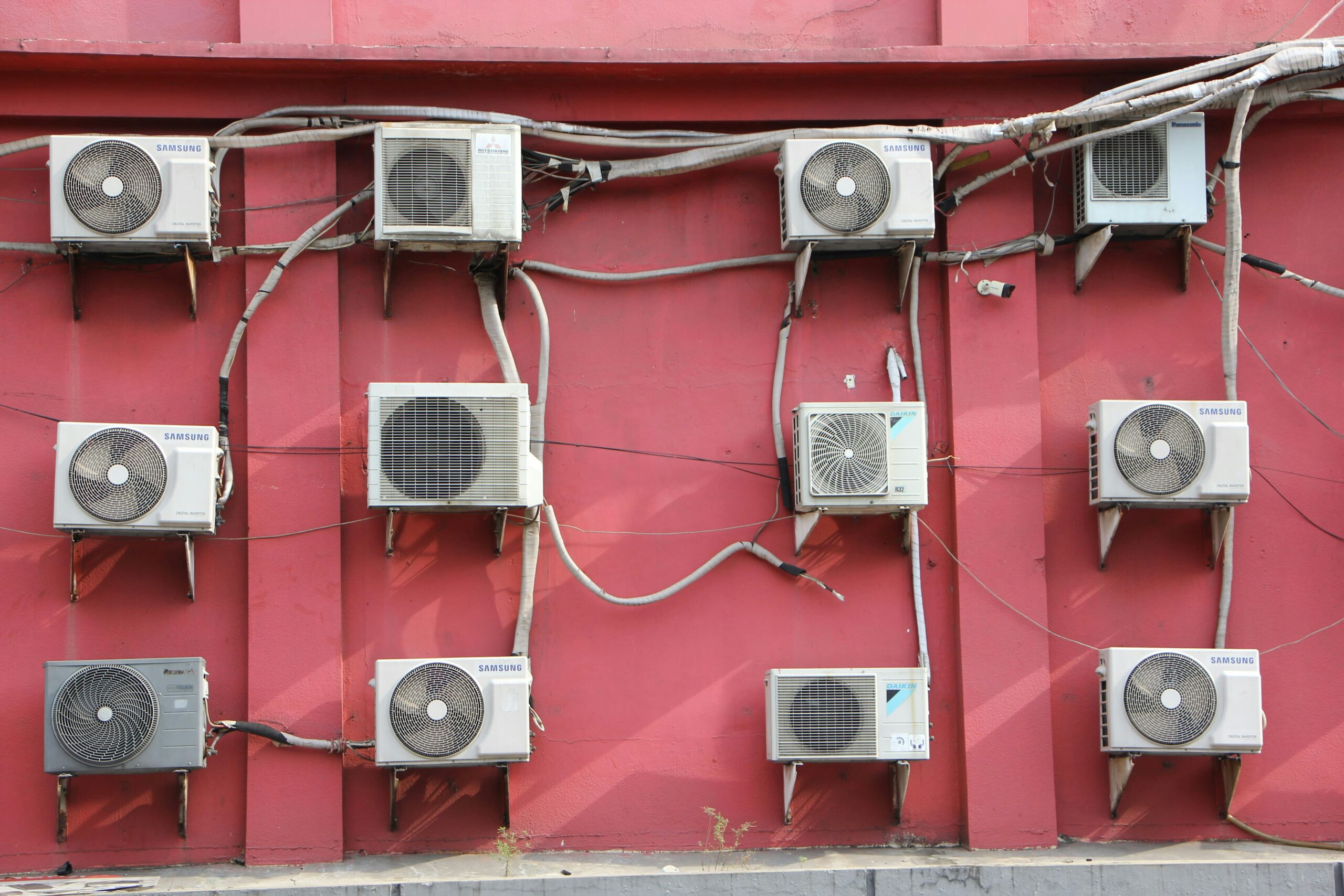
    ACMV Singapore stands for Air-Conditioning and Mechanical Ventilation. It encompasses systems designed to regulate air temperature, humidity, and ventilation in enclosed spaces. While air-conditioning (A/C) keeps the air cool and comfortable, mechanical ventilation ensures effective airflow and removes stale air.

    Together, these systems create a balanced indoor environment, essential in a tropical climate like Singapore’s.

    2. ACMV Systems Are Essential in Singapore’s Tropical Climate

    With year-round high temperatures and humidity levels often exceeding 80%, ACMV systems are a necessity, not a luxury. They prevent the buildup of heat and moisture indoors, which could otherwise lead to discomfort, health problems, and even structural damage to buildings.

    It’s not just about staying cool—it’s about creating safe and livable indoor spaces.

    3. ACMV Accounts for a Significant Portion of Building Energy Use

    ACMV systems are among the biggest energy consumers in large facilities. According to Singapore’s Building and Construction Authority (BCA), they account for roughly 40-50% of a building’s total electricity consumption.

    This highlights the importance of selecting energy-efficient systems to minimize operational costs and reduce environmental impact, especially for high-usage sectors such as hospitality, healthcare, and retail.

    4. Regulated by Singapore’s Green Mark Certification

    Singapore’s Green Mark Certification ensures buildings meet sustainability and environmental standards. ACMV systems are a key focus area, as energy-efficient units and effective ventilation directly impact a building’s certification level.

    Building owners must consider ACMV efficiency to align with Singapore’s commitment to sustainability and carbon-neutrality goals.

    5. Indoor Air Quality Is Directly Linked to ACMV Performance

    Did you know that poorly maintained ACMV systems can result in low indoor air quality? This can negatively impact the occupants’ health, causing issues like allergies, respiratory problems, and fatigue.

    Regular maintenance, such as cleaning and replacing air filters, ensures optimum air quality. This is particularly crucial for commercial spaces, schools, and healthcare facilities.

    6. ACMV Systems Influence Productivity

    Studies have shown that temperature and air quality significantly affect productivity. Comfortable indoor temperatures and adequate ventilation help improve focus while minimizing problems like heat fatigue and sick building syndrome.

    From offices to classrooms, ACMV systems are an investment in creating healthier and more productive environments for people.

    7. Key Components of ACMV Systems

    ACMV systems may seem complex, but they are made up of several key components:

    • Air-conditioners for cooling and dehumidification.
    • Fans and ductwork for circulating air.
    • Filters that clean the air of pollutants or particles.
    • Heat exchangers to improve energy efficiency.
    • Sensors and controls to regulate temperature and ventilation levels.

    Understanding these elements can help you manage and maintain your system effectively.

    8. Energy-Efficient Technologies Are Readily Available

    Modern ACMV systems in Singapore incorporate advanced technologies such as:

    • Variable Refrigerant Flow (VRF) systems, which adjust cooling capacity based on demand.
    • Energy Recovery Ventilators (ERV) that reuse waste heat or cool air.
    • Smart thermostats for precise temperature control and lower energy use.

    Investing in energy-efficient ACMV systems not only reduces electricity bills but also aligns with green-building standards.

    9. ACMV Maintenance Is Legally Mandated

    Under the Environmental Protection and Management Act in Singapore, ACMV systems must undergo regular inspections and maintenance to ensure efficiency and safety. For example, cooling towers and condensers need to be checked for water quality and microbial contamination to prevent diseases like Legionnaires’.

    Proper maintenance also extends the lifespan of your system and prevents costly breakdowns.

    10. Impact of the COVID-19 Pandemic on ACMV Design

    The COVID-19 pandemic has reshaped ACMV design priorities. Enhanced ventilation and filtration, as well as air sterilization using UV light, are now commonly integrated into modern systems to reduce virus transmission risks in both public and private settings.

    This reflects a shift toward health-centric design that goes beyond cooling and comfort.

    11. ACMV Trends in Singapore

    Several trends are shaping the ACMV industry in Singapore, including:

    • Smart HVAC systems that integrate with IoT devices for remote control and data tracking.
    • Green building solutions, with ACMV systems built for minimal carbon output.
    • Hybrid cooling systems that combine natural and mechanical ventilation.

    These advancements aim to meet Singapore’s urbanization challenges while safeguarding energy efficiency and resilience.

    12. The Importance of Consulting Experts

    Selecting the right ACMV system involves analyzing factors such as building size, occupancy, and energy goals. Working with experienced ACMV consultants or contractors ensures you get the most suitable system for your needs.

    Professionals can also guide you through Green Mark certifications and compliance with Singapore’s regulations.

    Make the Most of Your ACMV System in Singapore

    Whether you’re installing a new system, upgrading an old one, or optimizing maintenance, ACMV systems are vital for ensuring comfort and functionality. By understanding these 12 key facts, you’ll be better equipped to make informed decisions about your ACMV investments.

    If you’re ready to take the next step, consult with ACMV specialists at Pawleck to explore energy-efficient, advanced solutions custom-tailored for your premises. A well-curated ACMV system isn’t just an operational asset—it’s a commitment to creating better, safer, and more comfortable spaces for everyone.

  • 12 Options to Buy Asia Property

    12 Options to Buy Asia Property

    Asia’s property market has become a hotbed for investors. From bustling metropolises to scenic beachfronts, the continent offers diverse opportunities for those looking to invest in real estate. With its fast-paced economic growth, rising urbanization, and increasing demand for properties, Asia has become an attractive destination for seasoned and first-time property investors alike.

    This guide explores 12 different options to buy property in Asia, whether you’re looking for a cozy apartment in the city or a luxurious villa in paradise. You’ll gain insights into different regions, tips for investing, and factors to consider before making your move.

    Why Invest in Asia’s Property Market?

    Before we jump into the options, it’s worth emphasizing why Asia stands out as a premier property market:

    • Economic Growth: Nations like China, India, and Vietnam are experiencing robust economic growth, creating vibrant markets for property investments.
    • Affordable Costs: Compared to regions like Europe and North America, property prices in many parts of buy Asia property options remain surprisingly affordable.
    • Diverse Options: From urban high-rises in Tokyo to tranquil beachfronts in Thailand, Asia has something for every taste and investment strategy.
    • Tourism Booms: Many Asian destinations attract millions of tourists annually, boosting demand for rental and holiday homes.

    Now that you know the advantages of the region, here’s how you can get started.

    12 Options to Buy Property in Asia

    1. Invest in a Condo in Thailand

    Thailand has become a global favorite for property buyers due to its stunning landscapes and investor-friendly property laws. Foreigners are allowed to own up to 49% of a condominium development in their name, making it a straightforward choice.

    • Hot Spot: Bangkok offers a mix of affordable and luxury condos with excellent rental yields.
    • Tip: Work with a local lawyer to ensure compliance with Thai property laws.

    2. Buy a Holiday Villa in Bali, Indonesia

    Bali, known as the “Island of the Gods,” is a magnet for tourists and long-term settlers. With a thriving tourism industry, villas here can provide lucrative rental income. However, foreigners cannot directly own land and must instead lease it or use nominee structures.

    • Hot Spot: Canggu and Seminyak are popular for vibrant lifestyle options.
    • Tip: Consider villas in regions with year-round tourism potential.

    3. Urban Apartments in Tokyo, Japan

    Japan’s real estate market is known for its stability. Tokyo, in particular, is favored by investors for its consistent demand and reliable rental yields. Foreigners face no restrictions on property ownership, making it an accessible market.

    • Hot Spot: Shinjuku and Shibuya neighborhood apartments are highly desirable.
    • Tip: The Japanese government also offers favorable loans to certain foreign property buyers.

    4. Luxury Apartments in Singapore

    While it’s one of the pricier markets, Singapore remains an excellent destination for long-term property investment thanks to its economic stability and high rental demand. Non-residents can buy private apartments but must comply with government regulations.

    • Hot Spot: Marina Bay for exclusive luxury apartments.
    • Tip: Be prepared to pay additional taxes as a foreign buyer.

    5. Tourism-Driven Townhouses in the Philippines

    With its beautiful beaches and growing expat community, the Philippines property market is bustling. Foreigners can buy condominiums, but land ownership is restricted.

    • Hot Spot: Manila and Cebu City for townhouses with great rental income potential.
    • Tip: Team up with a reputable real estate agent who understands local laws.

    6. Coastal Homes in Vietnam

    Vietnam is rapidly emerging as a property investor’s paradise. The government allows foreign investors to buy up to 30% of a residential development, although there are leasehold limits.

    • Hot Spot: Da Nang and Ho Chi Minh City are popular markets.
    • Tip: Watch for changing property laws, as Vietnam continues to open its markets.

    7. Eco-Friendly Projects in Malaysia

    Malaysia offers affordable housing options and an appealing MM2H (Malaysia My Second Home) visa program for long-term stays. Foreigners can buy specific properties valued above a minimum price.

    • Hot Spot: Kuala Lumpur and Penang for urban and semi-urban properties.
    • Tip: Look for sustainable, eco-friendly developments gaining traction in Malaysia.

    8. Buy-to-Let Apartments in Shanghai, China

    China’s megacities are ripe for property investment, especially in sectors like buy-to-let apartments. Although foreign ownership is possible, the process involves government permissions.

    • Hot Spot: Shanghai for steady rental demand.
    • Tip: Understand local regulations and taxes to avoid issues.

    9. Heritage Homes in India

    India’s property market is diverse, offering everything from ultra-modern apartments to heritage homes. However, foreign ownership is generally limited to individuals of Indian origin.

    • Hot Spot: Bangalore and Mumbai for metro connectivity or Goa for heritage homes.
    • Tip: Explore projects catering specifically to non-resident Indians (NRIs).

    10. Seaside Condos in Sri Lanka

    Sri Lanka is an emerging market that combines breathtaking coastal scenery with great property affordability. Foreigners can buy apartments outright, but not freehold land.

    • Hot Spot: Galle for modern seaside condos.
    • Tip: Opt for well-established property developers.

    11. Ski Properties in South Korea

    South Korea offers unique opportunities for investing in properties near ski resorts or major cities like Seoul. Non-residents can own property without many restrictions.

    • Hot Spot: Gangnam in Seoul or Pyeongchang near ski hubs.
    • Tip: Consider properties with year-round tourism appeal to maximize occupancy rates.

    12. Mixed-Use Developments in Cambodia

    Cambodia has improved foreign property ownership regulations, allowing foreigners to own properties above the first floor in a building. Its booming tourism and young population ensure future growth.

    • Hot Spot: Phnom Penh and Siem Reap.
    • Tip: Look for mixed-use developments for diversified rental opportunities.

    Key Considerations Before Buying Property in Asia

    • Research Local Laws: Property laws differ widely across countries. For example, some restrict outright ownership for foreigners.
    • Hire Local Experts: Work with legal experts and real estate agents familiar with the local market.
    • Calculate Additional Costs: Factor in additional taxes, fees, and legal costs before committing.
    • Be Cautious of Risks: Political and economic instability in specific regions can be a factor.
    • Think Long-Term: Ensure that the property aligns with your financial goals and lifestyle.

    Final Thoughts on Choosing Your Asian Property

    From modern condos to charming villas, Asia offers diverse property options catering to every investor’s needs. Navigating foreign markets can seem daunting, but with research, the right connections, and clear financial goals, you’ll find a perfect property that merges investment potential with personal pleasure.

    If you’re ready to explore Asia’s property market, don’t wait! Start planning your dream property investment with Property Pulse today.

  • Why People Prefer to Buy Ho Chi Minh Real Estate

    Why People Prefer to Buy Ho Chi Minh Real Estate

    Ho Chi Minh City, formerly known as Saigon, has become a hotspot for real estate investors and overseas buyers alike. With its rapidly growing economy, modern infrastructure, and vibrant culture, it’s no surprise that the city’s real estate market is booming. But what makes the buy Ho Chi Minh real estate option so desirable? This blog will explore the reasons behind the growing demand for real estate in one of Vietnam’s most dynamic cities.

    Economic Growth Driving Property Demand

    Ho Chi Minh City’s booming economy is a significant factor enticing real estate buyers. The city serves as Vietnam’s economic hub, accounting for nearly a quarter of the country’s GDP. Home to large multinational corporations and thriving industries such as technology, manufacturing, and finance, the city attracts a mix of expatriates, professionals, and business owners.

    The city’s rising middle class and increasing disposable income have fueled demand for modern housing, making it a prime market for investors. Many see real estate in Ho Chi Minh City as a lucrative investment, with property values expected to appreciate alongside the economy.

    Supporting Data

    • According to the Global Property Guide, property prices in Vietnam have seen steady growth, with Ho Chi Minh City leading the trend.
    • The city’s GDP growth was approximately 7.6% in recent years, surpassing many regional counterparts.

    Affordable Pricing Compared to Regional Markets

    Another reason Ho Chi Minh real estate is so attractive is its affordability when compared to other major cities in Asia. While cities like Singapore, Bangkok, or Hong Kong feature exorbitant property prices, Ho Chi Minh offers comparatively lower property costs without compromising on amenities or lifestyle.

    This affordability appeals not only to local buyers but also to foreign investors who are priced out of other Asian real estate markets. Many are drawn to the opportunity to own prime real estate in a growing urban landscape, without the hefty price tag of more developed markets.

    Example

    For instance, a modern condo in Ho Chi Minh City can cost around $3,000 to $5,000 per square meter, whereas in cities like Singapore, similar properties can reach up to $20,000 per square meter.

    Favorable Investment Policies

    Vietnam has recently relaxed its real estate ownership policies, making the market more accessible to foreign buyers. Under the Housing Law introduced in 2015, foreigners can own apartments and lease land for up to 50 years. Additionally, expatriates are allowed to purchase up to 30% of the units in a residential condominium project, further opening up opportunities for overseas investors.

    These investor-friendly policies have not only improved market transparency but have also strengthened trust among international buyers. The relative ease of doing business and engaging in property transactions contributes significantly to the market’s appeal.

    A Modern and Diverse Lifestyle

    Ho Chi Minh City effortlessly blends tradition with modernity. Its vibrant culture, world-class dining, and entertainment options make it a desirable place to live. The city offers a unique mix of old-world charm in areas like District 1, home to historical landmarks, and ultra-modern neighborhoods such as District 2 and District 7, known for their high-end condos and luxury villas.

    Key Lifestyle Benefits

    1. Modern Amenities: Many residential projects come with state-of-the-art facilities, including gyms, pools, schools, and shopping centers.
    2. Cultural Richness: The city offers a dynamic cultural scene, from art galleries and museums to bustling markets and street food.
    3. Expatriate Communities: Districts like Thao Dien in District 2 have thriving expatriate communities, making the city welcoming to foreigners.

    High Rental Yield

    For investors, the potential for high rental yields in Ho Chi Minh City is another significant draw. The influx of expatriates and young professionals looking for quality housing has created a robust rental market. Properties in desirable areas often yield as much as 6–8% annually, outperforming many other real estate investments in the region.

    This makes Ho Chi Minh not only an appealing market for home-buyers but also a highly lucrative option for those looking to generate rental income.

    Popular Areas for Rental Investment

    • District 1: Known for bustling nightlife and central location.
    • District 2 (Thao Dien): Popular among expatriates looking for modern housing.
    • District 7 (Phu My Hung): Home to upscale residential communities and highly desirable for families.

    Infrastructure Development

    The rapid pace of infrastructure development in Ho Chi Minh City cannot be ignored. Large-scale projects, such as the Metro Line 1, are transforming the city into a more connected and accessible urban center. Improved transportation networks reduce commuting times, thus enhancing the appeal of key districts.

    Current Projects Transforming Real Estate

    • Metro Line 1 (to be operational by 2024): Connecting District 1 to surrounding suburbs like District 2 and beyond.
    • Thu Thiem New Urban Area: A long-term project creating a financial and residential hub modeled after Pudong in Shanghai.

    These developments are reshaping both the cityscape and property values, with buyers eager to invest in areas poised for growth.

    Challenges in the Ho Chi Minh City Real Estate Market

    While the market is undoubtedly appealing, there are challenges to consider. Issues such as air pollution, potential bureaucratic hurdles, and periodic market volatility can pose risks for buyers and investors. However, many believe the long-term growth prospects outweigh these concerns.

    It’s essential to work with reputable agents or firms and thoroughly research any property before committing.

    Why Now is the Time to Invest in Ho Chi Minh Real Estate

    With a blend of economic growth, affordable pricing, favorable investment policies, and modern lifestyle prospects, Ho Chi Minh City’s real estate market holds tremendous potential. Whether you’re looking to buy a home or expand your investment portfolio, the city’s evolving market ensures opportunities for everyone thanks to Property Pulse.

    Now is the ideal moment to make your move, as infrastructural advancements and economic growth continue to drive property values upward. For buyers seeking a high-growth market with plentiful options, Ho Chi Minh is undoubtedly a rising star in Asia.

  • How Much You Need to Buy Vietnam Property

    How Much You Need to Buy Vietnam Property

    Investing in property in Vietnam has become an increasingly appealing option for both locals and international buyers. With its booming economy, remarkable landscapes, and an exciting real estate market, the country presents numerous opportunities for property investment. But how much do you actually need to buy property in Vietnam? This guide will break it down, providing insight into costs, legal considerations, and strategies for both foreign and domestic buyers.

    Why Vietnam’s Property Market is Worth Exploring

    Vietnam’s real estate market has experienced significant growth in recent years, driven by rapid urbanization, a growing middle class, and high foreign investment. Cities like Ho Chi Minh City (HCMC) and Hanoi have become hotspots for residential and commercial properties, while emerging markets like Da Nang and Nha Trang are coveted for coastal investments.

    For foreign investors, the allure lies in affordable prices compared to neighboring markets like Thailand or Singapore, coupled with competitive rental yields. But before jumping in, it’s essential to fully understand the financial commitment required.

    Understanding the Key Costs of Buying Property

    When you buy a Vietnam property, various costs come into play beyond the selling price. Here’s a breakdown of the major expenses to keep in mind.

    1. Property Price

    Property prices vary depending on factors such as location, property type, and quality. Here’s a quick snapshot of common price ranges in Vietnam’s major markets (as of 2023):

    • Ho Chi Minh City

    Apartments range from $1,800 to $4,000 per square meter in prime areas like District 1. Suburban districts like Thu Duc or Binh Tan offer options from $1,000 to $1,500 per square meter.

    • Hanoi

    Centrally located apartments in areas like Hoan Kiem cost around $2,000–$3,500 per square meter, while properties in suburban areas like Gia Lam run closer to $800–$1,200 per square meter.

    • Da Nang & Nha Trang

    These coastal cities offer a mix of luxury beachfront condos priced at $2,500–$5,000 per square meter and budget apartments starting from $900 per square meter.

    2. Taxes and Fees

    Apart from the listed price, buyers need to account for additional taxes and fees, which include the following:

    a. Land Use Right Fee (LURC)

    Land is generally state-owned in Vietnam, so owners purchase land-use rights instead of outright ownership. For foreign investors, this is typically included in the price of the property, but the fee structure may vary depending on the developer.

    b. Value-Added Tax (VAT)

    The VAT on property in Vietnam is 10% of the purchase price.

    c. Registration Fee

    A small registration fee (usually 0.5% of the property price) is required for all buyers during the transaction process.

    d. Notary and Administrative Fees

    Notary public fees usually range between 0.03% and 0.1% of the contract value, while administrative fees range from $50–$300 for documentation processing.

    3. Maintenance Fees

    If you’re purchasing an apartment or condo, you’ll also need to pay a maintenance fund fee, typically 2% of the property price, which goes toward maintaining shared spaces in the building.

    4. Legal and Advisory Fees

    While not mandatory, hiring a legal advisor or real estate agent is highly recommended, particularly for foreign buyers unfamiliar with Vietnam’s property laws. Legal fees vary but generally average around $1,000–$3,000 per transaction.

    Key Considerations for Foreign Buyers

    While Vietnam’s property market is open to foreign investment, restrictions and regulations apply. Below are crucial points to consider.

    1. Ownership Rights

    Foreigners can purchase properties in Vietnam but only through long-term leaseholds (typically 50 years, with an option for renewal). Full ownership of land is reserved for Vietnamese citizens.

    2. Limitations on Foreign Ownership

    Foreign buyers are restricted to owning no more than 30% of the units in an apartment building or 10% of the total properties in a landed housing area (or neighborhood).

    3. Developer Certifications

    Ensure the developer has the necessary certifications to sell units to foreign buyers. This includes land use rights documentation and government approval for foreign ownership in a specific project.

    4. Financing Options

    Foreign buyers often face challenges securing mortgages in Vietnam, as most banks offer preferential rates to Vietnamese citizens. Be prepared to finance your purchase fully in cash or explore private lending options.

    Is Investing in Vietnamese Property Worth It?

    Yes, but success depends on strategy. Here’s why property here can deliver value:

    • Rental Yields: Vietnam offers rental yields of 6-8%, considerably higher than other Southeast Asian markets.
    • Capital Gains: Rapid urbanization drives property appreciation, with annual price increases of 5-7% in major cities.
    • Affordable Market Entry: Compared to regional neighbors, Vietnam offers significantly lower per-square-meter rates in prime real estate markets.

    However, keep in mind potential challenges like limitations on foreign-owned land, liquidity, and market fluctuations.

    Step-by-Step Guide to Buying Property in Vietnam

    Here’s a quick overview to get you started:

    1. Research and Choose a Location

    Begin with thorough research based on your investment goals. Consider proximity to schools, business hubs, or tourist attractions.

    1. Set Your Budget

    Account for all costs beyond the selling price, including taxes, legal fees, and maintenance contributions.

    1. Find an Agent or Lawyer

    Hire professionals with experience working with foreign buyers in Vietnam to ensure a smooth transaction.

    1. Sign a Sales Agreement

    Once you’ve found your ideal property, a sales agreement outlines payment terms and ownership rights.

    1. Make Payments and Register

    Pay the deposit to secure your property, followed by any VAT, maintenance, or registration fees required.

    1. Obtain a Land Use Right Certificate (LURC)

    The LURC is critical as it certifies your leasehold rights to the property.

    Final Thoughts

    Investing in property in Vietnam offers great potential for both personal use and financial return, provided you understand the market’s nuances and cost structure. By factoring in real estate prices, taxes, and regulations, you can make a well-informed decision that aligns with your goals.

    If you’re ready to explore Vietnam’s property market, reach out to expert advisors at Property Pulse to better understand your needs and get personalized guidance for your next investment.

  • How to Invest in Manila Real Estate in 2025

    How to Invest in Manila Real Estate in 2025

    The real estate market in Manila remains one of the most promising investment opportunities in Southeast Asia. Known for its dynamic economy, strategic location, and growing urbanization, Manila attracts investors looking to capitalize on its booming property market. But with evolving trends and new regulations, how do you make a smart real estate investment in the bustling capital in 2025?

    This guide will walk you through the key factors to consider, steps to take, and potential pitfalls to avoid when investing in Manila’s real estate market this year.

    Why Invest in Manila Real Estate in 2025?

    Manila’s real estate market is thriving, fueled by several factors:

    1. Economic Resilience: Despite global challenges, the Philippines continues to rebound with strong economic growth projected for 2025. Manila, as the country’s financial center, benefits from increased investments and infrastructure projects.
    2. Rising Urban Development: Major infrastructure developments such as new highways, MRT lines, and central business districts (CBDs) are increasing property values in strategic areas.
    3. Expanding Middle Class: The growing middle class has a rising demand for homes, condos, and rental properties, making residential invest Manila real estate a lucrative option.
    4. Attractive Rental Yields: Manila boasts some of the highest rental yields in Asia, particularly in popular business hubs like Makati, BGC (Bonifacio Global City), and Ortigas.

    For investors seeking long-term growth or steady cash flow, Manila real estate offers diverse opportunities.

    Key Real Estate Investment Opportunities in Manila

    Manila’s property market is multifaceted, catering to different types of investors. Here are some sectors to consider:

    Residential Properties

    Residential real estate, whether for personal use or rentals, remains a popular choice. Condominiums in CBDs such as Makati and BGC appeal to young professionals, while suburban homes in areas like Quezon City provide more space for families.

    Pro Tip: Look for pre-selling condominiums. They typically cost less than ready-for-occupancy units and often see significant value appreciation upon turnover.

    Commercial Properties

    As new businesses emerge, the demand for office spaces surges. Investing in commercial properties, especially in business hubs like Ortigas and BGC, can yield steady rental income.

    Mixed-Use Developments

    Mixed-use developments that combine residential, commercial, and recreational spaces are gaining traction in 2025. Properties in projects like Ayala Land’s “Circuit Makati” offer convenience and integrated living, making them attractive to urban dwellers.

    Township Projects

    Developers are expanding “townships,” large-scale developments that integrate living, working, and leisure spaces. Areas like Nuvali in Laguna, while slightly outside Metro Manila, offer immense growth potential and appeal to property buyers looking for suburban living with urban amenities.

    6 Steps to Invest in Manila Real Estate in 2025

    1. Understand Market Trends

    Real estate trends evolve with market conditions. Research areas experiencing rapid infrastructure development or high rental yields. For example:

    • Infrastructure projects such as the MRT 7 line and the North Luzon Expressway Connector Road are enhancing accessibility, increasing property values in nearby neighborhoods.
    • Demand for co-living spaces and sustainable housing is rising, presenting unique investment niches.

    2. Set Your Investment Goals

    Define whether your focus is on capital appreciation, rental income, or both. Your goals will guide your choice of property:

    • Capital Appreciation: Purchase pre-selling properties in up-and-coming areas.
    • Rental Income: Target condos or apartments in areas with strong demand from expatriates and young professionals.

    3. Choose the Right Location

    Manila’s neighborhoods cater to diverse lifestyles and investment goals. Here are some hotspots to consider:

    • Makati CBD: Ideal for luxury condos and premium office spaces.
    • BGC (Taguig): Known for upscale living and a thriving expat community.
    • Quezon City: Offers more affordable options with increasing development in areas like Fairview and Eastwood.
    • Ortigas Center: A balanced mix of residential and commercial properties.

    4. Understand the Legal Process

    Foreign investors can own condominiums in Manila, but there are restrictions on owning land. Other key legal points to keep in mind include:

    • Foreign Ownership Cap: A condo development must not exceed 40% foreign ownership.
    • Leasehold Agreements: Foreign investors looking to acquire land can enter into long-term lease agreements (up to 50 years, renewable for another 25 years).

    It’s essential to consult with a trusted real estate lawyer to ensure compliance with regulations.

    5. Partner with Reputable Developers

    Work with experienced and well-known developers like Ayala Land, SMDC, or Megaworld to minimize risk. Established developers often deliver high-quality properties on time and offer better after-sales support.

    6. Secure Financing and Budget Wisely

    Manila’s real estate market allows flexible financing options, including:

    • Bank loans with competitive interest rates.
    • Developer in-house payment schemes for pre-selling properties.

    Pro Tip: Factor in additional costs such as property taxes, maintenance fees, and closing costs when setting your budget.

    Mistakes to Avoid When Investing in Manila Real Estate

    Overlooking Due Diligence

    Always verify the property’s title and inspect the physical condition and location. Avoid falling victim to enticing deals that seem too good to be true.

    Not Factoring in Location Accessibility

    A property’s value is directly tied to its accessibility. Ensure it’s conveniently located near transportation networks, schools, or shopping centers.

    Ignoring Market Updates

    Keep an eye on market conditions, as they directly affect real estate values. For instance, an oversupply of condos in some areas may lower rental yields.

    Skipping Professional Guidance

    Working with a licensed real estate broker or agent can help you find the best deals and avoid pitfalls.

    How to Maximize Returns from Your Investment

    Rent Out Your Property

    Manila’s high rental demand, particularly in areas like BGC and Makati, allows investors to generate consistent income. You can also explore short-term rentals to take advantage of higher daily rates during peak tourist seasons.

    Renovate for Higher Resale Value

    Simple upgrades such as modern lighting or a fresh coat of paint can significantly increase a property’s selling price.

    Diversify Your Portfolio

    Don’t limit yourself to one sector. Consider investing in both residential and commercial spaces or spreading out investments across different neighborhoods.

    Is 2025 the Right Time to Invest?

    The answer is a definite yes—if you’re prepared. Manila’s real estate market remains robust, and strategic investments have the potential to yield significant returns. However, it’s crucial to do your homework, stay updated on trends, and work with trusted professionals.

    Take the First Step in Manila Real Estate Investment

    Real estate is one of the most rewarding investments, and Manila offers an incredible opportunity in 2025. Whether you’re eyeing a luxury condo in Makati, an income-generating property in BGC, or a mixed-use development in Quezon City, the options are endless.

    With careful planning, research, and the tips from this guide, you’re well on your way to building a successful real estate portfolio in Manila.

    Start exploring your options today with Property Pulse and make the most of Manila’s thriving real estate market for 2025.

  • Can Young People Invest in Vietnam Real Estate?

    Can Young People Invest in Vietnam Real Estate?

    Real estate investment has long been considered a pathway to financial success, and Vietnam’s dynamic market presents unique opportunities. With rapid urbanization, a growing middle class, and a stable economy, it’s no surprise that Vietnam has become a hot spot for both local and international property investors.

    But can young people—with limited finances and little experience—dip their toes into this market? The answer is a resounding yes, if done thoughtfully and strategically. This guide will explore why Vietnam’s real estate market holds promise for young investors, the steps they can take to get started, and the potential challenges to watch out for.

    Why Vietnam’s Real Estate Market is Attractive

    Vietnam’s real estate sector offers fertile ground for investment, even for young people with limited capital. Here are some of the reasons why this market stands out:

    1. High Economic Growth

    Vietnam boasts one of the fastest-growing economies in Southeast Asia, with a GDP increase of around 8% in 2022. This robust economic growth has spurred urban development and demand for housing. Areas like Ho Chi Minh City and Hanoi have seen a steady rise in property values, making them prime targets for investment.

    2. Expanding Middle Class

    The country’s expanding middle class is driving demand for more and better housing options. By 2030, it’s estimated that the middle-class population in Vietnam will reach 44 million. This growth indicates an increased demand for apartments, townhouses, and even luxurious condos.

    3. Government Policies Encouraging Foreign and Local Investments

    The Vietnamese government has introduced regulations that encourage you to invest Vietnam real estate. For example, foreigners are allowed to buy property under certain conditions, and local investors can benefit from accessible mortgage programs offered by banks.

    4. Affordable Property Prices

    Compared to many other countries in the region, Vietnam’s real estate prices remain relatively affordable. This affordability opens the door for young investors who may not have large amounts of capital to commit upfront.

    5. Tourism and Airbnb Opportunities

    Vietnam is one of the most visited destinations in the world, with millions of tourists flocking to spots such as Ha Long Bay, Da Nang, and Ho Chi Minh City every year. This has led to a rise in vacation properties and Airbnb opportunities, allowing investors to generate passive rental income.

    How Young People Can Start Investing in Vietnam Real Estate

    While the idea of investing in real estate as a young person can seem daunting, there are actionable steps you can take to ease into this lucrative market.

    1. Educate Yourself About the Market

    Before making any investment, gaining a deep understanding of Vietnam’s real estate market is crucial. Research property trends, target areas, and laws governing real estate transactions. Platforms like Batdongsan.com.vn and Propzy.vn can provide insights into current listings and market statistics.

    Additionally, take the time to familiarize yourself with:

    • Property types (e.g., apartments, townhouses, land plots)
    • Ownership laws for locals and foreigners
    • Local customs and norms affecting real estate transactions

    2. Set Clear Investment Goals

    What do you want to achieve with your investment? Are you looking to flip properties for a quick profit, or do you want to generate long-term rental income? Having a clear strategy will help you focus your efforts on properties that align with your goals.

    For example, a studio apartment in a bustling tourist area might be ideal for short-term rental income through platforms like Airbnb, while a suburban townhouse could offer steady long-term returns.

    3. Start Small with Affordable Properties

    Young investors don’t need to aim for high-end luxury apartments right off the bat. Instead, start small with affordable options such as:

    • A modest apartment
    • A small plot of land in an up-and-coming suburb
    • Shared ownership in a larger property with friends or family

    Starting small reduces financial risk and allows you to gain experience in the market before committing to larger investments.

    4. Explore Financing Options

    Many young investors shy away from real estate because they assume they can’t afford it. However, Vietnam’s banking sector offers various mortgage products tailored to first-time investors. Here are some tips for securing financing:

    • Save up for a solid down payment (typically 20–30% of the property’s value).
    • Maintain a good credit score to boost your chances of loan approval.
    • Compare loan programs from different banks to find low-interest options.

    Additionally, some developers offer attractive installment plans for new apartments, which young investors can take advantage of.

    5. Leverage Crowdfunding and REITs

    If purchasing a property outright feels overwhelming, consider alternative investment avenues like real estate crowdfunding and Real Estate Investment Trusts (REITs). These options allow you to invest in property projects with relatively small amounts of capital and diversify your portfolio.

    6. Partner with a Real Estate Agent or Advisor

    Navigating Vietnam’s real estate market can be complex, especially if you’re unfamiliar with the local legal and cultural landscape. Partnering with a reputable agent or advisor can help you:

    • Identify high-potential properties
    • Negotiate better deals
    • Understand legal requirements and paperwork

    7. Consider Rental Income Opportunities

    One of the best ways to generate income from real estate is through rentals. Identify properties in high-demand rental areas, such as university neighborhoods or business hubs. A well-managed rental property can provide steady cash flow while its value appreciates over time.

    The Challenges Young Investors May Face

    While the opportunities in Vietnam’s real estate market are compelling, it’s equally important to be aware of potential challenges:

    1. Limited Capital

    Most young investors have limited savings to work with. This can make securing prime properties a challenge. Starting small or leveraging financing options can help overcome this hurdle.

    2. Market Volatility

    Real estate markets are cyclical, and Vietnam is no exception. Economic downturns, shifts in government policy, or oversupply of properties could impact the market’s stability.

    3. Legal Complexity

    Foreigners, in particular, may face additional legal hurdles when purchasing property in Vietnam. Laws regarding foreign ownership can be restrictive and vary depending on the property type and location.

    4. Management Responsibilities

    Owning a rental property comes with responsibilities like tenant management and maintenance, which can be daunting for first-time investors.

    Why Now is the Time to Invest in Vietnam Real Estate

    Despite the challenges, Vietnam’s real estate market is brimming with potential for young investors. With the introduction of mortgage options, affordable prices, and government support, there’s no better time to start building your property portfolio.

    By starting small, educating yourself, and leveraging professional advice, you can make informed decisions and reap the rewards of this growing market. Whether your goal is financial independence, passive income, or long-term wealth, real estate offers a viable path to success.

    Taking the First Step Is Easier Than You Think

    Navigating Vietnam’s real estate market doesn’t have to be complicated. By equipping yourself with knowledge, connecting with the right experts, and starting small, you’ll be well on your way to making a successful investment.

    Interested in exploring your options? Reach out to local real estate advisors at Property Pulse or start researching properties online. Remember, every great investor begins with one small step—and your step could very well be in Vietnam.

  • 15 Reasons to Invest Manila Property

    15 Reasons to Invest Manila Property

    Manila, the heart of the Philippines, is more than just a bustling metropolis steeped in history and culture. It’s also one of the fastest-growing property investment hotspots in Southeast Asia. Whether you’re a real estate investor, an expatriate, or someone looking to build a solid portfolio, investing in Manila properties offers a plethora of advantages.

    From its booming economy to its thriving cultural scene, this guide will show you why Manila deserves a spot on your property investment radar. Here are 15 compelling reasons to consider Manila for your next investment move.

    1. Strategic Location in Southeast Asia

    Manila’s location makes it a key economic and cultural gateway within Southeast Asia. The city is well-connected to other major hubs such as Singapore, Hong Kong, and Kuala Lumpur. Manila’s accessibility enhances its business prospects, making it a top choice for global companies and real estate investors alike.

    2. Booming Economy and Growth Potential

    The Philippines has consistently experienced impressive GDP growth, and Manila is its economic engine. Rapid industrialization, an increasing influx of foreign investments, and robust domestic consumption make it an attractive area for real estate investments. Properties in Manila benefit from the city’s rising prosperity and continued expansion.

    3. Growing Tech and BPO Sector

    Manila is at the forefront of the Philippines’ booming Business Process Outsourcing (BPO) industry. The BPO sector continues to fuel the city’s demand for both residential and commercial properties as thousands of professionals relocate to the area for work annually.

    4. Affordable Property Prices

    Compared to other global cities like Tokyo, Singapore, or Hong Kong, Manila offers relatively affordable real estate prices. This allows investors to enter the market at a lower cost while enjoying substantial appreciation over time.

    5. Attractive Rental Yields

    Manila’s properties are known for offering higher rental yields compared to other key cities in Asia. Rental demand remains strong due to its growing workforce and expat community, providing steady income streams for investors.

    6. Infrastructure Development Projects

    Manila’s skyline is rapidly evolving, thanks to massive infrastructure projects such as airports, bridges, railways, and expressways. The “Build, Build, Build” initiative is positioning Manila as a more globally competitive city, boosting both invest Manila property values and investor confidence.

    Key Projects:

    • Metro Manila Subway Project
    • North-South Commuter Railway System
    • Makati Subway

    7. Growing Population and Urbanization

    The population of Metro Manila is consistently growing, with people flocking to the city for better job opportunities and access to amenities. This population boom creates a sustained demand for residential properties, ensuring long-term investment potential.

    8. Tourism and Hospitality Opportunities

    Manila is not just a city for business—it’s also a vibrant tourist destination. Historical landmarks like Intramuros, Rizal Park, and modern attractions keep visitors coming. This makes Manila a great spot for short-term rental properties, such as Airbnb investments.

    9. Expat-Friendly Environment

    Manila has become a hub for expatriates in Southeast Asia. With its welcoming culture, diverse community, and English as one of its official languages, expats find it easy to live and work in the city. This expat-friendly environment drives demand for high-quality residential properties.

    10. Strong Overseas Filipino Market

    Overseas Filipino Workers (OFWs) are a major factor in Manila’s property market. Their remittances often fund real estate purchases in Manila, either as an investment or a home for their families. This steady inflow of cash contributes to sustained demand and price stability.

    11. Flexible Ownership Opportunities

    While foreign nationals face certain restrictions when it comes to owning land in the Philippines, they can still own condominiums outright. Developers in Manila offer a wide range of condo options tailored to the needs of both foreigners and locals, making it easy to invest legally.

    12. Thriving Cultural Scene

    Manila’s rich culture is reflected in its art galleries, gastronomic scene, and dynamic festivals. Vibrant city life ensures a steady influx of investors looking for properties that offer proximity to these attractions.

    13. Steady Economic Recovery

    Despite challenges posed by recent global events, Manila has shown strong resilience and economic recovery. This bolsters investor confidence and suggests continued growth in property values over the next few years.

    14. Proximity to Nature and Beaches

    Manila offers the perfect mix of city life and nature. Nearby provinces like Batangas, Laguna, and Zambales are home to pristine beaches and eco-tourism destinations, making Manila an attractive base for residents and investors.

    15. Future Growth in Property Appreciation

    Market trends suggest that Manila’s property prices are set for further appreciation over the next decade. Early investments in strategically located properties are likely to yield significant long-term capital gains.

    Countless Opportunities Await in Manila

    Manila’s real estate market presents a golden opportunity for investors looking to tap into one of Asia’s most promising economies. Its combination of affordable prices, rising demand, and sustained growth makes it an ideal choice for property investment.

    Whether you’re investing in a sleek condo in Bonifacio Global City (BGC) or buying a rental property in Makati, there’s no better time to enter Manila’s property market than now. Take advantage of this high-growth potential and enjoy the rewards it brings.

    Interested in exploring available properties in Manila? Start your investment journey today by connecting with local experts from Property Pulse or browsing the latest listings. With such incredible upside, there’s no time like the present to make your move!

  • 12 Secrets of Cheap Website Making

    12 Secrets of Cheap Website Making

    Building a website is no longer a luxury—it’s a necessity. Whether you’re an entrepreneur launching a business, a freelancer showcasing your portfolio, or a non-profit looking to grow, having an online presence gives you credibility and reach. But here’s the catch: websites can be expensive, right?

    Not necessarily. With the right tools, strategies, and a little know-how, you can build a professional website without breaking the bank. This post reveals 12 secrets to creating a budget-friendly website that still looks and performs like a pro.

    Why Build a Budget-Friendly Website?

    The idea that a great website costs thousands of dollars or requires a professional developer is outdated. Modern web builders and tools have made it easier—and cheaper—than ever for anyone to create a stunning site. Here’s what you’ll gain by building it budget-friendly:

    • Cost Savings: Use your money for other important areas like marketing or product development.
    • Flexibility: Get control over your website without having to rely on expensive developers for every minor update.
    • Customization: Design your website just the way you like it, affordably.

    Now, let’s break down the secrets you need to know!

    1. Start with a Free or Affordable Website Builder

    Website builders like WordPress, Wix, and Squarespace allow you to build professional websites without web development skills. Most offer free plans with basic features—perfect for a simple site. Consider upgrading to their paid plan only if you need extra features like custom domains or e-commerce options.

    Pro Tip: Use WordPress.org for maximum flexibility—it’s free, but you’ll need to pay for hosting (more on that later).

    2. Choose Budget-Friendly Hosting

    If you decide to use WordPress.org or another platform that requires hosting, opt for affordable hosting providers. Companies like Bluehost, SiteGround, and HostGator offer excellent plans starting as low as $2.95/month. Many even include a free domain for the first year.

    Watch Out For: Renewal fees. Hosting providers often offer low introductory prices, but read the fine print so you’re prepared for upcoming costs.

    3. Use a Free Website Theme

    Skip custom-coded themes, which are costly and complex, and instead use free or freemium themes from name-brand providers. Platforms like WordPress offer thousands of free themes for blogs, portfolios, online stores, and more.

    Look for themes that are:

    • Mobile-friendly
    • SEO-optimized
    • Customizable without coding

    Time-Saving Secret: Stick with popular themes that have high ratings and active support. Popular options include Astra, Neve, and OceanWP.

    4. Leverage Free Stock Photos

    Great visuals are essential for a professional-looking website, but you don’t need to splurge on pricey photographers or subscriptions. Websites like Unsplash, Pexels, and Pixabay offer free high-quality stock photos across various niches.

    DIY Option: If you own a good smartphone, experiment with taking your photos for a unique, personal touch.

    5. Take Advantage of Free Plugins

    Boost your website’s functionality without spending a dime by using free plugins. From SEO optimization to contact forms, there are plugins for nearly every feature you might need.

    Here are some must-have free plugins for WordPress:

    • Yoast SEO or Rank Math (SEO optimization)
    • Contact Form 7 (simple forms)
    • Smush (image compression)

    Remember not to overdo it, though, as installing too many plugins can slow down your site.

    6. Write Your Own Copy

    Hiring professional copywriters can quickly overpower your budget. Instead, spend some time writing your own copy. Keep these rules in mind:

    • Write conversationally—it builds trust.
    • Focus on your target audience and their needs.
    • Use tools like Grammarly to polish your grammar and spelling.

    If you’re truly stuck with writing, services like Jasper or Outwrite can help generate well-written content at a fraction of the cost of hiring a writer.

    7. DIY Logo Design

    Can’t afford a graphic designer? No problem! Websites like Canva and Looka make designing a logo simple and free (or nearly free if you use their paid templates). Just plug in your business name, select a style, and customize it to your preference.

    Pro Tip: Keep it clean and minimal—overly complex logos are harder to remember and costlier to print on merchandise.

    8. Compress Your Images

    Large, unoptimized images can slow your cheap website making tremendously, ruining the user experience and impacting your SEO. Use free tools like TinyPNG or ImageOptim to compress images without sacrificing quality.

    This not only speeds up your site but also reduces hosting costs by saving storage space.

    9. Learn Basic SEO

    A beautiful website is meaningless if no one can find it. Learning some basic SEO ensures your site ranks higher on Google without paying for professional SEO services.

    Here are a few beginner-friendly tips:

    • Use keywords naturally in your headings, meta tags, and descriptions.
    • Write clear, helpful content that answers common search questions.
    • Set up Google My Business if you’re a local business.

    Many free tools, like Google Analytics and Google Search Console, can help track your SEO progress.

    10. Set Up Free Analytics

    Speaking of Google Analytics, you should always monitor your site’s performance. This free tool tracks page views, user behavior, and other key metrics that help you optimize your website over time.

    Best part? You don’t need a big marketing team to use it—Google offers tutorials and guides on getting started.

    11. Offer Value-Driven Content

    To grow your audience and keep visitors coming back, invest time in creating value-driven content like blogs, e-books, or how-to guides. Tools like Medium or Substack are free platforms to showcase your expertise, while blogging directly on your website boosts traffic.

    Budget Bonus: Use free writing tools or influencers in your niche to co-create content.

    12. Automate Where You Can

    Automation doesn’t have to be expensive—it can save you significant time (and money). Platforms such as HubSpot, Zapier, or Mailchimp often offer free tiers for small businesses. Use these tools for:

    • Automating email responses
    • Managing customer inquiries
    • Scheduling social media posts

    Time Tip: Use automation strategically—it shouldn’t feel impersonal to your audience.

    Build a Website You’re Proud Of

    Building a professional-looking, functional website doesn’t have to be complicated or costly. By following these 12 budget-friendly secrets, you can efficiently set up your online presence without compromising on quality.

    Whether you’re creating a portfolio, launching a business, or simply showcasing your creativity, the tools and tips here provide a strong foundation to help you shine.

    Now, it’s your turn—what’s stopping you from starting today? Go ahead and discover how simple, budget-friendly website creation at Huat Designs can be.