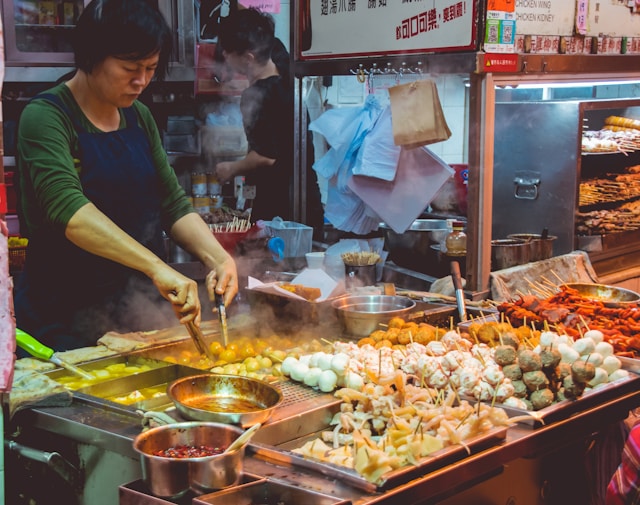
Singapore’s vibrant culinary scene is renowned worldwide for its rich diversity and tantalizing flavors, and few places embody this spirit quite like Liang Seah Street Food. Nestled in the heart of the city, Liang Seah Street is more than just a food destination—it’s a cultural experience, a sensory adventure, and a true representation of Singapore’s melting pot of culinary influences.
For food enthusiasts, tourists, and even locals looking for authentic and affordable eats, Liang Seah Street Food offers an unmissable feast. This article delves deep into why Liang Seah Street Food is a must-try, exploring its history, the diversity of dishes, unique food stalls, and the cultural significance behind its bustling hawker scene.
The Historical and Cultural Significance of Liang Seah Street
To appreciate Liang Seah Street Food, it’s essential to understand the street’s cultural and historical context. Located near the famous Bugis district, Liang Seah Street has long been a bustling hub for street food vendors and hawker stalls, serving Singaporeans for decades.
A Melting Pot of Cultures
Singapore’s history as a trading port attracted immigrants from China, Malaysia, Indonesia, India, and beyond. These diverse communities brought their culinary traditions, which converged and evolved into the dynamic food culture seen today. Liang Seah Street reflects this multicultural heritage, with food stalls offering dishes inspired by Malay, Chinese, Indian, Peranakan, and Western cuisines.
The street’s hawker culture preserves these traditions, making it an ideal place to sample a variety of authentic flavors all in one spot. Each stall tells a story—often passed down through generations—preserving recipes that blend old and new influences.
The Rise of Hawker Centres and Street Food
While hawker centres have become institutionalized across Singapore, Liang Seah Street retains much of the traditional street-food vibe, complete with open-air stalls, casual seating, and the energetic hum of eager patrons and vendors.
This lively environment encourages social interaction, fosters community spirit, and supports small businesses, making every visit feel like stepping into a vibrant neighborhood gathering.
What Makes Liang Seah Street Food Unique?
Many places offer street food, but what sets Liang Seah apart? It’s a combination of factors:
-
Authenticity: Vendors here often use traditional recipes and cooking methods, ensuring that flavors remain true to their origins.
-
Variety: From hearty noodles to delicate desserts, the street showcases a staggering range of dishes.
-
Affordability: High-quality street food at pocket-friendly prices makes it accessible to everyone.
-
Quality: Despite being street food, many vendors pride themselves on using fresh ingredients and maintaining hygiene standards.
-
Atmosphere: The lively, open-air street setting offers a dining experience unmatched by typical restaurants.
Must-Try Dishes at Liang Seah Street Food
One of the best ways to understand the allure of Liang Seah Street Food is through its dishes. Here’s a curated list of must-try items that showcase the variety and richness of the street’s offerings.
1. Char Kway Teow
A classic Singaporean favorite, Char Kway Teow is a stir-fried flat rice noodle dish cooked over high heat with egg, prawns, Chinese sausage, bean sprouts, and chives. The secret lies in the smoky flavor known as wok hei, achieved through expert stir-frying.
At Liang Seah Street, vendors take pride in balancing the smoky aroma with fresh seafood and savory sauce, creating a dish that’s both comforting and exciting.
2. Hokkien Mee
Another beloved hawker dish, Hokkien Mee combines egg noodles and rice vermicelli with prawns, squid, and pork belly, cooked in a rich seafood broth. The dish is typically garnished with fried shallots, lime, and sambal chili for a perfect balance of flavors.
The Hokkien Mee at Liang Seah is famous for its rich broth and fresh seafood, a testament to the vendors’ dedication to quality.
3. Satay
Satay is skewered and grilled meat served with peanut sauce, rice cakes, and cucumber. Vendors at Liang Seah offer an array of options—chicken, beef, lamb, and even seafood.
The peanut sauce here is often homemade, thick, and flavorful, complementing the perfectly grilled meat’s smoky char.
4. Laksa
Laksa is a spicy noodle soup with a coconut milk base, filled with prawns, fish cakes, and tofu puffs. It reflects Peranakan heritage, blending Chinese and Malay flavors.
At Liang Seah, the Laksa boasts a rich, creamy broth with a spicy kick, garnished with fresh herbs that brighten each mouthful.
5. Carrot Cake (Chai Tow Kway)
Despite the name, this dish doesn’t contain carrot. It’s made from radish cake stir-fried with eggs, preserved radish, and sometimes chili. The texture and flavor are delightful, balancing soft and crispy bits.
Liang Seah’s versions often have a perfect wok hei flavor and a subtle sweetness, making it an addictive snack or meal.
6. Rojak
Rojak is a traditional fruit and vegetable salad tossed in a spicy, sweet, and tangy peanut sauce. It’s a refreshing and light option, often garnished with fried dough and crushed peanuts.
The rojak here uses fresh, crunchy ingredients and a balanced sauce, offering a unique contrast to the heavier fried dishes.
7. Ice Kachang
For dessert, try Ice Kachang, a colorful shaved ice dessert topped with sweet syrups, red beans, corn, jelly, and grass jelly. It’s a perfect way to cool down after a spicy meal.
The version at Liang Seah is particularly famous for generous toppings and just the right amount of sweetness.
The Vendors: Stories Behind the Stalls
One of the reasons Liang Seah Street Food is so beloved is the passionate vendors behind each stall. Many are second- or third-generation hawkers, carrying on family recipes with pride and care.
Preserving Tradition in a Modern World
In an era where fast food and chain restaurants dominate, these hawkers preserve authentic recipes passed down through generations. They maintain traditional cooking techniques, often waking before dawn to prepare fresh ingredients daily.
This dedication to craft means each dish is a labor of love and authenticity, connecting diners to Singapore’s culinary roots.
Innovation Meets Tradition
While respecting tradition, some vendors at Liang Seah also experiment with new flavors or presentation styles to attract younger customers or health-conscious diners. For instance, you might find healthier versions of classic dishes using less oil or alternative ingredients.
This balance of tradition and innovation keeps the street vibrant and evolving.
The Social Experience of Eating on Liang Seah Street
Eating on Liang Seah Street isn’t just about the food—it’s also about the communal experience.
Hawker Culture and Social Interaction
Hawker centres and street food stalls in Singapore are social hubs where people from all walks of life gather. You’ll find office workers, families, students, and tourists sharing tables, striking up conversations, and bonding over food.
This shared space breaks down social barriers and fosters community spirit.
Open-Air Ambiance
Unlike air-conditioned restaurants, the open-air setup allows you to soak in the city’s atmosphere—the sounds of sizzling woks, the chatter of patrons, and the bustle of passersby. This sensory experience enhances the joy of eating.
Practical Tips for Visiting Liang Seah Street Food
If you’re planning a visit, here are some tips to make the most of your experience:
-
Go early or late: Peak hours can be crowded. Early lunch or late dinner times are ideal for less wait.
-
Bring cash: While some stalls accept cards or e-payments, many still prefer cash.
-
Try a variety: Share dishes with friends or family to sample a wider range.
-
Stay hydrated: Some dishes are spicy—bring water or try local drinks like barley water or sugarcane juice.
-
Respect queue etiquette: Singaporeans are polite about queuing—follow the line and wait your turn.
Why Liang Seah Street Food Stands Out in Singapore’s Food Scene
Singapore has many renowned hawker centres and street food spots, so why choose Liang Seah Street?
-
Central Location: Easily accessible from major transport hubs.
-
Authentic Vibes: Maintains the classic hawker feel despite urban development.
-
Wide Variety: Offers an impressive range of dishes under one street.
-
Affordable Prices: Great for budget travelers wanting real local flavors.
-
Vibrant Atmosphere: Bustling and lively, full of character and energy.
Conclusion
Liang Seah Street Food is not just a place to eat; it’s an immersion into Singapore’s rich culinary heritage and vibrant street food culture. The unique blend of traditional recipes, passionate vendors, diverse dishes, and lively atmosphere creates an unforgettable dining experience.
Whether you’re a tourist eager to explore authentic Singaporean flavors or a local seeking comfort food, Liang Seah Street Food promises a delicious, affordable, and culturally enriching journey. It’s a place where history, community, and food come together, making it a must-try destination for anyone who loves great food and authentic experiences.
Next time you’re in Singapore, don’t miss out on the sights, sounds, and tastes of Liang Seah Street—your palate will thank you.