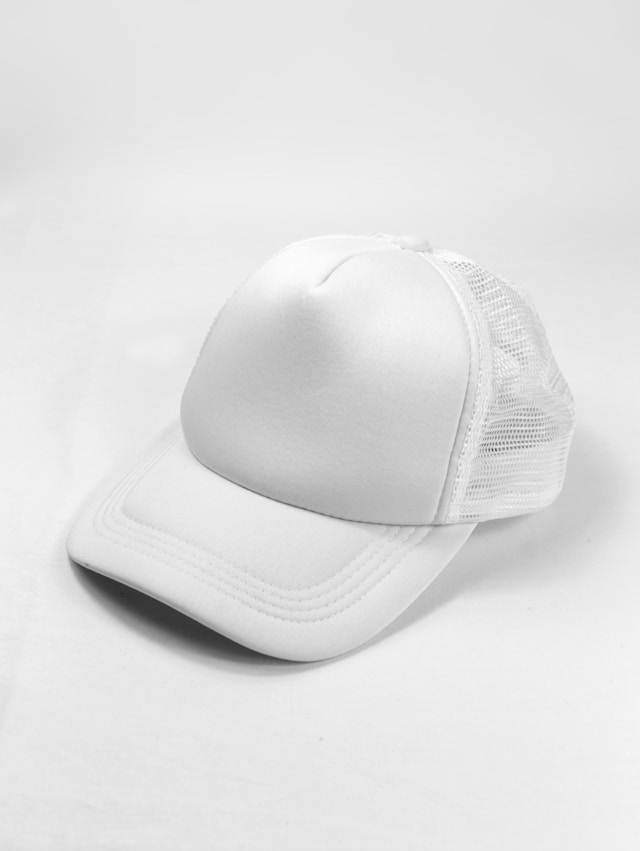
Caps are more than just a way to block the sun; they’re walking billboards. For brands, sports teams, and event organizers, a well-designed custom cap can be a powerful marketing tool. But creating a cap that people actually want to wear involves more than just slapping a logo on it. From choosing the right cap style to selecting the best printing method, every decision plays a role in the final product’s quality and appeal.
This guide will walk you through everything you need to know to create a standout custom cap. We’ll cover the most popular printing techniques, explain how to choose the right materials and design elements, and provide practical tips to ensure your project is a success. By the end, you’ll have the knowledge to produce high-quality, professional-looking caps that effectively represent your brand or message.
Understanding Your Options: Printing Methods
The first major decision in your cap printing journey is selecting the right decoration method. Each technique offers unique advantages in terms of look, feel, cost, and durability. Let’s explore the most common options.
Heat Transfer Printing
Heat transfer is a versatile and popular method for custom cap printing, especially for complex, multi-colored designs. The process involves printing your design onto a special transfer paper, which is then placed on the cap and subjected to heat and pressure. This causes the ink to transfer from the paper onto the fabric.
Advantages:
- Full-Color Designs: Heat transfer excels at reproducing photorealistic images, intricate details, and gradients, which can be difficult or expensive with other methods.
- Cost-Effective for Small Orders: Setup costs are relatively low, making it an economical choice for small batches or one-off custom designs.
- Smooth Finish: The design lies flat on the fabric, creating a smooth and seamless feel that is comfortable to wear.
- Works on Various Materials: This method can be used on a wide range of fabrics, including cotton, polyester, and blends.
Disadvantages:
- Durability Concerns: The printed layer sits on top of the fabric, which can make it susceptible to cracking, peeling, or fading over time, especially with frequent washing and sun exposure.
- Breathability: The transfer can create a non-breathable patch on the cap, which might be a consideration for athletic or performance headwear.
Best for: Small to medium-sized orders, promotional events where cost is a key factor, and designs that require high detail and a wide range of colors.
Embroidery
Embroidery is the classic, premium choice for decorating caps. It involves stitching your design directly into the fabric using a needle and thread. The result is a textured, three-dimensional design that conveys quality and durability.
Advantages:
- Premium Look and Feel: An embroidered logo looks professional, sophisticated, and high-end. The raised, textured finish adds a tactile quality that print cannot match.
- Exceptional Durability: Stitched designs are incredibly long-lasting. They won’t fade, crack, or peel, even after years of wear and washing.
- Perceived Value: Due to its high-quality appearance, an embroidered cap often has a higher perceived value, making it great for corporate gifts, uniforms, and retail merchandise.
- 3D Puff Embroidery: A popular variation where a foam insert is placed under the stitches to create a dramatic, raised 3D effect. This is perfect for making logos pop.
Disadvantages:
- Cost: Embroidery is generally more expensive than printing, particularly for large or complex designs with a high stitch count. Pricing is based on the number of stitches required.
- Design Limitations: Intricate details, small text, and color gradients can be difficult to reproduce accurately with thread. Designs often need to be simplified or “digitized” for embroidery.
- Limited Placement: Embroidery is typically limited to the front, sides, and back of the cap. It cannot be applied over seams.
Best for: Corporate branding, team uniforms, high-end retail products, and any situation where durability and a premium image are the top priorities.
Screen Printing
Screen printing involves pushing ink through a mesh screen stencil onto the fabric. A separate screen is created for each color in the design, making it a highly effective method for bold, simple graphics.
Advantages:
- Vibrant Colors: Screen printing produces bright, opaque colors that stand out, especially on dark-colored caps.
- Cost-Effective for Large Orders: Once the screens are set up, the cost per cap becomes very low, making it the most economical choice for large production runs.
- Good Durability: The ink penetrates the fabric fibers, creating a durable bond that holds up well to washing and wear, though not as permanent as embroidery.
Disadvantages:
- High Setup Costs: Creating the screens for each color is time-consuming and expensive, which makes this method impractical for small orders.
- Limited Color Complexity: Each color requires a separate screen, so designs with many colors or gradients can become very costly and complex to produce.
- Not Ideal for All Caps: Screen printing works best on the flat, unstructured panels of a cap. It can be challenging to achieve a clean print on the curved surface of a structured cap.
Best for: Large-scale orders (typically 50+ units), simple logos with one or two solid colors, and promotional giveaways where budget is a major consideration.
Choosing the Right Cap
The style and material of the cap itself are just as important as the design you put on it. The right choice will complement your design and ensure the final product is comfortable and functional for your target audience.
Cap Styles
- Baseball Caps (Structured): These are the classic, six-panel caps with a rigid front panel that holds its shape. They provide a crisp, clean canvas for logos and are a go-to for sports teams and corporate branding. Embroidery works exceptionally well on these.
- Dad Hats (Unstructured): With a soft, low-profile crown, these caps have a relaxed, casual feel. They are typically made of cotton or canvas and are popular in fashion and retail. Their unstructured nature makes them comfortable and easy to wear.
- Snapbacks: Characterized by their flat brim and adjustable plastic snap closure, snapbacks have a modern, urban aesthetic. They offer a large, flat area on the front panel that is ideal for bold logos and graphics.
- Trucker Hats: These feature a foam front panel and a mesh back for breathability. The foam front is an excellent surface for both screen printing and heat transfer, making them a popular choice for promotional events and casual brands.
- Beanies: For colder climates, a beanie is a practical and stylish choice. Embroidery is the preferred method for decorating beanies, as it works well on the stretchy, knitted fabric.
Cap Materials
- Cotton: A natural, breathable, and comfortable fiber. It’s a versatile choice suitable for most printing methods, especially screen printing and heat transfer.
- Polyester: A synthetic material known for its durability, moisture-wicking properties, and resistance to wrinkles and shrinking. It’s a common choice for athletic and performance headwear.
- Wool: Provides a classic, premium feel. It’s often used for traditional fitted baseball caps and is best suited for embroidery.
- Nylon: Lightweight, water-resistant, and durable, nylon is often used for outdoor and performance caps.
Designing for Success: Key Considerations
A great design is one that is not only visually appealing but also optimized for the chosen printing method and cap style.
Simplify Your Design
Complexity is not always your friend in cap printing.
- For Embroidery: Avoid very small text, thin lines, and intricate details. Logos often need to be simplified to ensure the stitches are clean and legible. A good rule of thumb is that text should be at least a quarter-inch high.
- For Screen Printing: Limit the number of colors to keep costs down. Bold, graphic shapes and text work best. Gradients are possible but require a more advanced technique (halftones) and may not look as smooth as a digital print.
Consider Placement
The standard placement for a logo is the front and center of the cap. However, don’t overlook other areas:
- Side Panels: A great spot for a secondary logo, website URL, or a small icon.
- Back of the Cap: The area above the closure (the “arch”) is perfect for text, like a slogan or team name.
- The Closure Strap: Some caps allow for a small woven label or embroidered detail on the adjustable strap.
Choose Your Colors Wisely
Think about contrast. A dark logo on a dark cap will be hard to see. Choose colors for your design that stand out against the color of the cap fabric. It’s also a good idea to limit your color palette. A design with two or three well-chosen colors often looks more professional and is more cost-effective to produce than one with ten different shades.
Next Steps for a Perfect Print
With a clear understanding of your options, you’re ready to take the final steps toward producing your custom caps.
- Find a Reputable Supplier: Look for a printing company with a strong portfolio of cap projects. Ask for samples of their work, especially for the printing method you’re interested in. Read reviews and check their customer service policies.
- Request a Digital Mockup: Before production begins, always ask for a digital proof or mockup. This will show you how your design will look on the cap, including its size and placement. Review it carefully and request changes if needed.
- Consider a Physical Sample: For large or important orders, it’s worth investing in a physical sample. This allows you to check the quality of the cap, the colors of the print, and the overall feel of the final product before committing to a full production run.
Creating a great custom cap is a rewarding process. By making informed decisions about your printing method, cap style, and design, you can produce a high-quality product that people will be proud to wear, turning them into walking ambassadors for your brand.