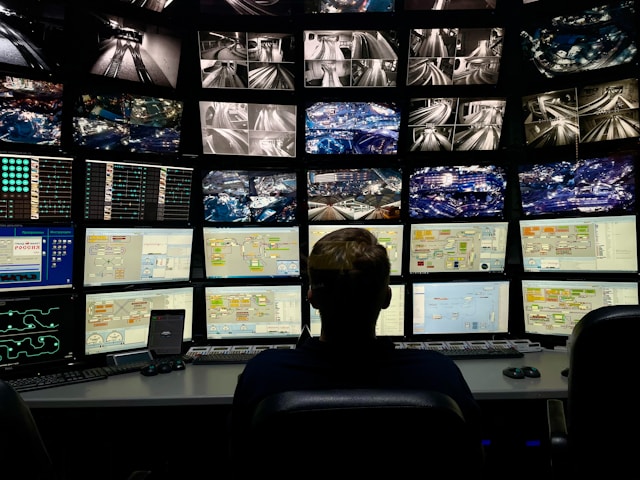
Running a retail store in Singapore involves juggling inventory, managing staff, and ensuring customers have a great shopping experience. You also have to protect your merchandise from theft and handle occasional disputes at the checkout counter. Retail shrinkage directly impacts your bottom line, making physical security an absolute priority for business owners across the island.
Installing a reliable CCTV system provides a highly effective solution to these challenges. High-definition cameras serve as a strong deterrent to potential shoplifters and give you a clear view of daily operations even when you are off-site. Advancements in video surveillance technology mean that modern systems are more capable and accessible than ever before, offering remote monitoring straight from your smartphone.
Understanding the costs associated with these systems helps you budget effectively and choose the right equipment. Prices vary significantly based on camera resolution, storage capacity, and whether you opt for basic recording or advanced features like artificial intelligence. This guide explains the true cost of installing a retail CCTV system in Singapore, explores the equipment options available, and outlines the local privacy laws you must follow.
Why Every Retail Shop Needs a CCTV System
A well-planned security network acts as the foundation of your retail risk management strategy. Investing in surveillance equipment yields returns that go far beyond simply catching criminals in the act.
Deter Shoplifting and Theft
Visible security cameras make potential shoplifters think twice before attempting to steal merchandise. When bad actors see dome cameras mounted on the ceiling or bullet cameras pointed at high-value aisles, they usually decide the risk of getting caught is too high. This proactive deterrence is often enough to significantly reduce stock loss over the course of a financial year.
Monitor Employee Productivity and Behavior
Business owners cannot be on the shop floor every hour of the day. A comprehensive surveillance system allows you to check in on your operations remotely. You can ensure that employees are following standard operating procedures, delivering quality customer service, and accurately handling cash register transactions. Knowing that cameras are present encourages staff to maintain professional standards and reduces the likelihood of internal theft.
Gather Crucial Evidence for Disputes
Customer disputes and workplace accidents occasionally happen in bustling retail environments. Video recordings provide an objective, unbiased account of events. If a customer claims they received incorrect change or suffered a slip-and-fall injury near the entrance, you can review the footage to see exactly what transpired. Clear video evidence also speeds up insurance claims and assists local authorities during official investigations.
Types of CCTV Cameras for Retail Stores
Choosing the right hardware for retail CCTV Singapore dictates both the performance of your system and the final invoice. Retailers generally choose between a few main categories of surveillance technology.
Analog vs. IP Cameras
Analog cameras transmit video over traditional coaxial cables to a Digital Video Recorder (DVR). These setups are generally more affordable, making them a popular choice for small businesses upgrading older systems without replacing existing wiring.
Internet Protocol (IP) cameras send digital video data over a network to a Network Video Recorder (NVR). IP systems offer superior image quality, better scalability, and advanced digital features. While the initial hardware costs more, the crisp video clarity makes it much easier to identify faces and read text on receipts.
Dome, Bullet, and Hidden Cameras
The physical shape of the camera influences where it should be installed. Dome cameras feature a sleek, unobtrusive design perfect for indoor retail ceilings. Their tinted glass housing makes it difficult for shoppers to see exactly where the lens is pointing.
Bullet cameras have a cylindrical shape and prominent housing, making them highly visible deterrents. They usually offer longer range and better weatherproofing, making them ideal for outdoor loading bays or storefront exteriors. Hidden cameras provide discreet monitoring in sensitive areas, though they must be used carefully to comply with local privacy regulations.
Advanced AI Features
Modern surveillance systems now offer artificial intelligence capabilities that transform raw video into actionable business intelligence. High-end retail setups might include heat-mapping to show which store aisles attract the most foot traffic. People-counting features help managers understand peak shopping hours and optimize staff scheduling. Upgrading to AI-powered cameras increases hardware costs but provides valuable marketing and operational data.
Breakdown of CCTV Installation Costs in Singapore
The total cost of securing your retail shop depends on the scale of your operation and the quality of the equipment. Hardware prices have become highly competitive in Singapore over recent years.
Basic Camera Packages
Most security providers in Singapore bundle cameras, recorders, and hard drives into convenient packages. A basic single-camera setup with a 2-Megapixel (2MP) analog camera and a 1-Terabyte (1TB) hard drive usually starts around SGD 475 to SGD 555.
For a standard shop floor, a 4-camera system is the most common starting point. A 4-camera 2MP analog setup typically costs between SGD 655 and SGD 980. If you upgrade to an IP network system with higher resolution 4-Megapixel cameras, a 4-camera package will range from SGD 1,035 to SGD 1,355. Systems featuring 5MP resolution offer excellent clarity and sit squarely in the middle of that pricing tier.
Storage and Hardware Upgrades
Video storage requires dedicated surveillance hard drives capable of continuous recording. A 1TB drive is standard for basic packages, but retail businesses often require longer retention periods. Upgrading your storage capacity adds to the final bill. Moving from a 1TB drive to a 2TB drive might cost an additional SGD 30. Upgrading to a massive 8TB drive can cost around SGD 300.
Labor and Professional Installation Fees
Professional installation ensures your cameras are optimally positioned, securely mounted, and properly networked. Installation complexity plays a massive role in labor costs. Running cables through complex false ceilings, drilling through thick concrete walls, or setting up a multi-story network takes time.
For a standard four-camera system, labor expenses typically range from SGD 400 to SGD 800. Package deals often include basic installation covering up to 15 meters of cabling per camera and mounting heights below 3 meters. If your retail space requires extensive conduit work or night-time installation to avoid disrupting shoppers, expect the labor fees to increase accordingly.
Navigating PDPA Compliance for Retail Surveillance
Installing cameras in a public-facing retail store means you are collecting personal data. The Personal Data Protection Commission (PDPC) in Singapore enforces strict rules under the Personal Data Protection Act (PDPA). Retailers must handle video footage responsibly to avoid hefty regulatory fines.
The Importance of Visible Signage
The PDPA requires organizations to notify individuals that they are being recorded. You must place clear, prominent notices at the entrances of your store and in areas where cameras are active. The signage should state that CCTV surveillance is in operation and briefly mention the purpose, such as for security and crime prevention.
Purpose Limitation and Consent
You are only permitted to use surveillance footage for the reasons stated on your signage. If you collect video to prevent shoplifting, you cannot suddenly use that footage for unrelated marketing campaigns without obtaining explicit consent from the individuals filmed. Furthermore, cameras should never be installed in areas where people expect a high degree of privacy, such as fitting rooms or restrooms.
You must also secure the recording equipment to prevent unauthorized access. The NVR or DVR should be locked in a secure cabinet or back office, and access to the video feeds must be restricted to authorized personnel using strong passwords.
Ongoing Maintenance and Support Expenses
A security system is not a set-and-forget investment. Regular maintenance keeps your cameras functioning perfectly and ensures you capture critical footage when an incident actually occurs.
Lenses accumulate dust, cables experience wear and tear, and hard drives eventually fail after years of continuous writing. Commercial maintenance contracts in Singapore can range from SGD 1,000 to SGD 5,000 annually for extensive systems, or roughly SGD 50 to SGD 200 per camera per year. Routine maintenance usually includes cleaning camera lenses, verifying recording integrity, applying firmware updates, and checking power supplies. Factoring these ongoing costs into your annual budget guarantees your system remains reliable long after the initial installation.
Frequently Asked Questions (FAQ)
How long do retailers need to keep CCTV footage?
There is no universal legal requirement dictating the exact number of days a retailer must retain footage. Most Singaporean businesses keep their recordings for 14 to 30 days. This provides a sufficient window to review footage if an incident is reported after the fact. Storing footage for longer periods requires significantly larger hard drives.
Can I install CCTV outside my retail store?
Yes, you can install cameras outside your store to monitor entrances and display windows. However, the cameras should primarily capture your own premises. You should avoid pointing cameras directly into neighboring shops or public areas where you have no legitimate security interest, as this may raise privacy concerns under the PDPA.
Are hidden cameras legal in retail environments?
Using hidden cameras requires extreme caution. The PDPA mandates that individuals must be notified of data collection. Overt cameras accompanied by clear signage are always recommended for general retail security. Hidden cameras are generally only acceptable under specific, temporary circumstances during targeted internal investigations of employee theft, and even then, legal counsel should be consulted first.
Does business insurance cover CCTV installation?
Insurance companies usually do not pay for the initial purchase and installation of security equipment. However, having a professionally installed CCTV system often lowers your commercial insurance premiums. Insurers view comprehensive security measures as a reduced risk profile, which translates to cost savings on your policy.
Secure Your Store with Confidence
Protecting your retail business from theft, resolving customer disputes efficiently, and ensuring operational excellence all require a reliable set of eyes on the shop floor. Modern CCTV systems deliver the clarity, reliability, and remote access necessary to manage a successful storefront in Singapore.
By carefully assessing your specific security requirements, you can select an equipment package that aligns with your budget. Whether you opt for a highly affordable analog setup or a sophisticated IP system with smart analytics, the investment ultimately pays for itself by reducing stock shrinkage and minimizing legal liabilities.
Take the time to consult with a licensed security provider who can assess your floor plan, recommend the ideal camera placements, and ensure your entire setup complies fully with Singapore’s data protection laws. Start exploring customized CCTV packages today and give yourself the peace of mind that comes with a truly secure retail environment.