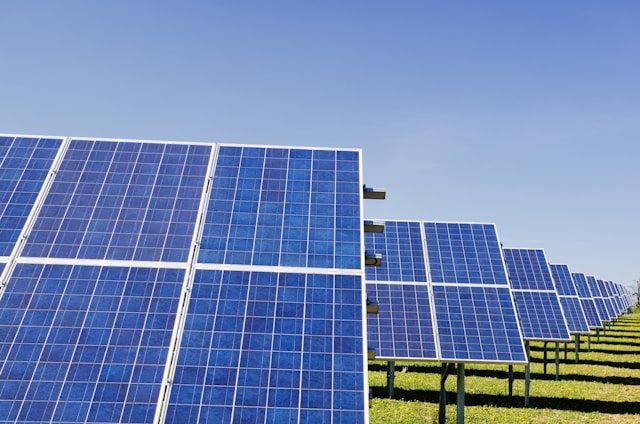
Switching to solar energy is a smart move for both your wallet and the planet. As energy costs rise and climate concerns grow, installing solar panels on your home seems like a clear win. While the thought of a DIY installation might be tempting for those looking to save some money upfront, this is one home improvement project where cutting corners can lead to significant problems.
Hiring a professional solar panel contractor is not just about convenience; it’s about ensuring safety, efficiency, and long-term value. A qualified contractor brings specialized knowledge, proper equipment, and crucial experience that a typical homeowner simply doesn’t have. They navigate the complexities of system design, electrical work, and local regulations, making sure your investment is sound and your home is safe.
This guide will walk you through the essential reasons why a solar panel contractor is a vital partner in your transition to renewable energy. We will cover the technical expertise required, the importance of adhering to safety standards, and the financial and legal benefits of having a professional manage your installation from start to finish. By the end, you’ll have a clear understanding of the risks associated with DIY solar projects and the peace of mind that comes with professional installation.
The Complexity of Solar Panel Installation
A solar installation is far more than just mounting panels on a roof. It’s a complex electrical project that involves designing a system tailored to your specific energy needs, integrating it with your home’s existing electrical grid, and ensuring every component works together flawlessly.
Custom System Design and Sizing
One of the most critical steps is designing a system that is the right size for your home. This isn’t a one-size-fits-all scenario. A professional solar panel contractor begins with a thorough energy audit, analyzing your past electricity bills and forecasting your future energy consumption. They consider factors like:
- Your Energy Goals: Are you aiming to offset 100% of your electricity use, or just reduce your monthly bill?
- Roof Characteristics: The size, angle, orientation, and shading of your roof all play a significant role in how much energy your panels can produce. A south-facing roof is ideal in the Northern Hemisphere, but contractors can design effective systems for east- or west-facing roofs as well.
- Local Climate: The amount of average daily sunlight (known as “peak sun hours”) in your specific location is a key variable in system sizing.
An improperly sized system can be a costly mistake. If it’s too small, you won’t generate enough power to meet your needs, leaving you disappointed with the savings. If it’s too large, you’ll overspend on equipment you don’t need, extending the time it takes to see a return on your investment. A contractor uses specialized software and years of experience to calculate the optimal system size, ensuring you get the most value for your money.
Intricate Electrical Work
Connecting solar panels to your home’s power supply is a job for a licensed electrician, not a weekend warrior. This process involves:
- Wiring: Panels are wired together in strings, which are then connected to an inverter. This wiring must be done according to precise electrical codes to prevent fire hazards and ensure system efficiency.
- Inverter Installation: The inverter is the heart of your solar system, converting the direct current (DC) electricity from the panels into the alternating current (AC) your home uses. It must be installed correctly and connected to your main electrical panel.
- Grid Interconnection: For grid-tied systems, the connection to your main service panel is a critical step. An improper connection can be dangerous, potentially back-feeding electricity into the grid during a power outage and endangering utility workers.
Solar contractors either are licensed electricians or have them on their team. They understand the nuances of high-voltage DC electricity, which behaves differently than the AC power in your home and carries significant risks if mishandled.
Safety Is Non-Negotiable
The risks involved in a DIY solar installation cannot be overstated. From the physical dangers of working on a roof to the electrical hazards of the system itself, this is a project where mistakes can have severe consequences.
The Risks of Working at Heights
Roofing work is inherently dangerous. Professional installers are trained in fall protection and use specialized safety equipment like harnesses, ropes, and scaffolding to minimize risks. A homeowner attempting a DIY installation without this training or gear is vulnerable to falls that can cause serious injury or death. Furthermore, contractors know how to move on a roof without causing damage to shingles or tiles, preventing future leaks.
Electrical Hazards
Solar panels can generate a live electrical current as soon as they are exposed to light. There is no “off” switch on a panel. This means you are dealing with live electrical components throughout the installation process.
- Electric Shock: Mishandling DC wiring can lead to severe electric shock.
- Arc Flashes: An arc flash is a type of electrical explosion that can occur when there’s a fault in the system, releasing a massive amount of energy, intense heat, and a pressure wave. This can cause fatal burns and other injuries.
- Fire Risk: Improper wiring, loose connections, or using the wrong components can create hot spots that lead to fires, endangering your home and family.
Solar contractors are trained to de-energize systems safely during installation and follow strict protocols to prevent these hazards. They use proper tools and protective equipment to ensure the safety of their crew and your property.
Navigating Permits, Inspections, and Rebates
The administrative side of a solar installation can be as daunting as the physical work. Every municipality has its own set of rules, and professional contractors are experts at navigating this bureaucracy.
Permitting and Code Compliance
Before any work can begin, you need a permit from your local building department. The permitting process typically requires detailed system diagrams, electrical plans, and structural assessments. These documents must comply with local building codes, electrical codes (like the National Electrical Code or NEC), and fire safety regulations.
A solar contractor handles this entire process for you. They know what local authorities require and can produce the professional plans needed for approval. Attempting to do this yourself without the right knowledge can lead to lengthy delays, rejected applications, and the frustration of having to redesign your system.
Passing Inspections
After the installation is complete, it must be inspected by both your local building inspector and your utility company.
- Local Inspection: The inspector will verify that the installation is structurally sound, meets all electrical codes, and is safe. If they find any issues, you will be required to fix them and schedule a re-inspection, causing delays and potential extra costs.
- Utility Inspection: Your utility company needs to approve the interconnection to the grid. They ensure the system has the proper safety features, like a rapid shutdown device, to protect their workers.
A reputable contractor guarantees that their work will pass these inspections. Their familiarity with inspectors and utility requirements streamlines the process, getting your system up and running much faster.
Maximizing Financial Incentives
Solar contractors are also well-versed in the available financial incentives, such as federal tax credits, state rebates, and local grants. They know which programs you qualify for and can handle the complex paperwork required to claim them. This expertise can save you thousands of dollars, significantly reducing the net cost of your system and improving your return on investment. Missing out on these incentives because of a paperwork error is a common pitfall for DIYers.
Warranties and Long-Term Support
A solar energy system is a long-term investment, typically designed to last 25 years or more. When you hire a professional contractor, you’re not just paying for the installation; you’re also investing in peace of mind and long-term support.
Manufacturer Warranties
Solar equipment manufacturers offer warranties on their products, but these warranties often come with a crucial stipulation: the equipment must be installed by a licensed professional. If you install the system yourself and a component fails, the manufacturer may void the warranty, leaving you to foot the bill for expensive replacements. A contractor ensures your installation meets the manufacturer’s specifications, keeping your warranties intact.
Workmanship Warranties
Reputable solar contractors stand by their work. They typically offer a workmanship warranty, which covers any issues that arise from the installation itself, such as roof leaks or faulty wiring. This warranty can last anywhere from 5 to 25 years. If a problem occurs, you have a professional to call who will come and fix it. With a DIY installation, you are solely responsible for any and all repairs.
Ongoing Maintenance and Support
While solar panels require minimal maintenance, issues can occasionally arise. A professional contractor can provide ongoing support, including system monitoring to ensure it’s performing optimally. If your energy production suddenly drops, they can diagnose and resolve the problem. This long-term partnership is invaluable for protecting your investment over the decades-long lifespan of the system.
Your Next Steps
The decision to go solar is an exciting one, promising a future of lower energy bills and a smaller carbon footprint. While the appeal of a DIY project is understandable, the complexities and risks associated with solar installation make it a job best left to the professionals.
A qualified solar contractor provides the technical expertise to design an efficient system, the training to install it safely, and the administrative know-how to handle all the necessary paperwork. They protect your investment with valid warranties and offer long-term support, ensuring your system performs reliably for years to come. Ultimately, hiring a professional isn’t an added expense—it’s an essential part of a successful and stress-free solar journey.
If you’re ready to explore solar energy for your home, the next step is to research and connect with reputable local contractors. Get multiple quotes, check their licenses and reviews, and choose a partner you can trust to guide you through the process.