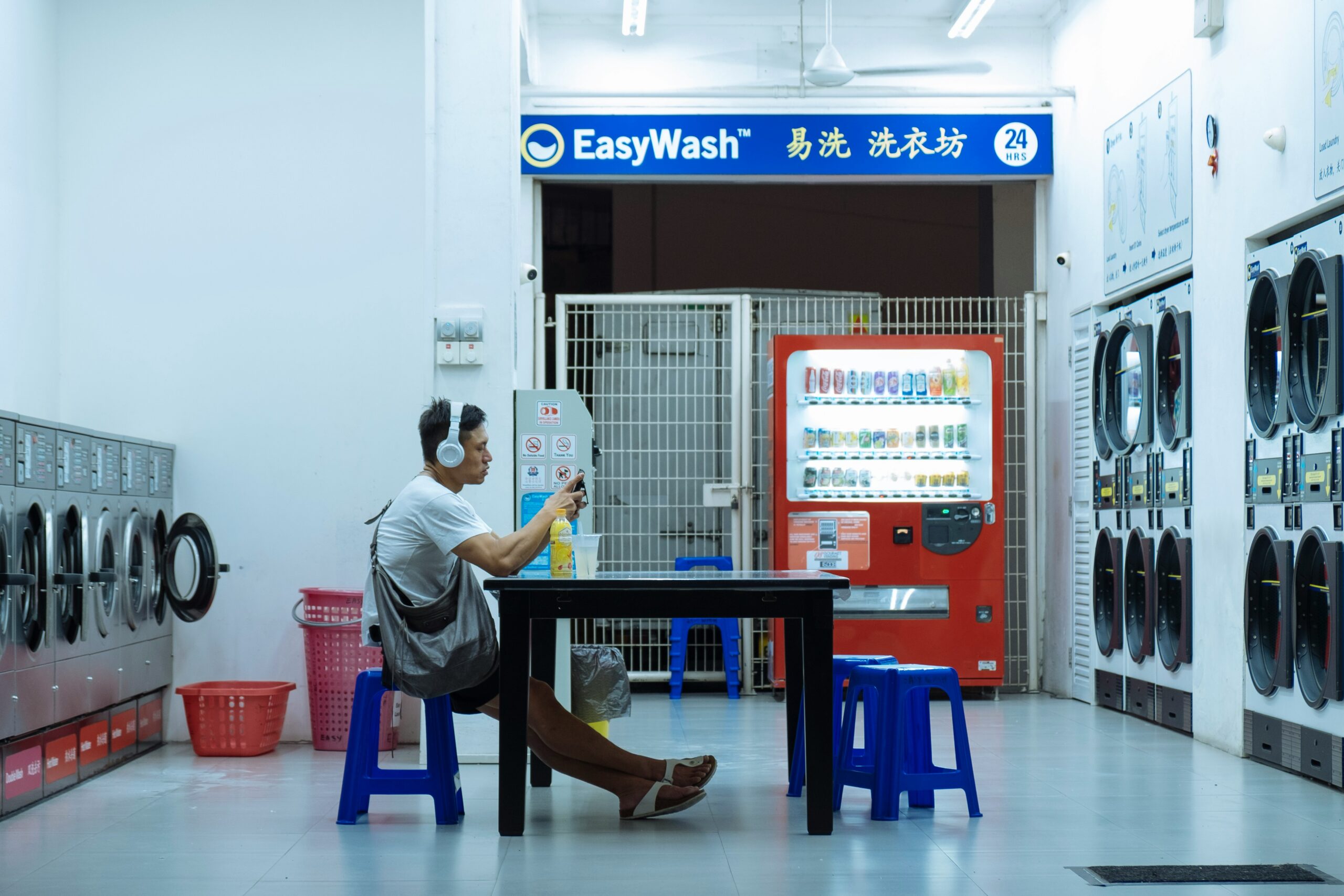
When you think about laundry, you probably picture your home washing machine or perhaps the local dry cleaner down the street. But behind the scenes of countless industries, there’s a massive network of specialized facilities handling enormous volumes of textiles daily. Industrial laundry services form the backbone of operations across healthcare, hospitality, food service, and manufacturing sectors—processing everything from hospital scrubs to restaurant linens with precision and scale that would make your home washer seem like a toy.
Understanding industrial laundry services becomes crucial whether you’re a business owner considering outsourcing your textile needs, a facility manager evaluating cost-effective solutions, or simply curious about how major industries keep their operations running smoothly. These services go far beyond basic washing and drying, incorporating advanced technology, strict hygiene protocols, and specialized treatments that ensure textiles meet industry-specific standards.
The industrial laundry sector represents a multi-billion dollar industry that touches nearly every aspect of commercial life. From the crisp sheets in your hotel room to the sanitized uniforms worn by healthcare workers, industrial laundry services maintain the cleanliness standards that modern society depends on. This comprehensive guide will explore what these services entail, how they operate, and why they’re essential for countless businesses worldwide.
Understanding Industrial Laundry Services
Industrial laundry services are large-scale commercial operations designed to clean, sanitize, and maintain textiles for businesses and institutions. Unlike residential laundry or even traditional commercial cleaners, these facilities operate on a massive scale, processing thousands of pounds of textiles daily using specialized equipment and procedures.
These services handle a diverse range of items including uniforms, linens, towels, mats, curtains, and specialized protective clothing. The key differentiator lies in their capacity to manage high volumes while maintaining consistent quality standards and meeting specific industry regulations.
Industrial laundries typically operate from large facilities equipped with commercial-grade washers, dryers, and finishing equipment. Many offer additional services such as pickup and delivery, inventory management, and even textile rental programs. The goal is to provide businesses with a complete textile management solution that allows them to focus on their core operations.
Types of Industrial Laundry Services
Healthcare Laundry Services
Healthcare facilities generate some of the most challenging laundry requirements in any industry. Hospital linens, surgical gowns, patient clothing, and staff uniforms must meet stringent sanitization standards to prevent healthcare-associated infections.
Healthcare laundry services use specialized washing protocols that include high-temperature washing, medical-grade disinfectants, and validated cleaning processes. These facilities often maintain accreditation from organizations like the Healthcare Laundry Accreditation Council (HLAC) to ensure compliance with infection control standards.
The complexity extends beyond basic cleaning. Healthcare textiles often require specific handling procedures for items contaminated with bodily fluids or infectious materials. Industrial laundries serving this sector maintain separate processing areas and follow strict contamination control protocols.
Hospitality Laundry Services
Hotels, restaurants, and other hospitality businesses rely on industrial laundry services to maintain their reputation for cleanliness and comfort. This sector involves processing bed linens, towels, tablecloths, napkins, and staff uniforms at volumes that would overwhelm in-house facilities.
Hospitality laundry services focus on appearance and feel alongside cleanliness. Linens must emerge crisp and wrinkle-free, towels need to maintain their absorbency and softness, and uniforms require professional pressing and finishing.
Many hospitality clients also require flexible scheduling to accommodate their operating hours. Industrial laundries serving this market often provide same-day or overnight service to ensure fresh linens are available when needed.
Industrial Uniform Services
Manufacturing, automotive, oil and gas, and other industrial sectors generate heavily soiled uniforms that require specialized cleaning techniques. These garments often contain grease, chemicals, or other substances that standard washing methods cannot adequately remove.
Industrial uniform services employ advanced cleaning technologies including specialized solvents, high-temperature processing, and multi-stage washing cycles. They also manage flame-resistant clothing that requires specific care to maintain its protective properties.
Beyond cleaning, these services often include uniform rental programs, where businesses lease uniforms rather than purchasing them outright. This approach includes regular replacement, sizing adjustments, and complete lifecycle management.
Food Service Laundry
Restaurants, cafeterias, and food processing facilities require laundry services that understand food safety regulations and cross-contamination prevention. Kitchen uniforms, aprons, towels, and linens must be cleaned to eliminate foodborne pathogens while maintaining their functionality.
Food service laundry often involves frequent washing cycles due to the nature of the work environment. Industrial laundries serving this sector provide rapid turnaround times and maintain inventory levels that ensure clean textiles are always available.
How Industrial Laundry Services Operate
Collection and Sorting
The industrial laundry process begins with systematic collection from client facilities. Many services provide scheduled pickup using specialized vehicles equipped with separate compartments for soiled and clean items to prevent cross-contamination.
Upon arrival at the laundry facility, items undergo detailed sorting based on fabric type, soil level, and cleaning requirements. This crucial step ensures that different textile categories receive appropriate treatment and prevents damage from incompatible processing methods.
Advanced facilities use automated sorting systems that can identify textile types and soil levels, improving efficiency and consistency. Bar coding and tracking systems monitor each item throughout the process, ensuring accountability and enabling quality control.
Washing and Treatment Processes
Industrial washing involves much more than scaled-up versions of home laundry. These facilities use computer-controlled washing systems that precisely manage water temperature, chemical concentrations, and cycle timing based on textile type and contamination level.
The washing process typically involves multiple stages including pre-treatment for stains, main washing cycles with appropriate detergents and sanitizers, and rinse cycles that remove all chemical residues. Water quality management systems ensure consistent results regardless of local water conditions.
Specialized treatments may include antimicrobial applications, soil-resistant finishes, or flame-retardant treatments. These value-added services help extend textile life and improve performance in demanding environments.
Drying and Finishing
Industrial drying systems are designed for efficiency and textile care. Large-capacity dryers with precise temperature and humidity controls prevent over-drying while ensuring complete moisture removal. Some facilities use tunnel finishers that combine drying with pressing for items like uniforms and bed linens.
Finishing processes vary by textile type and client requirements. Uniforms typically receive professional pressing and may include services like embroidery or logo application. Linens are folded to specific standards for easy handling and professional appearance.
Quality control checkpoints throughout the finishing process ensure that items meet client specifications before packaging and delivery.
Quality Control and Packaging
Industrial laundries maintain comprehensive quality control programs that monitor cleanliness standards, textile condition, and processing consistency. Many facilities use microbiological testing to verify sanitization effectiveness, particularly for healthcare clients.
Items that don’t meet quality standards are reprocessed or, if damaged beyond repair, removed from circulation. This quality management helps maintain client satisfaction and protects the industrial laundry’s reputation.
Packaging varies by client needs and may include individual wrapping, bulk packaging, or specialized containers that maintain cleanliness during transport and storage.
Benefits of Using Industrial Laundry Services
Cost Efficiency
Outsourcing laundry operations often provides significant cost savings compared to in-house processing. Businesses eliminate the need for expensive commercial laundry equipment, maintenance costs, and dedicated facility space.
Industrial laundries achieve economies of scale that individual businesses cannot match. They purchase chemicals and supplies in bulk, operate equipment at optimal capacity, and spread fixed costs across multiple clients.
Labor cost advantages are particularly significant. Industrial laundries employ specialized staff trained in efficient processing methods, eliminating the need for businesses to hire and train laundry personnel.
Expertise and Compliance
Industrial laundry services bring specialized knowledge of textile care, cleaning chemistry, and industry regulations. This expertise ensures that textiles receive appropriate treatment while meeting all applicable standards.
Compliance management becomes particularly valuable for regulated industries like healthcare and food service. Industrial laundries maintain current knowledge of changing regulations and adapt their processes accordingly.
Many industrial laundries hold certifications and accreditations that demonstrate their commitment to quality and compliance. These credentials provide assurance that textiles are processed according to industry best practices.
Reliability and Consistency
Professional laundry services provide predictable, consistent results that support business operations. Scheduled pickup and delivery services ensure that clean textiles are always available when needed.
Industrial laundries maintain backup systems and contingency plans that minimize service disruptions. This reliability is crucial for businesses that cannot afford interruptions in their textile supply.
Quality consistency eliminates the variations that often occur with in-house laundry operations. Professional processing ensures that textiles maintain their appearance and functionality throughout their service life.
Focus on Core Business
Outsourcing laundry operations allows businesses to concentrate their resources on revenue-generating activities. Management time and employee attention can be directed toward core competencies rather than ancillary functions.
This focus becomes particularly important for businesses experiencing growth or facing competitive pressures. Eliminating laundry management responsibilities frees up resources for strategic initiatives.
Choosing the Right Industrial Laundry Service
Assessing Your Needs
The first step in selecting an industrial laundry service involves thoroughly understanding your specific requirements. Consider the types of textiles you need processed, the volumes involved, and any special treatment requirements.
Evaluate your pickup and delivery needs, including frequency, timing, and location accessibility. Some businesses require daily service while others can accommodate weekly or bi-weekly schedules.
Determine any industry-specific requirements such as regulatory compliance, special handling procedures, or quality certifications. These requirements will significantly narrow your options and guide your selection process.
Evaluating Service Providers
Research potential providers’ experience in your industry and their track record with similar clients. Ask for references and follow up with current customers to understand their satisfaction levels and any challenges they’ve encountered.
Investigate the provider’s facilities, equipment, and quality control procedures. Modern, well-maintained facilities with current technology typically deliver better results and greater reliability.
Review the provider’s certifications, accreditations, and compliance history. This information indicates their commitment to quality and their ability to meet industry standards.
Understanding Pricing Models
Industrial laundry services use various pricing structures including per-piece pricing, weight-based pricing, and flat-rate programs. Understand how each model applies to your specific needs and volume requirements.
Consider the total cost of service including pickup and delivery charges, special handling fees, and any additional services you might need. Sometimes higher base rates include services that other providers charge separately.
Evaluate contract terms including minimum volume requirements, service level agreements, and cancellation provisions. Ensure that the agreement provides flexibility for your changing business needs.
The Future of Industrial Laundry Services
Technology Integration
The industrial laundry industry continues to embrace technological innovations that improve efficiency and service quality. Automated processing systems, artificial intelligence for quality control, and Internet of Things sensors for equipment monitoring are becoming increasingly common.
Digital tracking systems provide real-time visibility into the location and status of textiles throughout the processing cycle. This transparency helps businesses manage their inventory and plan operations more effectively.
Mobile applications and online portals streamline communication between clients and service providers, making it easier to schedule services, track orders, and manage accounts.
Sustainability Initiatives
Environmental considerations are driving significant changes in industrial laundry operations. Advanced water recycling systems, energy-efficient equipment, and biodegradable chemicals help reduce environmental impact.
Many industrial laundries are pursuing green certifications and implementing sustainability programs that appeal to environmentally conscious clients. These initiatives often result in operational cost savings alongside environmental benefits.
Textile lifecycle management programs help extend the useful life of garments and linens while ensuring proper disposal or recycling at end of life.
Making the Most of Industrial Laundry Services
Successful partnerships with industrial laundry services require clear communication and realistic expectations. Provide detailed information about your textile types, soil levels, and special requirements to ensure appropriate processing.
Establish clear service level agreements that define pickup schedules, quality standards, and performance metrics. Regular reviews of service performance help identify opportunities for improvement and ensure continued satisfaction.
Consider the full range of services available from your provider. Many industrial laundries offer value-added services like inventory management, textile replacement programs, and specialized treatments that can provide additional benefits.
Industrial laundry services represent a critical component of modern business operations across numerous industries. Their specialized capabilities, economies of scale, and professional expertise provide significant advantages over in-house alternatives. By understanding how these services operate and what they offer, businesses can make informed decisions that support their operational goals while controlling costs and maintaining quality standards.