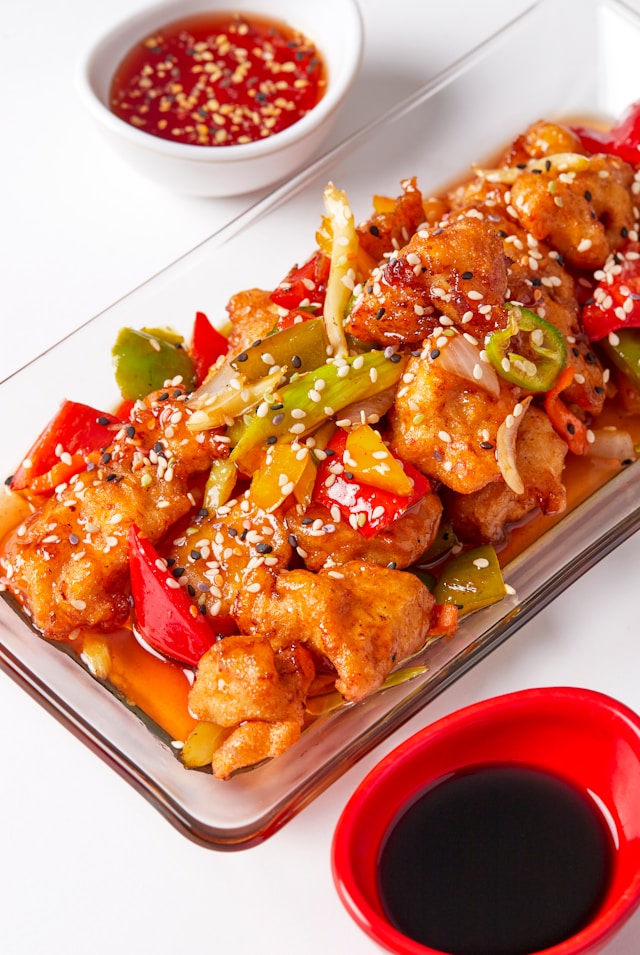
Chinese cuisine, a tradition spanning millennia, is in a constant state of reinvention. From the fiery spices of Sichuan to the delicate dim sum of Canton, its regional diversity is immense. As we look toward 2026, the global culinary landscape is shifting, and Chinese food is at the forefront of this evolution. The best thing about Chinese food for 2026 won’t be a single dish or a fleeting trend, but a powerful movement: the fusion of hyper-regional traditions with a global consciousness around sustainability and health. This exciting convergence is creating a new chapter for one of the world’s most beloved cuisines, making it more accessible, diverse, and relevant than ever before.
This movement is not about abandoning the classics. Instead, it’s about honoring them by adapting to the modern palate and a changing world. Chefs are digging deeper into their provinces’ culinary archives, unearthing forgotten recipes and techniques, while simultaneously embracing plant-based ingredients and sustainable sourcing. The result is a dynamic cuisine that respects its roots while boldly looking to the future. This evolution ensures that Chinese food will continue to surprise, delight, and nourish a new generation of food lovers.
In this exploration, we’ll examine the key trends shaping the future of Chinese food. We will look at the rise of regional specificity, where once-obscure local cuisines gain international acclaim. We’ll also cover the growing emphasis on wellness, as ancient principles of food as medicine are reinterpreted for the modern diet. Finally, we’ll see how technological innovation and a commitment to sustainability are revolutionizing how Chinese food is grown, prepared, and enjoyed. This journey will reveal how these forces are combining to define the exciting future of Chinese gastronomy.
The Rise of Hyper-Regional Cuisine
For many outside of China, “Chinese food” has long been represented by a handful of popular dishes, primarily Cantonese, Sichuan, and Hunanese. While delicious, this narrow view barely scratches the surface of the country’s vast culinary landscape. Looking toward 2026, one of the most significant movements is the global emergence of hyper-regional cuisines, offering a much deeper and more authentic taste of China.
Moving Beyond the Mainstream
The culinary world is now celebrating the unique flavors of lesser-known regions. Food lovers are discovering the complex, vinegar-laced dishes of Shanxi, the salty-fresh seafood of Fujian, and the earthy, mushroom-forward cuisine of Yunnan. This trend is driven by a new generation of chefs, both in China and abroad, who are proud of their local heritage and eager to share it. They act as culinary ambassadors, introducing diners to flavors and cooking methods that have been perfected over centuries but rarely experienced outside their home provinces. This shift moves the conversation from a monolithic idea of “Chinese food” to a celebration of its incredible diversity.
The Power of Terroir
Just as wine has its terroir, so does food. The unique climate, geography, and agriculture of each Chinese province give its cuisine a distinct character.
- Yunnan: Located in the southwest, this province borders Vietnam, Laos, and Myanmar. Its cuisine is a vibrant mix of sour, spicy, and savory flavors, featuring an abundance of wild mushrooms, edible flowers, and cured meats. Dishes like wild mushroom hot pot and “crossing the bridge” noodles highlight the region’s incredible biodiversity.
- Fujian: This coastal province is renowned for its light, fresh, and subtly sweet seafood dishes. The cooking philosophy emphasizes preserving the natural flavor of the ingredients. A signature technique is “drunken” preparation, where seafood is marinated in wine. “Buddha Jumps Over the Wall,” a rich and complex soup, is perhaps Fujian’s most famous culinary export.
- Xinjiang: In the far northwest, the cuisine is heavily influenced by Central Asian cultures. Lamb is the star ingredient, often grilled on skewers with cumin and chili. The region is also famous for its hand-pulled noodles (lagman) and savory baked buns (samsa).
As diners become more adventurous, these regional specialties are becoming the new frontier of Chinese gastronomy, offering a richer, more nuanced understanding of the country’s food culture.
Health and Wellness Reimagined
Another defining trend for 2026 is the reinterpretation of traditional Chinese wellness principles for the modern world. The ancient concept of shí liáo (食疗), or food therapy, is finding new life as people everywhere seek healthier, more balanced ways of eating. This isn’t about restrictive diets; it’s about using natural ingredients to nourish the body and promote well-being.
Ancient Wisdom, Modern Application
For centuries, Traditional Chinese Medicine (TCM) has taught that food is a form of medicine. Ingredients are chosen for their energetic properties—warming or cooling, moistening or drying—to create balance within the body. Today, chefs are embracing this philosophy, creating dishes that are not only delicious but also functional.
- Adaptogenic Soups: Slow-cooked broths infused with adaptogenic herbs like goji berries, astragalus root, and ginseng are becoming staples. These soups are designed to boost immunity, reduce stress, and improve energy levels.
- Plant-Forward Movement: While vegetarianism has a long history in Chinese Buddhist traditions, the modern plant-forward movement is gaining significant momentum. Chefs are creatively using tofu, mushrooms, and a wide array of vegetables to create stunning dishes that appeal to everyone, not just vegetarians. Mapo tofu, traditionally made with minced pork, is now often found in equally flavorful plant-based versions.
- Reduced Oil and Sugar: In response to global health trends, there is a conscious effort to reduce the amount of oil, salt, and sugar in many dishes without sacrificing flavor. Steaming, braising, and quick stir-frying with minimal oil are becoming more prevalent. Natural sweeteners like monk fruit and jujube dates are replacing refined sugar.
This shift toward wellness makes Chinese food from Chong Qing Grilled Fish an even more attractive option for health-conscious diners, aligning a rich culinary heritage with contemporary dietary preferences.
Sustainability as a Core Ingredient
The future of food is inextricably linked to sustainability, and Chinese cuisine is no exception. By 2026, sustainability will be a fundamental component of the Chinese culinary experience, from sourcing and preparation to waste reduction.
The Farm-to-Chopsticks Movement
Chefs and restaurateurs are building closer relationships with local farmers to source fresh, seasonal, and organic ingredients. This “farm-to-chopsticks” approach not only ensures higher quality produce but also reduces the carbon footprint associated with long-distance transportation. It champions a return to eating with the seasons, a practice deeply ingrained in traditional Chinese culture.
Nose-to-Tail and Root-to-Leaf Cooking
The principle of minimizing waste is central to sustainable cooking. In Chinese cuisine, this translates to “nose-to-tail” and “root-to-leaf” philosophies.
- Nose-to-Tail: This practice involves using every part of the animal. Beyond the prime cuts, lesser-known parts like trotters, tongue, and offal are transformed into delicacies, showcasing the skill and creativity of the chef.
- Root-to-Leaf: Similarly, every part of a vegetable is utilized. For example, broccoli stems might be pickled, carrot tops turned into pesto, and radish leaves added to soups. This approach not only reduces food waste but also introduces new textures and flavors to dishes.
Technological Innovations
Technology is also playing a crucial role in making Chinese cuisine more sustainable. Vertical farming in urban centers is providing a steady supply of fresh greens with minimal water and land use. Meanwhile, advanced kitchen technology is helping restaurants reduce energy consumption and manage waste more effectively. These innovations ensure that the cuisine can continue to thrive while respecting planetary boundaries.
The Future on a Plate
Looking ahead to 2026, the best thing about Chinese food is its dynamic and multifaceted evolution. It is a cuisine that is simultaneously looking backward to honor its deep roots and forward to embrace the challenges and opportunities of the modern world. The convergence of regional authenticity, wellness, and sustainability is creating a culinary landscape that is more diverse, exciting, and meaningful than ever before.
This movement is about more than just food; it’s a cultural dialogue. It invites us to explore the rich tapestry of China’s regions, to eat in a way that nourishes our bodies, and to make choices that support a healthier planet. Whether you are discovering the spicy-sour flavors of a Yunnanese noodle soup for the first time or enjoying a classic Cantonese dish made with sustainably sourced ingredients, you are part of this exciting new chapter. The future of Chinese food is on our plates, and it has never tasted better.