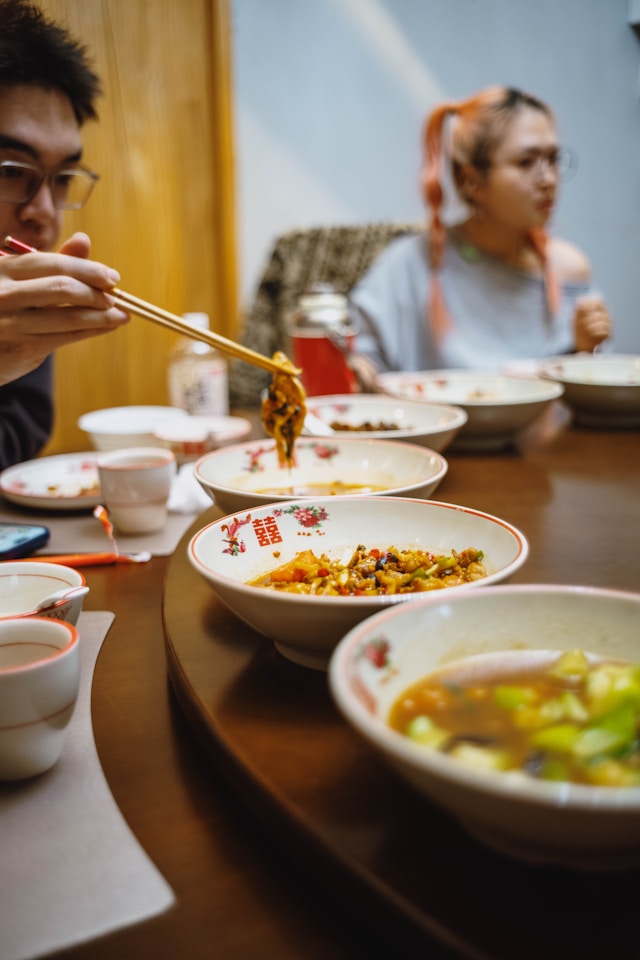
Navigating the dining scene can sometimes feel like a guessing game. You walk into a restaurant, look at the menu, and wonder if the prices align with the quality of the food. This challenge is especially prominent when evaluating Chinese cuisine. You can find a neighborhood spot serving generous portions for incredibly low prices, and you can also find upscale dining rooms charging premium rates for seemingly similar dishes.
Understanding the difference between a cheap takeout joint and a high-end culinary establishment requires a bit of knowledge. Chinese culinary traditions span thousands of years and encompass a massive geographical area. The techniques, ingredients, and presentations vary wildly from one province to the next.
When you pay a premium, you want to ensure you are funding skilled craftsmanship and high-quality ingredients. A higher price tag should reflect specialized cooking techniques, authentic sourcing, and a deep respect for regional flavor profiles. Unfortunately, some establishments simply elevate their prices to match a trendy zip code or flashy interior design.
This guide will help you understand exactly what to look for when evaluating Chinese restaurants. We will explore the markers of authentic quality, the warning signs of overpriced mediocrity, and the specific details that justify a higher bill. By the end, you will have the tools to make informed dining decisions and truly appreciate the value on your plate.
The Spectrum of Chinese Dining
To evaluate price, you first need to understand the vast landscape of this cuisine. Chinese food is not a monolith. It is a collection of distinct regional styles, each with its own philosophy regarding flavor, texture, and preparation.
Regional Complexity Matters
When evaluating a higher-priced restaurant, look for a specific regional focus. Establishments that try to offer every popular dish from across China often rely on pre-made sauces and frozen ingredients. Conversely, a restaurant focusing strictly on Sichuan, Cantonese, Hunan, or Shanghainese cuisine demonstrates a commitment to authenticity.
For example, authentic Sichuan food requires specific, high-quality peppercorns imported directly from the region to achieve the signature numbing sensation. Cantonese cooking places a massive emphasis on the absolute freshness of seafood, which inherently drives up the cost. If a restaurant clearly defines its regional identity and executes it well, the higher price is often justified by the specialized knowledge and ingredient sourcing required.
The Ingredient Factor
High-quality Chinese cooking at Spring Court relies heavily on premium ingredients. A cheap takeout spot might use standard factory-farmed chicken and generic vegetables. A higher-end establishment will often source free-range poultry, fresh local produce, and specialized imported dry goods.
Consider dishes that utilize dried scallops, sea cucumber, or high-grade mushrooms. These items are expensive to procure and require painstaking preparation processes, sometimes taking days to rehydrate and flavor properly. When you see these items on a menu, the elevated price reflects both the raw material cost and the intensive labor required to prepare them.
Telltale Signs of a High-Quality Chinese Restaurant
You can often gauge the quality of a restaurant before you even take your first bite. Pay attention to the subtle cues in the environment, the menu, and the execution of the dishes.
The Menu Speaks Volumes
A massive menu resembling a phone book can be a warning sign, though there are exceptions in very large banquet halls. Generally, a concise menu featuring seasonal specialties indicates a kitchen focused on quality control.
Look for seasonal vegetables. A restaurant that updates its offerings based on what is fresh at the local market shows a dedication to culinary excellence. Items like pea shoots, water spinach, and Chinese broccoli should be vibrant, crisp, and cooked to order.
Technique and Execution
One of the most critical elements of Chinese wok cooking is “wok hei,” which translates to the “breath of the wok.” This refers to the complex, smoky flavor imparted by cooking fresh ingredients over extreme heat. Achieving true wok hei requires expensive commercial burners and immense skill from the chef. If your stir-fried noodles or rice dishes carry this distinct, slightly charred aroma without being burnt, you are experiencing high-level culinary technique that justifies a higher price.
Knife skills are another indicator of quality. In dishes like shredded pork or julienned vegetables, the cuts should be remarkably uniform. Uniformity ensures even cooking and a pleasing texture. This level of precision takes years to master and is a hallmark of a properly trained chef.
The Clientele
Take a look around the dining room. A restaurant heavily frequented by expatriates or multi-generational families from the local Chinese community is often a strong indicator of authentic, high-quality food. People who grew up eating a specific regional cuisine are the harshest critics and will not pay a premium for subpar representation of their cultural dishes.
Red Flags That Signal Overpricing
Just as there are signs of quality, there are clear indicators that a restaurant might be overcharging for a mediocre experience.
Masking Poor Ingredients
A heavy reliance on thick, overly sweet, or excessively starchy sauces can be a mechanism to hide low-quality meats and vegetables. While sweet and sour flavor profiles are authentic to certain regions, the sauces should be balanced and vibrant, not cloying or artificial in color. If every dish on your table tastes primarily of sugar and cornstarch, the restaurant is likely cutting corners.
The Decor vs. Food Quality Trap
We all appreciate a beautifully designed dining room. However, some restaurants invest heavily in flashy decor, expensive lighting, and trendy music to distract from average food. If you find yourself paying $35 for a basic plate of fried rice simply because the restaurant has a resident DJ and neon signs, you are paying for the atmosphere, not the culinary expertise. Always ensure the quality of the food matches the ambition of the interior design.
How to Maximize Your Experience and Value
To truly get the most out of your money at a Chinese restaurant, you need to know how to navigate the ordering process.
Order Family Style
Chinese cuisine is fundamentally designed to be shared. Ordering “family style” allows your group to sample a wider variety of flavors and textures, balancing rich meats with light vegetables and comforting starches. This communal approach not only provides a better culinary experience but also dilutes the cost per person, making higher-priced items more accessible.
Seek Out Signature Dishes
Ask the serving staff what the chef is known for or what dishes are most popular with regular guests. Sometimes, the best items are not clearly highlighted on the English menu. Taking a chance on a specialized regional dish, such as a whole steamed fish or a complex braised pork belly, will give you a much better understanding of the kitchen’s capabilities than ordering a standard plate of lo mein.
Frequently Asked Questions (FAQ)
Is a high price a guarantee of authentic Chinese food?
No. Price is just one metric. While authentic ingredients and skilled chefs cost money, some restaurants artificially inflate prices based on location or trendy marketing. Always look for markers of technique, such as wok hei, and a focused regional menu.
Why do some Chinese restaurants charge so much for vegetable dishes?
High-quality, fresh Chinese vegetables like snow pea shoots (dou miao) or gai lan are often expensive to source. Furthermore, cooking them perfectly—maintaining their crunch while ensuring they are thoroughly cooked and seasoned—requires significant skill and high heat.
How can I tell if the seafood is fresh?
If you order a whole fish, the meat should flake easily away from the bone, and the eyes should be clear, not cloudy. For shrimp and scallops, the texture should be snappy and firm, never mushy. Many premium Chinese restaurants keep live seafood in tanks to guarantee absolute freshness.
Should I avoid restaurants with large menus?
Not necessarily. Traditional Cantonese banquet halls often have extensive menus to cater to large groups and diverse tastes. However, if a small neighborhood spot has a menu of 300 items spanning five different Asian cuisines, it is highly likely they are using frozen, pre-packaged ingredients.
Make Your Next Dining Choice Count
Evaluating the true value of a Chinese restaurant requires looking past the final number on the bill. It requires an appreciation for the sourcing of ingredients, the years of training required to master wok cooking, and the deep cultural history embedded in regional recipes.
Next time you are deciding where to dine, use these guidelines to assess the menu and the atmosphere. Seek out establishments that prioritize technique and authenticity over flashy marketing. By supporting restaurants that honor culinary traditions and execute them with care, you ensure that every dollar spent is a worthwhile investment in a spectacular meal.