Category: What’s Hot

  • Why People Prefer to Buy Ho Chi Minh Real Estate

    Why People Prefer to Buy Ho Chi Minh Real Estate

    Ho Chi Minh City, formerly known as Saigon, has become a hotspot for real estate investors and overseas buyers alike. With its rapidly growing economy, modern infrastructure, and vibrant culture, it’s no surprise that the city’s real estate market is booming. But what makes the buy Ho Chi Minh real estate option so desirable? This blog will explore the reasons behind the growing demand for real estate in one of Vietnam’s most dynamic cities.

    Economic Growth Driving Property Demand

    Ho Chi Minh City’s booming economy is a significant factor enticing real estate buyers. The city serves as Vietnam’s economic hub, accounting for nearly a quarter of the country’s GDP. Home to large multinational corporations and thriving industries such as technology, manufacturing, and finance, the city attracts a mix of expatriates, professionals, and business owners.

    The city’s rising middle class and increasing disposable income have fueled demand for modern housing, making it a prime market for investors. Many see real estate in Ho Chi Minh City as a lucrative investment, with property values expected to appreciate alongside the economy.

    Supporting Data

    • According to the Global Property Guide, property prices in Vietnam have seen steady growth, with Ho Chi Minh City leading the trend.
    • The city’s GDP growth was approximately 7.6% in recent years, surpassing many regional counterparts.

    Affordable Pricing Compared to Regional Markets

    Another reason Ho Chi Minh real estate is so attractive is its affordability when compared to other major cities in Asia. While cities like Singapore, Bangkok, or Hong Kong feature exorbitant property prices, Ho Chi Minh offers comparatively lower property costs without compromising on amenities or lifestyle.

    This affordability appeals not only to local buyers but also to foreign investors who are priced out of other Asian real estate markets. Many are drawn to the opportunity to own prime real estate in a growing urban landscape, without the hefty price tag of more developed markets.

    Example

    For instance, a modern condo in Ho Chi Minh City can cost around $3,000 to $5,000 per square meter, whereas in cities like Singapore, similar properties can reach up to $20,000 per square meter.

    Favorable Investment Policies

    Vietnam has recently relaxed its real estate ownership policies, making the market more accessible to foreign buyers. Under the Housing Law introduced in 2015, foreigners can own apartments and lease land for up to 50 years. Additionally, expatriates are allowed to purchase up to 30% of the units in a residential condominium project, further opening up opportunities for overseas investors.

    These investor-friendly policies have not only improved market transparency but have also strengthened trust among international buyers. The relative ease of doing business and engaging in property transactions contributes significantly to the market’s appeal.

    A Modern and Diverse Lifestyle

    Ho Chi Minh City effortlessly blends tradition with modernity. Its vibrant culture, world-class dining, and entertainment options make it a desirable place to live. The city offers a unique mix of old-world charm in areas like District 1, home to historical landmarks, and ultra-modern neighborhoods such as District 2 and District 7, known for their high-end condos and luxury villas.

    Key Lifestyle Benefits

    1. Modern Amenities: Many residential projects come with state-of-the-art facilities, including gyms, pools, schools, and shopping centers.
    2. Cultural Richness: The city offers a dynamic cultural scene, from art galleries and museums to bustling markets and street food.
    3. Expatriate Communities: Districts like Thao Dien in District 2 have thriving expatriate communities, making the city welcoming to foreigners.

    High Rental Yield

    For investors, the potential for high rental yields in Ho Chi Minh City is another significant draw. The influx of expatriates and young professionals looking for quality housing has created a robust rental market. Properties in desirable areas often yield as much as 6–8% annually, outperforming many other real estate investments in the region.

    This makes Ho Chi Minh not only an appealing market for home-buyers but also a highly lucrative option for those looking to generate rental income.

    Popular Areas for Rental Investment

    • District 1: Known for bustling nightlife and central location.
    • District 2 (Thao Dien): Popular among expatriates looking for modern housing.
    • District 7 (Phu My Hung): Home to upscale residential communities and highly desirable for families.

    Infrastructure Development

    The rapid pace of infrastructure development in Ho Chi Minh City cannot be ignored. Large-scale projects, such as the Metro Line 1, are transforming the city into a more connected and accessible urban center. Improved transportation networks reduce commuting times, thus enhancing the appeal of key districts.

    Current Projects Transforming Real Estate

    • Metro Line 1 (to be operational by 2024): Connecting District 1 to surrounding suburbs like District 2 and beyond.
    • Thu Thiem New Urban Area: A long-term project creating a financial and residential hub modeled after Pudong in Shanghai.

    These developments are reshaping both the cityscape and property values, with buyers eager to invest in areas poised for growth.

    Challenges in the Ho Chi Minh City Real Estate Market

    While the market is undoubtedly appealing, there are challenges to consider. Issues such as air pollution, potential bureaucratic hurdles, and periodic market volatility can pose risks for buyers and investors. However, many believe the long-term growth prospects outweigh these concerns.

    It’s essential to work with reputable agents or firms and thoroughly research any property before committing.

    Why Now is the Time to Invest in Ho Chi Minh Real Estate

    With a blend of economic growth, affordable pricing, favorable investment policies, and modern lifestyle prospects, Ho Chi Minh City’s real estate market holds tremendous potential. Whether you’re looking to buy a home or expand your investment portfolio, the city’s evolving market ensures opportunities for everyone thanks to Property Pulse.

    Now is the ideal moment to make your move, as infrastructural advancements and economic growth continue to drive property values upward. For buyers seeking a high-growth market with plentiful options, Ho Chi Minh is undoubtedly a rising star in Asia.

  • 15 Reasons to Invest Manila Property

    15 Reasons to Invest Manila Property

    Manila, the heart of the Philippines, is more than just a bustling metropolis steeped in history and culture. It’s also one of the fastest-growing property investment hotspots in Southeast Asia. Whether you’re a real estate investor, an expatriate, or someone looking to build a solid portfolio, investing in Manila properties offers a plethora of advantages.

    From its booming economy to its thriving cultural scene, this guide will show you why Manila deserves a spot on your property investment radar. Here are 15 compelling reasons to consider Manila for your next investment move.

    1. Strategic Location in Southeast Asia

    Manila’s location makes it a key economic and cultural gateway within Southeast Asia. The city is well-connected to other major hubs such as Singapore, Hong Kong, and Kuala Lumpur. Manila’s accessibility enhances its business prospects, making it a top choice for global companies and real estate investors alike.

    2. Booming Economy and Growth Potential

    The Philippines has consistently experienced impressive GDP growth, and Manila is its economic engine. Rapid industrialization, an increasing influx of foreign investments, and robust domestic consumption make it an attractive area for real estate investments. Properties in Manila benefit from the city’s rising prosperity and continued expansion.

    3. Growing Tech and BPO Sector

    Manila is at the forefront of the Philippines’ booming Business Process Outsourcing (BPO) industry. The BPO sector continues to fuel the city’s demand for both residential and commercial properties as thousands of professionals relocate to the area for work annually.

    4. Affordable Property Prices

    Compared to other global cities like Tokyo, Singapore, or Hong Kong, Manila offers relatively affordable real estate prices. This allows investors to enter the market at a lower cost while enjoying substantial appreciation over time.

    5. Attractive Rental Yields

    Manila’s properties are known for offering higher rental yields compared to other key cities in Asia. Rental demand remains strong due to its growing workforce and expat community, providing steady income streams for investors.

    6. Infrastructure Development Projects

    Manila’s skyline is rapidly evolving, thanks to massive infrastructure projects such as airports, bridges, railways, and expressways. The “Build, Build, Build” initiative is positioning Manila as a more globally competitive city, boosting both invest Manila property values and investor confidence.

    Key Projects:

    • Metro Manila Subway Project
    • North-South Commuter Railway System
    • Makati Subway

    7. Growing Population and Urbanization

    The population of Metro Manila is consistently growing, with people flocking to the city for better job opportunities and access to amenities. This population boom creates a sustained demand for residential properties, ensuring long-term investment potential.

    8. Tourism and Hospitality Opportunities

    Manila is not just a city for business—it’s also a vibrant tourist destination. Historical landmarks like Intramuros, Rizal Park, and modern attractions keep visitors coming. This makes Manila a great spot for short-term rental properties, such as Airbnb investments.

    9. Expat-Friendly Environment

    Manila has become a hub for expatriates in Southeast Asia. With its welcoming culture, diverse community, and English as one of its official languages, expats find it easy to live and work in the city. This expat-friendly environment drives demand for high-quality residential properties.

    10. Strong Overseas Filipino Market

    Overseas Filipino Workers (OFWs) are a major factor in Manila’s property market. Their remittances often fund real estate purchases in Manila, either as an investment or a home for their families. This steady inflow of cash contributes to sustained demand and price stability.

    11. Flexible Ownership Opportunities

    While foreign nationals face certain restrictions when it comes to owning land in the Philippines, they can still own condominiums outright. Developers in Manila offer a wide range of condo options tailored to the needs of both foreigners and locals, making it easy to invest legally.

    12. Thriving Cultural Scene

    Manila’s rich culture is reflected in its art galleries, gastronomic scene, and dynamic festivals. Vibrant city life ensures a steady influx of investors looking for properties that offer proximity to these attractions.

    13. Steady Economic Recovery

    Despite challenges posed by recent global events, Manila has shown strong resilience and economic recovery. This bolsters investor confidence and suggests continued growth in property values over the next few years.

    14. Proximity to Nature and Beaches

    Manila offers the perfect mix of city life and nature. Nearby provinces like Batangas, Laguna, and Zambales are home to pristine beaches and eco-tourism destinations, making Manila an attractive base for residents and investors.

    15. Future Growth in Property Appreciation

    Market trends suggest that Manila’s property prices are set for further appreciation over the next decade. Early investments in strategically located properties are likely to yield significant long-term capital gains.

    Countless Opportunities Await in Manila

    Manila’s real estate market presents a golden opportunity for investors looking to tap into one of Asia’s most promising economies. Its combination of affordable prices, rising demand, and sustained growth makes it an ideal choice for property investment.

    Whether you’re investing in a sleek condo in Bonifacio Global City (BGC) or buying a rental property in Makati, there’s no better time to enter Manila’s property market than now. Take advantage of this high-growth potential and enjoy the rewards it brings.

    Interested in exploring available properties in Manila? Start your investment journey today by connecting with local experts from Property Pulse or browsing the latest listings. With such incredible upside, there’s no time like the present to make your move!

  • 12 Secrets of Cheap Website Making

    12 Secrets of Cheap Website Making

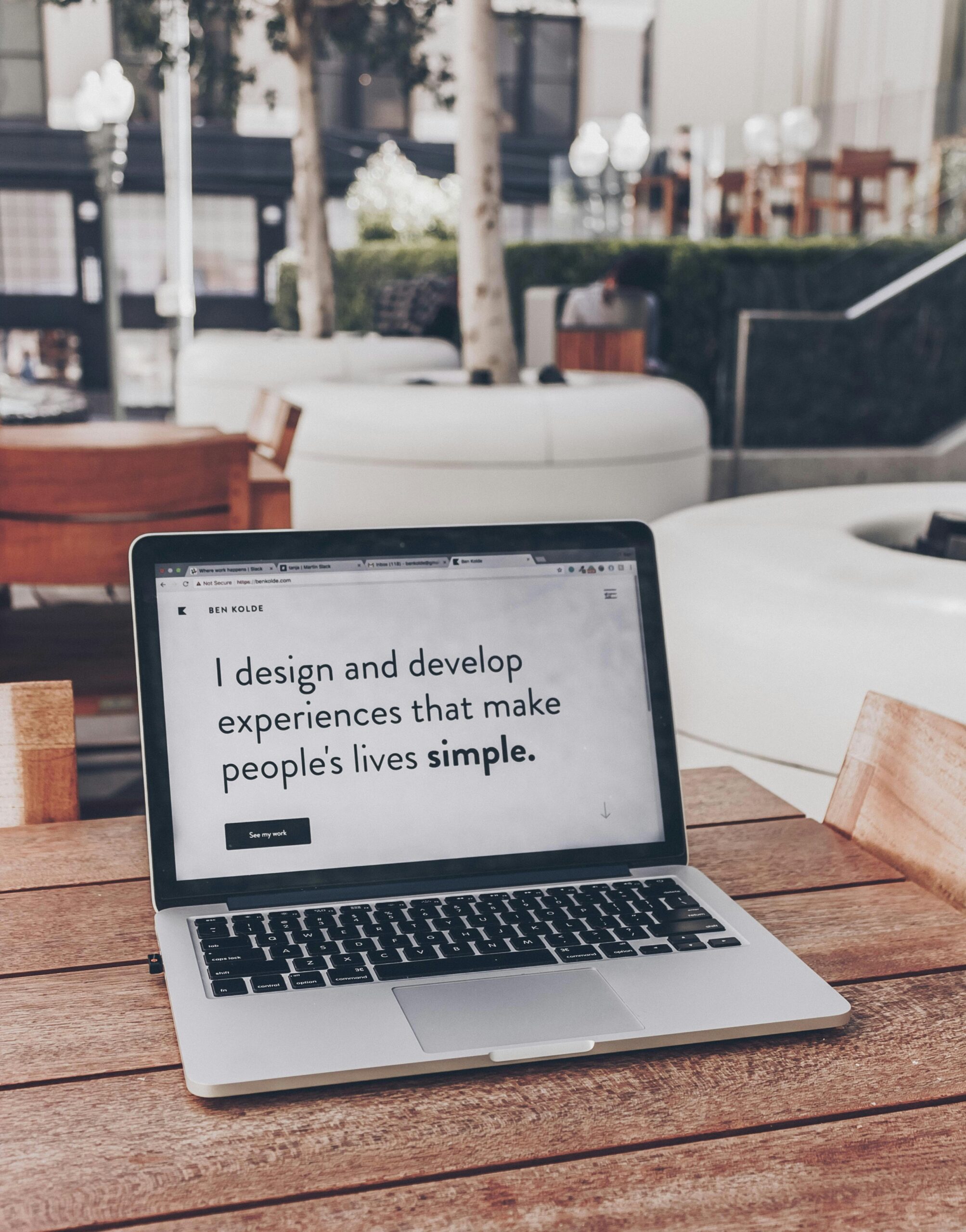
    Building a website is no longer a luxury—it’s a necessity. Whether you’re an entrepreneur launching a business, a freelancer showcasing your portfolio, or a non-profit looking to grow, having an online presence gives you credibility and reach. But here’s the catch: websites can be expensive, right?

    Not necessarily. With the right tools, strategies, and a little know-how, you can build a professional website without breaking the bank. This post reveals 12 secrets to creating a budget-friendly website that still looks and performs like a pro.

    Why Build a Budget-Friendly Website?

    The idea that a great website costs thousands of dollars or requires a professional developer is outdated. Modern web builders and tools have made it easier—and cheaper—than ever for anyone to create a stunning site. Here’s what you’ll gain by building it budget-friendly:

    • Cost Savings: Use your money for other important areas like marketing or product development.
    • Flexibility: Get control over your website without having to rely on expensive developers for every minor update.
    • Customization: Design your website just the way you like it, affordably.

    Now, let’s break down the secrets you need to know!

    1. Start with a Free or Affordable Website Builder

    Website builders like WordPress, Wix, and Squarespace allow you to build professional websites without web development skills. Most offer free plans with basic features—perfect for a simple site. Consider upgrading to their paid plan only if you need extra features like custom domains or e-commerce options.

    Pro Tip: Use WordPress.org for maximum flexibility—it’s free, but you’ll need to pay for hosting (more on that later).

    2. Choose Budget-Friendly Hosting

    If you decide to use WordPress.org or another platform that requires hosting, opt for affordable hosting providers. Companies like Bluehost, SiteGround, and HostGator offer excellent plans starting as low as $2.95/month. Many even include a free domain for the first year.

    Watch Out For: Renewal fees. Hosting providers often offer low introductory prices, but read the fine print so you’re prepared for upcoming costs.

    3. Use a Free Website Theme

    Skip custom-coded themes, which are costly and complex, and instead use free or freemium themes from name-brand providers. Platforms like WordPress offer thousands of free themes for blogs, portfolios, online stores, and more.

    Look for themes that are:

    • Mobile-friendly
    • SEO-optimized
    • Customizable without coding

    Time-Saving Secret: Stick with popular themes that have high ratings and active support. Popular options include Astra, Neve, and OceanWP.

    4. Leverage Free Stock Photos

    Great visuals are essential for a professional-looking website, but you don’t need to splurge on pricey photographers or subscriptions. Websites like Unsplash, Pexels, and Pixabay offer free high-quality stock photos across various niches.

    DIY Option: If you own a good smartphone, experiment with taking your photos for a unique, personal touch.

    5. Take Advantage of Free Plugins

    Boost your website’s functionality without spending a dime by using free plugins. From SEO optimization to contact forms, there are plugins for nearly every feature you might need.

    Here are some must-have free plugins for WordPress:

    • Yoast SEO or Rank Math (SEO optimization)
    • Contact Form 7 (simple forms)
    • Smush (image compression)

    Remember not to overdo it, though, as installing too many plugins can slow down your site.

    6. Write Your Own Copy

    Hiring professional copywriters can quickly overpower your budget. Instead, spend some time writing your own copy. Keep these rules in mind:

    • Write conversationally—it builds trust.
    • Focus on your target audience and their needs.
    • Use tools like Grammarly to polish your grammar and spelling.

    If you’re truly stuck with writing, services like Jasper or Outwrite can help generate well-written content at a fraction of the cost of hiring a writer.

    7. DIY Logo Design

    Can’t afford a graphic designer? No problem! Websites like Canva and Looka make designing a logo simple and free (or nearly free if you use their paid templates). Just plug in your business name, select a style, and customize it to your preference.

    Pro Tip: Keep it clean and minimal—overly complex logos are harder to remember and costlier to print on merchandise.

    8. Compress Your Images

    Large, unoptimized images can slow your cheap website making tremendously, ruining the user experience and impacting your SEO. Use free tools like TinyPNG or ImageOptim to compress images without sacrificing quality.

    This not only speeds up your site but also reduces hosting costs by saving storage space.

    9. Learn Basic SEO

    A beautiful website is meaningless if no one can find it. Learning some basic SEO ensures your site ranks higher on Google without paying for professional SEO services.

    Here are a few beginner-friendly tips:

    • Use keywords naturally in your headings, meta tags, and descriptions.
    • Write clear, helpful content that answers common search questions.
    • Set up Google My Business if you’re a local business.

    Many free tools, like Google Analytics and Google Search Console, can help track your SEO progress.

    10. Set Up Free Analytics

    Speaking of Google Analytics, you should always monitor your site’s performance. This free tool tracks page views, user behavior, and other key metrics that help you optimize your website over time.

    Best part? You don’t need a big marketing team to use it—Google offers tutorials and guides on getting started.

    11. Offer Value-Driven Content

    To grow your audience and keep visitors coming back, invest time in creating value-driven content like blogs, e-books, or how-to guides. Tools like Medium or Substack are free platforms to showcase your expertise, while blogging directly on your website boosts traffic.

    Budget Bonus: Use free writing tools or influencers in your niche to co-create content.

    12. Automate Where You Can

    Automation doesn’t have to be expensive—it can save you significant time (and money). Platforms such as HubSpot, Zapier, or Mailchimp often offer free tiers for small businesses. Use these tools for:

    • Automating email responses
    • Managing customer inquiries
    • Scheduling social media posts

    Time Tip: Use automation strategically—it shouldn’t feel impersonal to your audience.

    Build a Website You’re Proud Of

    Building a professional-looking, functional website doesn’t have to be complicated or costly. By following these 12 budget-friendly secrets, you can efficiently set up your online presence without compromising on quality.

    Whether you’re creating a portfolio, launching a business, or simply showcasing your creativity, the tools and tips here provide a strong foundation to help you shine.

    Now, it’s your turn—what’s stopping you from starting today? Go ahead and discover how simple, budget-friendly website creation at Huat Designs can be.

  • 12 Must-Dos for Every Office Interior Designer

    12 Must-Dos for Every Office Interior Designer

    Designing an office space is about more than just picking furniture and choosing a color scheme. It’s about striking a perfect balance between functionality, creativity, and comfort. The modern workspace is evolving rapidly, with businesses prioritizing not just productivity but also employee satisfaction and well-being.

    For an office interior designer specializing in office design, understanding these priorities is crucial to crafting spaces that inspire and deliver tangible results. Whether you’re designing for a sleek tech startup or a sprawling corporate headquarters, these 12 must-dos will elevate your next project.

    1. Understand the Company’s Brand and Culture

    Before picking out a single chair or paint swatch, take the time to understand the company. What are their values? What’s their mission? Your design should reflect their personality and align with their culture to create an environment that resonates with employees and visitors alike.

    For example:

    • A tech company may benefit from an open, collaborative layout.
    • A law firm might lean toward a traditional, formal design.

    Understanding the company will guide every decision you make, from desk arrangements to wall decor.

    2. Prioritize Ergonomics

    With employees spending hours at their desks, ergonomic furniture has become a non-negotiable. Provide adjustable chairs, sit-to-stand desks, and monitor stands to reduce strain and improve posture. Not only does this enhance comfort, but it also contributes to productivity and overall well-being.

    A report by the Journal of Occupational Health Psychology revealed that ergonomically designed workspaces can improve employee performance by up to 17%.

    3. Optimize for Natural Light

    Natural light has a profound impact on mood and productivity. A study from Northwestern Medicine found that workers in offices with windows got 173% more white light exposure during the day and slept an average of 46 minutes longer per night compared to those without windows.

    Design with large windows, skylights, and glass partitions to make the most of available sunlight. Avoid heavy drapes or furniture that obstructs light sources.

    4. Blend Functionality with Aesthetics

    An office should be visually appealing but practical. Choose materials, furniture, and layouts that complement each other while meeting the needs of the workspace. For example, opt for stain-resistant upholstery in areas prone to spills and scuffs, or implement acoustic panels in open-plan spaces to minimize noise.

    5. Future-Proof Your Design

    The modern office needs to adapt and grow with the business. Incorporate modular furniture and flexible layouts to accommodate changes. Ensure that meeting rooms can be easily reconfigured, and include plenty of power outlets and cord management options for evolving tech needs.

    Pro tip: Movable partitions and multi-use furniture can work wonders in dynamic office environments.

    6. Design with Sustainability in Mind

    Green design isn’t just a trend—it’s the future. Incorporate eco-friendly materials like reclaimed wood, recycled steel, and low-VOC (volatile organic compounds) paints. Add indoor plants to improve air quality and design for energy efficiency by leveraging LED lighting and smart HVAC systems.

    Offices that champion sustainability often become more attractive to environmentally conscious talent and clients.

    7. Create Spaces for Collaboration

    Collaboration is key in the modern workplace. Include breakout areas, team meeting zones, and open workstations designed for brainstorming and group discussions. These should be easy to access and equipped with tools like writable walls, screens, or monitors to facilitate productivity.

    Tip: Ensure there’s flexibility—a mix of open and semi-private collaborative spaces offers options for different team needs.

    8. Dedicate Quiet Zones for Focus Work

    While collaboration is important, employees also need quiet spaces to focus and recharge. Quiet zones or pods with sound insulation can create a much-needed sanctuary from the noise of a bustling office.

    Include comfortable seating, work surfaces, and adequate lighting to ensure these areas are both functional and inviting.

    9. Integrate Technology Seamlessly

    Technology is at the heart of almost every business, so your design must support it. Include smart conference room systems, wireless charging stations, and strong wi-fi connectivity throughout the space.

    Make sure meeting rooms and workstations are outfitted with essential tech capabilities like wall-mounted displays, video conferencing setups, and ample cable management options.

    10. Think About Employee Well-Being

    Well-designed offices invest in more than just productivity; they prioritize human health. Incorporate features like wellness rooms for relaxation, on-site fitness areas, and even meditation corners to make employees feel valued.

    Working amenities such as fully-stocked kitchens and lounges can also improve the work-life balance—an important factor for modern professionals.

    11. Curate Carefully for First Impressions

    First impressions matter. The reception area sets the tone for the entire office experience and should reflect the brand while welcoming visitors and employees alike.

    Consider using eye-catching design elements like statement lighting, branded furniture, and signature artwork in this space to leave a lasting impact.

    12. Personalize the Experience

    No two offices are alike, so don’t adopt a one-size-fits-all approach. Focus on understanding the unique needs of your clients, whether that means creating specialized spaces for a specific industry or incorporating design elements that tell their story.

    Personal touches, such as incorporating local art or features that resonate with the team’s identity, can take an office from ordinary to unforgettable.

    Transform Workspaces, One Design at a Time

    Great office design is about blending creativity with strategy to create environments where people thrive. By implementing these 12 must-dos, you’ll be able to craft workspaces that go beyond meeting the functional needs of a business—they’ll inspire, motivate, and bring out the best in their teams.

    Whether you’re tackling your first office design project or refining your expertise, these principles will help guide your concepts, layouts, and finishes. Remember, a well-designed office isn’t just a space—it’s a tool for success.

    Wondering how to incorporate these ideas into your next design project? Connect with Ad Evo—they’d love to collaborate with you!

  • Starting As A Mobile App Developer in Singapore

    Starting As A Mobile App Developer in Singapore

    In the past decade, mobile apps have transformed the way we live, work, and play. With Singapore rapidly becoming a tech hub in Asia, now is the perfect time for aspiring developers to venture into mobile app development. But where does one start in this burgeoning industry? This blog post will guide you through the essentials of becoming a successful mobile app developer in Singapore. Whether you’re a complete novice or looking to refine your skills, this comprehensive guide will provide valuable insights to set you on the right path.

    The Rising Demand for Mobile Apps in Singapore

    Singapore’s tech landscape is brimming with opportunities. With smartphone penetration rates soaring and consumers increasingly relying on mobile solutions, businesses are racing to develop cutting-edge apps. This surge in demand is creating countless opportunities for developers. Today, apps are not just for entertainment—they’re vital tools for businesses to engage with their customers. From e-commerce and banking to health and education, the scope is vast, and the need for skilled developers has never been greater.

    Emerging technologies like artificial intelligence (AI) and the Internet of Things (IoT) are further fueling the demand for innovative apps. Singapore’s vision of becoming a Smart Nation encourages the integration of technology into everyday life. This ambition opens the door for developers to create apps that cater to a tech-savvy populace. Furthermore, the government’s support for digital innovation makes Singapore an attractive location for tech businesses, providing even more opportunities for app developers.

    Essential Skills for a Mobile App Developer

    Becoming a proficient mobile app developer Singapore involves a mix of technical and soft skills. While coding is the foundation, understanding user experience (UX) design is equally crucial. UX design ensures that apps are not only functional but also intuitive and enjoyable for users. Familiarity with design principles helps developers create seamless and engaging interfaces, which in turn, increases user satisfaction and retention.

    Knowledge of programming languages is a must. For iOS development, Swift and Objective-C are essential. On the other hand, Android development requires proficiency in Java and Kotlin. In recent years, cross-platform tools like Flutter and React Native have gained popularity, allowing developers to create apps for both iOS and Android platforms simultaneously. This versatility can be advantageous in a competitive job market.

    Besides technical skills, problem-solving abilities and creativity are invaluable. Developers often face challenges that require innovative solutions. The ability to think critically and adapt is essential. Furthermore, effective communication skills facilitate collaboration with designers, project managers, and clients, ensuring that projects run smoothly and meet user expectations.

    Learning Resources and Courses

    Starting as a mobile app developer in Singapore does not necessitate a formal degree in computer science. Numerous online platforms offer courses tailored to beginners and seasoned developers alike. Websites like Coursera, Udemy, and edX provide a range of courses in mobile app development, from basic to advanced levels. These courses often include hands-on projects and assignments, enabling learners to apply their knowledge in real-world scenarios.

    For those who prefer structured learning, enrolling in a coding bootcamp is an excellent option. Bootcamps like General Assembly and Le Wagon offer intensive training programs that immerse participants in programming and app development. These bootcamps often focus on practical skills, providing industry-relevant experience and networking opportunities with fellow tech enthusiasts and potential employers.

    Local institutions like the National University of Singapore (NUS) and Singapore Polytechnic also offer specialized courses in app development. These programs provide a blend of theoretical knowledge and practical experience, equipping students with the skills needed to excel in the industry. Many of these courses are available part-time, allowing learners to balance their studies with other commitments.

    Navigating the App Development Ecosystem

    The app development ecosystem in Singapore is dynamic and diverse. Understanding the different stages of app development—from ideation and design to development and testing—is crucial for success. Each stage requires collaboration with various stakeholders, including designers, marketers, and end-users, to ensure that the final product meets market needs.

    Networking within the tech community is a powerful way to gain insights and opportunities. Attending meetups, workshops, and conferences allows developers to connect with industry professionals and stay updated on the latest trends. Platforms like Meetup.com regularly list events tailored to mobile app developers in Singapore, providing a great way to build relationships and learn from peers.

    Joining online forums and communities dedicated to app development is another avenue to explore. Websites like Stack Overflow and GitHub offer platforms for developers to share ideas, seek advice, and collaborate on projects. Engaging with these communities enhances knowledge sharing and fosters a sense of belonging among developers.

    Choosing the Right Development Tools

    Selecting the appropriate development tools is a critical step in app creation. Integrated Development Environments (IDEs) like Xcode for iOS and Android Studio for Android provide comprehensive environments for coding, testing, and debugging. These tools streamline development processes, making it easier for developers to focus on building exceptional apps.

    For cross-platform development, tools like Flutter and React Native are gaining traction. These frameworks enable developers to write code once and deploy it across multiple platforms, saving time and resources. By leveraging cross-platform tools, developers can reach a broader audience without compromising on quality or performance.

    In addition to IDEs, utilizing version control systems like Git ensures that code is systematically managed and tracked throughout the development process. Version control enables multiple developers to collaborate effectively, reducing the risk of errors and ensuring that changes are easily reversible.

    Understanding App Monetization Strategies

    Developing an app is one thing; generating revenue from it is another. Understanding app monetization strategies is essential for developers seeking to turn their creations into profitable ventures. Common monetization models include in-app purchases, subscriptions, ad revenue, and freemium models.

    In-app purchases allow users to buy additional content or features within the app, while subscription models offer ongoing access to premium services. Ad revenue is generated by displaying ads within the app, often through networks like Google AdMob. Freemium models offer basic functionality for free, with the option to upgrade for enhanced features.

    Choosing the right monetization strategy depends on the app’s purpose and target audience. Developers must carefully consider user preferences and market trends to determine the most effective approach. Testing different strategies and gathering user feedback can provide valuable insights into optimizing revenue streams.

    Importance of User Feedback and Iteration

    User feedback is a goldmine for app developers. It provides insights into user preferences, pain points, and areas for improvement. Actively seeking feedback through surveys, reviews, and analytics helps developers refine their apps to better meet user needs.

    Iteration is the process of continually improving an app based on feedback and testing. By adopting an iterative approach, developers can address issues promptly and enhance user satisfaction. Regular updates not only fix bugs and glitches but also introduce new features that keep users engaged and coming back for more.

    Integrating user feedback into the development process fosters a sense of community and involvement. Users appreciate when their opinions are valued, which can lead to increased loyalty and advocacy for the app. Building strong relationships with users is key to long-term success in the competitive app market.

    Legal Considerations and Compliance

    Navigating the legal landscape is an important aspect of app development. Developers must ensure that their apps comply with relevant laws and regulations, including data protection and privacy requirements. Singapore’s Personal Data Protection Act (PDPA) governs the collection, use, and disclosure of personal data, making it crucial for developers to implement privacy safeguards.

    Terms of service and privacy policies are essential documents that outline the app’s rules and user rights. These documents need to be clear, concise, and compliant with legal standards. Consulting with legal experts or using reputable templates can help developers draft these documents effectively.

    Protecting intellectual property (IP) is another consideration. Developers should explore trademarks, copyrights, and patents to safeguard their innovations. Understanding IP rights helps prevent unauthorized use of app elements and maintains the integrity of the developer’s work.

    Building a Portfolio and Gaining Experience

    A strong portfolio is a developer’s best asset. Showcasing a diverse range of projects demonstrates expertise and versatility to potential employers or clients. Including detailed descriptions, screenshots, and user testimonials can enhance the impact of a portfolio.

    Gaining practical experience through internships, freelancing, or personal projects is invaluable. Real-world experience provides insights that can’t be gleaned from textbooks alone. By taking on diverse projects, developers can refine their skills and build a reputation within the industry.

    Participating in hackathons and coding competitions is another way to gain experience while expanding one’s network. These events challenge developers to think on their feet and collaborate with others, fostering creativity and teamwork. Winning or placing in such competitions can also add credibility to a developer’s portfolio.

    Future Trends in Mobile App Development

    The future of mobile app development is exciting and full of possibilities. Emerging technologies like AI, augmented reality (AR), and blockchain are reshaping the landscape, creating new opportunities for innovation. Developers who stay informed and adaptable will be well-positioned to leverage these trends.

    AI continues to influence app development by enhancing personalization and automation. Voice recognition and machine learning algorithms are transforming how users interact with apps. AR offers immersive experiences that bridge the gap between the digital and physical worlds, while blockchain technology ensures transparency and security.

    Sustainability and ethical considerations are also gaining prominence. Developers are increasingly mindful of their environmental impact and the ethical implications of their creations. By adopting sustainable practices and prioritizing user well-being, developers can contribute to a more responsible tech ecosystem.

    Conclusion

    Becoming a mobile app developer in Singapore is an exciting and rewarding journey. With the right skills, resources, and mindset, you can tap into a world of opportunities at OriginallyUS and create apps that make a difference. From understanding the local tech landscape to honing your craft and staying ahead of trends, the path to success is paved with learning and growth.

    For those eager to take the plunge, remember that every line of code written is a step towards becoming a true app hero. Start now, and who knows? Your app might just be the next big thing in Singapore’s thriving tech scene!

  • Office Renovation 2025: Everything You Need to Know

    Office Renovation 2025: Everything You Need to Know

    In a world where the workspace is constantly evolving, staying ahead of the curve can set your office apart. With Office Renovation 2025, businesses and organizations have a chance to redefine their spaces, boosting productivity and employee satisfaction. This blog post will walk you through everything you need to know about office renovation in 2025, from the latest trends and practical tips to innovative design ideas that cater to your team’s unique needs.

    Why Consider an Office Renovation Now?

    2025 marks a pivotal year for businesses as they adapt to the new realities of work life. With hybrid work models becoming the norm, it’s more crucial than ever to have a space that supports both in-person and remote employees. An office renovation not only updates your physical space but can also improve morale, enhance creativity, and reflect your company’s values.

    Recent studies show that a well-planned workspace can increase productivity by up to 20%. By reimagining your office and aligning it with modern-day demands, you can attract top talent and retain existing employees. With a focus on sustainability and technology, 2025 offers the perfect opportunity to create an environment that fosters efficiency and innovation.

    Setting Your Office Renovation Goals

    Before you start tearing down walls, it’s important to define what you want to achieve with your renovation. Are you looking to increase collaboration among team members? Or perhaps you want to create a more aesthetically pleasing environment that reflects your brand’s identity? Establishing clear goals will guide your renovation process.

    Consider conducting surveys or focus groups to gather input from your employees. They can provide valuable insights into what changes are needed and how the current setup could be improved. Once you’ve outlined your objectives, prioritize them to ensure your renovation aligns with your company’s long-term strategy.

    Understanding Office Renovation Costs

    Budgeting is a crucial aspect of any renovation project. Start by researching average costs for office renovations in your area. It’s essential to consider factors such as building permits, contractor fees, and materials. Keep in mind that unexpected expenses can arise, so it’s wise to set aside a contingency fund to accommodate any surprises.

    To keep costs manageable, break down the renovation into phases. This allows you to complete the project over time without straining your budget. Be transparent about your financial constraints with your contractors and designers to ensure everyone is on the same page.

    Trends Shaping Office Design in 2025

    The office design landscape is constantly changing, and 2025 is no exception. Biophilic design, which incorporates natural elements into the workspace, is gaining popularity as it promotes well-being and reduces stress. Open floor plans are evolving to include more privacy options, like phone booths and quiet zones, to accommodate different working styles.

    Sustainability is at the forefront of office design, with businesses opting for eco-friendly materials and energy-efficient systems. Incorporating green walls, LED lighting, and recycling stations can significantly reduce your office’s environmental footprint. Staying updated on these trends will ensure your office remains relevant and appealing.

    Designing for Hybrid Workspaces

    The shift to hybrid work has redefined how offices function, necessitating designs that cater to both in-person and remote employees. Flexibility is key, with modular furniture and adaptable layouts that can easily accommodate changing team sizes and needs. Integrating technology seamlessly into the design ensures smooth connectivity and collaboration.

    Consider creating dedicated spaces for virtual meetings equipped with high-quality audio and video systems. Offering a variety of work environments, such as quiet zones for focus and collaborative areas for teamwork, can enhance productivity and employee satisfaction.

    Choosing the Right Color Palette

    Color plays a significant role in influencing mood and productivity. When selecting a color palette for your office, consider colors that align with your company’s brand and values. For example, blue is often associated with calmness and reliability, while yellow can evoke creativity and energy.

    Neutral tones can serve as a base, allowing for pops of color through accents or artwork. This approach ensures the space feels balanced and inviting. Don’t shy away from using color psychology to create an environment that inspires and motivates your team.

    Incorporating Smart Technology

    Technology continues to transform the way we work, and 2025 brings new opportunities to integrate smart solutions into your office renovation. From automated lighting and climate control systems to AI-driven security features, smart technology enhances convenience and efficiency.

    Investing in tech-enabled furniture, like adjustable desks or smart whiteboards, can further optimize your workspace. Ensure that your IT infrastructure is robust and capable of supporting new devices and applications. This proactive approach will future-proof your office and keep your team connected.

    Prioritizing Employee Well-Being

    Employee well-being is a top priority in modern office design, with companies recognizing the impact of a healthy environment on productivity and job satisfaction. Ergonomic furniture, ample natural light, and access to outdoor spaces can contribute to a positive workplace atmosphere.

    Consider incorporating wellness rooms or meditation spaces where employees can recharge during the day. Providing healthy snack options and encouraging movement through standing desks or walking meetings are additional ways to support your team’s well-being.

    Enhancing Collaboration Spaces

    Collaboration is at the heart of innovation, and your office design should facilitate easy communication and teamwork. Create open and inviting areas where employees can gather to brainstorm and share ideas. Incorporate comfortable seating and writable surfaces to encourage creativity.

    Technology plays a crucial role in collaboration, so ensure meeting rooms are equipped with video conferencing tools and interactive displays. Balancing collaborative spaces with quiet zones will cater to diverse working styles and enhance overall productivity.

    Leveraging Natural Light and Views

    Natural light not only boosts mood but also improves concentration and energy levels. When planning your renovation, prioritize maximizing natural light by positioning desks near windows and using glass partitions to allow light to flow throughout the space.

    Incorporate views of the outdoors wherever possible, as research shows that exposure to nature can reduce stress and enhance well-being. If windows are limited, consider using mirrors or light-colored surfaces to reflect and amplify the available light.

    Building a Sustainable Office

    Sustainability is more than just a trend—it’s a responsibility. Implementing eco-friendly practices in your office renovation can make a significant impact on the environment and demonstrate your commitment to corporate social responsibility.

    Opt for recycled or renewable materials, and install energy-efficient systems to reduce your office’s carbon footprint. Encourage green commuting options by providing bike racks or incentivizing carpooling. These efforts not only benefit the environment but can also attract environmentally conscious talent.

    Engaging Employees in the Renovation Process

    Involving employees in the renovation process fosters a sense of ownership and can lead to a more successful outcome. Solicit their input through surveys or workshops to gather insights into their preferences and needs. Keeping them informed about the project’s progress and milestones builds excitement and anticipation.

    Consider forming a renovation committee consisting of representatives from different departments. This group can act as a liaison between employees and management, ensuring that the renovation aligns with the team’s expectations and enhances the overall work experience.

    Conclusion: The Future of Office Renovation

    Office renovation in 2025 is not just about aesthetics—it’s about creating a space that supports your team’s well-being, productivity, and growth. By staying informed about design trends and incorporating innovative solutions, you can transform your workspace into a dynamic and inspiring environment.

    As you plan your renovation, remember to keep your company’s unique culture and values at the forefront. This approach ensures that your office remains a reflection of your brand and a place where employees thrive.

    If you’re ready to take the next step in your office renovation, consider consulting with experts at Ad Evo who can guide you through the process. From sustainable design to smart technology, the possibilities are endless. Embark on this exciting journey and reinvent your workspace for success in 2025 and beyond.

  • 12 Industry Secrets of Every Maternity Photographer

    12 Industry Secrets of Every Maternity Photographer

    Welcoming a new life into the world is one of the most joyous occasions a family can experience. Maternity photographers play a vital role in capturing these magical moments, preserving the beauty and emotion of pregnancy for years to come. But what exactly goes on behind the lens? In this blog post, we reveal the 12 industry secrets that every maternity photographer knows, providing you with insights into creating stunning, memorable portraits.

    The Magic of Timing

    Timing is everything in maternity photography. Most photographers agree that the ideal time to schedule a session is between 28 to 36 weeks of pregnancy. During this period, the baby bump is beautifully round, and the expectant mother usually feels more comfortable than in the final weeks. Photographers also consider the time of day. Early morning or late afternoon provides soft, flattering natural light, adding a golden hue to the images.

    A maternity photographer also understands the importance of timing in relation to the expectant mother’s schedule. It’s crucial to avoid scheduling sessions too close to other commitments to ensure she is relaxed and stress-free. Timing extends beyond just the appointment; it’s about cultivating a serene environment where beautiful moments can naturally unfold.

    Finally, timing affects not only the shoot but also the post-processing phase. Experienced photographers allocate ample time to edit and perfect each image, ensuring that every photograph reflects the love and anticipation of the moment.

    Mastery of Light

    Lighting can make or break a photo, and maternity photographers are experts in manipulating it to enhance their subjects. Natural light is often preferred because it delivers soft, warm tones that complement the natural glow of pregnancy. Photographers strategically position their clients near windows or in shaded outdoor areas to harness this gentle illumination.

    Artificial lighting can also be employed to create dramatic effects. Photographers may use softboxes or reflectors to fill in shadows or highlight specific features, such as the curve of the belly. The mastery of light involves a delicate balance of creativity and technical skill.

    Lighting isn’t just about brightness; it’s about crafting a mood. Whether it’s the warm glow of a sunset or the dramatic contrast of studio lights, skilled photographers use lighting to tell a story, creating images that evoke emotion and capture the essence of this special time.

    Posing with Purpose

    Posing is an art form in maternity photography. Photographers guide their clients into positions that accentuate the beauty of the pregnant form while ensuring comfort and naturalness. Common poses include placing hands gently on the belly or using props like flowing fabrics to add elegance.

    The key to successful posing is communication. Photographers take the time to understand their client’s preferences and comfort levels, adjusting poses as needed to create authentic and flattering images. It’s about making the expectant mother feel empowered and confident.

    Photographers also pay attention to details such as hand placement, posture, and gaze direction. These subtle adjustments can make a significant difference in the final image, ensuring that the subject looks and feels radiant.

    Wardrobe Wonders

    Choosing the right wardrobe is another secret weapon in a maternity photographer’s arsenal. Flowing dresses, form-fitting gowns, or simple jeans and a tank top can transform a session. Photographers often provide guidance on wardrobe selection, suggesting outfits that complement the client’s style and the chosen location.

    Wardrobe choices extend beyond clothing to accessories. Hats, scarves, and jewelry can add a touch of personality and style to the images. Photographers encourage clients to bring a variety of options to the session, allowing for flexibility and creativity.

    Ultimately, wardrobe is about storytelling. Each piece of clothing contributes to the narrative, reflecting the client’s unique personality and the joy of impending motherhood.

    Location, Location, Location

    The choice of location sets the stage for the entire maternity session. Photographers often recommend locations that hold personal significance to the client, such as a favorite park or the comfort of their own home. Outdoor settings offer a dynamic backdrop, with nature providing an array of colors and textures.

    Indoor sessions offer control over lighting and ambiance. Photographers may use studios with backdrops and props to create a specific mood or theme. Whatever the setting, the location must align with the vision of the session.

    Location is more than a backdrop; it’s a character in the story. It complements the subject, enhances the narrative, and provides context, resulting in a cohesive and meaningful collection of images.

    The Art of Connection

    Building a connection with clients is essential for a successful maternity session. Photographers strive to create a relaxed atmosphere, allowing genuine emotion and expression to shine through. This rapport begins with open communication before the session, discussing expectations and ideas.

    During the shoot, photographers engage with clients, offering encouragement and direction while capturing candid moments. This connection fosters trust, enabling the photographer to capture authentic and heartfelt images that reflect the joy and anticipation of pregnancy.

    The connection extends beyond the session. Photographers often follow up with clients, sharing sneak peeks and gathering feedback, creating a positive and memorable experience that clients cherish.

    Attention to Detail

    Details matter in maternity photography. Photographers pay attention to elements such as hair, makeup, and nails, advising clients to ensure these aspects are polished and ready for the camera. This attention to detail enhances the overall quality of the images.

    Props and accessories also add depth and interest to the photos. Photographers might incorporate items like ultrasound images, baby booties, or personalized signs to create a unique and personal touch. These details contribute to the story being told through the images.

    Even small adjustments, such as smoothing out wrinkles in clothing or adjusting a strand of hair, can significantly impact the final result. Maternity photographers understand that these details create a polished and professional look.

    The Role of Emotion

    Emotion is at the heart of maternity photography. Capturing the love, excitement, and anticipation of impending parenthood is the ultimate goal. Photographers know how to evoke genuine emotion through prompts, conversation, and creating a comfortable environment.

    Laughter, tender gazes, and quiet moments of reflection are all part of the emotional tapestry of maternity photography. Photographers encourage clients to be themselves, capturing the authentic connections and emotions that make each session unique.

    These emotional images hold lasting significance, serving as cherished memories of this transformative time. They become heirlooms that families treasure for generations.

    Editing Excellence

    Post-processing is an integral part of the maternity photography process. Photographers use editing software to enhance images, adjusting color, contrast, and sharpness to achieve a polished look. However, the goal is not to alter reality but to enhance the natural beauty of the subjects.

    Editing allows photographers to highlight the best features of their clients while ensuring consistency across the entire collection of images. Skin retouching, blemish removal, and background adjustments are common techniques used to achieve this.

    The final edited images reflect the photographer’s artistic vision and craftsmanship. They are the culmination of technical skill and creative expression, resulting in a collection of stunning photographs that tell a story.

    Building a Brand

    Successful maternity photographers build a brand that resonates with their target audience. A strong brand is characterized by a consistent style, tone, and message that reflects the photographer’s unique approach to capturing maternity moments.

    Branding extends beyond the images themselves to encompass the entire client experience. From the initial inquiry to the delivery of the final product, photographers strive to create a cohesive and professional experience that leaves a lasting impression.

    A well-established brand attracts clients who resonate with the photographer’s style and approach, leading to a loyal client base and positive word-of-mouth referrals.

    Marketing Mastery

    Marketing plays a crucial role in the success of a maternity photographer’s business. Photographers use various strategies to reach potential clients, including social media, online portfolios, and collaborations with other professionals in the maternity and newborn industry.

    Online presence is key, with platforms like Instagram and Pinterest allowing photographers to showcase their work and connect with a broader audience. Photographers often share behind-the-scenes content, client testimonials, and educational posts to engage with their followers.

    Networking with other professionals, such as doulas, midwives, and baby boutiques, can also lead to valuable referrals. Building relationships within the community strengthens a photographer’s reputation and expands their reach.

    Continuous Learning

    Maternity photography is an evolving field, and successful photographers commit to continuous learning and improvement. Workshops, online courses, and industry conferences offer opportunities to stay updated on the latest techniques, trends, and equipment.

    Photographers also seek inspiration from diverse sources, including art, fashion, and nature, to enhance their creativity and artistic vision. This commitment to growth ensures that photographers remain innovative and adaptable in a competitive market.

    By investing in their skills and knowledge, photographers provide clients with exceptional service and consistently deliver high-quality, memorable images.

    Your Next Steps

    Understanding these industry secrets can enrich your appreciation for the artistry and skill involved in maternity photography. Whether you’re an expecting parent or an aspiring photographer, these insights offer valuable knowledge to enhance your experience and create beautiful, lasting memories.

    If you’re considering a maternity session, take the time to research and connect with photographers whose style resonates with you. Their expertise will guide you through the process, ensuring a rewarding and enjoyable experience.

    For photographers seeking to refine their craft, consider exploring workshops, collaborating with peers, and continually seeking inspiration. Your commitment to excellence will shine through in every image you capture.

    In conclusion, maternity photography is a blend of artistry, technical skill, and genuine connection. By understanding and applying these industry secrets, photographers and clients alike at The Clover Photo can elevate their experience and celebrate the beauty and joy of pregnancy.

  • Retail Interior Design in Singapore: Places to See in 2025

    Retail Interior Design in Singapore: Places to See in 2025

    Retail has always been about the experience—whether that’s finding the perfect pair of shoes or enjoying a leisurely browse through a quaint bookstore. In Singapore, this experience is being redefined as we head towards 2025. The city-state is known for its vibrant and eclectic shopping scene, and it’s leading the way in retail interior design, blending technology, culture, and sustainability. Whether you’re an avid shopper, a design enthusiast, or a business owner looking for inspiration, Singapore’s retail spaces are worth keeping an eye on.

    The Rise of Experiential Retail

    In recent years, experiential retail has taken the world by storm. Unlike traditional retail, which focuses solely on transactions, experiential retail prioritizes engagement and immersion. Singapore is a prime example of this trend, with stores offering interactive displays, virtual reality experiences, and personalized customer service. This shift is not just about aesthetics; it’s about creating memorable experiences that keep customers coming back.

    One hallmark of experiential retail is the integration of digital technology. In Singapore, many stores now offer augmented reality apps that help customers visualize products in their homes before buying them. Some stores even use AI-driven assistants to provide personalized recommendations and customer service. These innovations are transforming how people shop, making it more entertaining and tailored to individual preferences.

    But experiential retail isn’t just about high-tech gadgets. It’s also about creating inviting, comfortable spaces where people want to spend time. Many Singaporean stores have incorporated cozy lounges, coffee bars, and art installations that encourage shoppers to linger longer. The result is a shopping experience that’s as much about enjoyment as it is about purchasing.

    Sustainable Design Takes Center Stage

    Sustainability is no longer just a buzzword—it’s a necessity. In Singapore, retail interiors are increasingly designed with environmental considerations in mind. This shift is not only in response to global climate change but also in recognition of growing consumer demand for eco-friendly practices. In 2025, expect to see more stores using recycled materials, energy-efficient lighting, and sustainable supply chains.

    One standout example is the use of biophilic design, which incorporates natural elements into retail spaces. This can include living walls, indoor gardens, and natural light sources. These features not only reduce a store’s carbon footprint but also create a calming, nature-inspired shopping environment. Singaporean retailers are leading the way in this trend, often setting new standards in sustainable design.

    Sustainable retail interiors also focus on longevity and adaptability. Instead of tearing down and rebuilding stores every few years, designers are opting for flexible layouts that can easily be updated or reconfigured. This approach reduces waste and allows stores to remain relevant as trends change. By prioritizing sustainability, Singapore’s retail spaces are not only beautiful but also responsible stewards of the environment.

    Cultural Fusion in Design Aesthetics

    Singapore is a melting pot of cultures, and this diversity is reflected in its retail design. Stores in the city often draw inspiration from global trends while incorporating local elements. The result is a unique blend of East and West, old and new, that appeals to a wide range of shoppers.

    For instance, many retail spaces in Singapore feature traditional Peranakan tiles or motifs, which add a touch of local heritage to modern interiors. This cultural nod creates a sense of place and community, making shopping feel more personal and connected. It’s a subtle yet powerful way to differentiate a store and enhance its appeal.

    Cultural fusion also extends to the types of products offered within these spaces. Many Singaporean stores curate a mix of international and local brands, showcasing the best of both worlds. This approach not only supports local artisans but also offers shoppers a diverse range of products that cater to various tastes and preferences. It’s a win-win that enriches the shopping experience for everyone involved.

    Technology-Driven Retail Spaces

    Singapore’s retail industry is at the forefront of technology integration. In 2025, expect to see more stores using tech to enhance customer experience and streamline operations. From smart mirrors that suggest outfits to cashless payment systems, technology is making shopping more efficient and enjoyable.

    One promising development is the use of Internet of Things (IoT) devices in retail spaces. These devices can track customer behavior, optimize inventory levels, and even adjust lighting based on foot traffic. For store owners, this means more data-driven decisions and better resource management. For customers, it translates to smoother, more personalized shopping experiences.

    Virtual and augmented reality are also becoming staples in Singapore’s retail scene. These technologies allow customers to try products virtually before purchasing, reducing uncertainty and increasing satisfaction. In a highly competitive market, providing such cutting-edge experiences can be a major differentiator for retailers.

    The Impact of COVID-19 on Retail Design

    The COVID-19 pandemic has reshaped many aspects of our lives, including how we shop. In Singapore, retail interiors have adapted to meet new health and safety standards. From wider aisles to touchless payment systems, stores are prioritizing customer well-being while still offering engaging experiences.

    One significant change is the shift towards hybrid retail models. Many stores now offer a combination of online and offline shopping options, giving customers the flexibility to choose how they shop. This trend is reflected in the design of retail spaces, which often include areas dedicated to online order pickups or virtual consultations.

    Retailers are also focusing on building trust with customers by ensuring cleanliness and safety. Clear signage, sanitation stations, and contactless customer service are now common features in Singaporean stores. By addressing these concerns proactively, retailers are creating a safe shopping environment that instills confidence in their customers.

    Community Engagement Through Retail

    Retail spaces in Singapore are becoming community hubs, where people can gather, socialize, and share experiences. This sense of community is a key factor in attracting and retaining customers, especially in an age where online shopping is so prevalent.

    Many stores are hosting events, workshops, and classes that encourage customer participation and engagement. Whether it’s a coffee tasting session or a DIY craft workshop, these activities create opportunities for people to connect with each other and with the brand. This approach fosters loyalty and builds lasting relationships with customers.

    Retailers are also collaborating with local artists and creators to showcase their work within stores. This not only supports the local community but also adds a unique touch to the retail environment, making it more dynamic and inspiring. By integrating community initiatives into their spaces, Singaporean retailers are setting themselves apart in a crowded marketplace.

    The Fusion of Retail and Hospitality

    An emerging trend in Singapore’s retail scene is the fusion of retail and hospitality. Many stores are incorporating elements of hospitality into their interiors, offering amenities like cafes, lounges, and concierge services. This blend creates a more holistic experience that goes beyond shopping.

    For instance, some luxury retailers in Singapore offer personalized shopping sessions with refreshments served in beautifully designed lounges. This level of service elevates the shopping experience, making it feel more like a special occasion than a routine errand. It’s a strategy that appeals to discerning shoppers who value exceptional service and attention to detail.

    By combining retail and hospitality, stores can differentiate themselves and attract a wider range of customers. This approach not only enhances customer satisfaction but also encourages longer visits and increased spending. It’s a savvy way to create a competitive edge in the retail landscape.

    The Role of Pop-Up Shops

    Pop-up shops are a growing trend in Singapore, offering a flexible and innovative way for brands to engage with customers. These temporary stores allow retailers to test new products, reach new audiences, and create buzz around their brand. In 2025, expect to see even more creative pop-ups in Singapore’s retail scene.

    Pop-up shops often feature unique and eye-catching designs that stand out and draw attention. They are also highly adaptable, able to transform spaces quickly and efficiently. This flexibility makes them ideal for brands looking to experiment with new concepts or capitalize on current trends.

    For customers, pop-up shops offer a fresh and exciting shopping experience. They often feature limited-edition products or exclusive collaborations, creating a sense of urgency and exclusivity. By incorporating pop-ups into their strategy, retailers can create memorable experiences that resonate with customers long after the shop has closed.

    The Future of Retail Design in Singapore

    Singapore’s retail landscape is constantly evolving, driven by innovation, creativity, and a deep understanding of customer needs. As we look to the future, several trends are likely to shape retail interior design Singapore.

    One such trend is the continued integration of smart technology, which will enable even more personalized and efficient shopping experiences. Retailers will likely use AI and machine learning to analyze customer data and anticipate their needs, creating tailored experiences that delight and engage.

    Another trend is the focus on sustainability and ethical practices. Customers are increasingly conscious of the environmental and social impact of their purchases, and retailers that prioritize sustainability will be well-positioned to meet this demand. Expect to see more eco-friendly materials, energy-efficient designs, and transparent supply chains in Singapore’s retail spaces.

    Conclusion

    Singapore’s retail scene is a dynamic and exciting space, offering a wealth of inspiration for anyone interested in design, business, or shopping. By blending technology, culture, sustainability, and community engagement, Singaporean retailers are creating spaces that are not only beautiful but also meaningful and impactful.

    Whether you’re a retailer looking to innovate, a designer seeking inspiration, or a consumer eager to explore new shopping experiences, Singapore’s retail interiors in 2025 are sure to captivate and inspire. Don’t miss out on the opportunity to witness this exciting evolution firsthand at Ad Evo!

  • Marketing for Doctors: 12 Do’s and Dont’s

    Marketing for Doctors: 12 Do’s and Dont’s

    In the era of digital communication and constant online interactions, marketing has become an indispensable tool for every professional field, including healthcare. For doctors, it’s about more than just gaining a competitive edge—it’s about ensuring patients receive the best care by reaching those in need efficiently and professionally. This blog post explores effective marketing strategies tailored specifically for doctors, highlighting 12 crucial do’s and don’ts. Whether you’re just starting or looking to refine your current tactics, this guide will offer insights that will elevate your practice’s marketing efforts.

    Understanding Your Audience

    Before implementing any marketing strategy, it’s critical to understand who you’re reaching out to. Doctors often serve a diverse community, so identifying your primary audience is the first step to effective communication. Consider the demographics and specific needs of your patient base. Are they predominantly young, tech-savvy individuals, or older patients who prefer traditional communication methods?

    Tailoring your message to suit the preferences and needs of your audience ensures that your marketing efforts resonate with them. Use surveys or feedback forms to gather insights about patient preferences. This information is invaluable in shaping a marketing strategy that speaks directly to your community. By prioritizing audience understanding, you lay the foundation for a successful marketing plan.

    Do Prioritize a Professional Online Presence

    In today’s digital age, your online presence is often the first impression you’ll make on potential patients. It’s imperative for doctors to maintain a professional and informative website. This site should clearly outline your services, credentials, and contact information, ensuring patients know what to expect. Additionally, consider including a blog section to share expert advice and health tips, which can establish you as a thought leader in your field.

    Alongside your website, maintaining profiles on relevant social media platforms can broaden your reach. Social media allows you to engage with patients and share valuable content in real-time. It’s a platform where you can demonstrate your expertise while also showing a more personal side, fostering trust and rapport. Remember, consistency is key—regular updates keep your audience engaged and informed.

    Don’t Neglect Patient Reviews

    Patient reviews are a powerful tool in healthcare marketing. Potential patients often rely on the experiences of others when choosing a healthcare provider. Encourage satisfied patients to leave reviews on platforms like Google or specialized healthcare review sites. You can request reviews through follow-up emails or comment cards at your practice.

    It’s equally important to address negative reviews professionally and constructively. Respond promptly, acknowledge the patient’s concerns, and if possible, offer a solution or explanation. This demonstrates your commitment to patient care and can turn a negative experience into an opportunity for improvement. Remember, reviews are an ongoing conversation with your patients.

    Do Leverage Content Marketing

    Content marketing is an effective way for doctors to engage with their audience while showcasing their expertise. Creating valuable content such as blog posts, videos, and infographics can educate patients and build trust. Focus on topics that are relevant to your practice and beneficial to your patients, such as preventative care, healthy lifestyle tips, or recent medical advancements.

    Consistency is essential in content marketing. Develop a content calendar to plan your posts and ensure regular updates. Sharing content through your practice’s social media channels and email newsletters can increase its reach and impact. By positioning yourself as a knowledgeable source, you encourage patients to choose your practice for their healthcare needs.

    Don’t Overlook Local SEO

    Local search engine optimization (SEO) is a crucial aspect of online marketing for doctors. Most patients search for healthcare providers within their vicinity, making it essential for your practice to appear in local search results. Start by claiming and optimizing your Google My Business listing with accurate information about your practice’s name, address, phone number, and operating hours.

    Incorporate local keywords into your website content, such as the name of your city or neighborhood, to improve your search ranking. Additionally, ensure your site is mobile-friendly, as many patients will search for healthcare providers on their smartphones. Optimizing for local SEO helps you connect with patients in your area and increases the likelihood they will visit your practice.

    Do Invest in Patient Education

    Educating your patients not only enhances their understanding of their health but also strengthens your relationship with them. Consider hosting informational sessions or workshops on relevant health topics, which can be promoted through your marketing efforts. These events position you as a proactive and caring healthcare provider, willing to go the extra mile for your patients’ well-being.

    Digital newsletters are another excellent way to educate patients. Share articles, tips, and updates about your practice and services. By providing valuable information, you reinforce your role as a trusted advisor in their healthcare journey. Engaged and informed patients are more likely to recommend your practice to others, further extending your reach.

    Don’t Ignore Email Marketing

    Email marketing remains one of the most effective ways to communicate with your patients. It’s an opportunity to share important updates, reminders, and health tips directly with them. However, it’s essential to maintain a respectful frequency—overloading patients with emails can lead to disengagement.

    Segment your email list to cater to different patient needs. For example, send tailored content to different age groups or patients with specific medical conditions. Personalization increases the relevance and impact of your emails. Additionally, ensure your emails are visually appealing and easy to read on all devices, enhancing patient engagement and satisfaction.

    Do Utilize Community Involvement

    Getting involved in your community is a powerful way to market your practice and build strong relationships. Participate in local health fairs, sponsor community events, or partner with nearby schools and organizations to offer health-related presentations. These activities enhance your visibility and demonstrate your commitment to the community’s well-being.

    Community involvement also provides opportunities to gather valuable feedback and insights. Engage with community members during events to understand their healthcare needs better. This information can guide your marketing strategies and ensure they align with the community’s expectations and preferences.

    Don’t Skimp on Visual Appeal

    The visual elements of your marketing materials matter just as much as the content itself. High-quality images and videos can significantly enhance your message, making it more memorable and engaging. Consider investing in professional photography for your website and social media profiles to portray a polished image of your practice.

    Visual appeal extends beyond images to your website design and printed materials. Ensure your branding is consistent across all platforms, with a clean and easy-to-navigate layout. Visual consistency reinforces your professional identity, leaving a lasting impression on patients and prospects alike.

    Do Track Your Marketing Efforts

    Monitoring the effectiveness of your marketing efforts is crucial to ensuring their success. Use analytics tools to track website traffic, social media engagement, and email open rates. These metrics provide valuable insights into what’s working and what needs adjustment.

    Regularly reviewing your marketing performance allows you to make informed decisions and optimize your strategies accordingly. Set specific goals for your marketing campaigns and evaluate their success against these objectives. With a data-driven approach, you can continuously improve your marketing efforts and achieve better outcomes.

    Building a Trustworthy Brand

    Trust is the foundation of any successful medical practice. Marketing offers a platform to build and maintain this trust by consistently delivering on your promises. Whether it’s through timely communication, reliable services, or patient-centered care, every interaction contributes to your brand’s reputation.

    Transparency is key. Be open about your qualifications, services, and treatment options. Address patient concerns promptly and professionally, reinforcing your commitment to their health and well-being. By consistently demonstrating integrity and reliability, you cultivate a loyal patient base that becomes your best advocates.

    Conclusion

    Marketing in the medical field is not just about attracting new patients but also about maintaining and nurturing existing relationships. By following these 12 do’s and don’ts, doctors can create a marketing strategy that aligns with their professional values and enhances their practice’s reputation. Remember, successful marketing requires ongoing effort and adaptation. Stay informed about current trends and continually refine your approach to remain relevant and impactful in the healthcare landscape.

    For more resources on effective healthcare marketing strategies or to seek expert advice, connect with industry professionals at Medical SEO or join relevant forums. Your dedication to improving your practice through marketing will not only benefit your business but also enhance the quality of care you provide to your patients.

  • Why Get A Tuina Massage in Singapore?

    Why Get A Tuina Massage in Singapore?

    In today’s fast-paced world, stress and tension are regular companions for many. Finding effective ways to relax and rejuvenate is more crucial than ever. Enter Tuina massage, an ancient Chinese therapeutic practice that is gaining popularity across the globe. But why should you consider getting a Tuina massage in Singapore specifically? This blog post dives into the benefits, unique attributes, and cultural significance of Tuina massage in Singapore, offering insights on how it can enhance your well-being.

    The Origins of Tuina Massage

    Tuina, pronounced “twee-nah,” is a form of Chinese therapeutic massage that dates back over 2,000 years. Rooted in Traditional Chinese Medicine (TCM), Tuina Singapore aims to balance the body’s energy, known as “qi,” and promote overall health. This massage technique combines acupressure, stretching, and kneading to treat various ailments and improve vitality. While it shares similarities with other forms of massage, Tuina is distinctive for its holistic approach to healing.

    In Singapore, Tuina is respected not only for its historical significance but also for its effectiveness in modern-day therapy. Many practitioners in Singapore have trained extensively, ensuring that the ancient techniques are preserved and effectively applied. This rich history, combined with the expertise found in Singapore, makes it an ideal place to experience Tuina.

    Understanding the Techniques Used in Tuina

    Tuina utilizes a range of techniques to address different needs. These include kneading, rolling, pressing, and rubbing, each designed to stimulate specific points along the body’s meridians. The intensity and application of these techniques can vary greatly depending on the condition being treated and the individual’s tolerance.

    One of the main goals of Tuina is to unblock energy pathways, which can often become congested due to stress or injury. By focusing on these pathways, or meridians, practitioners aim to restore harmony within the body. This makes Tuina particularly effective for treating musculoskeletal issues, such as neck and back pain, as well as stress-related conditions.

    In Singapore, you’ll find Tuina practitioners who are adept at customizing their methods to suit your personal health requirements. Whether you’re seeking relief from chronic pain or simply wish to maintain your wellness, Tuina offers a comprehensive solution.

    The Health Benefits of Tuina Massage

    The benefits of Tuina massage are extensive, making it a worthwhile consideration for anyone looking to improve their health. Firstly, Tuina is renowned for its ability to alleviate pain and tension. By targeting deep muscles and tissues, it helps release tightness and reduce inflammation, providing long-lasting relief.

    Additionally, Tuina supports better circulation and energy flow, which can lead to improved organ function and increased vitality. This makes it an excellent choice for people looking to boost their immune system and overall health. Beyond physical benefits, Tuina also has a positive impact on mental well-being. Many individuals report feeling more relaxed and centered after a session, as the massage promotes the release of endorphins, the body’s natural feel-good chemicals.

    For those in Singapore, Tuina offers a natural and effective way to address both physical and emotional health challenges. With experienced practitioners readily available, accessing these benefits is easier than you might think.

    Why Choose Singapore for Your Tuina Experience?

    Singapore is a melting pot of cultures, making it a unique destination for experiencing diverse therapeutic practices like Tuina. The country boasts a robust healthcare system and a strong emphasis on holistic wellness, ensuring that Tuina is practiced by skilled professionals who adhere to high standards.

    Furthermore, Singapore’s vibrant mix of Eastern and Western influences means that you can enjoy traditional Tuina techniques alongside modern amenities, creating a comfortable and effective healing environment. Whether you’re a local or a tourist, experiencing Tuina in Singapore offers the perfect blend of authenticity and innovation.

    Choosing Singapore for your Tuina massage also means gaining access to practitioners who understand the nuances of this ancient art. Their expertise ensures that your experience is not only relaxing but also profoundly beneficial.

    Preparing for Your First Tuina Session

    Preparation can enhance your experience and ensure that you get the most out of your Tuina session. First, it’s important to communicate with your practitioner about any specific health concerns or goals you have. This will allow them to tailor the massage to your needs effectively.

    Wearing loose, comfortable clothing is recommended, as it allows for ease of movement during the massage. It’s also a good idea to stay hydrated before and after your session to aid in the detoxification process that Tuina promotes.

    In Singapore, many Tuina centers offer a calming and welcoming atmosphere, helping you relax from the moment you arrive. Taking a few moments to meditate or practice deep breathing before your session can also set a positive tone for the experience.

    What to Expect During a Tuina Massage

    During your Tuina session, you can expect a hands-on treatment that involves a variety of manipulative techniques. Your practitioner will likely focus on specific areas of discomfort or tension, using methods such as pushing, pulling, and pinching to stimulate the body’s energy flow.

    It’s normal to feel some degree of pressure during the massage, but it should never be painful. Communication with your practitioner is key, so don’t hesitate to voice any discomfort or request adjustments to the intensity.

    The environment in Singapore’s Tuina centers is generally serene, with soft lighting and soothing music to enhance relaxation. This ambiance, coupled with the therapeutic touch of your practitioner, makes for an experience that not only heals the body but also soothes the mind.

    Aftercare Tips to Maximize Benefits

    Post-massage care is just as important as the massage itself. To maximize the benefits of Tuina, it’s crucial to rest and allow your body to recover. Avoid engaging in strenuous activities immediately after your session, as your muscles and tissues need time to heal and adjust.

    Hydration is another key aspect of aftercare. Drinking plenty of water helps flush out toxins released during the massage and keeps your body hydrated. Additionally, nourishing your body with healthy foods can enhance the healing process.

    In Singapore, practitioners often provide personalized aftercare advice, which may include stretches or exercises to prolong the benefits of your Tuina session. Following these recommendations can greatly improve your overall well-being.

    Exploring the Cultural Significance of Tuina

    Tuina is more than just a massage technique; it’s a cultural practice deeply rooted in Chinese history. In Singapore, where diverse cultures coexist, Tuina holds a special place among other traditional therapies. Its emphasis on balance and harmony resonates with the holistic approach to health that many Singaporeans value.

    Understanding the cultural significance of Tuina can enrich your experience, allowing you to appreciate its role in promoting health and well-being. It’s a practice that honors the body’s natural healing abilities, encouraging a harmonious relationship between mind, body, and spirit.

    By choosing to experience Tuina in Singapore, you’re not only benefiting from its therapeutic effects but also participating in a cultural tradition that has stood the test of time.

    How Tuina Complements Other Wellness Practices

    Tuina is highly compatible with other wellness practices, making it an excellent addition to a holistic health regimen. Whether combined with acupuncture, yoga, or meditation, Tuina can amplify the benefits of these practices, enhancing your overall wellness.

    For instance, pairing Tuina with acupuncture can address both surface-level and deeper energetic imbalances, offering a comprehensive approach to healing. Similarly, incorporating Tuina into a yoga routine can improve flexibility and muscle recovery.

    In Singapore, many wellness centers offer packages that integrate Tuina with other therapies, providing a well-rounded approach to health. Exploring these options can help you create a balanced and fulfilling wellness routine.

    The Future of Tuina in Singapore

    The future of Tuina in Singapore looks promising as more individuals recognize the value of holistic health practices. With a growing interest in alternative therapies, Tuina is poised to play an increasingly important role in maintaining health and wellness.

    Innovations in technology and training continue to enhance the quality and accessibility of Tuina, ensuring that it remains relevant in the modern world. In Singapore, the combination of tradition and innovation creates a vibrant environment for the continued growth of Tuina.

    Whether you’re new to Tuina or a seasoned practitioner, the opportunities for discovering its benefits are expanding. Singapore offers the perfect setting to explore this ancient practice and integrate it into your lifestyle.

    Conclusion

    In conclusion, Tuina massage offers a powerful and holistic approach to health and wellness. Its benefits extend beyond physical relief, encompassing mental and emotional well-being as well. For those in Singapore, the opportunity to experience authentic and expertly delivered Tuina is readily available, making it an ideal destination for this traditional therapy.

    Whether you’re seeking to alleviate pain, reduce stress, or enhance your overall health, Tuina provides a comprehensive solution. By incorporating this ancient practice into your wellness routine, you can enjoy a balanced and harmonious lifestyle.

    If you’re ready to explore the healing power of Tuina, consider booking a session with a qualified practitioner at Kelly Oriental. Their expertise and dedication to your well-being will ensure a meaningful and transformative experience.