Category: Entertainment

  • Animation Video Tips: How to Create Your First

    Animation Video Tips: How to Create Your First

    Video content has become the undisputed ruler of online engagement. If you scroll through any social media feed or browse a modern landing page, you will see video taking center stage. But for many businesses and creators, the barrier to entry for live-action video is high. You need lighting, cameras, actors, locations, and a tolerance for being on camera yourself.

    This is where animation shines. It offers total creative control without the logistical nightmares of a film shoot. If you want to depict a rocket ship launching into space or a complex software integration, animation makes it possible—and often affordable.

    Many people assume that creating an animated video requires a degree in fine arts or mastery of complex software like Adobe After Effects. Years ago, that might have been true. Now, the landscape has shifted. With the rise of drag-and-drop tools and accessible resources, creating a professional-looking animation is within reach for anyone willing to learn the process.

    This guide will walk you through the entire production workflow, from the initial spark of an idea to the final export.

    Step 1: Define the Purpose and Audience

    Before you worry about character designs or scene transitions, you must establish the strategic foundation of your video. Animation is a medium, not a message. Without a clear goal, even the most beautiful visuals will fail to convert or educate your viewers.

    Ask yourself three core questions:

    1. What is the goal? Are you trying to sell a product, explain a complex concept, increase brand awareness, or train employees?
    2. Who is watching? A video for Gen Z on TikTok requires a vastly different pace and style than a corporate training video for C-suite executives.
    3. Where will it live? Is this for a landing page, an email campaign, or an Instagram story? The platform dictates the length and format (square, vertical, or widescreen).

    Be specific. “I want more sales” is too vague. “I want to reduce customer support tickets by explaining how to use our login feature” is a solid, actionable goal.

    Step 2: Write a Compelling Script

    The script is the skeleton of your video. If the bones are weak, the body won’t hold up, no matter how pretty the skin is.

    A common mistake beginners make is overwriting. Animation is a visual medium; you do not need to narrate every single detail. Let the visuals do half the work with DMP.

    The Word Count Rule

    Keep it short. Attention spans are limited. A general rule of thumb for voiceovers is that 130 to 150 words equal approximately one minute of video. If you have a 1,000-word blog post you want to turn into a video, you cannot simply read it out loud. You must condense it.

    The Classic Explainer Structure

    If you aren’t sure where to start, use this proven formula:

    • The Hook (0-10 seconds): Call out the audience’s problem immediately. “Are you tired of losing track of your expenses?”
    • The Agitation (10-30 seconds): twist the knife a little. Explain why that problem is so bad. “It leads to stress, lost money, and endless hours in spreadsheets.”
    • The Solution (30-50 seconds): Introduce your product or idea as the hero. “Enter ExpenseTracker, the automated way to manage finances.”
    • The Proof (50-70 seconds): How does it work? Show the features.
    • The Call to Action (End): What should they do next? “Download the trial today.”

    Step 3: Create a Storyboard

    Once your script is locked, you need to visualize how it plays out. A storyboard is essentially a comic book version of your video. It pairs chunks of your script with rough sketches of the visual action.

    Skipping this step is a recipe for frustration. It is much easier to erase a stick figure sketch now than it is to re-animate a complex scene later because the pacing feels off.

    How to Storyboard without Drawing Skills

    You do not need to be an artist. Stick figures, arrows, and simple boxes are perfectly acceptable. The goal is to determine the sequence of events.

    • Scene 1: Script says “Are you tired?” / Visual shows a character looking exhausted at a desk.
    • Scene 2: Script says “Enter ExpenseTracker.” / Visual shows the logo zooming in and the character smiling.

    If you really cannot draw, you can create a “written storyboard.” Create a two-column document. On the left, put the script. On the right, write a detailed description of the action (e.g., “Camera zooms in on the laptop screen”).

    Step 4: Choose Your Animation Style

    The visual style communicates the “vibe” of your brand. Different styles evoke different feelings.

    2D Vector Animation

    This is the most common style for business explainers. It uses flat characters and clean lines. It looks modern, professional, and friendly. It is excellent for storytelling and character-driven narratives.

    Whiteboard Animation

    This style simulates a hand drawing the visuals on a whiteboard in real-time. It is incredibly effective for educational content. The process of watching the drawing unfold keeps the viewer’s brain engaged, making complex information easier to retain.

    Motion Graphics

    This style focuses on moving typography, shapes, and icons rather than characters. It is sophisticated and abstract. If you are marketing a tech product, a financial service, or a B2B solution where “characters” might feel too childish, motion graphics are the way to go.

    Kinetic Typography

    This is a subset of motion graphics where the text is the main character. It’s high energy and works very well for social media ads where users might be watching without sound, as the words are the primary visual.

    Step 5: The Voiceover and Audio

    There is a saying in the film industry: “Bad video is watchable, but bad audio is unwatchable.” If your voiceover is crackly, muffled, or echoed, viewers will click away instantly.

    You have three main options for sourcing a voiceover:

    1. Professional Voiceover Artist
    This is the best option for high-stakes videos. Sites like Upwork, Fiverr, or Voices.com allow you to hire professionals for a reasonable fee. A pro brings inflection, emotion, and perfect pacing that is hard to replicate.

    2. Artificial Intelligence (AI)
    AI voice technology has improved drastically. Tools like Murf.ai, Lovo, or the built-in text-to-speech features in animation software can generate realistic voices. This is cost-effective and allows for easy edits later. However, it can sometimes lack the subtle emotional nuance of a human.

    3. Do It Yourself
    If you have a decent microphone and a quiet room, you can record it yourself. A closet full of clothes makes for a great makeshift sound booth because the fabric absorbs the echo.

    Don’t Forget Music and Sound Effects
    Background music sets the mood. Ensure you use royalty-free music (sites like Epidemic Sound or AudioJungle are great resources) to avoid copyright strikes. Add sound effects (SFX) like “pops,” “wooshes,” and “clicks” to emphasize movements. These subtle touches make the animation feel tactile and expensive.

    Step 6: The Animation Process

    Now you are ready to build. If you are reading this guide, you likely aren’t using complex tools like Adobe After Effects or Cinema 4D. Instead, you should look at DIY animation platforms designed for beginners.

    Choosing Your Software

    • Vyond: The heavyweight champion of business explainer videos. It has a massive library of assets, character creators, and automatic lip-syncing. It’s pricier but powerful.
    • Canva: Known for graphic design, Canva now has robust animation features. It is great for simple social media clips and is very user-friendly.
    • Animaker: A web-based tool that offers a good balance between ease of use and features. It supports 2D and whiteboard styles.
    • Powtoon: One of the original drag-and-drop tools. It is very intuitive and has great templates for corporate presentations.

    Best Practices for Animating

    When you start putting scenes together, keep these tips in mind:

    • Less is More: Don’t clutter the screen. If the voiceover is talking about “revenue,” show a graph. Don’t show a graph, a stack of money, a building, and a character all at once. Give the viewer’s eye a single focal point.
    • Smooth Transitions: How you get from Scene A to Scene B matters. A simple “fade out” is fine, but creative transitions keep the momentum going. For example, have a car drive off the right side of the screen and enter from the left side in the next scene.
    • Timing is Everything: Sync the visuals to the voiceover. If the voice says “The cloud,” the cloud icon should appear exactly at that moment. If it appears two seconds later, the brain registers a disconnect.

    Step 7: Editing and Review

    Once the scenes are built, watch the video from start to finish. This is the quality control phase.

    Look for pacing issues. Does the video drag in the middle? Is the pause after the joke too long? In animation, you have control over time. You can shave off frames to make the action snappier.

    Get a second pair of eyes on it. When you have been staring at a project for hours, you lose perspective. Show it to a colleague or friend. Ask them specifically: “Was there any point where you felt bored?” and “Did you understand the core message?”

    Frequently Asked Questions

    How much does it cost to make an animated video?

    If you go the DIY route using tools like Vyond or Animaker, you are looking at a subscription cost ranging from $20 to $100 per month. If you hire a freelancer, a 60-second video can cost anywhere from $300 to $2,000. Animation studios generally charge $3,000 to $10,000+ per minute for high-end production.

    How long does it take to make a 1-minute video?

    For a beginner using drag-and-drop software, expect to spend about 2 to 4 days. This includes scriptwriting, recording audio, and the actual animation work. As you get faster, you could knock one out in a single day.

    Can I use copyrighted music if I give credit?

    Generally, no. For commercial videos (anything promoting a business), you need a license. Using a hit song from the radio will get your video muted or removed from YouTube and social media. Stick to royalty-free stock music libraries.

    What is the best length for an explainer video?

    Data suggests that engagement drops significantly after two minutes. For a standard explainer, aim for 60 to 90 seconds. For social media ads, aim for 15 to 30 seconds.

    Start Your Animation Journey

    The gap between “I have an idea” and “I have a video” has never been smaller. Animation is a forgiving medium that rewards creativity over technical drawing skills. By following a structured workflow—scripting, storyboarding, and utilizing modern tools—you can produce content that rivals professional agencies.

    Your first video might not win an Oscar, but it will teach you the fundamentals of visual storytelling. The most important step is simply to open the software and begin.

  • 12 Event Activities to Close Off Your 2025

    12 Event Activities to Close Off Your 2025

    As the year draws to a close, companies everywhere are looking for unique ways to celebrate their achievements, reward their teams, and build momentum for the year ahead. A memorable end-of-year event with Fun Print is more than just a party; it’s an opportunity to reinforce company culture, foster connections, and show genuine appreciation for your employees’ hard work. Gone are the days when a simple dinner and a few speeches would suffice. In 2025, employees expect engaging, meaningful, and fun experiences.

    Planning the perfect end-of-year celebration can feel like a monumental task. You need an activity that appeals to a diverse group of people, fits within your budget, and accurately reflects your company’s values. Whether you’re a startup looking for a casual get-together or a large corporation planning a grand affair, the pressure is on to create an event that people will be talking about for all the right reasons.

    This guide is here to help. We’ve curated a list of 12 creative and engaging event activities to close out 2025. From charitable team-building to immersive culinary adventures, these ideas are designed to inspire your planning and help you deliver an unforgettable experience that energizes your team for 2026.

    Why a Great End-of-Year Event Matters

    Before we explore the activities, it’s important to understand why investing time and resources into a quality end-of-year event is so crucial. A well-executed celebration can:

    • Boost Morale: Recognizing employees’ contributions throughout the year makes them feel valued and appreciated, leading to higher job satisfaction and morale.
    • Strengthen Team Bonds: Many of these activities encourage collaboration and interaction in a low-pressure environment, helping to build stronger relationships between colleagues and across departments.
    • Reinforce Company Culture: The type of event you host says a lot about your company. An event that aligns with your core values—be it innovation, community, or wellness—reinforces your culture in a tangible way.
    • Prevent Burnout: A fun, relaxing event gives employees a much-needed break from the daily grind, helping them to recharge before the new year begins.
    • Attract and Retain Talent: A company that invests in its people and celebrates success becomes a more attractive place to work, aiding in both talent acquisition and retention.

    12 Event Activities to Celebrate the End of 2025

    Ready to find the perfect activity for your team? Here are 12 ideas, ranging from classic to contemporary, to help you end the year with a bang.

    1. Host a Themed Gala or Awards Night

    Let’s start with a classic for a reason. An elegant gala or a formal awards night allows your team to dress up, celebrate in style, and feel like stars for an evening. This is your chance to formally recognize outstanding achievements and milestones from the past year.

    How to Make it Special:

    • Choose a Unique Theme: Instead of a generic “holiday” theme, try something more creative like “A Night at the Oscars,” “Roaring Twenties,” or “Masquerade Ball.” A strong theme guides the decor, dress code, and even the menu, creating a cohesive and immersive experience.
    • Meaningful Awards: Go beyond “Employee of the Year.” Create categories that reflect your company’s values, such as the “Innovation Champion,” “Ultimate Team Player,” or “Customer Service Hero.” Personalize the awards to make the recognition feel genuine.
    • Entertainment is Key: Hire a live band or a DJ who can read the room and keep the energy high. Consider adding a photo booth with themed props or a professional event photographer to capture the memories.

    2. Organize a Company-Wide Volunteer Day

    Giving back as a team is a powerful way to build camaraderie and connect with your local community. An end-of-year volunteer day shifts the focus from internal celebration to external impact, which can be incredibly rewarding and aligned with corporate social responsibility (CSR) goals.

    How to Make it Special:

    • Partner with a Local Charity: Find a cause that resonates with your employees. Options include volunteering at a local food bank, participating in an environmental cleanup, or helping at an animal shelter.
    • Make it a Challenge: Gamify the experience by creating friendly competition between departments to see who can pack the most food boxes or raise the most donations.
    • Follow Up with a Casual Celebration: After the volunteer work is done, host a relaxed lunch or happy hour to thank everyone for their efforts and share stories from the day.

    3. Embark on a Culinary Adventure

    Food brings people together, and an interactive culinary experience is far more engaging than a standard catered dinner. This type of event appeals to a wide range of people and encourages teamwork in a fun, delicious way.

    How to Make it Special:

    • Cooking Class Challenge: Divide your team into groups and have them compete in a cooking challenge, guided by professional chefs. Themes could include “MasterChef Mystery Box” or a “Global Cuisine Cook-Off.”
    • Gourmet Food and Wine Pairing Tour: Arrange a tour of local wineries, breweries, or artisanal food producers. A guided tasting experience is both educational and enjoyable.
    • Hire a Private Chef for an Exclusive Dinner: For smaller teams, hiring a private chef to create a bespoke tasting menu in a unique venue can be an incredibly intimate and memorable experience.

    4. Create an Immersive Escape Room Experience

    Escape rooms require communication, problem-solving, and teamwork—all while being incredibly fun. They are an excellent choice for a high-energy event that gets people out of their comfort zones and working together toward a common goal.

    How to Make it Special:

    • Custom-Branded Room: Some escape room companies offer the option to create a custom room with puzzles and clues related to your company or industry. This adds a personal touch and makes the experience even more relevant.
    • Multiple Rooms, One Winner: If you have a large group, book several different rooms and have teams compete for the fastest escape time. Offer a prize for the winning team to fuel the competitive spirit.
    • Debrief and Drinks: After the challenge, gather everyone to debrief the experience. Discussing what worked, what didn’t, and how they communicated can provide valuable insights into team dynamics.

    5. Host a Wellness and Relaxation Retreat

    After a long year, what your employees might appreciate most is an opportunity to relax and recharge. A wellness-focused event shows that your company prioritizes mental and physical health.

    How to Make it Special:

    • A Day of Pampering: Book a spa day where employees can enjoy massages, facials, or other treatments.
    • Mindfulness and Yoga Retreat: Organize a half-day or full-day retreat led by a professional instructor. Include sessions on mindfulness, meditation, and gentle yoga, followed by a healthy, catered meal.
    • DIY Wellness Workshops: Set up stations where employees can create their own essential oil blends, mix their own herbal teas, or learn about stress-management techniques.

    6. Plan an Outdoor Adventure Day

    For an active and adventurous team, an outdoor event can be a refreshing change of pace from the typical office environment. Getting out in nature is a proven way to reduce stress and boost creativity.

    How to Make it Special:

    • Company Field Day: Recreate the classic school field day with events like sack races, tug-of-war, and three-legged races. This encourages lighthearted competition and plenty of laughs.
    • Guided Hike or Scavenger Hunt: Organize a scenic hike led by a guide or create a high-tech scavenger hunt using GPS and smartphones.
    • Adventure Sports: For the thrill-seekers, consider activities like zip-lining, kayaking, or rock climbing at a local adventure park.

    7. Throw a Festive DIY Craft Workshop

    A hands-on workshop allows employees to be creative and take home a personalized memento from the event. It’s a relaxed and interactive activity that caters to various skill levels.

    How to Make it Special:

    • Seasonal Crafts: Ideas include wreath-making, ornament decorating, or gingerbread house construction.
    • Artistic Workshops: Consider a “paint and sip” night where a local artist guides the team through creating their own masterpiece, or try pottery making or calligraphy classes.
    • Cocktail or Mocktail-Making Class: A mixologist can teach everyone how to craft classic and inventive drinks. This is a fun and interactive experience that equips them with a new skill for their own parties.

    8. Set Sail on a Private Boat Cruise

    A boat cruise offers a touch of luxury and a unique perspective of your city. It feels exclusive and provides a beautiful backdrop for socializing and celebrating.

    How to Make it Special:

    • Themed Cruise: Host a “Casino Royale” night on the water or a tropical-themed “Sail into the Sunset” party.
    • Live Music and Gourmet Food: A live jazz trio or a solo acoustic musician can set a sophisticated tone. Elevate the experience with high-quality catering and an open bar.
    • Dinner with a View: A sunset or dinner cruise allows everyone to enjoy stunning city-light views while they dine and mingle.

    9. Organize a Company Film Festival

    Celebrate your team’s creativity by hosting a film festival featuring short, employee-made videos. This is a highly personal and often hilarious way to showcase your company’s hidden talents.

    How to Make it Special:

    • Set a Theme: Announce the festival in advance and provide a theme, such as “A Day in the Life at [Company Name]” or a parody of a famous movie genre.
    • Rent a Real Theater: Make the event feel grand by renting out a local movie theater for the screening. Roll out a red carpet and have a popcorn machine and candy bar.
    • Host an Awards Ceremony: After the screening, present “Oscars” for categories like “Best Comedy,” “Most Creative,” and “Best Picture.”

    10. Embark on a “Mystery Trip”

    For a truly surprising and exciting event, plan a mystery trip. The suspense builds excitement, and the shared experience of the unknown can be a powerful bonding tool.

    How to Make it Special:

    • Provide Clues: In the weeks leading up to the event, send out cryptic clues about the destination or activity.
    • Charter a Bus: Keep the final destination a secret until you arrive. The trip could be to a nearby city for a show, a theme park, or a unique local attraction.
    • Ensure Comfort: Since the team won’t know what to pack for, provide clear instructions on what to wear and bring a small “survival kit” with essentials for the day.

    11. Host an International Food Festival

    Celebrate the diversity within your team by hosting an international food festival. This is an inclusive event that encourages employees to share a piece of their heritage.

    How to Make it Special:

    • Employee Potluck Style: Invite employees to bring a dish that represents their culture or a family tradition. The company can supplement with professionally catered options.
    • Food Stations or Trucks: Hire a variety of food trucks or set up catering stations representing different cuisines from around the world, such as Mexican, Italian, Japanese, and Indian.
    • Cultural Entertainment: Enhance the theme with music, dance, and decor from various cultures represented in your team.

    12. Create a “Decades” Party

    Take a trip back in time by hosting a party themed around a specific decade. This theme is fun, nostalgic, and offers endless possibilities for music, decor, and costumes.

    How to Make it Special:

    • Pick a Popular Decade: The ’80s and ’90s are always popular choices, with iconic music and fashion that many people remember fondly.
    • Encourage Costumes: Award prizes for the best-dressed individuals or groups to encourage participation.
    • Curate the Experience: Ensure everything from the playlist and the snacks to the party games reflects the chosen decade. Think arcade games for an ’80s party or a “TRL” countdown for a ’90s bash.

    Make Your 2025 Event a Success

    The best end-of-year events are those that feel authentic to your company and genuinely celebrate your team. Whichever activity you choose, success lies in the details. Start planning early, listen to your employees’ feedback, and focus on creating an experience that is both memorable and meaningful.

    Ending 2025 on a high note will not only reward your team for a year of hard work but also energize them for the challenges and opportunities that lie ahead in 2026. It’s an investment in your people—the most valuable asset any company has.

  • The Concept of Comedy Entertainment Explained

    The Concept of Comedy Entertainment Explained

    Comedy entertainment has been making people laugh for centuries, but what exactly does it mean? Whether you’re watching a stand-up special on Netflix, scrolling through funny TikToks, or enjoying a sitcom with your family, you’re experiencing comedy entertainment in action.

    This guide will break down everything you need to know about comedy entertainment—from its definition and history to the different types you can enjoy today. By the end, you’ll have a deeper appreciation for the art form that brings joy to millions of people every day.

    Understanding Comedy Entertainment

    Comedy entertainment is any form of performance or content designed to amuse an audience and provoke laughter. It spans various mediums, including live performances, television shows, films, podcasts, and social media content.

    At its core, comedy entertainment serves several purposes. It provides an escape from daily stress, offers social commentary on current events, creates shared experiences that bring people together, and challenges perspectives through humor.

    The beauty of comedy lies in its universality. Across cultures and languages, laughter remains a common language that transcends barriers and connects humanity.

    The History of Comedy Entertainment

    Comedy has ancient roots. The earliest recorded comedic performances date back to Ancient Greece, where playwrights like Aristophanes wrote satirical plays that mocked politicians and societal norms. These performances laid the groundwork for theatrical comedy as we know it.

    During the Middle Ages, jesters and court fools entertained royalty with witty banter and physical humor. Their role wasn’t just to amuse—they often used comedy to deliver truths that others couldn’t say directly to those in power.

    The Renaissance brought commedia dell’arte, an Italian theatrical form featuring stock characters and improvised dialogue. This style influenced comedy for centuries and introduced many tropes still used today.

    Vaudeville shows in the late 19th and early 20th centuries brought comedy to the masses. These variety shows featured comedians, singers, and performers, making entertainment accessible to everyday people. Legends like Charlie Chaplin and Buster Keaton emerged from this era.

    Radio and television revolutionized comedy in the 20th century. Shows like “I Love Lucy” and “The Honeymooners” brought humor into living rooms across America. Stand-up comedy clubs began flourishing, giving rise to icons like George Carlin and Richard Pryor.

    The internet age has democratized comedy further. Anyone with a smartphone can create and share comedic content, leading to the rise of viral videos, memes, and social media comedians who command audiences in the millions.

    Types of Comedy Entertainment

    Comedy entertainmentlike Aman Alhamid takes many forms, each with its unique style and appeal.

    Stand-Up Comedy

    Stand-up comedy features a comedian performing in front of a live audience, typically in a comedy club or theater. The performer delivers a monologue filled with jokes, observations, and stories designed to entertain.

    Stand-up requires exceptional timing, stage presence, and the ability to read a room. Comedians like Dave Chappelle, Ali Wong, and John Mulaney have mastered this craft, creating specials that resonate with audiences worldwide.

    Sketch Comedy

    Sketch comedy consists of short, scripted scenes that parody real-life situations or explore absurd scenarios. Shows like “Saturday Night Live,” “Key & Peele,” and “Monty Python’s Flying Circus” have become cultural touchstones through memorable sketches.

    The format allows comedians to explore various characters and situations within a single episode, keeping content fresh and dynamic.

    Improvisational Comedy

    Improv comedy is performed without a script. Comedians create scenes, characters, and dialogue on the spot, often based on audience suggestions. Groups like The Second City and shows like “Whose Line Is It Anyway?” showcase the quick wit and creativity required for this form.

    Improv teaches valuable skills like active listening, collaboration, and thinking on your feet—qualities that extend beyond comedy into everyday life.

    Sitcoms

    Situational comedies, or sitcoms, are scripted television shows that follow recurring characters through humorous situations. Classics like “Friends,” “The Office,” and “Parks and Recreation” have defined generations of television comedy.

    Sitcoms often explore relatable themes like family dynamics, workplace challenges, and romantic relationships, making audiences laugh while reflecting their own experiences.

    Comedy Films

    Comedy films range from romantic comedies to dark comedies to parodies. Movies like “Bridesmaids,” “The Hangover,” and “Airplane!” demonstrate the genre’s versatility.

    The medium allows for visual gags, elaborate set pieces, and storytelling that unfolds over 90+ minutes, offering a different experience than shorter-form comedy.

    Digital and Social Media Comedy

    Platforms like YouTube, TikTok, and Instagram have created new opportunities for comedians. Short-form videos, memes, and viral content reach massive audiences instantly.

    Creators like Bo Burnham started on YouTube before transitioning to larger platforms. Others have built entire careers through consistent social media presence, proving you don’t need traditional gatekeepers to succeed in comedy.

    Podcasts

    Comedy podcasts have exploded in popularity, offering long-form conversations, improvised games, and storytelling. Shows like “My Dad Wrote A Porno” and “Comedy Bang! Bang!” attract loyal listeners who tune in regularly.

    The intimate nature of podcasts creates a unique connection between hosts and audiences, fostering communities around shared humor.

    The Elements of Effective Comedy

    What makes comedy work? Several key elements contribute to successful comedy entertainment.

    Timing is crucial. Delivering a punchline too early or too late can ruin a joke. Great comedians understand rhythm and pace, knowing exactly when to pause for maximum impact.

    Relatability helps audiences connect with material. Jokes about universal experiences—awkward social situations, family dynamics, technology frustrations—resonate because people see themselves in the humor.

    Surprise catches audiences off guard. Comedy often subverts expectations, leading viewers down one path before delivering an unexpected twist.

    Observation transforms mundane situations into comedy gold. Comedians like Jerry Seinfeld built careers by noticing the absurdity in everyday life and pointing it out in clever ways.

    Vulnerability creates authentic connections. Comedians who share personal struggles, embarrassing moments, or insecurities often generate both laughter and empathy from audiences.

    The Business of Comedy Entertainment

    Comedy entertainment isn’t just about making people laugh—it’s also a significant industry generating billions of dollars annually.

    Comedy clubs serve as training grounds for aspiring comedians. Venues like The Comedy Store in Los Angeles and Caroline’s on Broadway in New York have launched countless careers.

    Streaming platforms have transformed how we consume comedy. Netflix, Amazon Prime, and HBO Max invest heavily in comedy specials, making top-tier comedy accessible to global audiences.

    Live tours allow established comedians to perform for thousands of fans. Kevin Hart, Trevor Noah, and Amy Schumer regularly sell out arenas, demonstrating comedy’s drawing power.

    Corporate events and private shows provide income opportunities for comedians at various career stages. Companies hire comedians for team-building events, conferences, and celebrations.

    Brand partnerships and sponsorships offer additional revenue streams. Comedians with strong followings can monetize their influence through collaborations with brands that align with their audience.

    The Cultural Impact of Comedy Entertainment

    Comedy does more than entertain—it shapes culture and influences society.

    Comedians often serve as social commentators, using humor to address serious issues like politics, inequality, and injustice. Satirical shows like “The Daily Show” and “Last Week Tonight” inform audiences while making them laugh.

    Comedy breaks down barriers and challenges prejudices. By finding humor in differences, comedians can foster understanding and empathy across diverse groups.

    During difficult times, comedy provides much-needed relief. Throughout history, people have turned to humor during wars, economic downturns, and pandemics to cope with hardship and maintain hope.

    Comedy also preserves cultural heritage. Comedians from marginalized communities use humor to share their experiences, educate others, and celebrate their identities.

    How to Get Started in Comedy Entertainment

    If you’re interested in pursuing comedy entertainment, here’s how to begin.

    Watch extensively. Study different styles and performers. Analyze what works and what doesn’t. Notice timing, delivery, and structure.

    Write regularly. Keep a notebook or notes app handy to capture funny observations, ideas, and potential jokes. Writing is a muscle that strengthens with consistent practice.

    Take classes. Many cities offer stand-up or improv classes. These provide structured learning environments and opportunities to practice with peers.

    Perform at open mics. Nothing replaces stage time. Open mic nights at comedy clubs and bars allow newcomers to test material and develop stage presence.

    Develop your voice. Authenticity resonates with audiences. Rather than imitating established comedians, find what makes your perspective unique and lean into it.

    Handle failure gracefully. Not every joke will land. Bombing is part of the learning process. The best comedians treat failure as feedback and keep improving.

    Build a community. Connect with other comedians. Collaboration, support, and shared experiences make the journey more enjoyable and sustainable.

    Create online content. Use social media platforms to share your comedy with broader audiences. Consistent posting helps you refine your craft while building a following.

    Why Comedy Entertainment Matters

    Comedy entertainment enriches our lives in countless ways. It provides joy during mundane days, helps us process difficult emotions, and creates memories with friends and family.

    Laughter triggers the release of endorphins, reducing stress and improving mood. Regular exposure to comedy can enhance mental health and overall wellbeing.

    Beyond personal benefits, comedy brings people together. Shared laughter creates bonds and fosters community, reminding us of our common humanity.

    Comedy entertainment will continue evolving as new technologies and platforms emerge. But its fundamental purpose remains unchanged—to make us laugh, think, and feel a little lighter than before.

    Whether you’re a casual consumer or aspiring performer, understanding comedy entertainment deepens your appreciation for this vital art form. So the next time you’re watching a stand-up special or scrolling through funny videos, take a moment to recognize the craft, creativity, and cultural significance behind the laughter.

  • What Does A Comedy Magician Actually Do?

    What Does A Comedy Magician Actually Do

    Comedy magicians blend the art of illusion with humor to create entertainment that leaves audiences both amazed and laughing. Unlike traditional magicians who focus purely on the mystery and wonder of their tricks, comedy magicians use their magical abilities as a vehicle for comedic storytelling, audience interaction, and unexpected punchlines.

    This unique entertainment hybrid has gained tremendous popularity at corporate events, birthday parties, and theatrical venues. But what exactly goes into being a comedy magician? The role involves far more than simply telling jokes between card tricks. These performers are skilled entertainers who must master multiple disciplines, understand their audiences deeply, and create memorable experiences that blend astonishment with laughter.

    Understanding what comedy magicians do can help you appreciate their craft and determine if hiring one is right for your next event. From the skills they develop to the shows they create, comedy magicians offer a distinctive form of entertainment that appeals to diverse audiences across all age groups.

    The Core Skills of Comedy Magicians

    Magic Techniques and Sleight of Hand

    Comedy magicians must first master traditional magic skills before adding humor to their performances. This includes sleight of hand, misdirection, stage presence, and the technical execution of illusions. Many spend years perfecting basic tricks like card manipulation, coin vanishes, and rope tricks before developing their comedic persona.

    The magical foundation provides the structure for their comedy. Without solid technical skills, even the funniest jokes fall flat when the magic fails. Comedy magicians often practice their core tricks thousands of times to ensure flawless execution, allowing them to focus on timing and audience interaction during performances.

    Comedic Timing and Delivery

    Comedy timing is arguably more challenging than magic timing. Comedy magicians must understand rhythm, pacing, and audience psychology to land their jokes effectively. They learn to read rooms, adjust their energy based on crowd response, and pivot when material isn’t working.

    This skill extends beyond telling jokes. Comedy magicians use humor to enhance misdirection, create memorable moments during reveals, and maintain audience engagement throughout their shows. The best performers make their comedy feel spontaneous, even when every line has been carefully crafted and rehearsed.

    Audience Management and Interaction

    A comedy magician excels at crowd control and participation. They invite volunteers on stage, handle hecklers gracefully, and adapt their shows based on audience demographics and energy levels. This requires strong improvisational skills and the confidence to work with unpredictable human elements.

    Interactive magic becomes even more complex when combined with comedy. Performers must guide volunteers through tricks while maintaining comedic momentum, ensuring everyone feels included in the fun rather than embarrassed or uncomfortable.

    Types of Comedy Magic Performances

    Stage Shows and Theater Performances

    Large-scale comedy magic shows feature elaborate illusions, costume changes, and carefully choreographed routines. These performances often tell cohesive stories or follow thematic elements while incorporating both intimate tricks and grand illusions that amazed entire theaters.

    Stage comedy magicians develop full-length shows with distinct acts, intermissions, and climactic finales. They work with lighting technicians, sound engineers, and sometimes assistants to create polished productions that rival traditional theatrical performances.

    Close-Up and Parlor Magic

    Intimate comedy magic happens in smaller venues or during cocktail hours at events. These performances rely heavily on personality, wit, and audience interaction since spectators can observe every movement up close. Comedy becomes crucial for misdirection when traditional staging elements aren’t available.

    Parlor magicians often perform the same core tricks repeatedly throughout an evening, using different comedic approaches and volunteer interactions to keep each performance fresh and entertaining.

    Corporate and Private Events

    Comedy magicians frequently work corporate functions, birthday parties, and private celebrations. These gigs require adaptability since audiences vary dramatically in size, demographics, and occasion formality. Performers must adjust their material accordingly while maintaining professional standards.

    Corporate comedy magicians often incorporate company themes, industry jokes, or event-specific references into their routines. This customization adds value for clients and creates more memorable experiences for attendees.

    The Business Side of Comedy Magic

    Developing a Unique Persona

    Successful comedy magicians create distinctive characters or personas that set them apart from competitors. This might involve specific clothing styles, recurring catchphrases, or unique approaches to audience interaction. Their persona becomes their brand, influencing everything from marketing materials to show content.

    Some comedy magicians portray bumbling characters who succeed despite apparent incompetence, while others adopt confident showman personas who use humor to enhance their apparent supernatural abilities. The persona must feel authentic to the performer while appealing to their target audiences.

    Marketing and Self-Promotion

    Comedy magicians typically work as independent contractors, requiring strong business and marketing skills. They create promotional videos, maintain websites, network with event planners, and develop social media presence to attract bookings.

    Many successful comedy magicians specialize in specific markets like children’s entertainment, corporate events, or adult parties. This specialization helps them refine their marketing messages and develop expertise in serving particular client needs.

    Show Development and Material Creation

    Creating original comedy magic routines requires ongoing effort. Performers must write new jokes, develop fresh presentations for classic tricks, and test material with live audiences. The best comedy magicians continuously evolve their shows to stay current and entertaining.

    This process involves studying both magic and comedy theory, attending workshops and conventions, and collaborating with other performers. Many comedy magicians maintain multiple shows of different lengths and themes to accommodate various booking opportunities.

    Skills Development and Training

    Learning Magic Fundamentals

    Most comedy magicians begin by studying traditional magic through books, videos, and mentorship. They practice basic techniques until movements become automatic, allowing them to focus on presentation rather than technical execution during performances.

    Magic shops, online courses, and magic clubs provide resources for learning. Many comedy magicians also attend magic conventions where they can learn new tricks, observe different performance styles, and network with other professionals in the field.

    Comedy Training and Practice

    Developing comedic skills often requires separate training from magic education. Many comedy magicians take improv classes, study stand-up comedy techniques, or work with comedy coaches to improve their humor and stage presence.

    Open mic nights and small venue performances provide opportunities to test new material and refine comedic timing. This trial-and-error process helps performers understand what works with different audiences and in various settings.

    Performance Experience

    Experience performing in front of live audiences is irreplaceable for comedy magicians. They often start with small gigs like children’s birthday parties or local events before building up to larger venues and higher-paying corporate work.

    Each performance teaches valuable lessons about audience management, timing, and adaptability. Comedy magicians learn to handle equipment failures, difficult volunteers, and unexpected situations while maintaining their comedic persona.

    The Psychology Behind Comedy Magic

    Why Audiences Love the Combination

    Comedy magic works because it provides multiple layers of entertainment simultaneously. Audiences experience surprise from the magic, enjoyment from the humor, and social connection through shared laughter and amazement.

    The combination also reduces tension that some people feel during traditional magic shows. Humor makes the impossible seem more approachable and less threatening, allowing audiences to relax and enjoy the experience more fully.

    Building Connection Through Humor

    Comedy magicians use humor to create personal connections with their audiences. Jokes about shared experiences, gentle teasing of volunteers, and self-deprecating humor help break down barriers between performer and spectator.

    This connection enhances the magical experience. When audiences like and trust the performer, they become more invested in the show and more amazed by the tricks they witness.

    Equipment and Props

    Specialized Comedy Magic Props

    Comedy magicians often use props designed specifically for humorous effects. These might include oversized cards, silly costume elements, or gimmicked items that produce unexpected results. The props must be both functional for the magic and appropriate for the comedy.

    Many comedy magicians modify traditional magic props to better suit their comedic style. This might involve adding sound effects, changing colors, or incorporating unexpected elements that enhance the humor while maintaining the magical effect.

    Portable Performance Kits

    Professional comedy magicians typically maintain several equipment packages for different performance scenarios. A close-up kit for intimate settings, a parlor show setup for medium venues, and a full stage show package with larger illusions and sound equipment.

    These kits must be reliable, portable, and suitable for the performer’s style. Comedy magicians often spend considerable time and money building their equipment collections, gradually adding new pieces as their careers develop and their show requirements evolve.

    Challenges and Rewards

    Common Professional Challenges

    Comedy magicians face unique challenges that combine the difficulties of both magic and comedy performance. Technical failures during magic tricks can derail comedic momentum, while jokes that don’t land can make magical reveals feel anticlimactic.

    The profession also requires extensive travel, irregular schedules, and the pressure to consistently entertain diverse audiences. Building a sustainable career requires business acumen, marketing skills, and the ability to adapt to changing entertainment preferences.

    Personal and Professional Rewards

    Despite the challenges, many comedy magicians find deep satisfaction in their work. Creating moments of joy, wonder, and laughter provides intrinsic rewards that motivate continued performance despite professional difficulties.

    Successful comedy magicians often develop loyal followings, receive repeat bookings, and build reputations that allow them to command premium fees. The combination of creative expression, audience connection, and entrepreneurial independence appeals to many performers.

    Finding Your Path in Comedy Magic

    Comedy magicians provide unique entertainment that combines technical skill, creative expression, and interpersonal connection. They develop expertise in multiple disciplines while building businesses around their distinctive talents and personalities.

    Understanding what comedy magicians do helps appreciate the complexity and artistry behind their seemingly effortless performances. Whether you’re considering hiring a comedy magician for an event or exploring the field as a potential career, recognizing the depth of skills and dedication required offers valuable perspective on this entertaining profession.

    The world of comedy magic continues evolving as performers find new ways to blend humor and illusion. Social media, virtual performances, and changing audience expectations create both challenges and opportunities for today’s comedy magicians, ensuring this art form remains dynamic and relevant for future generations.

  • 12 Event Activities Your Pre-Teen Will Enjoy

    12 Event Activities Your Pre-Teen Will Enjoy

    Planning an event for pre-teens can feel like navigating a minefield. They’re too old for simple games like musical chairs, yet not quite ready for adult-style entertainment. This age group—typically between 9 and 12 years old—craves activities that make them feel grown-up while still being age-appropriate and fun.

    Pre-teens are at a unique developmental stage where they’re forming stronger friendships, developing their own interests, and seeking more independence. They want to feel valued and included, not talked down to. The key to successful pre-teen events lies in offering activities that challenge them intellectually and socially while giving them opportunities to express their creativity and personality.

    Whether you’re organizing a birthday party, school event, summer camp activity, or community gathering, the right mix of engaging activities can transform an ordinary event into an unforgettable experience. The activities on this list have been carefully selected to appeal to this specific age group’s interests while accommodating different personality types—from the social butterflies to the quiet observers.

    Creative Expression Activities

    1. DIY Photo Booth with Props

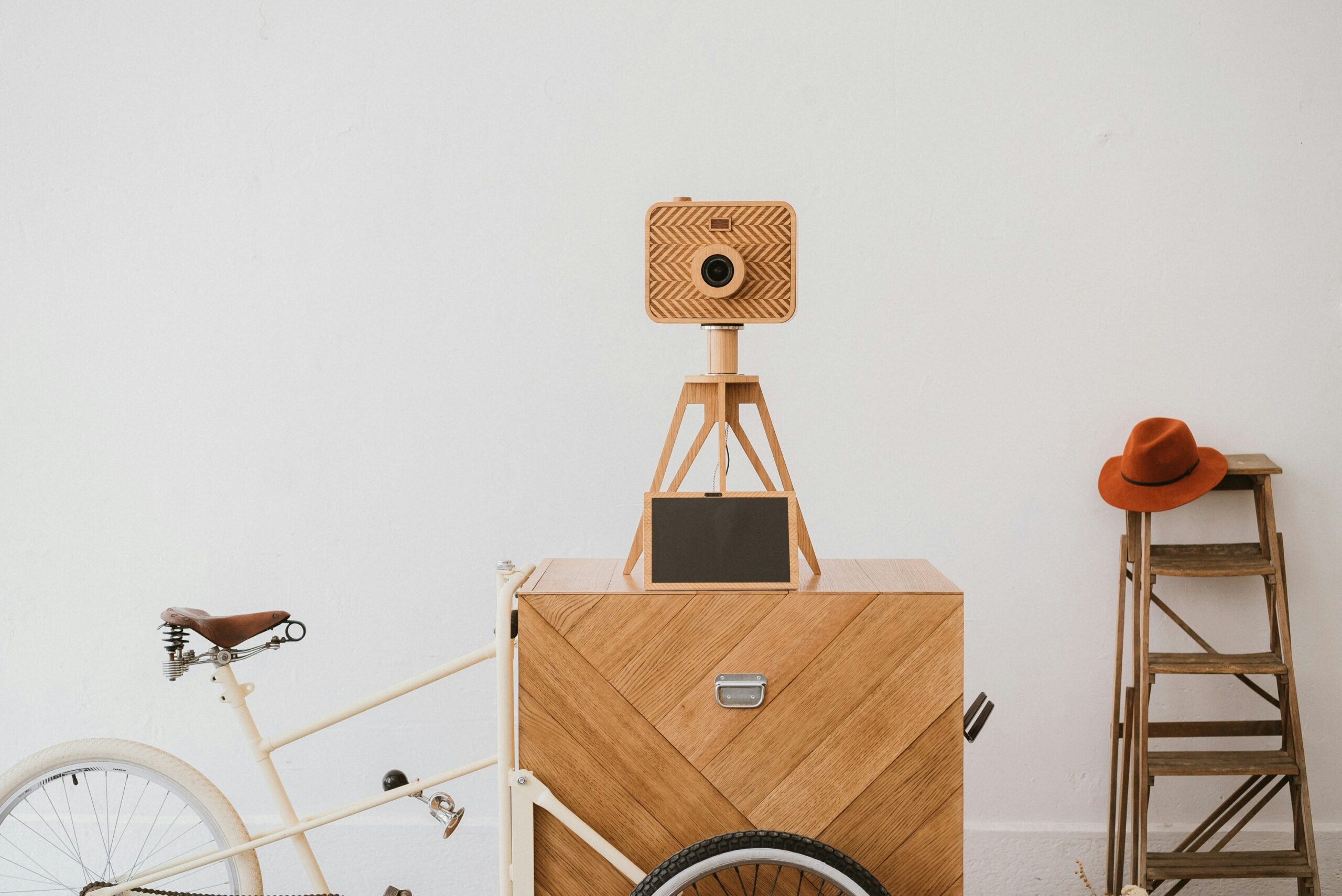
    Pre-teens love taking photos, and a DIY photo booth gives them the perfect opportunity to get creative while capturing memories. Set up a designated area with a colorful backdrop—this could be as simple as streamers, balloons, or a decorated sheet. Provide an assortment of props including funny hats, oversized glasses, speech bubbles, and themed accessories.

    The beauty of this activity lies in its flexibility. Pre-teens can work together to create group photos, practice poses they’ve seen on social media, or even stage mini photo shoots. Consider providing instant cameras or setting up a tablet where they can immediately see their photos. This activity naturally encourages social interaction while giving shy participants a fun way to break the ice.

    2. Customizable T-Shirt Design Station

    Nothing beats the satisfaction of creating something uniquely your own. A t-shirt design station allows pre-teens to express their personality through wearable art. Provide plain t-shirts in various colors and sizes, along with fabric markers, iron-on letters, patches, and fabric paint.

    Set up different stations for different techniques—one area for hand-drawn designs, another for iron-on applications, and a third for stamping or stenciling. This activity works well because it accommodates different skill levels and artistic abilities. Some participants might create elaborate designs while others prefer simple patterns or messages, and both approaches are equally valid.

    3. Mini Music Video Production

    Pre-teens are often influenced by popular music and social media trends, making music video production an instant hit. Divide participants into small groups and let them choose a popular song (keep a pre-approved playlist ready). Provide simple props like scarves, hats, and signs for their productions.

    Each group can brainstorm their concept, assign roles, and film their video using smartphones or tablets. The process of planning, filming, and watching the final products creates natural bonding opportunities. Consider having a “premiere” screening where all groups can watch each other’s creations and vote for categories like “Most Creative” or “Best Teamwork.”

    High-Energy Physical Activities

    4. Obstacle Course Challenge

    Physical activity remains important for pre-teens, but traditional games might feel too childish. An obstacle course strikes the perfect balance between physical challenge and fun competition. Design courses using everyday items like cones, hula hoops, jump ropes, and pool noodles.

    Create multiple shorter courses rather than one long one, allowing participants to rotate through different challenges. Include event activities that test different skills—agility, balance, speed, and coordination. Consider timing participants and keeping a leaderboard, but also emphasize personal improvement over competition to ensure everyone feels successful.

    5. Dance Battle Tournament

    Dancing appeals to pre-teens because it feels contemporary and allows for self-expression. Organize dance battles where participants can showcase popular moves they’ve learned from social media or create their own choreography. Structure it as a tournament with multiple rounds, but focus on creativity and effort rather than technical skill.

    Provide a variety of music genres to appeal to different tastes, and consider having themed rounds like “80s moves” or “animal dances” to level the playing field. Participants who don’t want to compete can serve as judges or DJs, ensuring everyone has a role in the activity.

    6. Scavenger Hunt with Technology Integration

    Modern scavenger hunts can incorporate technology to appeal to tech-savvy pre-teens while encouraging exploration and problem-solving. Use smartphones or tablets to create QR code hunts, photo challenges, or GPS-based treasure hunts.

    Design clues that require teamwork to solve and include both indoor and outdoor elements if space allows. Mix traditional riddles with modern challenges like “take a selfie with something red” or “find and photograph three different textures.” The combination of technology and traditional hunting creates an engaging experience that feels both familiar and exciting.

    Social and Interactive Games

    7. Escape Room Experience

    Escape rooms have become incredibly popular, and you can create a simplified version perfect for pre-teen events. Design puzzles that require collaboration and critical thinking without being overly complex. Use multiple rooms or areas, each with different themes and challenges.

    Focus on puzzles that encourage communication and teamwork—word games, pattern recognition, simple math problems, and logic puzzles work well. Provide hints when groups get stuck to maintain momentum and ensure everyone succeeds. The collaborative nature of escape rooms naturally brings participants together and creates shared accomplishment.

    8. Interactive Game Show

    Transform classic game show formats into interactive experiences perfect for pre-teen groups. Create rounds inspired by popular shows but adapted for the age group—trivia about movies, music, and pop culture they enjoy, physical challenges, and creative tasks.

    Divide participants into teams and rotate through different challenge stations. Include variety in your challenges: some should test knowledge, others creativity, and some physical skill. This format works well because it accommodates different strengths and ensures everyone can contribute to their team’s success.

    9. Social Media Challenge Course

    Since many pre-teens are curious about social media trends, create challenges inspired by popular platforms while keeping them age-appropriate and offline. Design stations with challenges like “Create the Perfect Flat Lay,” “60-Second Art Challenge,” or “Build the Tallest Tower.”

    Each station can have a time limit and specific rules, similar to popular social media challenges but adapted for in-person interaction. Participants rotate through stations in small groups, creating opportunities for collaboration and friendly competition while staying engaged with familiar formats.

    Skill-Building Activities

    10. Cooking or Baking Competition

    Pre-teens often show interest in cooking, and a friendly competition can be both educational and entertaining. Choose simple recipes that don’t require dangerous equipment—no-bake cookies, decorated cupcakes, or sandwich creations work well.

    Divide participants into teams and provide all necessary ingredients and tools. Focus on creativity and teamwork rather than culinary perfection. Consider having multiple judges, including adult supervisors and peer judging, with categories like “Most Creative,” “Best Teamwork,” and “Most Delicious Looking.” This activity teaches practical skills while encouraging collaboration.

    11. STEM Challenge Stations

    Science, technology, engineering, and math challenges can be incredibly engaging when presented as fun activities rather than educational tasks. Set up stations with different challenges like building bridges from marshmallows and spaghetti, creating volcanoes, or designing and testing paper airplanes.

    Each station should have clear instructions and goals, allowing participants to experiment and iterate on their designs. Include both individual and group challenges to accommodate different working styles. The hands-on nature of STEM activities appeals to pre-teens’ curiosity while developing problem-solving skills.

    12. Debate and Public Speaking Games

    Many pre-teens are developing their own opinions and enjoy expressing their thoughts, making debate-style activities surprisingly popular. Choose light-hearted topics like “Cats vs. Dogs” or “Summer vs. Winter” rather than serious issues.

    Structure debates as friendly competitions with clear rules about respect and turn-taking. Include activities like impromptu speaking challenges where participants draw topics from a hat and have one minute to present their thoughts. These activities build confidence and communication skills while providing entertainment through creative arguments and unexpected perspectives.

    Tips for Successful Pre-Teen Events

    When implementing these activities, consider the specific dynamics of your group. Some pre-teens may be more outgoing while others prefer quieter participation. Provide options that accommodate both personality types, and avoid forcing participation in any single activity.

    Keep activities moving at a good pace—pre-teens have short attention spans for any single task, but they can stay engaged for long periods when activities rotate frequently. Plan for 15-20 minute activity blocks with brief transitions between different stations or challenges.

    Always have backup plans ready. If an activity isn’t working or finishes early, be prepared to adapt or move to the next option. Flexibility is key to maintaining energy and engagement throughout your event.

    Consider the physical space available and plan accordingly. Some activities work better in larger areas while others can be adapted for smaller spaces. Make sure you have enough materials for all participants and a few extras in case of mistakes or breakage.

    Creating Lasting Memories

    The most successful pre-teen events are those that make participants feel valued, included, and appropriately challenged. These 12 activities provide a solid foundation for creating engaging experiences that will leave lasting positive memories.

    Remember that the goal isn’t just entertainment—it’s creating opportunities for social connection, skill development, and confidence building. When pre-teens feel successful and included in age-appropriate activities, they develop positive associations with group events that can influence their social development for years to come.

    Start planning your next pre-teen event using these activities as inspiration, and don’t forget to ask for feedback from participants. Their insights can help you refine your approach and ensure future events are even more successful.

  • A List of The Best Types of Rubiks Cube Singapore

    A List of The Best Types of Rubiks Cube Singapore

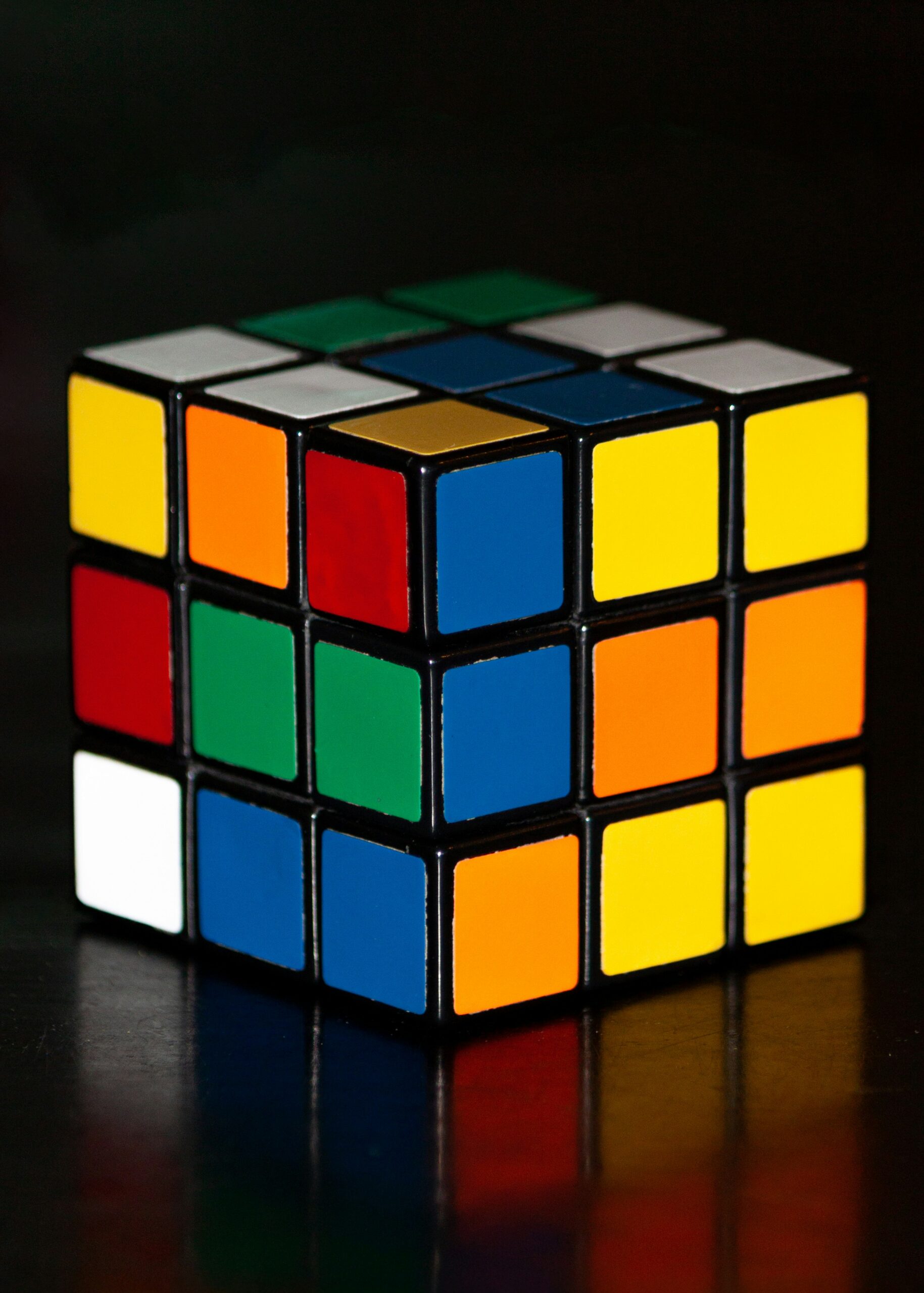
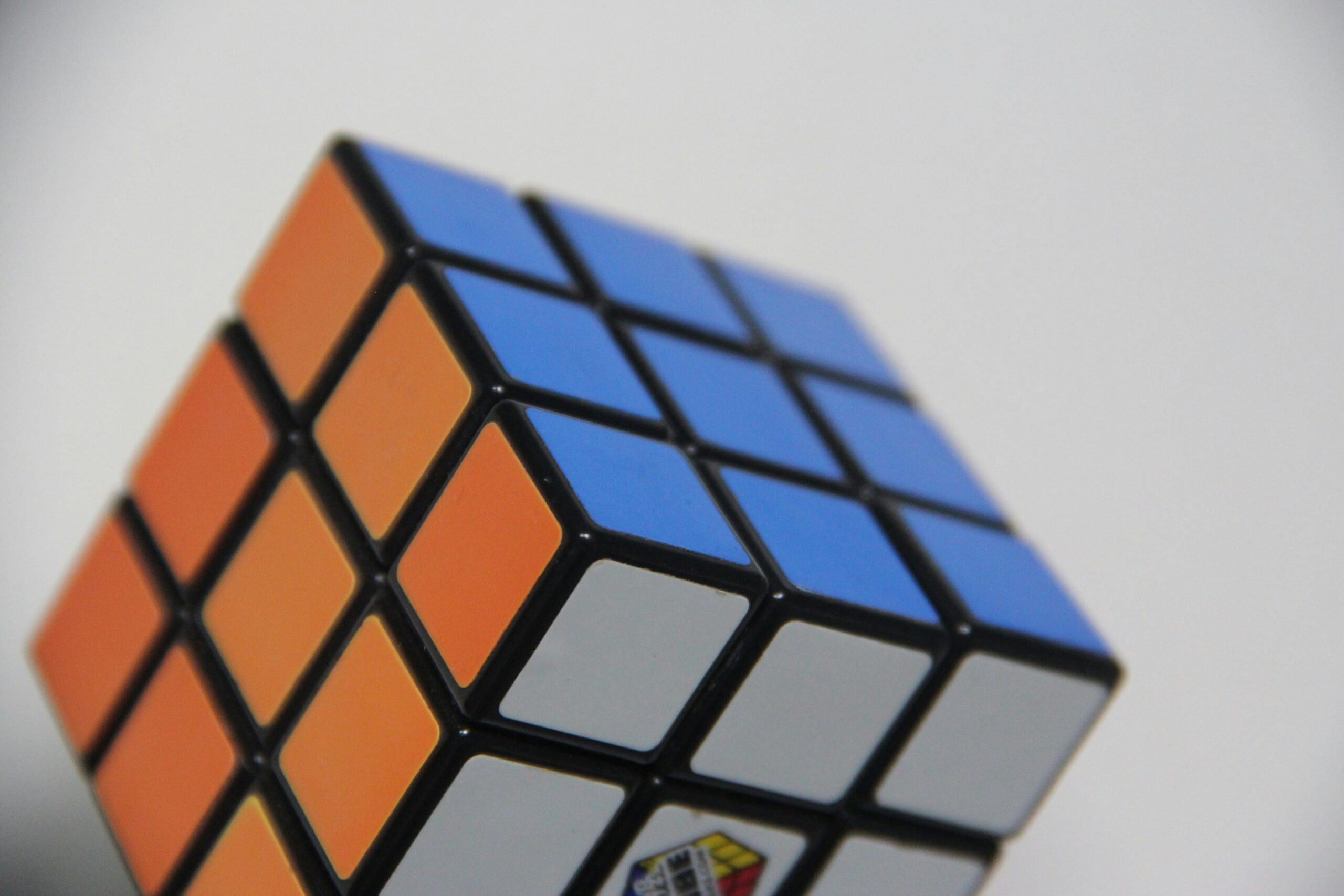
    When it comes to puzzles, few can match the charm and challenge of the classic Rubik’s Cube. Since its creation in 1974, this iconic twisty puzzle has become a global sensation. But did you know? There’s a whole world of Rubik’s Cube variations beyond the standard 3×3! From beginner-friendly cubes to mind-bending designs for experts, there’s a perfect cube for everyone.

    If you’re in Singapore and looking to buy a Rubik’s Cube, we’re here to help. This comprehensive guide will walk you through the best types of Rubik’s Cubes available in Singapore, so whether you’re a newbie or a seasoned speedcuber, you’ll know exactly where to start.

    Why Explore Different Types of Rubik’s Cubes?

    The original Rubik’s Cube, while iconic, is just the beginning. Exploring other types of cubes allows you to test different skills, unlock new problem-solving approaches, and most importantly, have fun.

    • Beginner-Friendly Options: Some cubes are designed for those just starting their cubing journey.
    • Speedcubing Models: Passionate speedcubers often prefer specialized cubes built for speed, accuracy, and smooth turning.
    • Challenging Shapes and Configurations: Rubiks Cube Singapore variations like 4×4 or even 12×12 cubes offer a whole new level of complexity.
    • Aesthetic and Novelty Designs: While some enjoy solving them, others collect cubes for their creative and artistic designs.

    Now that you know why to explore, here’s a curated list of the best Rubik’s Cubes available to purchase in Singapore.

    Best Rubik’s Cubes for Beginners

    If you’re new to solving Rubik’s Cubes, you’ll want options that are simpler to grasp and play with. These beginner-friendly cubes are perfect to get you started.

    1. Standard 3×3 Rubik’s Cube (Original)

    The classic! This cube is perfect for anyone learning the basics of cubing. Whether you want to solve it casually or master speedcubing, this cube remains a must-have.

    • Why It’s Great for Beginners: Recognizable colors and durable build.
    • Where to Find It in Singapore: Try local toy stores like Toys “R” Us, or online platforms such as Shopee and Lazada.

    2. QiYi Sail 3×3

    Lightweight, smooth-turning, and budget-friendly, the QiYi Sail is an excellent option for beginners. It’s often recommended as a step up from the basic Rubik’s Cube as you start honing your skills.

    • Price Range: SGD $5–$10.
    • Key Feature: Stable design and good corner cutting.

    Best Rubik’s Cubes for Speedcubers

    For those aiming to solve puzzles in record time, speedcubes offer precision, fast turns, and minimal resistance. These models are engineered for rapid solving.

    3. GAN 356 M

    A favorite among speedcubers, the GAN 356 M is lightweight, magnetic, and incredibly fast. It offers customizable tension, making it perfect for competitive cubers.

    • Price Range: SGD $40–$55.
    • Where to Buy: GAN cubes are available at specialty retailers like SpeedCubeShop Singapore and CUBERSTY.

    4. Moyu RS3M 2021 Edition

    Renowned for its smoothness and magnetic features, the Moyu RS3M delivers exceptional value for professional cubers who are performance-focused yet want affordability.

    • Why It’s Popular: Advanced mechanics at a budget-friendly price.

    5. Valk 3 Elite M

    The Valk 3 Elite M is reserved for serious speedcubers. It features an advanced magnetic system and outstanding corner cutting, which makes it a joy to use in competitions.

    • Ideal For: Passionate cubers who prioritize elite performance.

    Specialty and Challenge Rubik’s Cubes

    Once you’ve mastered the classic 3×3, it’s time to level up with these unique and challenging cubes.

    6. 4×4 Rubik’s Cube (Rubik’s Revenge)

    Up for a challenge? Tackling a 4×4 Rubik’s Cube requires advanced strategies and patience. Known as Rubik’s Revenge, this puzzle offers endless fun for intermediate cubers.

    • Where to Buy: Available in most online marketplaces in Singapore or at puzzle specialty stores like Cubewerkz.

    7. Megaminx

    Shaped like a dodecahedron, the Megaminx is ideal if you love solving creative geometric puzzles. This 12-sided puzzle pushes conventional boundaries and guarantees hours of fun.

    • Recommendation: Look for the YJ Yuhu Megaminx for a high-quality option accessible to most Singaporean cubers.

    Designer and Novelty Cubes

    For collectors or those who want something unique, designer Rubik’s cubes offer a quirky twist.

    8. Mirror Cube

    This striking cube changes in shape as you twist it, adding a fun visual challenge to your solving experience. It’s a great Instagram-friendly puzzle to show off!

    9. Ghost Cube

    With an abstract design, the Ghost Cube is tough to solve but undeniably striking. It’s a must for collectors who enjoy solving one-of-a-kind puzzles.

    Where to Buy Rubik’s Cubes in Singapore

    Finding quality Rubik’s Cubes is easier than you think. Here are the top places to shop in Singapore:

    • Online Platforms: Shopee and Lazada offer a wide selection of Rubik’s Cubes with competitive prices.
    • Retail Stores: Physical stores like Toys “R” Us and Kiddy Palace stock standard and premium cubes.
    • Specialist Stores: Check Cubewerkz, a specialty store for everything Rubik’s Cube-related, including limited-edition and pro-level cubes.

    Tips for Choosing the Right Cube for You

    1. Consider Your Skill Level: Beginners should focus on simple cubes, while more advanced players can branch out to speedcubes or complex puzzles.
    2. Set a Budget: Prices vary widely, so set a budget and find a cube that offers the best value for your needs.
    3. Experiment: If possible, try out a few cubes to see which one feels best in your hands.

    Find Your Perfect Cube

    Whatever your skill level or interest, Singapore offers a wide variety of Rubik’s Cubes—from beginner-friendly basics to competition-grade speedcubes and artistic novelty puzzles. Take your pick and challenge yourself with these fantastic cubes from Mofunland.

    Start solving today and see where your Rubik’s Cube adventures take you!

  • How Live Printing Makes Your Event More Successful

    How Live Printing Makes Your Event More Successful

    When you’re planning an event, creating a memorable experience for your attendees is key. Whether it’s a product launch, a corporate gathering, or a festival, people want more than just a standard schedule of activities. They want to engage, connect, and leave with something special that reminds them of their experience.

    Enter live printing. This innovative event feature is a game-changer, combining creativity, personalization, and audience engagement to take your event to the next level. But what is live printing, and why does it work so well at events?

    By the time you’ve finished reading, you’ll not only understand the value of live printing but also have the tools to bring this concept to your next event.

    What is Live Printing?

    Live printing refers to on-the-spot production of customized items, such as shirts, totes, or posters, while attendees watch the process unfold. It’s a dynamic addition to any event that transforms ordinary giveaways into engaging experiences. Designed to provide a truly personal keepsake, live printing allows participants to select designs, customize text, and even watch their item being printed in real-time.

    Whether screen printing, digital printing, or heat transfer methods, the magic lies in letting your attendees experience the creativity for themselves.

    Why Live Printing is a Must-Have for Modern Events

    For organizers looking to elevate their events, here’s why live printing is a perfect strategy to engage and impress your audience.

    1. Creates a Memorable Experience

    Watching something being made is inherently fascinating. When that “something” becomes a personalized item attendees can take home, it creates lasting memories. Attendees aren’t just passive observers; they become active participants in the process, which fosters a stronger emotional connection to your event.

    Imagine a festival-goer designing and printing their own vintage band tee or a conference attendee creating a tote bag with custom motivational quotes. Every time they use that item, they’ll remember the event and the excitement they felt watching it come to life.

    2. Drives Engagement

    Traditional swag bags are passive. Attendees receive them, maybe glance through the goodies, and that’s it. Live printing, on the other hand, is interactive. People are drawn to booths or areas offering live customization and are excited to engage with your brand while waiting for their one-of-a-kind creation.

    This type of engagement is invaluable for event organizers. It builds buzz, keeps attendees exploring longer, and creates natural opportunities for social sharing and word-of-mouth exposure.

    3. Increases Brand Visibility

    A branded pen might end up forgotten at the bottom of a bag, but well-designed custom items like printed shirts or tote bags are far more likely to be used. With your branding prominently as part of the custom design, live printing not only creates an impression during the event but also turns attendees into walking advertisements after the fact.

    For long-term visibility, personalization makes all the difference. A tote bag with a participant’s handpicked design featuring your company’s logo will feel more like a trendy accessory than a promotional item.

    4. Promotes Sustainability

    Many modern event-goers prioritize environmental consciousness. Live printing aligns perfectly with this trend. Instead of pre-producing hundreds or even thousands of promotional items that may not even appeal to attendees, live printing allows you to print on-demand. This minimizes waste, eliminates excess inventory, and ensures every item is cherished.

    Additionally, by offering high-quality, durable items like organic cotton totes or reusable water bottles, you demonstrate your brand’s commitment to sustainability while giving your guests thoughtful keepsakes.

    5. Strengthens Community Connections

    Events are about connections—not just between brands and people but also within communities. Live printing encourages collaboration and interaction. It sparks conversations, empowers creativity, and brings people together in a fun, hands-on way.

    For example, a company could offer live t-shirt printing with designs submitted by attendees during the lead-up to the event. This not only builds anticipation but also involves the community in the big day.

    How Live Printing Works

    Curious about how to incorporate live printing into your event? Here’s a step-by-step breakdown of the process.

    Step 1: Choose the Right Partner

    Selecting a live printing vendor is crucial. Look for companies with a proven track record, state-of-the-art equipment, and experience handling events. They should offer guidance on design specifications, printing techniques, and setup requirements.

    Step 2: Decide What to Print

    The key to successful live printing lies in offering items that people will love and use. Popular options include:

    • T-shirts
    • Tote bags
    • Posters
    • Water bottles
    • Hats

    Choose items that align with your brand and event theme.

    Step 3: Make It Customizable

    Provide attendees with options to personalize their items. This may include choosing a design, adding their name, or even selecting a color palette. Having a dedicated design station allows participants to be hands-on while keeping things organized.

    Step 4: Keep it On-Brand

    Live printing offers an excellent opportunity to integrate your branding seamlessly. Work with designers to create templates that highlight your logo and messaging in a stylish, unobtrusive way. This ensures the items feel like keepsakes rather than standard promotional merchandise.

    Step 5: Create the Experience

    Don’t simply treat live printing as a transactional process. Turn it into an event within your event. Set up an appealing booth with clear signage, interactive displays, and knowledgeable staff who can guide guests through the process. Make it entertaining for those waiting in line with live demos or behind-the-scenes insights into the printing process.

    Real-Life Examples of Live Printing Success

    • Tech Conferences: A software company offered live t-shirt printing at their booth, where attendees could choose from design themes representing different tech trends or software jokes. Their booth overflowed with visitors sharing their custom t-shirts on Instagram.
    • Music Festivals: A live printing station offered festival-goers shirts featuring names of the artists. Lines wrapped around the block, and social media was flooded with posts featuring the festival’s hashtag.
    • Corporate Events: A financial firm hosted a client event where guests could customize tote bags with motivational quotes alongside the company’s branding. The event received glowing press coverage for its unique engagement strategy.

    Tips for Maximizing Impact

    • Promote it Early: Tease the live printing experience in pre-event promotions to build anticipation.
    • Make it Social: Create event-specific hashtags and encourage attendees to share photos of their items online.
    • Add Value: Combine live printing with educational workshops or giveaways to make it a more immersive experience.

    Elevate Your Event with Live Printing

    Live printing is more than just a fun gimmick. It’s a thoughtful strategy that adds personalization, engagement, and value to your event. By bringing creativity front and center, attendees leave with not only a unique item but also a lasting memory of your event and brand.

    Whether you’re hosting a product launch or planning team-building activities, live printing can significantly enhance the perceived value of your event.

    Want to wow your attendees and create unforgettable experiences? Contact Fun Print today to discuss how live printing can make your next event a smashing success!

  • How A Cube Purchase Makes Your Kid Smarter

    How A Cube Purchase Makes Your Kid Smarter

    Every parent wants the best for their child, especially when it comes to building critical skills and fostering a love for learning. But what if we told you that something as simple as a cube could make your child smarter? From improving problem-solving abilities to boosting creativity, investing in cube toys is more than just playtime; it’s a step toward cognitive and emotional development.

    This post will explore how cubes, such as Rubik’s Cubes, building blocks, and puzzle cubes, can enhance your child’s intellectual growth. By the end of this article, you’ll understand why a cube purchase may be one of the smartest investments you can make for your child’s development.

    Why Cubes Are More Than Just Toys

    Cubes may look like ordinary toys, but they’re actually powerful brain training tools disguised as fun. When kids use cubes, they engage in activities that enhance problem-solving, spatial reasoning, and logic skills. Here’s why cubes are so effective:

    1. Cognitive Development

    Cubes, especially puzzle cubes like Rubik’s Cubes, require kids to think critically and develop strategies. Solving these puzzles encourages:

    • Problem-solving: Kids must figure out how each twist or turn impacts the cube as a whole.
    • Memory skills: They remember patterns and techniques needed to solve the puzzle efficiently.
    • Focus and patience: It takes perseverance to solve a complicated challenge, teaching kids the value of effort and dedication.

    2. Hands-On Learning

    Unlike screen time, playing with cubes engages children in tactile learning. They manipulate the cube with their hands, which helps improve:

    • Fine motor skills: Small, precise movements refine finger dexterity.
    • Hand-eye coordination: Turning a physical object while observing results is a great coordination exercise.
    • Spatial awareness: Understanding how objects move in 3D space boosts visualization skills.

    3. Fostering Creativity

    Cubes aren’t limited to solving puzzles; building blocks and magnetic cube toys allow kids to create unique shapes, structures, and designs. This type of play ignites imagination while encouraging innovation and experimentation.

    The Science Behind the Smarts

    If you’re wondering whether cubes truly make kids smarter, science provides strong support. Studies show that hands-on, problem-solving activities have measurable benefits for brain development. A study published in the journal Developmental Psychology found that puzzles and spatial activities improve spatial reasoning, a key skill linked to success in STEM (science, technology, engineering, and math) fields.

    Similarly, research by the Journal of Cognitive Neuroscience found that activities requiring strategic thinking, like solving a Rubik’s Cube, improve working memory and decision-making. These skills aren’t just helpful for school; they’re crucial life skills that kids carry into adulthood.

    6 Benefits of Cube Play for Kids

    Now that you know the underlying science of why cubes are beneficial, let’s look at the practical, real-world skills kids can gain:

    1. Improved Concentration

    When kids focus on solving a puzzle or building with blocks, they practice maintaining their attention for extended periods. This increased focus can transfer to academic tasks, helping them concentrate on subjects like math and reading.

    2. Encourages Problem-Solving

    Whether they’re figuring out how to match colors on a puzzle cube or building a stable tower, kids learn to think critically about how to solve challenges efficiently.

    3. Boosts Emotional Resilience

    By tackling challenges and sometimes failing before succeeding, kids build resilience. Learning that persistence leads to success helps them develop a growth mindset.

    4. Develops Social Skills

    Cubes are not just solo activities. Group challenges, like solving collaborative cube puzzles or building structures together, teach teamwork, communication, and negotiation.

    5. Supports Early STEM Skills

    Playing with cubes strengthens logic, spatial reasoning, and pattern recognition, all of which are fundamental skills in STEM education.

    6. Provides Screen-Free Fun

    Cubes offer a refreshing break from screen time, engaging children in creative and intellectual play without the risks of overexposure to digital devices.

    Types of Cubes to Consider

    Not all cubes are the same, and there are various types you can choose from, depending on your child’s interests and age.

    1. Rubik’s Cubes

    The classic puzzle cube is great for developing problem-solving abilities and patience. Advanced kids can even try speedcubing for an extra challenge.

    2. Building Blocks

    Lego sets, wooden blocks, and magnetic cubes encourage creativity and spatial reasoning. Younger children especially benefit from hands-on building activities.

    3. Educational Cubes

    Look for cubes with letters, numbers, or colors that promote additional learning, such as improving language or math skills.

    4. Magnetic Puzzle Cubes

    Magnetic cubes are perfect for kids who love to build and experiment with shapes. With magnets simplifying assembly, kids can create more complex structures.

    5. Customized Cubes

    Some cubes allow customization, such as inserting photos or designs. These personal touches can make the toy even more engaging for kids.

    How to Support Your Child’s Cube Play

    If you’re ready to introduce cubes into your child’s daily routine, here are some tips to maximize their learning experience.

    1. Start Simple

    Begin with basic cubes, puzzles, or building sets suitable for their age group. Gradually introduce more challenging options as they become proficient.

    2. Offer Guidance Without Taking Over

    Show them the basics or provide hints, but don’t solve the puzzle for them. Allowing kids to work through challenges boosts their confidence and problem-solving skills.

    3. Encourage Friendly Competition

    Organize puzzle-solving races or building challenges with siblings, friends, or even yourself. This can make cube play more social and exciting.

    4. Make Playtime Creative

    Use cubes for non-traditional activities. Encourage your child to invent games, such as building the tallest tower with building blocks or creating art with magnetic cubes.

    5. Celebrate Progress

    Whether it’s solving their first puzzle or designing a creative structure, praise your child’s effort and accomplishments to keep them motivated.

    Why Every Home Should Have a Cube

    With so many developmental benefits, a cube is more than just a toy. It’s a tool for learning, growth, and fun. From enhancing cognitive skills to fostering creativity, investing in a cube can set your child on a lifelong path of curiosity and problem-solving.

    Plus, it’s a cost-effective, screen-free way to keep kids engaged and entertained. Why pour money into gadgets that may lose their appeal, when one cube can unlock so many different areas of play and learning?

    Take Your First Step Toward Building a Smarter Future

    Playing with cubes is a simple, yet hugely impactful, way to support your child’s growth. Whether they’re stacking blocks, solving puzzles, or crafting unique designs, every moment spent with a cube builds important skills they’ll carry for life.

    Are you ready to bring the power of cubes into your home? Explore a variety of cube toys tailored to every age at Mofunland and interest online or at your favorite toy store. Start today and watch your child grow smarter, day by day.

  • 12 Fun Event Activities to Welcome 2025

    12 Fun Event Activities to Welcome 2025

    The start of a new year always brings a fresh wave of excitement and possibility, and 2025 is no different! Planning an event to celebrate the arrival of the new year? Whether it’s a corporate gathering, a community event, or a private party with friends and family, incorporating fun event activities can make the occasion truly memorable.

    From interactive games to creative workshops, we’ve curated a list of 12 exciting activities that will engage your guests, elevate their experience, and set a joyous tone for the year ahead.

    1. Personalized Time Capsule Station

    Give your guests a chance to capture their dreams and memories by setting up a time capsule station. Provide materials like notecards, photos, and small trinkets. Guests can write letters to their future selves or include mementos from the evening. Seal everything in a decorative container to be opened at the next year’s event (or even years down the line).

    Why it works:

    This activity helps guests reflect on the past year while thinking about the future. It’s both sentimental and interactive—a perfect icebreaker for attendees.

    2. A Spectacular Countdown Dance-Off

    What better way to welcome 2025 than by turning your countdown into a dance battle? Create a playlist with popular hits and classics, ask guests to form teams or go solo, and battle it out until the clock strikes midnight!

    Pro tip:

    Make it even more engaging by hiring a DJ to hype up the crowd and add special lighting effects to turn your venue into a dance arena.

    3. Interactive Cocktail or Mocktail Bar

    Take your beverage game to the next level with an interactive bar where guests can make their own drinks. Provide recipes or mixologist-led demonstrations to teach guests how to create their signature cocktail or mocktail to toast the new year.

    Why it works:

    This combines entertainment with something tangible—everyone gets to drink their masterpiece. You can also customize the ingredients to align with a theme or to highlight popular flavors of 2025.

    4. Digital 2025 Resolutions Wall

    Set up a large touchscreen or digital board where attendees can type in their resolutions or goals for 2025. Display the entries throughout the night to inspire everyone. For a more interactive twist, turn it into a guessing game by keeping resolutions anonymous!

    Why it works:

    This modern take on a resolutions board is collaborative and sparks meaningful conversations among guests.

    5. Glow-in-the-Dark Themed Party Zone

    Turn down the lights and crank up the fun by hosting a glow-in-the-dark party zone. Offer guests glow sticks, necklaces, bracelets, and face paints. Designate a part of the venue for black lights and luminescent backdrops, perfect for glowing selfies.

    Pro tip:

    If you want to amplify the wow factor, consider LED performances or glow-in-the-dark games like bowling or Jenga.

    6. 2025 Trivia Quiz with Fun Prizes

    Test your guests’ knowledge with a trivia game featuring questions about 2024 events, pop culture, and general New Year’s traditions. Include fun prizes like themed gift baskets, discount coupons, or silly trophies for the winners.

    Why it works:

    Trivia engages guests of all ages, and team-based games often encourage socializing. This is particularly great for building camaraderie at corporate events.

    7. Photo Booth with 2025 Props

    No New Year’s celebration is complete without a photo booth! Provide props like “2025” glasses, hats, and silly accessories. Choose a unique backdrop that reflects your event theme or elevate it with green screen technology for customizable backgrounds.

    Pro tip:

    Consider offering instant prints or digital sharing options so guests can immediately save and share their memories.

    8. DIY Craft Corners

    For a more relaxed activity, set up a DIY crafting corner. Popular ideas include making friendship bracelets, designing custom phone cases, or painting mini canvases. These crafts also double as souvenirs!

    Why it works:

    Crafting appeals to both adults and kids, and it gives everyone a meaningful keepsake to remember your event.

    9. Fireworks or Light Show Spectacle

    A stunning fireworks display is a surefire way to wow your guests. If fireworks aren’t feasible, consider a drone light show or laser display for a modern and environmentally friendly alternative.

    Why it works:

    The visual spectacle of lights in the night sky creates a magical, unforgettable moment that symbolizes new beginnings.

    10. Live Music or Karaoke Stage

    Hire a live band or DJ to keep the energy high, or set up a karaoke stage to invite guests to showcase their vocal talents. You could even host a mini talent-show competition with the singers!

    Pro tip:

    Curate the playlist to include throwback hits from 2024 and upbeat anthems to energize your attendees as they welcome 2025.

    11. New Year’s Mystery Box Raffle

    Create excitement with a mystery box raffle. Fill the box with unexpected prizes—everything from gift cards to quirky novelty items. Announce winners throughout the evening to build anticipation.

    Why it works:

    The thrill of surprise keeps guests engaged, plus raffles add an extra layer of fun and involvement to any event.

    12. Gratitude Circle to End the Night

    What better way to close out 2024 and welcome 2025 than by expressing gratitude? Gather your guests in a circle, pass a microphone around, and ask each person to share a positive memory from the past year or what they’re most excited about for the new one.

    Why it works:

    This heartfelt activity helps create connections and leaves everyone feeling uplifted, united, and optimistic for what’s to come.

    Make Your Event Unforgettable

    Whether you’re hosting an intimate gathering or a grand celebration, these 12 activities will ensure your event is fun, engaging, and meaningful. Incorporate a mix of games, creativity, and heartfelt moments with Fun Print to give your guests an experience they’ll talk about for years.

    Make 2025 a year of excitement, joy, and togetherness. Start with a memorable event, and the rest will follow!

  • Why On The Spot Print Is The New Party Fad

    Why On The Spot Print Is The New Party Fad

    Capture Memories in Real Time

    How often have you attended a party, taken dozens of photos, and then forgotten all about them, buried somewhere in your phone’s memory? What if you could change that? On-the-spot printing is transforming parties by allowing guests to capture and instantly print their memorable moments. This latest trend is making waves and for good reason.

    In this blog post, we’ll explore why on-the-spot print has become the latest must-have at social gatherings. We’ll cover its benefits, the technology behind it, how to integrate it into your next event, and why it’s capturing the hearts of partygoers everywhere.

    The Rise of Instant Gratification

    In our fast-paced world, people crave instant results. We want our food delivered quickly, our rides to arrive promptly, and our photos to be available immediately. This cultural shift toward instant gratification has paved the way for on-the-spot printing to become a hit at parties.

    Instant Memories

    One of the most significant benefits of on-the-spot printing is immediate access to tangible memories. Guests can take a photo and hold a physical copy within minutes. This instant access enhances the party experience, ensuring memories are not just digital but also physical.

    Enhanced Engagement

    On-the-spot printing encourages guests to interact more with each other. When people see a photo booth or a printer station, they naturally gravitate towards it. This provides an excellent icebreaker and keeps guests entertained throughout the event.

    A Keepsake to Take Home

    Unlike digital photos that often get lost in the shuffle, printed photos serve as a lasting keepsake. They can be stuck on the fridge, framed, or added to a scrapbook. This physical reminder of a fun event keeps the memories alive long after the party is over.

    The Technology Behind On-The-Spot Printing

    Many might wonder how these magical little machines work. The technology behind on the spot print has evolved significantly over the years, making it more accessible and user-friendly.

    Compact and Portable Printers

    Gone are the days of bulky equipment. Modern on-the-spot printers are compact and portable, making them easy to set up at any venue. These devices often come with user-friendly interfaces, so even the least tech-savvy guests can print their photos effortlessly.

    High-Quality Prints

    Thanks to advancements in printing technology, the quality of on-the-spot prints has improved dramatically. These printers use high-resolution imaging techniques to ensure that every photo is clear and vibrant. Guests no longer have to sacrifice quality for speed.

    Integration with Digital Devices

    Many on-the-spot printers can connect wirelessly to smartphones and cameras. This seamless integration allows guests to print photos directly from their devices, adding convenience to the mix. Some even come with built-in editing tools, letting users enhance their pictures before printing.

    How to Incorporate On-The-Spot Printing in Your Event

    Thinking of adding an on-the-spot printer to your next event? It’s easier than you might think. Here’s how you can seamlessly incorporate this exciting feature into your party planning.

    Choose the Right Printer

    First, you’ll need to select a printer that meets your event’s needs. Consider the size of your guest list, the venue, and your budget. There are various options available, from high-end professional-grade printers to more affordable consumer models.

    Set Up a Dedicated Space

    Designate a specific area for your on-the-spot printing station. This should be a well-lit, easily accessible spot where guests can gather. Consider adding some props or backdrops to create a mini photo booth experience.

    Promote the Feature

    Make sure your guests know about the on-the-spot printing station. You can include details in your event invitations or make an announcement during the party. The more aware your guests are, the more they’ll take advantage of this fun feature.

    Popular Use Cases for On-The-Spot Printing

    On-the-spot printing from Fun Print is versatile and can fit into various types of events. Here are some popular scenarios where this technology shines.

    Weddings

    Weddings are all about creating lasting memories, and on-the-spot printing adds an extra layer of fun. Guests can snap photos throughout the day and take home a physical keepsake. This feature is also great for creating a guestbook filled with candid shots.

    Corporate Events

    Corporate events often need something to break the ice and get people mingling. An on-the-spot printing station offers a fun and engaging way for attendees to interact. Plus, branded prints can serve as a unique marketing tool.

    Birthday Parties

    Whether it’s a child’s birthday or a milestone celebration, on-the-spot printing can make any birthday party more memorable. Kids and adults alike will enjoy posing for the camera and taking home a memento of the special day.

    The Environmental Impact

    While on-the-spot printing offers numerous benefits, it’s essential to consider its environmental impact. Fortunately, many modern printers are designed with eco-friendly features in mind.

    Sustainable Materials

    Many on-the-spot printers use sustainable materials for their prints. This includes recycled paper and eco-friendly ink. Choosing printers that prioritize sustainability helps reduce the environmental footprint of your event.

    Digital Copies

    Some on-the-spot printers also offer digital copies of each photo, allowing guests to have both physical and digital versions. This reduces the need for multiple prints and minimizes waste.

    Recyclable Prints

    Encourage your guests to recycle their prints if they no longer want them. Many types of photo paper are recyclable, making it easy to dispose of them responsibly.

    Cost Considerations

    Adding an on-the-spot printing station to your event doesn’t have to break the bank. Here are some cost considerations to keep in mind.

    Rental Options

    If purchasing a printer seems too expensive, consider renting one. Many companies offer rental services for on-the-spot printers, which can be a cost-effective option for single events.

    DIY Photo Booths

    Creating a DIY photo booth with an on-the-spot printer can save money. You can use props and backdrops that you already have or make simple ones using craft materials.

    Bulk Printing Discounts

    Some printing services offer discounts for bulk printing. If you anticipate a high volume of prints, inquire about special pricing to keep costs down.

    Tips for Maximizing the Fun

    To get the most out of your on-the-spot printing station, consider these tips for maximizing the fun.

    Use Props and Backdrops

    Props and backdrops can add a lot of fun and creativity to your photos. From funny hats to themed backgrounds, these additions can make the photo-taking experience even more enjoyable.

    Create a Photo Contest

    Host a photo contest during your event. Guests can submit their best prints, and the winner can receive a prize. This not only encourages participation but also adds an element of excitement.

    Share on Social Media

    Encourage your guests to share their printed photos on social media. Create a unique hashtag for your event and ask attendees to tag their posts. This can help spread the word about your event and create a sense of community.

    The Future of On-The-Spot Printing

    The trend of on-the-spot printing shows no signs of slowing down. As technology continues to advance, we can expect even more exciting developments in this space.

    Augmented Reality Features

    Imagine being able to add augmented reality (AR) elements to your printed photos. This could include animations, 3D objects, or interactive features that bring the images to life.

    Enhanced Editing Tools

    Future on-the-spot printers may come with more advanced editing tools, allowing guests to customize their photos with filters, stickers, and text. This added layer of personalization will make the prints even more special.

    Integration with Other Technologies

    We may also see greater integration of on-the-spot printing with other technologies, such as virtual reality (VR) and artificial intelligence (AI). These innovations could open up new possibilities for creating and sharing memories.

    A Final Word on On-The-Spot Printing

    In conclusion, on-the-spot printing is more than just a party fad—it’s a way to make memories tangible and lasting. Whether you’re hosting a wedding, a corporate event, or a birthday party, this technology adds a unique and engaging element that your guests will love.

    If you’re looking to make your next event unforgettable, consider incorporating an on-the-spot printing station. Not only will it provide your guests with instant keepsakes, but it will also create lasting memories that they’ll cherish for years to come.

    Ready to elevate your party game? Start planning your on-the-spot printing station today and watch as your event reaches new heights of fun and engagement.