Category: Beauty

  • How to Find The Best Wedding Photographer for Your Aesthetic

    How to Find The Best Wedding Photographer for Your Aesthetic

    Your wedding day is a whirlwind of unforgettable moments—the first look, the exchange of vows, the laughter with family, and the wild dance moves with friends. Once the cake is cut and the last song plays, the photographs are what remain to tell the story of your celebration. Choosing the right wedding photographer is one of the most significant decisions you’ll make in the planning process. This isn’t just about hiring someone with a good camera; it’s about finding an artist whose vision aligns with yours and who can capture the unique feeling of your day.

    With so many talented photographers out there, each with a distinct style, finding the perfect match can feel overwhelming. How do you sort through endless portfolios to find someone who understands your aesthetic? It’s about more than just liking their pictures—it’s about finding a photographer who can translate your personal style and the atmosphere of your wedding into a timeless collection of images.

    This guide will walk you through everything you need to know to find the best wedding photographer for your aesthetic. We’ll explore different photography styles, help you define your own vision, and provide a step-by-step process for vetting and hiring the right person. By the end, you’ll feel confident in your ability to choose a photographer who will not only document your day but also enhance it.

    First, Define Your Wedding Aesthetic

    Before you even start looking at photographers, you need a clear vision for your wedding day. Your “aesthetic” is the overall look and feel of your event. Is it romantic and classic, held in a grand ballroom? Is it bohemian and rustic, set in a sun-drenched field? Or maybe it’s modern and minimalist, taking place in an art gallery?

    Your venue, decor, attire, and even the time of day all contribute to your wedding’s aesthetic. Take some time with your partner to think about the mood you want to create. Are you aiming for light, airy, and joyful, or dramatic, moody, and intimate? Create a mood board on a platform like Pinterest. Pin images that resonate with you, paying attention to colors, lighting, composition, and emotion. This visual guide will be an invaluable tool when you start communicating with potential photographers. It gives them a tangible sense of your taste and helps you identify which photography styles naturally complement your vision.

    Understanding Different Photography Styles

    Wedding photography at The Clover Photo isn’t a one-size-fits-all service. Photographers are artists with unique styles they’ve honed over years. Understanding these styles is crucial for finding someone whose work aligns with your aesthetic. While many photographers blend elements, most will lean toward one or two primary approaches.

    Traditional & Classic

    Traditional wedding photography focuses on capturing the key moments of the day in a timeless and elegant manner. Think posed portraits of the couple, family, and wedding party. The photographer often directs these shots to ensure everyone looks their best. The images are typically well-lit, beautifully composed, and have a classic feel that won’t look dated in 20 years. If you value formal portraits and want a polished, structured documentation of your day, this style might be for you.

    Photojournalistic & Documentary

    Also known as reportage, this style is all about storytelling. A photojournalistic photographer acts like a fly on the wall, capturing candid, unposed moments as they happen. They focus on genuine emotions and interactions, from a tearful hug with a parent to an eruption of laughter on the dance floor. The final gallery reads like a narrative of your day. If you and your partner are camera-shy or simply want to relive the authentic, unscripted moments, a documentary approach is a fantastic choice.

    Fine Art & Editorial

    Fine art photography is artistic and intentional. These photographers view your wedding day as a canvas to create stunning, magazine-worthy images. The compositions are deliberate, the lighting is often dramatic, and the overall effect is highly stylized and romantic. Poses may feel more like an editorial fashion shoot than a traditional wedding portrait. This style is perfect for couples who appreciate art, want their photos to have a creative and curated feel, and are willing to dedicate time on their wedding day to crafting these beautiful shots.

    Moody & Dramatic

    This style uses shadow and rich, deep colors to create a sense of intimacy and drama. Photographers who shoot in this style are masters of light, often using it to highlight their subjects against darker backgrounds. The editing tends to be desaturated, with earthy tones and high contrast, evoking a cinematic or painterly quality. If your aesthetic is more gothic romance than sunny garden party, or if your wedding is in the evening or a dimly lit venue, this style can be incredibly powerful.

    Light & Airy

    The polar opposite of moody and dramatic, the light and airy style is characterized by soft, natural light, pastel color palettes, and an overall feeling of brightness and romance. Photographers achieve this look by shooting in open, well-lit spaces and using editing techniques that slightly overexpose the image and soften the colors. It creates a dreamy, ethereal, and cheerful vibe that works beautifully for outdoor daytime weddings, garden parties, and classic, romantic themes.

    How to Find Potential Photographers

    Once you have a handle on your aesthetic and the photography style that matches it, it’s time to start your search.

    1. Leverage Social Media and Blogs

    Instagram and Pinterest are visual goldmines for finding wedding photographers. Use hashtags that align with your vision, such as #moodyweddingphotography, #fineartbride, or #documentaryweddingphotographer. You can also get more specific by including your location, like #newyorkweddingphotographer or #californiabride.

    Wedding blogs are another fantastic resource. Publications like Style Me Pretty, Green Wedding Shoes, and JuneBug Weddings feature real weddings and curate lists of top photographers. These blogs often categorize weddings by style (e.g., “rustic,” “modern,” “bohemian”), making it easy to find photographers who have experience shooting the type of wedding you’re planning.

    2. Ask for Recommendations

    Word-of-mouth is still one of the most reliable methods.

    • Friends and Family: Ask recently married friends whose wedding photos you admire. They can provide an honest, firsthand account of their experience.
    • Wedding Planner: If you’ve hired a wedding planner, they are an invaluable source of recommendations. They have established relationships with trusted photographers and can match you with someone who fits your style and budget.
    • Other Vendors: Your venue coordinator, florist, or DJ often works with a variety of photographers. Don’t hesitate to ask them for their top picks. They know who is professional, easy to work with, and delivers excellent results.

    3. Review Portfolios and Blogs Critically

    When you find a photographer whose work catches your eye, go beyond their Instagram highlights. Dive deep into their website and blog. A curated portfolio on a homepage shows their best work, but their blog reveals their consistency.

    Look at full wedding galleries. Does their quality hold up across an entire day, from the getting-ready shots in a dark hotel room to the fast-paced action on the dance floor? Do they capture the small, intimate moments as well as the big, epic ones? Seeing a complete wedding gallery will give you a much more realistic idea of what to expect for your own photos.

    Vetting and Choosing Your Photographer

    You’ve narrowed down your list to a few top contenders. Now it’s time to make the final decision.

    1. Schedule a Consultation

    This is a non-negotiable step. You need to connect with your photographer on a personal level. This person will be with you for 8+ hours on one of the most intimate days of your life. You want to make sure you actually like them and feel comfortable around them.

    A video call or in-person meeting allows you to gauge their personality. Are they warm and engaging? Do they listen to your ideas and seem genuinely excited about your wedding? Do they communicate their process clearly? Trust your gut. If you feel a connection, that’s a huge green flag.

    2. Ask the Right Questions

    Come to your consultation prepared with a list of questions. This shows you’re serious and helps you gather the information you need.

    • What is your primary photography style?
    • Have you shot at our venue before? If not, do you plan to do a site visit?
    • Can we see a full gallery from a wedding similar to ours?
    • What is included in your packages? (e.g., hours of coverage, second shooter, engagement session, prints, album)
    • What is the turnaround time for receiving our photos?
    • What is your backup plan for equipment failure or if you get sick?
    • How do you handle difficult lighting situations (e.g., dark churches, bright sun)?
    • Can you describe your process on the wedding day? How much do you direct versus observe?

    3. Understand the Contract and Pricing

    Read the contract carefully before signing anything. It should clearly outline all the deliverables, the payment schedule, cancellation policies, and image rights. Ensure all verbal agreements are included in the written contract.

    Wedding photography is an investment, with prices varying widely based on experience, location, and what’s included. While it can be tempting to choose the cheapest option, remember that these are your memories. A skilled and experienced photographer costs more for a reason—they have reliable equipment, backup systems, insurance, and the expertise to handle any situation your wedding day might throw at them.

    Your Photographer, Your Storyteller

    Finding the right wedding photographer is a journey of defining your style, doing your research, and making a personal connection. This person is more than just a vendor; they are your storyteller, tasked with preserving the look, feel, and emotion of your wedding day for generations to come. By investing the time to find a photographer whose aesthetic truly resonates with yours, you ensure that your wedding photos will be a beautiful, authentic reflection of your love story.

  • On the Popularity of Bridal Services Singapore

    On the Popularity of Bridal Services Singapore

    Planning a wedding is an exciting, yet often overwhelming, experience. For couples in Singapore, the journey to the altar is filled with decisions, from choosing the perfect venue to selecting the menu. Amidst this whirlwind of activity, one trend has become increasingly prominent: the reliance on professional bridal services. These comprehensive packages, which often include everything from gown rental and professional makeup to photography, are no longer a luxury but a near-necessity for modern couples.

    What is driving this surge in popularity? The answer lies in a combination of cultural shifts, economic pragmatism, and the desire for a seamless, picture-perfect wedding day. Singapore’s fast-paced lifestyle leaves little room for the intricate details of wedding planning. Couples are increasingly opting for convenience, quality, and expertise, turning to specialized bridal studios to bring their wedding vision to life without the associated stress.

    This guide explores the factors behind the booming bridal services industry in Singapore. We will examine the cultural significance of weddings, the practical benefits of outsourcing preparations, and how social media has reshaped bridal expectations. By understanding these dynamics, you’ll see why so many couples are choosing to invest in these services for their special day.

    The Cultural Fabric of Singaporean Weddings

    To understand the demand for bridal services, one must first appreciate the cultural importance of weddings in Singapore. A wedding is more than a union of two individuals; it is a major social event that involves families, honors traditions, and signifies social standing.

    A Multicultural Celebration

    Singapore’s diverse population, comprising Chinese, Malay, Indian, and Eurasian communities, results in a rich tapestry of wedding customs. Each culture has its own unique pre-wedding rituals, ceremonial attire, and celebration styles.

    • Chinese Weddings: Often involve elaborate traditions such as the Guo Da Li (betrothal ceremony), the tea ceremony to honor elders, and a grand banquet. Brides may change outfits multiple times, typically starting with a traditional kua or qipao before switching to a white wedding gown and an evening dress.
    • Malay Weddings: Characterized by vibrant ceremonies like the akad nikah (solemnization) and the bersanding (enthronement ceremony), where the couple sits on a pelamin (a decorative dais). The bride and groom often wear matching, ornate traditional outfits.
    • Indian Weddings: These are typically multi-day affairs filled with color, music, and intricate rituals. The bride is adorned in a beautiful saree or lehenga, complemented by elaborate henna designs (mehndi) and intricate jewelry.

    Managing these traditions requires meticulous planning and coordination. Bridal studios in Singapore have become adept at catering to these diverse needs, offering packages that respect and incorporate cultural elements seamlessly. They provide a range of traditional and modern attire, and their makeup artists are skilled in creating looks appropriate for each specific ceremony.

    The Role of Family and Community

    In Asian cultures, weddings are a family affair. Parents and relatives often play a significant role in the planning process, and their expectations can add another layer of complexity. The pressure to host a wedding that reflects well on the family is considerable. A grand banquet, beautiful decorations, and a stunningly attired couple are seen as markers of a successful event.

    Bridal service providerslike The Clover Photo understand these familial dynamics. They act as a neutral third party, helping to mediate different opinions and ensure that both the couple’s desires and family expectations are met. This external expertise helps alleviate potential friction and allows everyone to enjoy the celebration.

    The Practical Advantages of Bridal Packages

    Beyond cultural factors, the primary driver for the popularity of bridal services is sheer convenience. For busy working professionals, the thought of sourcing individual vendors for gowns, makeup, and photography can be daunting. Bridal studios offer an all-in-one solution that saves time, reduces stress, and often proves to be more cost-effective.

    Saving Time in a Time-Scarce Society

    Singapore is known for its demanding work culture. Many young professionals work long hours, leaving them with limited free time for the exhaustive tasks of wedding planning. A typical wedding involves coordinating with at least five to ten different vendors. This process includes research, consultations, negotiations, and contract management.

    A bridal package consolidates many of these services under one roof. Instead of juggling multiple contacts, the couple deals with a single coordinator. This streamlined approach frees up valuable time, allowing the couple to focus on other aspects of their lives and the more personal elements of their wedding.

    The All-in-One Solution: What’s Included?

    Modern bridal packages are comprehensive and customizable. While offerings vary between studios, a typical package may include:

    • Gown and Suit Rental: A wide selection of wedding gowns, evening dresses, and suits for both the bride and groom. This often includes rental for pre-wedding photoshoots and the actual wedding day.
    • Professional Makeup and Hair Styling: Services of a makeup artist (MUA) for the pre-wedding shoot and the wedding day, often including multiple looks.
    • Pre-Wedding and Actual Day Photography: Professional photographers to capture moments before and during the wedding. This can include both indoor studio shoots and outdoor location shoots.
    • Videography: A cinematic record of the wedding day, from morning preparations to the end of the reception.
    • Bridal Accessories: Veils, tiaras, jewelry, and other accessories to complete the bridal look.
    • Floral Arrangements: Bridal bouquets, corsages for the groom and family members.

    By bundling these services, studios offer a cohesive and integrated experience. The photographer is familiar with the makeup artist’s style, and the gowns are curated to fit the overall theme, ensuring a harmonious aesthetic.

    Cost-Effectiveness and Budget Management

    While the upfront cost of a bridal package might seem substantial, it can often be more economical than hiring vendors separately. Bridal studios have established relationships with photographers, florists, and other suppliers, allowing them to secure services at a better rate. They pass these savings on to their clients in the form of a bundled price.

    Furthermore, a package provides cost certainty. Couples know the total amount they need to budget for these essential services, making financial planning much simpler. This avoids the risk of unexpected costs and helps them stay within their overall wedding budget.

    The Influence of Social Media on Bridal Trends

    The rise of Instagram, Pinterest, and TikTok has profoundly impacted the wedding industry. Today’s couples have access to a constant stream of bridal inspiration, leading to higher expectations for their own wedding day.

    The Pressure for a “Pinterest-Perfect” Wedding

    Social media platforms are visual by nature, filled with images of flawless weddings, stunning destination photoshoots, and beautifully styled brides. This has created a new standard for what a wedding “should” look like. Couples are no longer just planning a party; they are curating a highly photogenic event.

    This pressure to achieve a picture-perfect wedding drives couples towards professional services. They want a professional photographer who can capture those Instagram-worthy shots, a makeup artist who can create a flawless look that lasts all day, and a designer gown that looks breathtaking in photos. Bridal studios specialize in delivering this polished, camera-ready aesthetic.

    Pre-Wedding Photoshoots: A New Tradition

    The pre-wedding photoshoot has evolved from a simple studio session to an elaborate production. Couples now invest in destination shoots, travelling to picturesque locations like Paris, Bali, or New Zealand to capture stunning pre-wedding albums. These photos are not just for display at the wedding reception; they are shared extensively on social media, becoming a key part of the wedding announcement.

    Bridal studios in Singapore have capitalized on this trend, offering overseas pre-wedding photoshoot packages that include flights, accommodation, and a full team of photographers, makeup artists, and assistants. These packages make a seemingly extravagant dream accessible and manageable for many couples.

    Finding the Right Bridal Studio in Singapore

    With hundreds of bridal studios to choose from, finding the right one can be a challenge. Here are some key factors to consider when making your decision:

    1. Define Your Style and Budget

    Before you start your search, have a clear idea of your personal style. Are you looking for something classic and elegant, modern and minimalist, or glamorous and bold? Browse different studios’ portfolios to see if their aesthetic aligns with your vision. Equally important is setting a realistic budget. Bridal packages in Singapore can range from a few thousand dollars to upwards of $10,000, so knowing your limit will help you narrow down your options.

    2. Do Your Research and Read Reviews

    Online reviews, wedding forums, and word-of-mouth recommendations are invaluable resources. Look for feedback on the quality of the gowns, the professionalism of the staff, and the overall customer experience. Pay attention to reviews that mention hidden costs or pushy sales tactics, as these are red flags.

    3. Schedule Consultations

    Once you have a shortlist of studios, schedule consultations to visit them in person. This is your chance to inspect the quality of the gowns, meet the team, and get a feel for their service. A good consultant will listen to your needs and offer solutions, rather than pressuring you into a package that doesn’t suit you.

    4. Ask the Right Questions

    Don’t be afraid to ask detailed questions during your consultation. Clarify what is included in the package and, more importantly, what is not. Common questions to ask include:

    • How many gowns can I choose from? Are there any restrictions?
    • How many hours of photography and videography are included?
    • Are there additional charges for things like gown alterations, transportation for the crew, or early morning makeup sessions?
    • Can I see the full portfolio of the photographer and makeup artist assigned to me?

    The Future of Bridal Services

    The bridal services industry in Singapore continues to evolve. We are seeing a trend towards greater personalization, with couples seeking unique experiences that reflect their personalities. Studios that offer flexible, customizable packages are likely to thrive. Sustainability is also becoming a consideration, with a growing interest in renting gowns and choosing eco-friendly options.

    Technology will also play a larger role. Virtual reality try-ons and AI-powered style recommendations may soon become standard, offering couples even more convenience and choice. However, the core appeal of bridal services will remain the same: providing expertise, convenience, and peace of mind.

    A Partnership for Your Perfect Day

    Ultimately, choosing a bridal service is about finding a trusted partner for one of the most important journeys of your life. These professionals do more than just provide a dress and take photos; they offer guidance, support, and the expertise needed to navigate the complexities of a modern Singaporean wedding. By taking the stress out of the preparations, they allow couples to truly savor the joy and excitement of their engagement and look forward to a beautiful, seamless wedding day. For many, that peace of mind is the most valuable service of all.

  • Is Your Bridal Studio Right for You?

    Is Your Bridal Studio Right for You

    Finding “the one” isn’t just about your future spouse; it’s also about finding the perfect wedding dress. The journey to that dream gown often starts and ends at a bridal studio. But with so many options, how do you know which one is the right fit for you? It’s a place where you should feel comfortable, inspired, and understood. Choosing the right studio is as crucial as choosing the dress itself, as it sets the tone for your entire wedding dress shopping experience.

    This guide is designed to help you navigate the world of bridal boutiques. We will explore the different types of studios available, the key factors to consider before booking an appointment, and how to make the most of your visit. By the end of this post, you’ll have a clear roadmap to finding a bridal studio that not only has your dream dress but also provides an unforgettable experience that you’ll cherish long after you say “I do.”

    Understanding the Different Types of Bridal Studios

    Not all bridal studios are created equal. They vary in size, style, price point, and the experience they offer. Understanding these differences is the first step in narrowing down your options and finding a boutique that aligns with your vision.

    Full-Service Bridal Salons

    These are the large, often well-known boutiques that you might see featured in bridal magazines or on television. They offer a vast selection of dresses from numerous designers, catering to a wide range of tastes and budgets.

    • What to Expect: A highly professional and structured experience. You’ll typically be assigned a dedicated consultant who will guide you through their extensive inventory. These salons often have multiple viewing areas, allowing for several appointments to happen simultaneously.
    • Best For: Brides who want a lot of options and enjoy a classic, traditional shopping experience. If you’re unsure of what style you want, a full-service salon provides the variety needed to explore different silhouettes and designers all under one roof.

    Designer Boutiques

    Designer boutiques are smaller, more curated shops that specialize in the work of one or a select few designers. These studios have a strong aesthetic and a distinct point of view.

    • What to Expect: An intimate and highly personalized appointment. The staff are experts on the designers they carry and can offer in-depth knowledge about the construction, materials, and customization options for each gown. The selection is smaller but very specific.
    • Best For: Brides who have a clear favorite designer or a very specific style in mind. If you’ve been following a particular designer on social media and love their work, visiting one of their flagship stores or an exclusive stockist is a great choice.

    Off-the-Rack & Consignment Shops

    These stores sell sample gowns, overstock dresses, or pre-owned wedding dresses at a significant discount. Off-the-rack means you purchase the exact dress you try on, while consignment shops sell gently used gowns on behalf of their original owners.

    • What to Expect: A more hands-on, treasure-hunt-like experience. The inventory changes constantly, and sizes can be limited. You’ll need to be prepared to do a bit more searching, but the potential for finding a designer gown at a fraction of the price is high.
    • Best For: Budget-conscious brides, those with a short timeline who can’t wait for a dress to be ordered, or eco-conscious brides who prefer to give a beautiful gown a second life.

    Key Factors to Consider Before You Book

    Once you have an idea of the type of studio you’d like to visit, it’s time to do some research. Booking an appointment is a commitment of time and energy, so it’s wise to ensure the boutique is a good match beforehand.

    1. Align Your Budget

    This is arguably the most important factor. Be upfront with yourself about what you are willing to spend on a dress. Most bridal studios list their price range on their website. Calling ahead to confirm is also a good idea. There’s no point in booking an appointment at a salon where every dress is double your budget; it will only lead to frustration and disappointment. Remember to factor in the cost of alterations, which can add several hundred dollars to the final price.

    2. Match Your Style

    Take some time to browse the studio’s website and social media profiles. Do the dresses they feature align with your personal style? If you’re dreaming of a bohemian, lace-covered dress, a boutique that specializes in modern, minimalist gowns might not be the best fit. Look for a studio whose overall aesthetic and featured designers resonate with your wedding vision. Creating a Pinterest board with your favorite styles can help you identify a cohesive look and find boutiques that carry similar gowns.

    3. Read Reviews and Get Recommendations

    What have other brides said about their experience? Websites like The Knot, WeddingWire, and Yelp are invaluable resources for honest reviews. Look for comments on the customer service, the quality of the dress selection, and the overall atmosphere of the studio. Did brides feel pressured or supported? Was the staff knowledgeable and helpful? Personal recommendations from friends or family who have recently gone through the process can also provide trustworthy insights.

    4. Understand the Studio’s Policies

    Every boutique has its own set of rules. Before you book, make sure you’re aware of their policies regarding:

    • Appointment Fees: Some studios charge a fee to book an appointment, which may or may not be applied to the purchase of a dress.
    • Guest Limits: Most boutiques have a limit on how many people you can bring with you. It’s usually best to keep your party small (2-3 trusted individuals) to avoid having too many conflicting opinions.
    • Photos: Some studios, particularly designer boutiques, may not allow photos to protect their designs. If documenting the process is important to you, check their policy beforehand.
    • Appointment Length: Standard appointments are typically 60 to 90 minutes. Make sure you know how much time you’ll have so you can plan accordingly.

    Making the Most of Your Bridal Appointment

    You’ve done your research and booked your appointments. Now it’s time for the fun part! To ensure your shopping trip is successful and stress-free, here are some tips to keep in mind.

    Go in With an Open Mind

    You may have a specific vision for your perfect dress, but don’t be afraid to try on something completely different. Bridal consultants at The Clover Photo are experts, and they often have a knack for pulling a “wild card” dress that you might not have picked for yourself but end up loving. The dress that looks mediocre on the hanger could be stunning once you put it on. Trust the process and be open to surprises.

    Wear Appropriate Undergarments

    What you wear underneath the dresses matters. Opt for nude, seamless underwear and a strapless bra. This will give you the best idea of how the dresses will actually look on your wedding day without distracting straps or lines. Some studios may provide these, but it’s always better to come prepared with your own.

    Communicate Clearly with Your Consultant

    Your consultant is your guide and your advocate. Be honest and specific with them.

    • Share your budget at the very beginning of the appointment to ensure they only pull dresses within your price range.
    • Show them your inspiration photos, but also tell them what you like and dislike about each one.
    • Give specific feedback on each dress you try on. Instead of just saying “I don’t like it,” try to pinpoint what’s not working. Is it the neckline? The fabric? The fit? This detailed feedback will help your consultant better understand your preferences and pull more suitable options.

    Listen to Your Gut

    Ultimately, the decision is yours. While the opinions of your friends, family, and consultant are valuable, you are the one who will be wearing the dress. How do you feel when you put it on? Can you picture yourself walking down the aisle in it? If a dress makes you feel beautiful, confident, and, most importantly, like yourself, that’s a powerful sign. Don’t let outside pressure sway you from a dress you truly love.

    When You Find “The One”

    That magical moment when you find your dress is exhilarating. Before you sign on the dotted line, take a moment to understand the final steps.

    • Measurements and Sizing: Your consultant will take your measurements to determine the best size to order. Wedding dress sizes often run differently than street sizes, so don’t be alarmed if the number is larger than you’re used to. The dress will be ordered to the size that is closest to your largest measurement, and alterations will perfect the fit.
    • The Contract: You will sign a contract that outlines the designer, style, size, and estimated delivery date of your dress. Read it carefully before signing.
    • The Deposit: Most studios require a deposit (typically 50-60%) to place the order for your gown. The remaining balance is usually due when the dress arrives at the studio.
    • The Timeline: It can take anywhere from 4 to 9 months for a dress to be made and shipped. Your consultant will give you an estimated timeline. Be sure to also factor in 2-3 months for alterations.

    Your Perfect Bridal Studio Awaits

    Choosing a bridal studio is a personal decision that significantly shapes your wedding planning experience. By taking the time to research your options, align them with your budget and style, and communicate effectively during your appointment, you set yourself up for success. The right studio will not just sell you a dress; it will provide expert guidance, celebrate your unique style, and make you feel like the beautiful bride you are.

    The journey to finding your wedding dress should be a happy and memorable one. By following these steps, you can confidently select a bridal studio that will help you find the gown of your dreams and make the process a joyous part of your wedding story.

  • The Best Wedding Make Up for Your Beauty Type

    The Best Wedding Make Up for Your Beauty Type

    Your wedding day deserves makeup that makes you feel absolutely radiant. While Pinterest boards overflow with stunning bridal looks, the secret to wedding makeup perfection lies in choosing styles that complement your unique features, skin tone, and personal aesthetic.

    Finding your ideal bridal makeup isn’t about following the latest trends—it’s about understanding what works best for your individual beauty type. From determining whether you’re a warm or cool undertone to selecting colors that make your eyes pop, the right approach will ensure you look like the most beautiful version of yourself walking down the aisle.

    This comprehensive guide will help you navigate the world of wedding makeup by identifying your beauty type and matching it with the most flattering techniques, colors, and styles. You’ll discover how to work with your natural features, choose the right foundation shade, and select eye and lip colors that photograph beautifully while staying true to your personal style.

    Understanding Your Beauty Type

    Before diving into specific makeup techniques, you need to understand the key elements that define your beauty type. These factors will guide every makeup decision from foundation selection to lipstick color.

    Determining Your Skin Undertone

    Your skin’s undertone forms the foundation of all successful makeup choices. Most people fall into one of three categories: warm, cool, or neutral undertones.

    Warm undertones typically have yellow, golden, or peachy hues beneath the skin surface. If you look best in gold jewelry and warm colors like coral, orange, and yellow complement your complexion, you likely have warm undertones.

    Cool undertones feature pink, red, or blue hues under the skin. Silver jewelry tends to be more flattering, and you probably look stunning in blues, purples, and true reds.

    Neutral undertones contain a balanced mix of warm and cool hues. You can wear both gold and silver jewelry beautifully, and most colors complement your skin.

    A simple test involves examining the veins on your wrist in natural light. Green-tinted veins suggest warm undertones, blue or purple veins indicate cool undertones, and blue-green veins point to neutral undertones.

    Identifying Your Eye Shape

    Understanding your eye shape helps determine which techniques will enhance your natural beauty most effectively.

    Almond eyes have a natural upward lift at the outer corners and work well with most makeup styles. Round eyes appear more circular and benefit from techniques that create length and definition. Hooded eyes have a fold of skin that covers part of the eyelid, requiring specific application methods to ensure visibility.

    Deep-set eyes sit further back in the eye socket and benefit from lighter shades to bring them forward. Prominent eyes naturally project outward and can be balanced with deeper, more subdued colors.

    Assessing Your Face Shape

    Your face shape influences contouring, blush placement, and overall makeup balance.

    Oval faces are considered the ideal shape and can carry most makeup styles beautifully. Round faces benefit from contouring that adds definition and length. Square faces can be softened with curved application techniques and strategic highlighting.

    Heart-shaped faces are widest at the forehead and benefit from makeup that balances the proportions. Long or rectangular faces can appear more proportioned with horizontal application techniques and strategic color placement.

    Makeup Styles by Beauty Type

    Classic Beauty Types

    Classic beauties possess balanced, symmetrical features that work beautifully with timeless makeup approaches. If you have even proportions, clear skin, and balanced facial features, classic techniques will enhance your natural harmony.

    Foundation and Base: Choose a foundation that matches your skin perfectly, creating a flawless but natural finish. Use concealer strategically to address any imperfections while maintaining your skin’s natural luminosity.

    Eyes: Opt for neutral eyeshadow palettes in browns, taupes, and soft golds. A subtle winged eyeliner enhances your natural eye shape without overwhelming your features. Define your lashes with mascara or natural-looking false lashes.

    Lips: Classic beauties shine with sophisticated lip colors like rose, berry, or classic red shades that complement their undertones. The finish can range from satin to matte, depending on your preference.

    Blush: Apply a natural flush of color to the apples of your cheeks, blending upward toward the temples for a lifted effect.

    Dramatic Beauty Types

    Those with striking features—high cheekbones, full lips, or intense eyes—can embrace more dramatic makeup approaches that complement their natural intensity.

    Foundation and Base: Create a flawless canvas with full-coverage foundation, using contouring and highlighting to emphasize your dramatic bone structure.

    Eyes: Bold eyeshadow colors, dramatic eyeliner, and statement lashes work beautifully with dramatic beauty types. Consider smoky eyes in deep browns, charcoals, or even jewel tones that complement your coloring.

    Lips: You can wear bold lip colors confidently. Deep reds, berries, or even unconventional shades like plum or burgundy can create stunning bridal looks.

    Blush: Use blush strategically to enhance your natural bone structure, applying it higher on the cheekbones for a sculpted effect.

    Romantic Beauty Types

    Romantic beauties have soft, delicate features that shine with gentle, feminine makeup approaches. If you have soft facial features, a heart-shaped face, or naturally rosy coloring, romantic techniques will enhance your ethereal quality.

    Foundation and Base: Light to medium coverage foundation maintains your natural softness. Focus on evening out skin tone rather than completely covering natural variations.

    Eyes: Soft, romantic eyeshadow in pinks, peaches, and light browns creates a dreamy effect. Subtle eyeliner and natural lashes maintain the gentle aesthetic.

    Lips: Romantic lip colors include soft pinks, peaches, and nude shades with glossy or satin finishes. Avoid harsh, matte formulations that might overwhelm your delicate features.

    Blush: Apply blush to the apples of the cheeks in soft pink or peach tones, creating a natural, healthy flush.

    Bold Beauty Types

    Bold beauties have unique or unconventional features that allow them to experiment with creative makeup approaches while still looking appropriate for their wedding day.

    Foundation and Base: Perfect your base to provide a clean canvas for creative color work. Don’t be afraid to use highlighting and contouring to enhance your distinctive features.

    Eyes: Bold beauties can incorporate unexpected colors or techniques while keeping the overall look wedding-appropriate. Consider deep jewel tones, metallic accents, or creative liner applications.

    Lips: You can wear statement lip colors confidently, from classic reds to deeper berry shades, as long as they complement your overall look and venue.

    Blush: Use blush to enhance your natural coloring, potentially incorporating slightly more saturated shades than other beauty types might choose.

    Color Selection by Undertone

    Warm Undertone Recommendations

    Warm undertones come alive with colors that echo the golden, peachy, or yellow hues in your skin.

    Eyeshadow Colors: Warm browns, coppers, golds, peaches, and oranges enhance warm undertones beautifully. Avoid cool-toned grays or stark whites that might wash you out.

    Eyeliner Options: Brown eyeliners often look more natural than black on warm undertones. Consider bronze, copper, or warm brown shades for definition without harshness.

    Lip Colors: Coral, peach, warm reds with orange undertones, and brown-based nudes complement warm coloring. Avoid cool-toned pinks or blue-based reds.

    Blush Shades: Peach, apricot, and warm coral blushes enhance your natural warmth and create a healthy, sun-kissed glow.

    Cool Undertone Recommendations

    Cool undertones are enhanced by colors that echo the pink, blue, or purple hues in your skin.

    Eyeshadow Colors: Cool browns, taupes, purples, blues, and cool-toned silvers work beautifully with cool undertones. These colors create depth without clashing with your natural coloring.

    Eyeliner Options: Black eyeliner typically looks stunning on cool undertones. Cool-toned browns and even deep purples or navy blues can create beautiful definition.

    Lip Colors: Pink-based shades, blue-based reds, berries, and cool-toned nudes complement cool undertones perfectly. Avoid orange-based or yellow-based lip colors.

    Blush Shades: Pink, rose, and berry blushes enhance cool undertones and create a natural, healthy flush that photographs beautifully for the best wedding make up.

    Neutral Undertone Recommendations

    Neutral undertones have the flexibility to wear both warm and cool colors, though some shades will still be more flattering than others.

    Eyeshadow Colors: Most neutral shades work well, including both warm and cool browns, soft golds, and muted jewel tones. Avoid extremely warm or cool shades that might pull your coloring in one direction.

    Eyeliner Options: Both brown and black eyeliners can work, depending on the intensity of look you prefer and your hair color.

    Lip Colors: True reds, balanced pinks, and neutral nudes typically look beautiful on neutral undertones. You have more flexibility in lip color choices than other undertone types.

    Blush Shades: Soft corals, dusty roses, and neutral peaches complement neutral undertones without overwhelming your natural coloring.

    Special Considerations for Wedding Makeup

    Photography and Lighting

    Wedding makeup must photograph beautifully under various lighting conditions throughout your celebration. Flash photography can wash out colors, while outdoor lighting changes throughout the day.

    Choose makeup products with slight shimmer rather than heavy glitter, which can create unflattering reflections in photos. Ensure your foundation matches your neck and chest area, not just your face, since wedding dresses often expose these areas.

    Consider having your makeup trial photographed under different lighting conditions to see how it translates in photos. This preview helps identify any adjustments needed for the actual wedding day.

    Longevity and Touch-ups

    Wedding days are long, emotional, and physically demanding. Your makeup needs to withstand tears, hugs, eating, drinking, and hours of celebration.

    Invest in long-wearing, waterproof formulas, especially for mascara and eyeliner. Set your makeup with powder and setting spray to ensure maximum longevity. Plan for strategic touch-ups throughout the day, focusing on lipstick, powder, and blush.

    Create a small touch-up kit including your lipstick, powder, and blotting papers. Assign someone trustworthy to carry this kit and help with touch-ups as needed.

    Seasonal Considerations

    The season of your wedding influences both your makeup choices and the challenges your makeup will face.

    Spring weddings can embrace fresh, natural colors that echo the season’s renewal. Consider soft pinks, peaches, and light browns that complement blooming flowers and fresh greenery.

    Summer weddings require heat-resistant formulas and might benefit from slightly more intense colors to compete with bright sunshine and vibrant outdoor settings.

    Fall weddings can incorporate deeper, richer colors like burgundies, deep browns, and warm oranges that echo the changing leaves and harvest season.

    Winter weddings often look stunning with classic, elegant makeup featuring deep reds, rich browns, or even subtle metallic accents that complement the season’s sparkle.

    Professional vs. DIY Application

    When to Hire a Professional

    Professional makeup artists bring expertise, high-quality products, and the ability to ensure your makeup photographs beautifully. Consider hiring a professional if you’re not confident in your makeup skills, want to try a completely different look, or are having a large wedding where professional photos are important.

    Professional artists also provide peace of mind on your wedding day, handling application while you relax and prepare mentally for your celebration.

    DIY Makeup Success Tips

    If you choose to do your own wedding makeup, practice extensively beforehand. Document your trials with photos under different lighting conditions to perfect your technique.

    Invest in quality products, especially foundation, setting spray, and any items you’ll need for touch-ups. Start with a clean, moisturized face and take your time with each step.

    Consider taking a makeup class or watching detailed tutorials specific to your beauty type to improve your technique before the big day.

    Final Preparations

    The week before your wedding, finalize all makeup details and confirm your timeline. If using a professional artist, confirm arrival times, setup requirements, and the order of application if multiple people need makeup.

    Avoid trying any new products or techniques in the final week to prevent potential skin reactions or disappointment with results.

    Ensure all makeup products are ready and organized, whether you’re doing your own makeup or working with a professional. This preparation reduces stress and ensures nothing important is forgotten.

    Creating Your Perfect Bridal Look

    Your wedding makeup should reflect your personality while enhancing your natural beauty for one of the most photographed days of your life. By understanding your beauty type, undertones, and personal style preferences, you can create a look that feels authentically you while ensuring you look stunning in person and in photos.

    Remember that the best wedding makeup makes you feel confident and beautiful. Whether you choose classic elegance, romantic softness, or bold sophistication, the key is selecting techniques and colors that work harmoniously with your unique features.

    Take time to practice, document your trials, and make adjustments as needed. With proper preparation and the right approach for your beauty type, you’ll walk down the aisle feeling absolutely radiant and completely yourself.

  • How to Capture Classy Wedding Photography

    How to Capture Classy Wedding Photography

    Wedding photography is more than just snapping pictures; it’s about telling a story that couples will cherish forever. From the nervous yet joyous anticipation before the ceremony to the elated celebrations at the reception, your work as a wedding photographer captures one of the most important days in a couple’s life. But how do you ensure your shots exude class, elegance, and timeless beauty?

    This guide will help you master the art of capturing classy wedding photography. You’ll learn essential tips, practical techniques, and creative ideas to create stunning images every couple dreams of.

    Understanding Classy Wedding Photography

    What Does “Classy” Mean in Wedding Photography?

    Classy wedding photography is distinguished by its timelessness, sophistication, and ability to evoke emotion through refined aesthetics. It avoids trendy filters or gimmicks that might look outdated in a few years. Instead, it focuses on natural light, clean compositions, and authentic moments that stand the test of time.

    Why Does Classy Wedding Photography Matter?

    Couples invest significant time and money into their wedding day. They want their photos to reflect the beauty of those memories for decades to come. By producing elegant and polished photos, you not only meet but exceed client expectations, solidifying your reputation as an exceptional wedding photographer.

    Essential Preparation Before the Big Day

    Communicate with the Couple

    Start by having an in-depth discussion with the couple about their preferences, vision, and must-have shots. Are they drawn to candid storytelling, formal portraits, or dramatic backdrops? Understanding their style helps you tailor your approach to their expectations.

    Scout the Location

    Visit the wedding venue(s) ahead of time to familiarize yourself with the layout, lighting conditions, and potential spots for portraits. Pay attention to details like natural light sources, interesting architectural elements, and scenic backdrops.

    Prepare Your Gear

    Ensure you have the following essential equipment ready:

    • Camera and Lenses: A full-frame DSLR or mirrorless camera with versatile lenses like a 70-200mm for portraits, a wide-angle lens for group shots, and a 50mm prime lens for natural and flattering images.
    • Backup Gear: Always carry a second camera body, extra batteries, and memory cards. You don’t want technical failures to ruin the moment!
    • Lighting Equipment: Bring an external flash, reflectors, and even portable LED lights to tackle low-light environments or harsh shadows.
    • Accessories: Don’t forget your tripod, lens cleaner, and editing software for the post-production phase.

    Techniques for Capturing Classy Wedding Photos

    1. Use Natural Light to Your Advantage

    The soft, diffused light early in the morning or during the golden hour (right after sunrise or before sunset) adds a warm, timeless glow to your photos. Position the subject against the light to achieve a dreamy, backlit effect.

    2. Master Composition

    Pay attention to framing, symmetry, and perspective. Use the following compositional techniques:

    • Rule of Thirds: Place the subject slightly off-center to create a balanced yet dynamic composition.
    • Leading Lines: Use elements like pathways, arches, or railings to guide the viewer’s eye toward your subject.
    • Negative Space: Include open, empty areas to draw focus to the couple and add a touch of elegance to your shots.

    3. Focus on Emotion and Candid Moments

    The essence of a wedding lies in its raw emotions. Capture the groom’s reaction as the bride walks down the aisle, the parents wiping away tears, and the couple sharing quiet laughter. These unposed moments often result in the most heartfelt, classy images.

    4. Incorporate Details That Matter

    From the intricate lace of the bride’s dress to close-ups of the wedding rings and floral arrangements, focus on capturing the fine details. These shots add depth to the album and highlight the couple’s carefully chosen touches.

    5. Shoot in RAW Format

    RAW files contain all the image data your camera captures, enabling you to enhance the photo’s quality during post-production. They allow for more flexibility when adjusting exposure, color balance, and shadows to achieve a polished final result.

    6. Handle Group Photos with Finesse

    Group photos can feel chaotic, but they’re essential for the wedding party and family. Here’s how to make them look classy:

    • Plan in Advance: Create a shot list of the group combinations beforehand to ensure efficiency.
    • Leverage Symmetry: Position everyone evenly, paying attention to height differences and spacing.
    • Engage the Group: Use light-hearted prompts to put everyone at ease and elicit genuine smiles.

    Post-Production Tips for a Classy Finish

    Photography doesn’t end once the wedding is over. Post-processing is where you can bring your images to their full potential.

    • Keep Edits Subtle: Enhance color tones and sharpness but avoid over-saturating or excessive filters that may look dated.
    • Focus on Skin Tones: Maintain natural and warm skin tones for your subjects. Avoid making them look overly airbrushed.
    • Use a Cohesive Style: Whether you prefer light and airy or dramatic and moody, stick to one style throughout each album to maintain consistency.
    • Remove Distractions: Clean up any visual clutter, such as background photobombers, using photo editing tools.

    Bonus Tips for a Standout Wedding Photography Experience

    Build Rapport with Everyone

    From the couple to their families and vendors, nurturing positive relationships sets the tone for smoother coordination on the big day.

    Stay Adaptable

    Weddings are often unpredictable. Weather changes, delayed timelines, or unforeseen challenges may arise. Staying calm and quick on your feet will allow you to make the most of any situation.

    Deliver on Time

    Respect the agreed-upon delivery timeline for your final edits. Sending over a sneak peek of highlight photos within a day or two keeps the excitement alive and reassures the couple.

    The Takeaway: Every Photograph is a Legacy

    Classy wedding photography isn’t just about technical expertise; it’s about crafting a keepsake the couple will treasure forever. From collaborating with your clients to mastering techniques and delivering quality edits, every step contributes to creating elegant, timeless albums.

    Want to elevate your wedding photography skills further? Explore The Clover Photo and take your craft to the next level.

    Whether you’re a seasoned professional or just starting, remember that each wedding is unique, and your work has the power to preserve these precious moments beautifully.

  • 12 Signs You May Need A Lifting Facial Treatment

    12 Signs You May Need A Lifting Facial Treatment

    Aging gracefully is something we all strive for. Yet, at some point, our skin starts to show signs of wear and tear. Fine lines creep in, elasticity fades, and dullness takes over your once vibrant complexion. While no skincare routine is entirely immune to the passage of time, a lifting facial treatment could be the boost your skin needs.

    Not sure if it’s time for a lifting facial treatment? Don’t worry—we’ve got you covered. Here are 12 signs that suggest your skin could benefit from this rejuvenating solution, plus everything you need to know to regain that youthful glow.

    What is a Lifting Facial Treatment?

    Before we jump into the signs, let’s clarify what a lifting facial treatment actually is. Unlike a standard facial, a lifting facial uses advanced techniques and technologies such as microcurrents, collagen-boosting serums, and even non-invasive radio-frequency devices to tighten and firm the skin.

    The goal is to restore your skin’s elasticity, sculpt facial contours, and reduce the appearance of fine lines and wrinkles without surgery or invasive procedures. Think of it as a workout for your face that leaves you looking refreshed, lifted, and vibrant.

    12 Signs You May Benefit from a Lifting Facial Treatment

    1. Your Skin Feels Less Firm Than It Used To

    Have you noticed your cheeks look less plump or your jawline isn’t as defined? Sagging skin is one of the earliest signs of aging, caused by the breakdown of collagen and elastin in your skin. A lifting facial treatment addresses this by encouraging collagen production and tightening those looser areas.

    2. You’re Battling Fine Lines and Wrinkles

    Crow’s feet, laugh lines, and forehead wrinkles can make you look tired or older than you feel. Lifting facials use targeted treatments to smooth out these imperfections and restore your confidence.

    3. Your Jawline Lacks Definition

    A soft or undefined jawline can be tough to deal with. Thankfully, lifting facial treatments are designed to contour the lower face, giving you a sharper and more youthful appearance.

    4. Your Skin Looks Dull and Tired

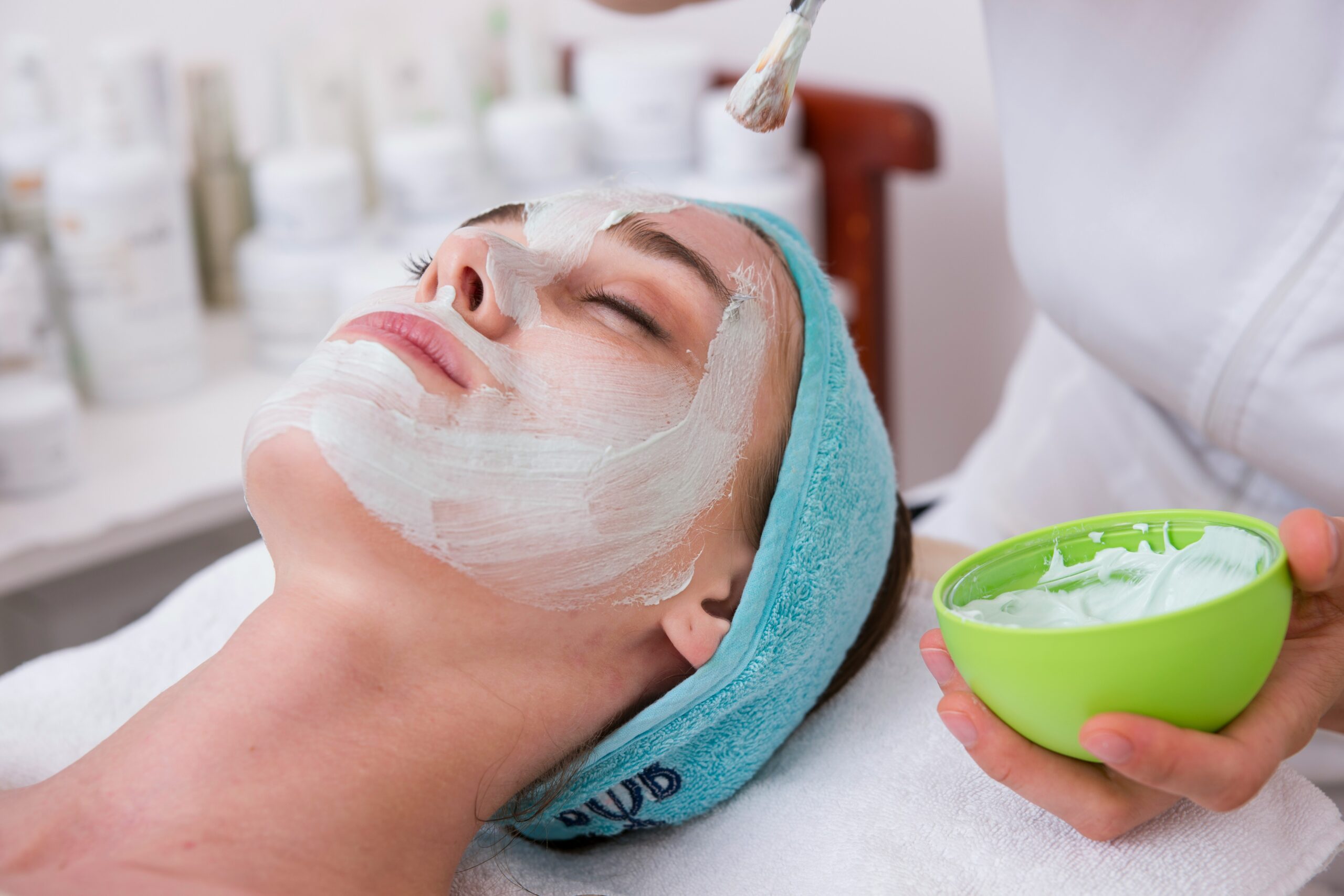
    If moisturizing and exfoliating alone aren’t cutting it, a lifting facial can revive your complexion. These treatments often include techniques to improve circulation, leaving your skin glowing and refreshed.

    5. Under-Eye Bags Are Starting to Appear

    Puffy, sagging skin under your eyes is a telltale sign of aging (and exhaustion). A lifting facial can help tighten the delicate skin around your eyes, reducing puffiness and restoring a more awake, youthful look.

    6. You’ve Noticed Uneven Skin Texture

    Rough patches, uneven tone, and enlarged pores can make your skin look aged. Lifting facials often combine firming technology with gentle exfoliation, giving you a silky-smooth texture.

    7. You’ve Started Seeing Nasolabial Folds

    Have deeper smile lines popped up on your face? These are common as skin loses volume and elasticity. Lifting facials use methods like microcurrents to lift and smooth those areas.

    8. Your Neck is Showing Signs of Aging

    Don’t forget that your neck is just as prone to sagging and wrinkling as your face! Many lifting facial treatments are designed to address both areas, ensuring overall harmony in your appearance.

    9. You’ve Lost Volume in Your Cheeks

    Sunken or flat cheeks can age your face dramatically. Lifting treatments stimulate collagen production, which restores plumpness and a more youthful contour.

    10. Your Skin Feels Dry and Dehydrated

    Dryness can make aging skin look even worse. Many lifting facials include hydrating serums packed with hyaluronic acid to replenish moisture and strengthen your skin’s barrier function.

    11. Your Makeup Doesn’t Sit Right on Your Face

    If your makeup starts cracking, creasing, or looking patchy, it might be a sign that your skin’s elasticity isn’t what it used to be. A lifting facial smooths and tightens the surface of your skin, making it the perfect canvas for flawless makeup.

    12. You Want to Prevent Future Signs of Aging

    Even if you’re not yet seeing drastic changes in your skin, preventative treatments can work wonders. A lifting facial can slow down the appearance of aging, keeping your skin looking youthful for longer.

    The Benefits of Lifting Facial Treatments

    If any of the signs above resonate with you, a lifting facial treatment could be the answer. The benefits go far beyond the visible improvements to your skin. Here’s what you can expect:

    • Non-Invasive Results: Unlike surgical options, lifting facials offer noticeable results without downtime or discomfort.
    • Boosted Confidence: With smoother, tighter skin, you’ll feel more confident every time you look in the mirror.
    • Long-Term Benefits: Many lifting treatments stimulate collagen and elastin production, meaning your skin continues to improve over time.
    • Customizable Solutions: Most treatments can be tailored to suit your unique skin type and concerns, ensuring you get the best possible results.

    Tips for Maximizing Your Results

    Once you’ve decided on a lifting facial treatment, there are steps you can take to make the most of it.

    Stay Hydrated

    Drinking plenty of water keeps your skin hydrated, which enhances the effects of your treatment.

    Commit to a Solid Skincare Routine

    Pair your lifting facial with a quality skincare routine that includes sunscreen, serums, and moisturizers designed to support skin health.

    Be Consistent

    For the best results, lifting facials are often recommended as part of a series. Ask your aesthetician about scheduling follow-up sessions.

    Look Your Best Without Surgery

    A lifting facial treatment is a fantastic way to achieve youthful, radiant skin without invasive procedures. Whether you’re dealing with sagging, dullness, or fine lines, this treatment can help restore your skin’s elasticity and confidence.

    Book a consultation today at Kelly Oriental to learn more about how lifting facial treatments can transform your skin!

  • 12 Things to Expect From A TCM Tuina

    12 Things to Expect From A TCM Tuina

    Are you considering a Traditional Chinese Medicine (TCM) Tuina massage but unsure of what to expect? Whether you’re familiar with TCM or new to its practices, TCM Tuina is a therapeutic massage that offers a unique blend of healing and relaxation. But unlike spa-style massages, Tuina focuses on addressing specific health concerns and restoring balance in the body.

    This blog will walk you through 12 key things you can expect during a Tuina massage session, so you can feel prepared and confident about trying this ancient therapy.

    What is TCM Tuina?

    Before we get into the specifics, let’s start with the basics. Tuina (pronounced “twee-nah”) is one of the oldest forms of Traditional Chinese Medicine, dating back over 2,000 years. The name translates to “push” (tui) and “grasp” (na), which describes the primary techniques used during the massage.

    Unlike Western-style massages that focus on muscles and relaxation, Tuina works on the body’s energy pathways, or meridians, to remove blockages and encourage the flow of Qi (life energy). This makes it both a physical and energetic therapy for improving overall well-being.

    Now, let’s explore what you can expect from a Tuina session.

    1. A Holistic Consult Before the Massage

    Tuina is deeply rooted in Traditional Chinese Medicine principles, which means an initial consultation is often part of the process. Your practitioner may ask about your symptoms, physical concerns, lifestyle habits, and emotional well-being. They’ll also examine factors such as your tongue and pulse to gain a holistic understanding of your health.

    This helps them tailor the treatment to achieve balance and harmony in your body’s Qi.

    2. Therapeutic Focus Areas

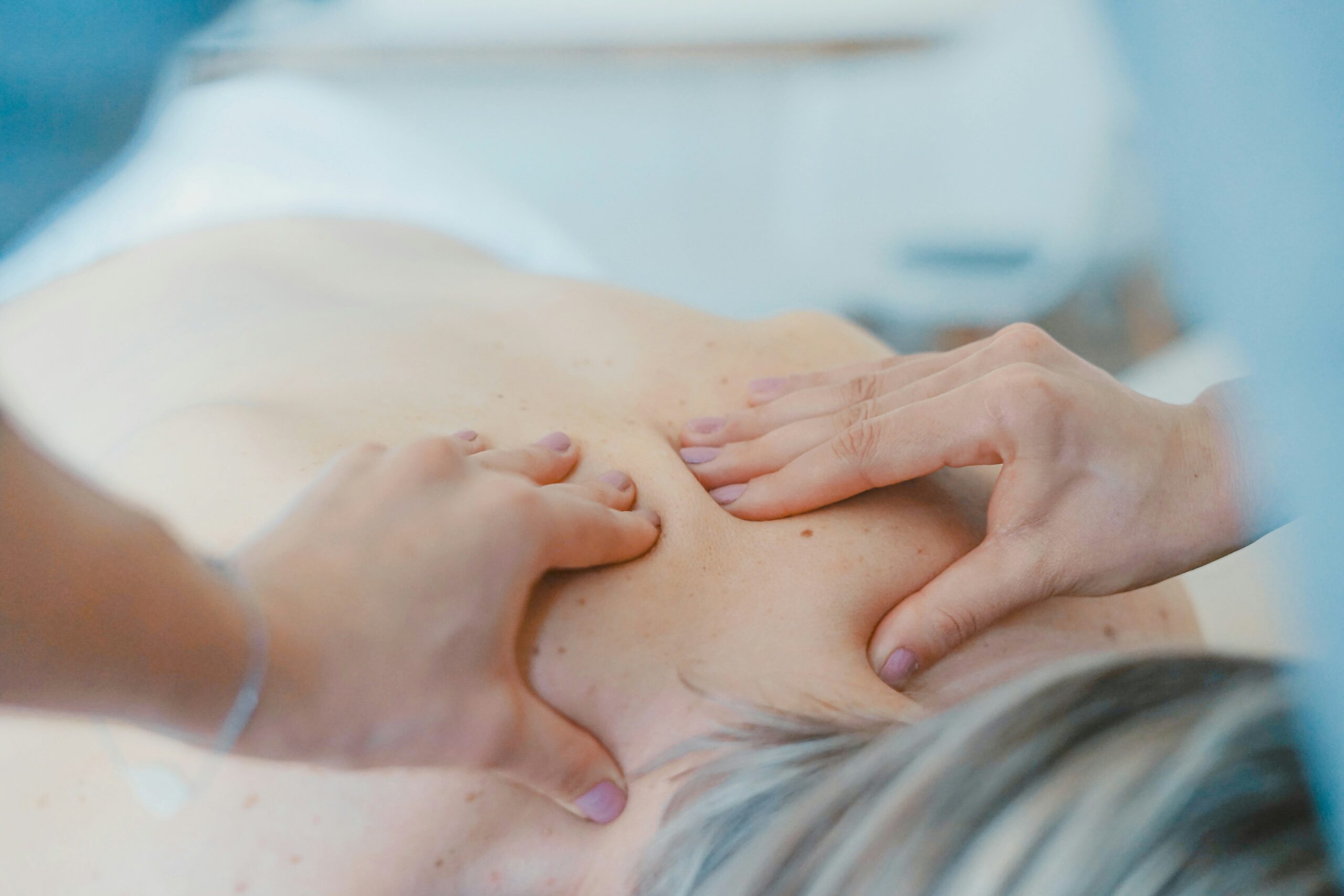
    Unlike spa massages that aim for general relaxation, Tuina focuses on specific areas of discomfort or imbalance. Whether you’re dealing with chronic back pain, a stiff neck, or digestive issues, your therapist will target the problem areas using precise, purposeful movements.

    3. Pressure That Feels Firm Yet Comfortable

    Tuina tends to use firmer pressure compared to a Swedish massage, but this doesn’t mean it should be painful. Your therapist will apply pressure to key acupressure points and muscles to release tension, improve circulation, and stimulate the flow of Qi without causing discomfort. If at any point the pressure feels too intense, don’t hesitate to communicate with your practitioner.

    4. A Wide Range of Techniques

    What sets Tuina apart is the variety of techniques involved. You may experience a combination of pushing, kneading, rolling, tapping, and even grasping motions, each designed to promote healing and balance. Some sessions may also include passive stretching to loosen tight muscles and joints.

    5. Targeted Use of Acupressure Points

    Acupressure plays a prominent role in Tuina. Practitioners will apply direct pressure to your body’s acupoints, which correspond to specific organs and systems in TCM. This stimulation helps unblock meridians, improve energy flow, and encourage self-healing.

    For example, if you’re suffering from migraines, your therapist might apply pressure to points near your temples or base of the skull to alleviate tension headaches.

    6. No Oil or Lotion

    Unlike Western-style massages, Tuina doesn’t typically involve oils or lotions. This is because the massage relies on friction to engage the Qi and stimulate acupressure points effectively. You’ll usually remain fully clothed, so wearing loose, comfortable clothing is recommended.

    7. May Include Herbal Compresses or Heat Therapy

    Some Tuina sessions incorporate additional healing modalities like herbal compresses or heat therapy. These are designed to enhance the therapeutic effects of the massage by improving blood flow, relaxing muscles, or addressing conditions like arthritis and chronic pain.

    8. A Sense of Energy Alignment

    Tuina goes beyond addressing physical discomfort; it also works on the energetic level. Many clients report feeling a greater sense of alignment and energetic balance after a session. This is one of the reasons Tuina is considered both a physical and emotional healing practice.

    9. Possible Immediate Results

    One of Tuina’s most significant benefits is how quickly you might feel results. Clients often experience immediate relief from pain or tension after a session. However, this depends on the severity of your condition and how your body responds to the treatment.

    10. Mild Soreness or Fatigue Afterward

    It’s not uncommon to feel mild soreness or fatigue after your session. This is a normal part of the healing process as your body adjusts to the release of blockages and improved energy flow. Many practitioners recommend staying hydrated and avoiding strenuous activities for the rest of the day.

    11. Frequent Sessions for Chronic Issues

    While you might feel instant relief, chronic issues may require multiple sessions to see long-term results. Your practitioner will likely recommend a treatment plan tailored to your needs, which could range from weekly sessions to monthly maintenance depending on your goals.

    12. A Strong Connection to Wellness

    Beyond its physical benefits, many find Tuina promotes a deeper awareness of their body and overall health. This therapy aligns with TCM’s holistic philosophy, reminding us that wellness isn’t just the absence of pain—it’s a balance of body, mind, and energy.

    Why Try a TCM Tuina?

    Tuina offers a unique blend of therapeutic relief and holistic healing. Whether you’re dealing with specific ailments or simply looking for a way to restore balance in your life, it’s a treatment that can provide lasting benefits for your physical and emotional well-being.

    Take the First Step Towards Healing

    If you’re ready to experience the therapeutic benefits of Tuina, book a session with a qualified TCM practitioner at Kelly Oriental. Not only will you walk away with a relaxed body, but you’ll also feel a renewed sense of balance and energy.

  • 12 Affordable Facial Treatments for Sensitive Skin

    12 Affordable Facial Treatments for Sensitive Skin

    Struggling to find skincare solutions that don’t break the bank—or your skin? When you have sensitive skin, finding facial treatments that soothe, rather than irritate, can feel like a challenge. Add budget concerns into the mix, and the task seems even trickier. The good news? There’s a range of affordable facial treatment for sensitive skin while keeping your wallet happy.

    Whether you’re searching for at-home remedies or budget-friendly options at the spa, this guide has you covered. Read on to find 12 affordable facial treatments designed to promote skin health, reduce irritation, and leave your skin looking its best.

    What Does Sensitive Skin Mean?

    Sensitive skin is not a medical diagnosis but rather a term used for a skin type that’s more reactive than “normal.” People with sensitive skin often experience redness, dryness, itching, or stinging after using some skincare products or being exposed to certain environmental factors. If this sounds familiar, you’ll want to focus on gentle treatments that prioritize hydration, minimal irritants, and anti-inflammatory benefits.

    Now, let’s explore the treatments that suit sensitive skin without draining your bank account.

    1. Oatmeal Masks

    Oatmeal is nature’s remedy for calming sensitive skin. Its anti-inflammatory and antioxidant properties make it ideal for reducing redness and irritation.

    How to Use:

    Simply mix ground oats with water or yogurt to create a soothing mask. Apply it to clean, damp skin for 10–15 minutes before rinsing. Result? Hydrated, calm skin without the redness. Best of all, the ingredients likely already exist in your pantry.

    2. Aloe Vera Gel

    Aloe vera is a go-to natural ingredient for sensitive skin due to its cooling and hydrating properties.

    How to Use:

    Use pure aloe gel as your moisturizer or apply it as a calming mask after cleansing. Look for beauty products labeled as 100% pure aloe to avoid additives or alcohol.

    3. Cucumber Slices or Masks

    Cucumber isn’t just for eye puffiness—it’s a great all-over skin soother. It’s hydrating, refreshing, and incredibly affordable.

    How to Use:

    Blend cucumber into a paste and apply it to your face before rinsing, or simply use cold cucumber slices for a quick refresh. Pro tip: Keep them in the fridge for an added cooling sensation.

    4. Chamomile Facial Steams

    Chamomile tea isn’t just for relaxation; it’s also a wonderful ingredient for sensitive skin care. A chamomile facial steam can calm irritation and prep your skin to absorb moisturizing products.

    How to Use:

    Brew a strong cup of chamomile tea, pour it into a bowl, and lean over it with a towel draped over your head to trap the steam. Spend 5–10 minutes enjoying the calming effects.

    5. Sheet Masks for Sensitive Skin

    The beauty aisles are now packed with sensitive-skin-friendly sheet masks that are both budget-friendly and effective. Look for masks with ingredients like hyaluronic acid, aloe, or chamomile.

    Brands to Consider:

    • The Crème Shop’s Aloe Vera Sheet Mask
    • MISSHA Pure Source Cell Sheet Mask (Aloe)

    At around $2–5 each, these single-use masks are a luxurious experience at a fraction of the cost of a spa treatment.

    6. DIY Honey Mask

    Honey is a game-changer for sensitive skin. Its antimicrobial and healing properties make it ideal for reducing redness and softening your skin.

    How to Use:

    Apply raw honey directly to slightly damp skin and leave it on for 20 minutes. Rinse off with warm water, and you’ll be amazed by your skin’s softness.

    7. Micellar Water for Gentle Cleansing

    Micellar water is an excellent low-cost way to gently remove makeup and cleanse your skin without causing irritation. Formulated to draw out dirt and oil while maintaining the skin’s barrier, it’s perfect for daily use.

    Recommendation:

    Consider Bioderma Sensibio H2O or Garnier Micellar Water for Sensitive Skin. Both are widely available and cost-effective for your skincare routine.

    8. DIY Yogurt and Turmeric Mask

    This simple recipe is a multitasker for soothing irritation and adding nourishment to sensitive skin. Yogurt hydrates, while turmeric provides anti-inflammatory benefits (just use sparingly to avoid staining).

    How to Use:

    Mix a tablespoon of plain yogurt with a pinch of turmeric. Apply it to clean skin for 5–10 minutes and rinse off gently.

    9. Witch Hazel Toner

    Witch hazel is a natural astringent with soothing properties. While it’s a go-to for oily-skin types, some alcohol-free versions are great for sensitive skin—it soothes redness and lightly hydrates.

    What to Look For:

    Choose an alcohol-free variety like Thayers Alcohol-Free Witch Hazel Toner. It’s effective, affordable, and readily available in most drugstores.

    10. Jojoba Oil as a Moisturizer

    Jojoba oil mimics the skin’s natural sebum, making it ideal for sealing in hydration without clogging pores. It’s chemical-free, making it perfect for easily irritated skin.

    How to Use:

    Apply 2–4 drops to your face as the last step in your routine. Use it as a lightweight moisturizer or layer it over other serums for added hydration.

    11. Cooling Gel Moisturizers

    For lightweight hydration that won’t overwhelm sensitive skin, opt for gel-based moisturizers loaded with calming ingredients like hyaluronic acid and vitamins.

    Budget-Friendly Pick:

    • Neutrogena Hydro Boost Gel-Cream (fragrance-free). It’s around $20 at most stores, and a little goes a long way for deeply hydrated, happy skin.

    12. DIY Green Tea Face Mist

    Green tea is rich in antioxidants and soothes irritated skin. Turning it into a mist is a quick and refreshing way to rehydrate and calm sensitivity throughout the day.

    How to Use:

    Brew a cup of green tea, allow it to cool, and store it in a spray bottle. Spritz your face throughout the day to enjoy an instant refresh.

    Final Thoughts on Affordable Treatments for Sensitive Skin

    Sensitive skin doesn’t mean you need to break the bank to achieve a calm, radiant complexion. From pantry staples like honey and oatmeal to cost-effective skincare products, these 12 treatments prove that affordable options are abundant for sensitive-skin care.

    Remember, the key to maintaining happy, healthy skin is consistency. Stick to what works, patch-test new products, and always choose simplicity over complicated routines. Your skin (and wallet) will thank you!

    Looking to refine your sensitive skincare routine even more? Check out our product recommendations at Kelly Oriental or subscribe to our newsletter for monthly skincare tips and deals.

  • 20 Shots You Must Get At Your Wedding Photography

    20 Shots You Must Get At Your Wedding Photography

    Your wedding is one of the most important days of your life, filled with unforgettable moments and cherished memories. To keep those memories alive forever, having the right photos taken is essential. But with so many emotions, traditions, and candid moments happening throughout the day, how do you ensure nothing gets missed? We’ve compiled the ultimate list of 20 must-have wedding photography shots that will make your wedding album a timeless treasure.

    Whether you’re a couple preparing for the big day or a wedding photographer looking to shine, this guide will help keep your lens focused on the moments that really count.

    Start With the Foundations

    1. The Dress and Accessories

    Capture the intricate details of the wedding dress before it’s worn. Showcase the lace, beadwork, or unique textures. Include shots of the shoes, jewelry, veil, and rings creatively styled to tell a story.

    2. The Invitation Suite

    A flat lay of the wedding invitation, with curated touches like flowers or ribbons, adds a sophisticated and personal touch to the story you’re telling.

    3. Getting Ready Moments

    The behind-the-scenes moments of preparation are emotional and full of anticipation.

    • The bride putting on her dress with the help of family or bridal party.
    • The groom adjusting his tie, cufflinks, or having a heartfelt moment with his best man.

    4. First Look (Optional)

    If the couple decides on a first-look session, this private moment of seeing each other before the ceremony is nothing short of magical. Candid emotions are often raw and genuine, making for unforgettable shots.

    Ceremony Shots to Treasure Forever

    5. The Venue and Decorations

    Before the guests arrive, photograph the ceremony setup. From the aisle décor to the floral arch and chairs, these small details bring the day to life when looking back.

    6. The Walk Down the Aisle

    Capture the bride making her grand entrance, the groom’s reaction as he sees her, and the escort (a parent or loved one) walking her down the aisle.

    7. Vows and Ring Exchange

    The exchange of vows is one of the most heartfelt parts of the day. Zoom in on the couple’s facial expressions and the hands during the ring exchange to capture the emotion.

    8. The First Kiss

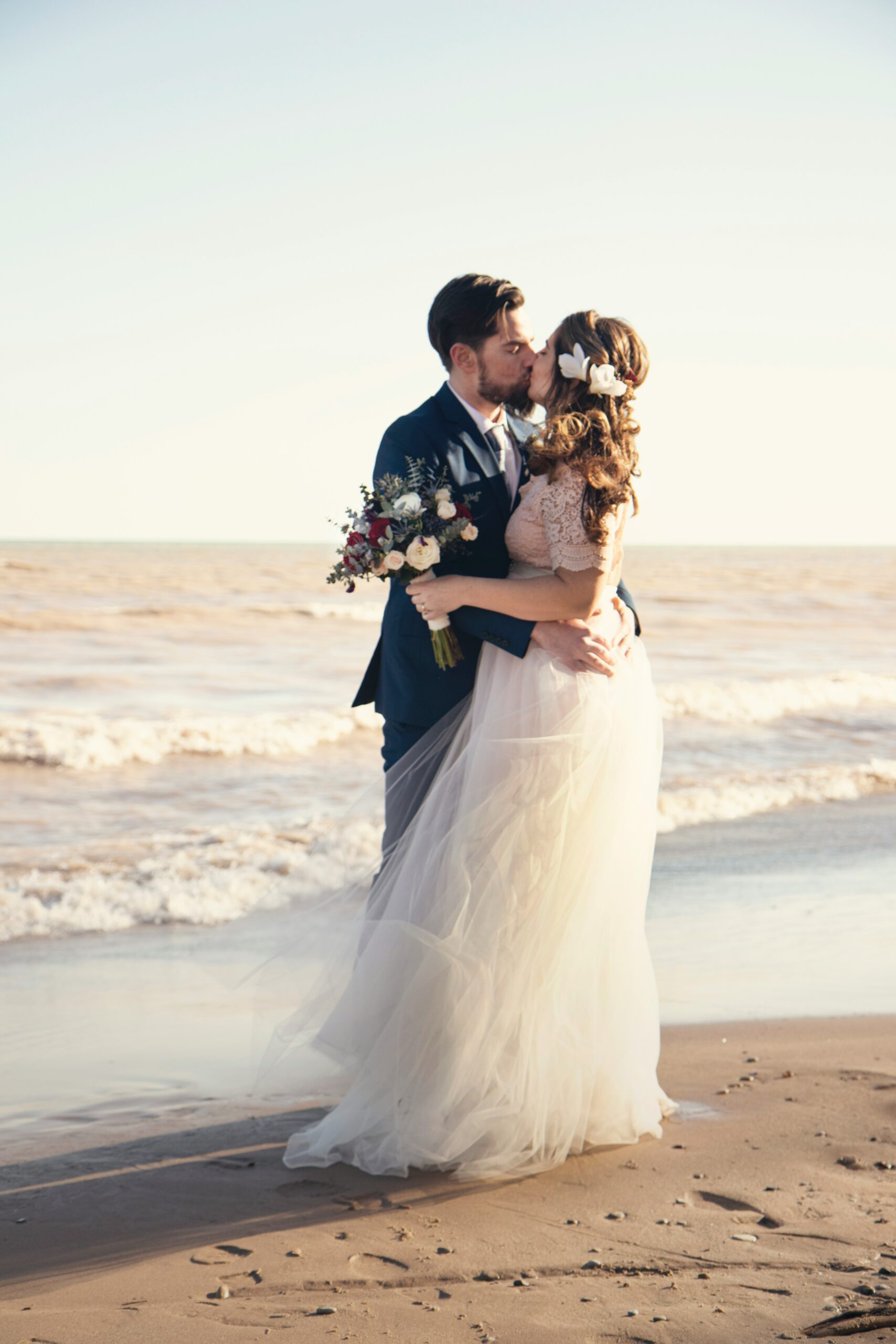
    A classic moment not to miss. It’s the culmination of the ceremony and the start of a new chapter for the couple.

    Candid Moments During the Day

    9. The Emotional Reactions

    Whether it’s happy tears from the parents or a flower girl lost in fascination, these unposed moments make the wedding day feel real when revisiting the photos.

    10. Group Reactions to Key Moments

    Think of the guests’ smiles, laughter, and even surprised reactions throughout the ceremony and speeches. These candid shots showcase the joy felt by everyone.

    Post-Ceremony Portraits

    11. Newlywed Portraits

    Right after the ceremony, carve out time for intimate photos of the newlyweds. Whether outdoors with natural light or somewhere symbolic and close to their hearts, these are the ones they’ll frame forever.

    12. Bridal Party Fun

    Get creative with the bridal party! Playful group shots, like the squad walking together, can balance out traditional posed portraits.

    13. Family Formals

    Don’t forget to list the family combinations beforehand. Formal pictures with parents, grandparents, siblings, and extended family are treasured keepsakes.

    Reception Must-Haves

    14. Reception Décor

    Showcase all the effort put into creating the atmosphere. From the centerpieces and table settings to the lighting and favors, these details deserve to be preserved.

    15. Grand Entrance

    The couple’s grand entrance is often filled with cheers, applause, and energy. Capture the joy on their faces as they walk in as newlyweds.

    16. First Dance

    A timeless shot of the couple’s shared first dance is a must. Focus on the couple’s connection while also incorporating any ambient details, like soft lighting or the mesmerized crowd around them.

    17. The Toasts

    Candid shots of speeches and toasts, as well as people’s reactions—whether it’s tears of joy or laughter—add personality to the album.

    18. Cake Cutting

    From the perfectly decorated cake to the couple sharing or playfully feeding each other a bite, these moments are always lighthearted and fun.

    The Finale

    19. Dance Floor Magic

    The reception is where everyone lets loose! Photograph the highlights of people dancing, having fun, and celebrating the love. Keep an eye out for both the epic dance-offs and the tender slow dances.

    20. The Grand Exit

    Whether it’s sparklers, confetti, or a stylish getaway car, the grand exit perfectly captures the joy and excitement of the send-off.

    A Few Expert Tips for Perfect Shots

    • Create a Schedule: Build a timeline with the couple to ensure every must-have moment is captured without feeling rushed.
    • Scout Locations Ahead of Time: Visit the venue(s) to visualize shots and identify the best spots for lighting and framing.
    • Use Natural Light: Whenever possible, make use of soft, natural light for a warm, timeless feel.

    Your Timeless Memories in the Making

    Photography is one of the few things that live on forever after your wedding day. By prioritizing these 20 must-have shots, you’ll have an album that tells a complete story—one filled with love, laughter, and the details that made your day uniquely yours.

    And if you’re still unsure of how to capture the perfect wedding moments, consider hiring a professional from The Clover Photo who can help create a stress-free photography experience.

  • How to Achieve Classy Wedding Photography

    How to Achieve Classy Wedding Photography

    Weddings are once-in-a-lifetime events, and photographs are the enduring reminders of these precious moments. Beautifully composed, timeless wedding photography allows couples to relive their special day for decades to come. But achieving that “classy” look—stylish, elegant, and truly timeless—requires more than just a good camera and a keen eye.

    Whether you’re a professional photographer or a soon-to-be-married couple seeking perfect photography, this guide will show you how to achieve classy wedding photography that preserves memories in a polished and sophisticated way.

    Why Classy Wedding Photography Matters

    Classy wedding photography is about storytelling. It’s capturing the joy, intimacy, and unique essence of a wedding day while maintaining an aesthetic that never goes out of style. Unlike trends that may date an album in a few short years, “classy” photographs are marked by their clean compositions, elegant edits, and emotional resonance. They endure—just like the love story they celebrate.

    If you’re aiming for wedding photos that look just as stunning decades from now as they do today, following these strategies will help you create images that embody timeless sophistication.

    1. Understand the Couple’s Style and Vision

    No two weddings are alike, and every couple has their own unique personality and preferences. Before the big day, take time to deeply understand the vision the couple has for their photos.

    Questions to ask before the wedding:

    • What is your photography style? Do they prefer traditional poses or candid, documentary-style shots?
    • Are there specific shots they want? Think first looks, family portraits, or sentimental details like heirloom jewelry.
    • What mood should the pictures convey? Should they feel light and airy, dramatic and moody, or warm and romantic?

    Aligning on style and vision in advance ensures that your photography will reflect the personality of the event while staying true to the couple’s definition of timelessness.

    2. Focus on Lighting for Elegance

    Classy photography relies heavily on lighting. The right lighting can transform an ordinary shot into an ethereal masterpiece.

    Use natural light:

    Soft, golden light from the early morning or late afternoon (often referred to as “golden hour”) is your best bet for capturing warm, romantic images. Avoid harsh midday sunlight by scheduling outdoor couple portraits during more forgiving times of day.

    Master indoor lighting:

    Weddings often take place indoors, under varying lighting conditions. Carry tools like portable diffusers or reflectors to soften harsh light, and consider using candlelight or fairy lights artfully for a softer, more elegant glow.

    Well-executed lighting will add depth to your photos, make skin tones glow, and enhance the overall mood.

    3. Nail the Composition

    Composition is at the heart of every powerful photograph. Classic compositions never go out of style, so focus on framing your shots carefully.

    Key techniques:

    • Rule of thirds: Divide your frame into three equal parts both vertically and horizontally. Position your subject at one of the intersections to create a balanced, appealing image.
    • Leading lines: Use architectural elements like aisles, arbors, or staircases to draw the viewer’s eye toward the couple.
    • Negative space: Don’t overcrowd your shots. Leaving clean spaces around the couple can create a modern, elegant feel.
    • Symmetry: Utilize symmetrical backdrops, such as archways or reflective water, to add an element of visual harmony.

    Take your time to compose each shot intentionally—it’s the small details that distinguish a truly professional image.

    4. Showcase the Details

    Every wedding is filled with beautiful, thoughtful details that deserve to be highlighted in the album. Close-ups of the flowers, rings, place cards, or the lacework on a gown can be just as poignant as the big group shots.

    Tips for detail shots:

    • Use a macro lens: This will help you capture intricate textures with pristine clarity.
    • Play with angles: Experiment with perspectives to create unique, compelling compositions.
    • Add context: Set details against meaningful backdrops, like a bouquet resting on the bride’s gown or the invitation suite placed beside heirloom jewelry.

    Documenting these details adds finesse to the wedding story and provides the couple with beautiful memories of all the hard work that went into their day.

    5. Encourage Authentic Moments

    While posed photographs are essential, candid moments often hold the greatest emotional value. These unguarded interactions truly evoke the spirit of the day.

    How to capture authenticity:

    • Blend in: Be present and ready to shoot, but remain unobtrusive. People act more naturally when they forget the camera is there.
    • Keep the camera rolling: The moments before and after the official photos are often just as beautiful as the planned poses.
    • Look for emotion: Whether it’s the groom’s reaction to the bride walking down the aisle, laughter during speeches, or a quiet glance shared in a crowd, capture those fleeting moments of raw emotion.

    Candid shots ground a wedding album in genuine feeling, keeping the photos timeless and memorable.

    6. Edit with a Light Touch

    A common trap photographers fall into is over-editing. Heavily edited photos can date quickly, detracting from the timeless, classy aesthetic.

    Editing tips:

    • Keep it natural: Focus on adjusting brightness, contrast, and tones without veering into artificial or exaggerated effects.
    • Choose a neutral color palette: Soft whites, warm neutrals, and clean blacks work beautifully to create timeless images.
    • Focus on consistency: Maintain a cohesive editing style across the entire album to ensure it feels professionally curated.

    The goal is not to alter reality but to enhance it, making every moment appear its most beautiful without losing authenticity.

    7. Build a Connection with the Couple

    The best wedding photographers don’t just take pictures—they build relationships. By making the couple feel comfortable and at ease, you’ll encourage them to show their most genuine emotions, resulting in better photos.

    Check in with the couple throughout the day and reassure them when necessary. Wedding days can be stressful, and having a calm, supportive photographer can make all the difference.

    8. Plan for the Unexpected

    Even with perfect preparation, unexpected challenges can arise. Rain might change the timeline, lighting might be worse than expected, or a key guest may run late. Staying adaptable is crucial.

    Always be prepared:

    • Scout the venue ahead of time to identify backup photo locations.
    • Keep extra batteries, memory cards, and backup gear on hand.
    • Build extra time into the schedule to account for last-minute changes.

    A photographer who can remain creative and professional under unexpected circumstances will deliver an album that exceeds expectations—rain or shine.

    Cherish Every Moment Through Classy Photography

    Classy wedding photography is more than just aesthetics—it’s about preserving the essence of a couple’s love story in a way that will stand the test of time. Whether it’s soft lighting, perfectly composed portraits, or unscripted emotions, these images will become treasured artifacts for years to come.

    If you’re getting married and want expert guidance to achieve timeless wedding photos, contact our team of professional photographers today at The Clover Photo. We’ll ensure your wedding album is as stunning as the memories themselves.