Ordering seafood online can feel like a gamble. For generations, the standard practice in Singapore was to visit the local wet market early in the morning. Shoppers would inspect the catch, look the fishmonger in the eye, and personally select the best pieces for dinner. The tactile experience of pressing the flesh, checking the clarity of the fish’s eyes, and smelling the ocean breeze was part of the culinary ritual.
Now, digital convenience has transformed how we shop for groceries. Ordering groceries online saves hours of commuting and queuing. You can easily click a button and have premium salmon, live mud crabs, or fresh prawns delivered straight to your doorstep. But this convenience brings a significant challenge: how do you guarantee the quality of your seafood when you cannot inspect it in person?
The good news is that you do not need to physically touch the fish before buying to ensure it is fresh. Modern logistics, transparent business practices, and clear arrival checks make it entirely possible to secure top-tier catches online. By understanding a few crucial strategies, you can confidently order seafood delivery in Singapore and enjoy restaurant-quality meals at home.
This guide will walk you through exactly how to spot freshness without seeing the product beforehand. You will learn how to vet suppliers, understand cold chain logistics, and perform quick checks the moment your delivery arrives.
The Shift to Digital Seafood Markets in Singapore
Singapore has a deep-rooted appreciation for fresh seafood at places like Red Dot Market. From chili crab to steamed pomfret, marine ingredients are central to the local diet. Historically, this meant relying on physical markets.
Convenience Meets Culinary Tradition
The transition to online platforms happened out of necessity, but it has stayed because of sheer convenience. Busy professionals and young families often lack the time for early morning market runs. Online seafood delivery services stepped in to fill this gap. They offer an incredible variety of local and imported goods, often sourced directly from fisheries or wholesale ports like Senoko.
By removing the middleman, many online vendors actually provide fresher produce than what you might find sitting on a supermarket shelf all day. The seafood is often processed in temperature-controlled environments and dispatched immediately.
Overcoming the Fear of the Unseen
Despite these advantages, the inability to verify quality before paying remains a hurdle for many consumers. When you buy from a digital storefront, you rely entirely on the vendor’s integrity. Overcoming this fear requires shifting your focus. Instead of inspecting the fish yourself, you must inspect the business practices of the company selling it.
Key Indicators of a Reliable Seafood Delivery Service
Before you add anything to your digital cart, you need to evaluate the supplier. A trustworthy vendor will make it very easy for you to see how they handle their products.
Transparent Sourcing and Traceability
High-quality seafood vendors are proud of their sourcing. They will explicitly state where their fish comes from. Look for product descriptions that mention specific origins, such as Norwegian salmon, Japanese scallops, or locally farmed barramundi from Singaporean coastal waters.
Traceability is a massive indicator of quality. If a website cannot tell you if a fish is wild-caught or farm-raised, you should look elsewhere. Detailed sourcing information shows that the supplier has direct relationships with fisheries and understands the supply chain.
Proper Cold Chain Management
Temperature control is the absolute most critical factor in seafood freshness. The cold chain refers to an unbroken series of refrigerated production, storage, and distribution activities.
Read the vendor’s delivery policies carefully. Do they use insulated cooler bags? Do they pack the seafood with dry ice or gel packs? Are their delivery vehicles refrigerated? A premium seafood delivery service in Singapore will proudly advertise their cold chain logistics. They know that maintaining a consistent temperature from the processing facility to your kitchen is the only way to prevent bacterial growth and preserve flavor.
Customer Reviews and Community Reputation
When you cannot inspect the food, let previous buyers do it for you. Look beyond the testimonials on the vendor’s own website. Check independent review platforms, social media tags, and food forums.
Pay attention to recurring themes in the reviews. Do customers frequently complain about late deliveries? Late deliveries often mean compromised temperature control. Conversely, consistent praise about the firmness of the fish and the lack of fishy odors strongly suggests a reliable supplier.
What to Look for When Your Order Arrives
You vetted the supplier, placed your order, and the delivery driver just handed you the package. Now is the time to perform a physical inspection. Even with the best vendors, occasional mishaps occur. Knowing how to assess the delivery immediately ensures you can request a replacement if necessary.
The Immediate Smell Test
Fresh seafood should never smell highly “fishy.” Instead, it should smell like the ocean—briny, clean, and faintly sweet.
When you open the insulated bag or packaging, take a quick sniff. If you are hit with a strong, sour, or ammonia-like odor, the seafood has begun to spoil. This sharp smell is a byproduct of bacterial breakdown. If your delivery smells unpleasant, take photos of the packaging and contact the vendor’s customer service immediately.
Visual Cues: Eyes, Gills, and Flesh
If you ordered whole fish, the visual inspection is straightforward.
- The Eyes: They should be crystal clear, plump, and slightly protruding. Cloudy, sunken, or milky eyes indicate an older catch.
- The Gills: Lift the gill cover. The gills should be bright red or pink and free of sticky mucus. Brown or faded gills are a warning sign.
- The Flesh: Whether you bought a whole fish or fillets, the meat should look shiny and vibrant. Dull, opaque, or discolored patches mean the product is past its prime.
The Texture Check
Fresh seafood has a firm, resilient texture. Press your finger gently into the flesh of the fish fillet. It should bounce back immediately, leaving no indentation. If the flesh feels mushy, slimy, or your fingerprint remains depressed, the cell structure has broken down due to age or poor temperature control.
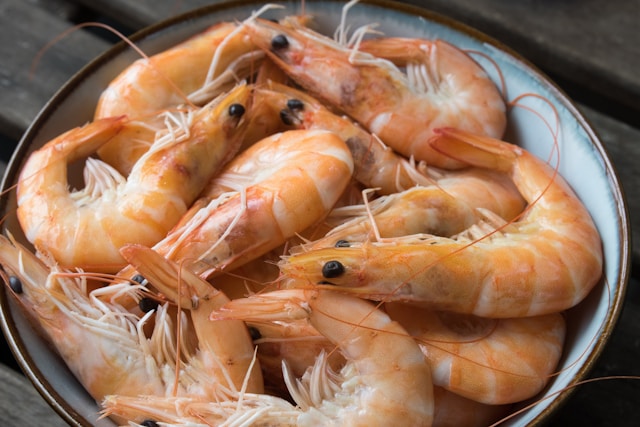
For shellfish like crabs and prawns, the shells should feel hard and intact. Prawns should not feel excessively slippery or mushy, and their heads should be firmly attached to the bodies.
Top Questions to Ask Your Singapore Seafood Supplier
If you are unsure about a new delivery service, do not hesitate to contact their support team before ordering. A reputable company will gladly answer your questions.
- How long does it take for the seafood to go from the port to your facility?
- Do you process and pack the seafood in a temperature-controlled room?
- What happens if my order arrives thawed or warm?
- Do you provide preparation services like scaling, gutting, and filleting?
Asking these questions helps you gauge their customer service responsiveness and their commitment to food safety.
FAQ on Seafood Delivery in Singapore
How long can fresh seafood stay in the fridge before cooking?
Ideally, you should cook fresh seafood within one to two days of delivery. Keep it in the coldest part of your refrigerator, usually the bottom shelf. If you do not plan to eat it within 48 hours, freeze it immediately to maintain its quality.
Is frozen seafood worse than fresh seafood?
Not necessarily. In fact, seafood that is flash-frozen at sea immediately after being caught is often fresher than “fresh” fish that has spent days in transit. High-quality flash-frozen seafood locks in the flavor and nutritional value perfectly.
What should I do if my delivery arrives late?
If your delivery is delayed, the cold chain might be compromised. Upon receiving the package, check the internal temperature. Ensure the ice packs are still frozen and the seafood feels cold to the touch. If the items are warm, contact the supplier for a refund or replacement.
Are live seafood deliveries safe?
Yes, many premium vendors deliver live mud crabs, lobsters, and oysters. They are usually transported in special aerated environments or packed with damp materials to keep them alive and dormant. Always cook live seafood as soon as possible after receiving it.
Your Next Steps for a Perfect Seafood Feast
Navigating seafood delivery in Singapore does not have to be stressful. By focusing on vendor transparency, understanding cold chain logistics, and knowing exactly what to look for upon delivery, you can easily secure the freshest catch for your family.
Start by researching two or three reputable online seafood markets in Singapore. Read their sourcing policies and browse their reviews. Once you find a supplier that prioritizes proper handling and traceability, place a small trial order. Order a simple item, like salmon fillets or fresh prawns, to test their delivery speed and product quality. Soon, you will be confidently hosting spectacular seafood dinners without ever needing to visit the wet market again.