Discovering mold in your condo can be a deeply stressful experience. It often starts as a small, suspicious spot on the ceiling or a musty odor that you simply cannot track down. Before long, you might find yourself dealing with damaged drywall, compromised indoor air quality, and concerns about your health.
When property owners face this issue, their first instinct is usually to hire a professional remediation team to eliminate the problem immediately. After investing time and money into the cleanup process, a critical question naturally arises: will this fix last forever?
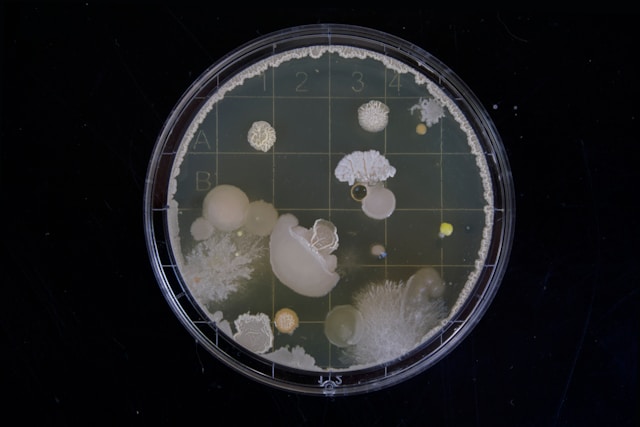
Understanding the nature of mold is the first step toward finding a lasting solution. Mold spores exist naturally in the air all around us. They only become a problem when they find the perfect environment to settle, multiply, and form visible colonies. Because these spores are an ever-present part of our ecosystem, completely eradicating them from an indoor environment is scientifically impossible.
However, you can successfully stop mold from growing in your living space. The key lies in changing the conditions of your condo so that these floating spores never find a welcoming place to land. By addressing the root causes of moisture and maintaining a healthy indoor climate, you can achieve a long-term solution.
Understanding the Root Causes of Condo Mold
To figure out if your mold removal will be permanent, you must first understand why the mold appeared in the first place. Fungi require three main ingredients to thrive: favorable temperatures, organic food sources like wood or paper, and moisture. Since you cannot remove building materials or lower your condo’s temperature to freezing, controlling moisture is your only effective defense.
High Humidity and Poor Ventilation
Condos are often built to be highly energy-efficient, which means they are tightly sealed to prevent heating and cooling loss. While this is great for your utility bills, it can be terrible for indoor air circulation. Activities like cooking, showering, and even breathing release significant amounts of water vapor into the air. If your exhaust fans are inadequate or you rarely open your windows, this moisture has nowhere to go. It eventually condenses on cool surfaces like windowsills and exterior walls, creating a perfect breeding ground for fungal growth.
Hidden Water Leaks
Plumbing issues are a notorious culprit for persistent moisture problems. A slow, hidden leak inside a wall cavity can dampen insulation and drywall for months before any visible signs appear. By the time you notice a water stain or a warped baseboard, a significant mold colony may have already established itself. Appliances like washing machines, dishwashers, and water heaters are also common sources of subtle leaks that feed mold growth.
Building Envelope Issues
Sometimes the problem originates from outside your specific unit. The building envelope includes the roof, exterior walls, and foundation. If there is a failure in any of these areas, water can intrude during heavy rainstorms or snowmelts. Poorly sealed windows, cracked brickwork, or a failing roof can allow moisture to seep into the building’s structural cavities. When this happens, multiple units might experience mold issues simultaneously.
The Mold Removal Process Explained
Professional remediation is a highly detailed process designed to safely remove fungal growth without spreading spores to unaffected areas of your home. Knowing what this process entails helps clarify why remediation alone does not guarantee a permanent fix.
Professional Assessment
A reputable remediation company will start with a thorough inspection for condo mold removal. They use specialized equipment like moisture meters and infrared cameras to locate hidden dampness behind walls and under floors. This step is critical because treating only the visible mold will inevitably lead to a recurrence.
Containment and Air Filtration
Before any physical removal begins, the affected area must be sealed off from the rest of the condo using heavy plastic sheeting. Negative air machines equipped with HEPA filters are run continuously. This setup ensures that when the mold is disturbed during the cleaning process, the microscopic spores are captured rather than circulated throughout your home’s HVAC system.
Cleaning and Antimicrobial Treatments
Porous materials like drywall, insulation, and carpeting that are heavily infested usually need to be completely removed and discarded. Non-porous surfaces like glass, metal, and solid wood can often be salvaged. Technicians clean these surfaces using specialized antimicrobial solutions that kill the remaining roots of the fungi. Once the area is clean, it must be thoroughly dried using industrial dehumidifiers and air movers.
So, Is the Removal Truly Permanent?
The short answer is no, mold removal is not permanently guaranteed just by completing the cleanup. The remediation process simply resets your condo to a clean, healthy baseline. It eliminates the current infestation, removes the contaminated materials, and treats the affected surfaces.
The Role of Environmental Control
The long-term success of any remediation project depends entirely on what happens after the cleanup crew leaves. If the original source of moisture is not fixed, the mold will undoubtedly return. For example, if professionals remove contaminated drywall under a leaking sink but the pipe is never repaired, the new drywall will eventually become damp and grow mold all over again.
Why Mold Returns
Mold usually comes back because of a failure to maintain a dry environment. Sometimes a new leak occurs, but more often, it is due to persistent high humidity. Many condo owners fail to run their bathroom exhaust fans long enough after a shower. Others might turn off their air conditioning entirely while away on vacation during humid summer months. These seemingly minor habits can easily recreate the damp conditions that allow dormant spores to reactivate and grow.
Actionable Steps to Prevent Mold from Returning
If you want your mold removal to be a lasting success, you must take proactive steps to control the environment inside your condo. Consistent maintenance and vigilance are your best tools.
Manage Indoor Humidity
Invest in a reliable digital hygrometer to monitor the moisture levels in your home. Your goal should be to keep indoor humidity between 30 and 50 percent. If you live in a particularly humid climate, running a dedicated dehumidifier might be necessary. Pay special attention to basements, bathrooms, and laundry rooms, as these areas naturally harbor more moisture.
Improve Air Circulation
Keep the air moving inside your unit. Run exhaust fans for at least thirty minutes after cooking or showering to expel steam outdoors. Leave interior doors open to allow your HVAC system to distribute air evenly. Make sure your furniture is pulled slightly away from exterior walls to prevent dark, stagnant pockets of air where condensation can easily form.
Promptly Address Leaks
Never ignore a plumbing issue, no matter how minor it seems. A dripping faucet or a running toilet can introduce excessive moisture into the air. Check the hoses on your washing machine and dishwasher annually for signs of wear and tear. If you notice any water stains on your ceiling, contact your property management immediately, as the leak is likely coming from the unit above you.
Condo Association vs. Owner Responsibilities
Dealing with condo mold adds an extra layer of complexity because of shared walls and shared maintenance responsibilities. It is crucial to read your condo association’s governing documents to understand who is responsible for what.
Generally, individual owners are responsible for everything from the drywall inward. This includes your appliances, internal plumbing fixtures, and maintaining proper indoor humidity. If a pipe under your sink bursts and causes mold, you will likely be footing the bill for the remediation.
The condo association is typically responsible for common areas and the building envelope. If a leak in the main roof causes water to drip into your ceiling and spawn a mold colony, the association should cover the cost of repairing the roof and remediating the mold in your unit. Clear communication with your property manager is essential when identifying the source of the water intrusion.
Frequently Asked Questions About Condo Mold
How much does professional mold removal cost?
The cost varies wildly depending on the extent of the infestation. A small, localized cleanup in a bathroom might cost a few hundred dollars. In contrast, extensive remediation involving structural tear-outs, major containment, and full reconstruction can easily run into the thousands.
Can I just paint over the mold?
Painting over mold is highly ineffective and strongly discouraged. Regular house paint provides a fresh food source for the fungi. The mold will simply eat through the new layer of paint, causing it to bubble, peel, and look worse than before. You must kill and remove the mold entirely before applying any new finishes.
Is bleach effective for killing mold?
Bleach is generally not recommended for treating porous surfaces like drywall or wood. While bleach can wipe out surface mold on non-porous materials like bathroom tiles, its chemical structure prevents it from penetrating deep into porous materials to kill the roots. The water content in the bleach can actually feed the hidden roots, causing the mold to return stronger a few weeks later.
Keeping Your Condo Safe and Healthy
Achieving a mold-free home requires an ongoing commitment to moisture control. Professional remediation is an excellent and necessary step to safely handle an active infestation, but it is only half the battle. By understanding how mold operates, improving your daily ventilation habits, and staying vigilant about plumbing leaks, you can protect your living space. Keep your condo dry, and you will keep the mold away for good.