Walking into an office building today looks vastly different than it did a decade ago. Hybrid work schedules mean that foot traffic fluctuates wildly from day to day. Shared workspaces and hot-desking setups have replaced assigned cubicles. With these shifts in how we use commercial spaces, the strategies we use to protect them must also adapt. Yet, many businesses still rely on outdated security measures, treating camera systems as an afterthought rather than a central component of their infrastructure.
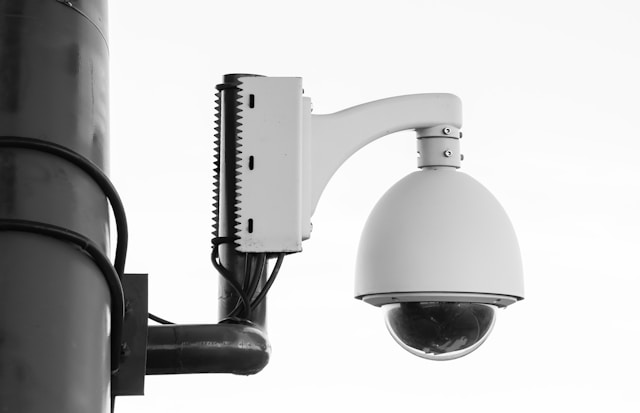
Camera surveillance in the workplace is often viewed strictly through the lens of loss prevention. Companies install a few cameras near the main entrances and the IT server room, assuming that is enough to deter unauthorized visitors. This bare-minimum approach leaves massive blind spots. Modern closed-circuit television systems offer profound benefits that extend far beyond simply catching a thief in the act. They serve as objective observers, operational tools, and vital safeguards for your most valuable asset: your people.
As physical workspaces evolve, upgrading and expanding your office surveillance network is a strategic necessity. Advanced camera networks now integrate with cloud technology, access control systems, and artificial intelligence. This makes them incredibly powerful tools for facility management and risk mitigation.
Understanding the full scope of what modern surveillance can do changes the conversation entirely. It shifts the narrative from a basic security checklist item to a comprehensive system that protects employees, limits corporate liability, and streamlines daily operations.
The Evolution of Workplace Security
Security cameras have undergone a massive technological leap over the past few years. The grainy, black-and-white footage recorded onto physical tapes is a relic of the past. Today’s IP (Internet Protocol) cameras record in ultra-high definition, capturing crisp details even in low-light conditions.
Moving to the Cloud
Older systems required bulky on-site servers and digital video recorders that were vulnerable to tampering or hardware failure. Modern surveillance relies heavily on cloud-based storage. This transition allows security teams and business owners to access live feeds and archived footage from anywhere in the world using a smartphone or laptop. If an alarm triggers at 2:00 AM on a Sunday, authorized personnel can instantly verify the threat without driving to the physical office.
Smart Detection and Alerts
Basic motion detection used to trigger false alarms every time a shadow moved across a room. Current systems utilize advanced analytics to differentiate between a human, an animal, or a vehicle. You can set specific parameters, such as virtual tripwires across restricted hallways. If a person crosses that line during designated after-hours, the system instantly pushes a notification to your security team. This proactive approach stops incidents before they escalate.
Protecting Physical and Intellectual Assets
Every business houses valuable assets. While computers, monitors, and specialized equipment are obvious targets for theft, intellectual property is often far more valuable and significantly harder to secure.
Securing Hardware and Equipment
In open-plan offices, expensive laptops and mobile devices are frequently left unattended on desks. A comprehensive camera network acts as a powerful deterrent against opportunistic theft. If an item does go missing, high-definition footage allows management to quickly identify the sequence of events. This capability is especially important in buildings with multiple tenants or frequent visits from delivery personnel, contractors, and clients.
Safeguarding Sensitive Information
Corporate espionage and data breaches are severe threats. Server rooms, document archives, and executive offices hold sensitive data that could ruin a company if leaked. Placing cameras strategically outside these high-security zones ensures a clear log of exactly who entered and exited the area, and at what time. When paired with keycard access logs, video footage provides undeniable verification of employee movements, ensuring that only authorized individuals access your most critical data.
Prioritizing Employee Safety and Well-being
A safe workplace is a productive workplace. Employees need to feel secure in their environment to perform at their best. Visible, well-maintained security cameras send a clear message that management takes physical safety seriously.
Preventing Workplace Violence and Harassment
Unfortunately, interpersonal conflicts and instances of harassment do occur in professional settings. When these situations arise, they often devolve into a confusing exchange of conflicting narratives. Video footage provides an objective, unbiased record of events. Knowing that common areas, break rooms, and hallways are monitored often prevents inappropriate behavior from occurring in the first place. When incidents do happen, Human Resources can rely on video evidence to make fair, informed decisions.
Monitoring After-Hours Safety
Many businesses operate outside of the standard nine-to-five window. Employees working late into the evening or arriving early in the morning are particularly vulnerable. Covering parking lots, stairwells, and exterior entrances with well-lit, high-visibility cameras ensures that staff can commute to and from their cars safely. In the event of an emergency, real-time camera access allows first responders to assess the situation before entering the building.
Operational Efficiency and Facility Management
Surveillance networks are generally categorized as security expenses, but they also provide immense value to facility managers and operations teams. The data collected by these systems can fundamentally improve how an office functions.
Analyzing Space Utilization
With the rise of hybrid work, many companies are paying for square footage they no longer need. Advanced cameras can generate heat maps and track foot traffic patterns throughout the day. Management can use this data to understand which conference rooms are constantly booked, which collaborative spaces are ignored, and when the cafeteria is most crowded. These insights allow businesses to optimize their floor plans, reduce energy consumption in unused zones, and make informed decisions about future real estate leases.
Streamlining Visitor Management
Managing the flow of guests, interviewees, and vendors can be chaotic for front-desk receptionists. Cameras integrated with intercoms and automated door locks allow staff to visually verify a visitor’s identity before granting them access to the building. This prevents unauthorized individuals from wandering past the lobby and reduces the burden on administrative staff.
Legal and Compliance Advantages
Operating a physical business space comes with inherent legal risks. A robust office CCTV system is one of the most effective ways to protect a company from frivolous lawsuits and compliance penalties.
Defending Against Liability Claims
Slip-and-fall accidents are a common source of workplace litigation. If an employee or visitor claims they were injured on company property due to negligence, the resulting legal battle can be incredibly costly. Video footage serves as the ultimate impartial witness. It can definitively prove whether a spill was left unattended for hours or if the individual tripped over their own feet. This immediate clarity often results in claims being dropped before they ever reach a courtroom.
Meeting Industry Regulations
Certain industries operate under strict regulatory frameworks that mandate video surveillance. Financial institutions, healthcare providers, and manufacturing facilities often have specific compliance requirements regarding physical security. Maintaining an up-to-date, high-functioning camera network ensures that your business easily passes security audits and avoids heavy government fines. Furthermore, many commercial insurance providers offer reduced premiums to businesses that utilize comprehensive surveillance systems, leading to significant long-term savings.
Navigating Privacy Concerns and Ethics
While the benefits of workplace cameras are undeniable, they must be implemented thoughtfully. Employees rarely appreciate feeling like they are being constantly watched, and poorly executed surveillance can severely damage company morale.
Establishing Clear Policies
Transparency is the foundation of an ethical security strategy. Before installing new cameras or upgrading an existing system, management must communicate clearly with the staff. Outline exactly why the cameras are being installed, what areas will be monitored, and who will have access to the footage. Drafting a formal, written policy helps eliminate rumors and builds trust between employees and leadership.
Respecting Personal Spaces
There are clear boundaries when it comes to workplace surveillance. Cameras should never be placed in areas where individuals have a reasonable expectation of privacy, such as restrooms, locker rooms, or changing areas. Additionally, audio recording is subject to strict wiretapping laws in many jurisdictions. It is generally best practice to disable audio recording on workplace cameras to ensure complete legal compliance and respect for employee privacy.
Frequently Asked Questions About Office CCTV
How long should an office retain its security footage?
Retention times vary based on industry regulations and storage capacity. Generally, most businesses retain standard office footage for 30 to 90 days. High-security areas or incidents involving an active investigation should have their footage permanently archived. Cloud storage makes it incredibly easy to scale your retention policies without buying new hard drives.
Does a company need to put up signs if they have cameras?
Yes, displaying clear signage is highly recommended and often legally required. Signs indicating that video surveillance is in use serve a dual purpose: they deter potential criminals from targeting your property and they ensure you are transparently notifying employees and visitors that they are being recorded.
Can managers use cameras to monitor employee productivity?
While technically possible, using security cameras to micromanage staff or track how long someone spends at their desk is highly discouraged. This practice destroys workplace morale, creates a culture of paranoia, and rarely leads to actual productivity gains. Cameras should be strictly reserved for security, safety, and operational safety purposes.
Are wireless cameras reliable for a corporate office?
Wireless cameras are incredibly convenient for residential use, but commercial spaces typically benefit from wired IP cameras. Wired systems provide a more stable connection, do not drain the office Wi-Fi bandwidth, and draw power directly through the ethernet cable (PoE), eliminating the need to constantly change batteries.
What happens to the cameras if the power goes out?
A well-designed commercial security system should always be connected to an Uninterruptible Power Supply (UPS) or a backup generator. This ensures that the cameras, the local network switches, and the internet router remain functional during short-term power outages, preventing any gaps in your security coverage.
Securing the Future of Your Workspace
Treating office surveillance as a necessary evil or a simple box to check is a missed opportunity. A modern, well-planned CCTV network actively contributes to a safer, more efficient, and legally protected business environment. It protects your hardware, safeguards your data, and provides invaluable peace of mind to the people who make your business successful.
Take the time to walk your floor plan and evaluate your current security posture. Look for blind spots in your hallways, check the resolution of your existing cameras, and review your footage retention policies. Upgrading your office CCTV is a proactive investment in the longevity and resilience of your company. Reach out to a commercial security integrator today to schedule a comprehensive site audit and take the first step toward a truly secure workspace.