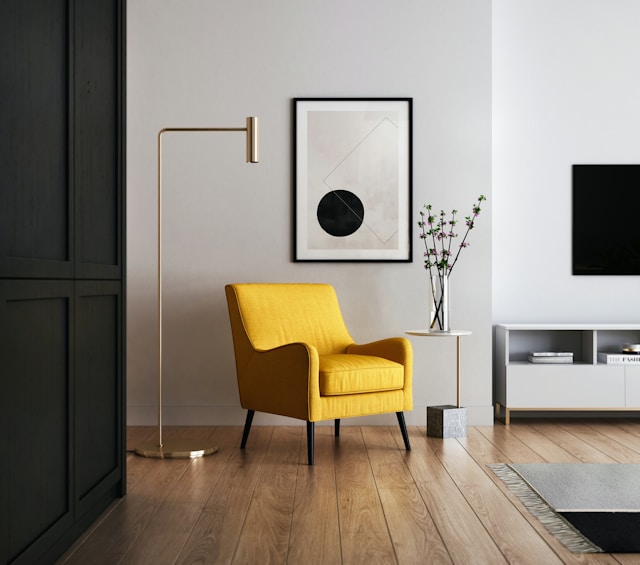
You walk through the front door after a long day, drop your keys on the counter, and look around. Do you feel a wave of relief wash over you, or do you feel a subtle tightening in your chest? For many homeowners, the answer isn’t immediately obvious. We often treat our homes as purely functional spaces—places to sleep, eat, and store our belongings. But your HDB flat is more than just a roof over your head; it is a psychological environment that constantly interacts with your nervous system.
The design choices you make, from the paint on the walls to the texture of your sofa, actively influence your cortisol levels. In an urban density like Singapore, where personal space is a premium and the hustle outside is relentless, your home needs to be a sanctuary. It must be the one place where your brain can switch from “survival mode” to “rest and digest.”
If you find yourself feeling restless, irritable, or unable to focus while at home, your interior design might be the culprit. A chaotic or poorly planned space does not just look messy; it feels noisy to your brain. This guide explores the intersection of psychology and interior design, specifically tailored for the unique constraints and opportunities of HDB living, to help you determine if your flat is truly the haven it should be.
The Psychology of Space: Why Your Flat Affects Your Mood
Neuroarchitecture is a growing field that studies how our physical environment impacts our brain chemistry. It suggests that our surroundings trigger distinct emotional responses. High ceilings, for example, tend to encourage abstract thinking and creativity, while lower ceilings—common in standard HDB flats—can foster focus but may also induce feelings of confinement if not managed correctly.
Visual noise is another significant factor. Just as loud sounds can be stressful, “loud” visuals—clashing patterns, excessive knick-knacks, or disorganized shelves—force the brain to constantly process information. This leads to cognitive fatigue. When your eyes have nowhere to rest, your mind cannot rest either. Understanding this connection is the first step toward reclaiming your peace.
How does HDB living present unique stress challenges?
HDB interior design flats are architectural marvels of efficiency, but they come with specific challenges that can inhibit relaxation if not addressed during the renovation process.
The constraint of space
Unlike landed properties or expansive condos, HDB units have fixed boundaries that are often tighter. When space is limited, every square foot counts. A lack of space can trigger a psychological response known as crowding stress. This isn’t just about the number of people in the home, but the ratio of “stuff” to space. If your furniture is oversized for the living room, the room feels like it is closing in on you.
The rigidity of layout
While newer BTO (Build-To-Order) flats offer open-concept possibilities, many older resale units come with odd angles, structural beams, and the ubiquitous household shelter (bomb shelter). These structural rigidities can interrupt the visual “flow” of a home. When the flow is blocked—perhaps you have to navigate an obstacle course to get from the hallway to the kitchen—it creates micro-frustrations. Over time, these minor annoyances compound into genuine stress.
Proximity to neighbors
In high-density living, acoustic privacy is rare. You might hear footsteps from upstairs or the TV from next door. If your interior design does not account for sound absorption (through curtains, rugs, or acoustic panels), your home becomes an echo chamber for external noise, keeping your nervous system on high alert.
Key Elements of a Calming HDB Design
Creating a calming home isn’t about buying a specific expensive sofa or painting everything white. It is about manipulating the core elements of design—light, color, and texture—to signal safety and relaxation to your brain.
How does color psychology impact your mood?
Color is arguably the most powerful tool in your design arsenal. It is the first thing your brain registers when you enter a room. For a calming HDB, the goal is to reduce visual stimulation.
The power of neutrals and earth tones
Soft, neutral palettes are popular for a reason. Shades of off-white, beige, taupe, and soft grey reflect light, making HDB spaces feel larger and airier. However, “neutral” does not mean boring. The trend of “warm minimalism” involves using warm-undertone neutrals (like creamy oatmeal rather than stark hospital white) to create a cozy, enveloping feeling.
The role of green and blue
Biophilic colors—those found in nature—are naturally soothing. Soft sage greens or muted oceanic blues have been shown to lower heart rates. These colors connect us to the outdoors, which is vital when living in a high-rise concrete structure. A feature wall in a deep, dusty blue can act as a visual anchor in a bedroom, signaling to the brain that this is a zone for deep rest.
Avoid high-energy colors
While red and bright yellow are energetic and happy, they are often too stimulating for relaxation zones. In a small HDB living room, a bright red wall might feel aggressive rather than welcoming. If you love bold colors, use them sparingly as accents rather than dominant features.
What role does lighting play in relaxation?
Lighting dictates the “circadian rhythm” of your home. If you are sitting under harsh fluorescent strip lighting at 9 PM, your body is being told it is noon, suppressing melatonin production and disrupting your sleep cycle.
The importance of color temperature
Lighting temperature is measured in Kelvins (K). For a calming atmosphere, avoid “Cool Daylight” (6500K) bulbs in living areas, as they mimic the intensity of midday sun. Instead, opt for “Warm White” (2700K to 3000K). This softer, yellow-tinted light mimics the glow of a sunset or firelight, naturally helping the body wind down.
Layered lighting is key
A single ceiling light creates harsh shadows and makes a room feel flat and institutional. A calming space uses layered lighting:
- Ambient: The general light source (e.g., recessed cove lights).
- Task: Focused light for reading or cooking (e.g., under-cabinet kitchen lights).
- Accent: Decorative light to highlight textures or art (e.g., a warm floor lamp).
By using lamps and indirect lighting (like cove lights that bounce off the ceiling), you soften the edges of the room, making the small space of an HDB feel intimate rather than cramped.
Why is biophilic design essential for flats?
Biophilia is the innate human tendency to seek connections with nature. In an HDB estate, where your view might be another block of flats, bringing the outdoors in is crucial for mental well-being.
Incorporating plants
Houseplants are natural air purifiers and stress relievers. The visual complexity of a fern or a monstera leaf is fascinating to the brain but not taxing—a phenomenon called “soft fascination.” This allows your attention to replenish. Even in low-light corners of a flat, snake plants or ZZ plants can thrive and add vitality.
Natural materials
Beyond plants, using natural materials like wood, stone, rattan, and linen adds warmth. Touching a cool marble countertop or walking on warm timber vinyl flooring provides tactile feedback that synthetic materials (like glossy plastics) often lack. The imperfections in natural wood grain or stone veins add a layer of “wabi-sabi”—the acceptance of imperfection—which can be subconsciously grounding.
How can layout flow reduce anxiety?
A calming home has a logical flow. You should be able to move through your daily routines without friction.
Zoning open concepts
Many HDB owners knock down walls to create an open kitchen or study. While this makes the space look bigger, it can also blur the lines between “work” and “rest.” If you can see your work laptop from your sofa, you never truly switch off. Use rugs, lighting changes, or semi-permeable dividers (like glass partitions or open shelving) to subtly zone areas. This tells your brain: “This area is for work; that area is for relaxation.”
The entryway transition
Do not underestimate the foyer. In many HDBs, the front door opens directly into the living room. Creating a small “landing strip” or entryway area—even with just a shoe cabinet and a small bench—creates a psychological threshold. It is a place to physically shed the outside world (shoes, keys, bags) before entering your sanctuary.
Common Design Mistakes That Cause Stress
Even with good intentions, many homeowners inadvertently design stress into their homes.
The “Showroom” trap
It is tempting to copy the pristine, ultra-minimalist look of an interior design magazine. However, humans are messy. If your home design is so fragile that leaving a coffee mug on the table ruins the aesthetic, you will live in a state of constant low-grade anxiety about keeping it perfect. A calming home is forgiving. It accommodates real life.
Ignoring storage requirements
Clutter is the enemy of calm. In HDBs, where storage is limited, “stuff” accumulates on dining tables and floors. The mistake is often choosing beautiful furniture that lacks function (e.g., a sofa with no clearance underneath, or a coffee table with no drawers). Built-in carpentry that utilizes vertical height—floor-to-ceiling cabinets—hides the visual noise of daily life.
Poor acoustic planning
Hard surfaces reflect sound. If you have tiled floors, concrete walls, and glass windows, your home will be echoey. This acoustic harshness makes conversations difficult and amplifies noise. Balancing hard surfaces with soft furnishings—heavy curtains, plush rugs, fabric sofas—absorbs sound and creates a “hushed” library-like atmosphere.
Popular Styles for a Zen HDB
If you are looking for a design template to guide your renovation, several styles prioritize tranquility.
Japandi
A hybrid of Japanese minimalism and Scandinavian functionality. Japandi focuses on clean lines, bright spaces, and natural woods. It emphasizes “hygge” (coziness) and functionality. It is perfect for HDBs because it champions low-profile furniture, which makes low ceilings feel higher.
Wabi-Sabi
This Japanese philosophy finds beauty in imperfection and transience. In interior design, it translates to raw textures, asymmetry, and earthy authenticity. Think unpolished concrete walls, handmade ceramics, and linen sheets. It removes the pressure for your home to look “perfect,” which is inherently relaxing.
Warm Minimalism
Unlike the stark, cold minimalism of the early 2000s, warm minimalism uses a pared-back aesthetic but fills it with texture and warmth. It uses a lot of beige, cream, and wood tones. It is about having fewer things, but things that mean more and feel better to the touch.
Practical Tips to Reclaim Your Peace Today
You don’t need a full renovation to lower the stress levels of your home. Here are actionable steps for immediate relief.
- The “One Surface” Rule: Pick one surface in your main living area (like the coffee table or dining table) and commit to keeping it completely clear of clutter every night. This gives your eye a place to rest.
- Upgrade your textiles: Swap out scratchy synthetic cushion covers for soft cotton or velvet. Add a throw blanket. Softening the tactile experience of your home signals comfort to the body.
- Scent Marketing: Hotels use scent to trigger relaxation; you can too. Aromatherapy diffusers with lavender, bergamot, or sandalwood can shift your mood the moment you walk in.
- Hide the Tech: A massive black TV screen or a tangle of wires is visual noise. Camouflage the TV against a dark feature wall, or use cable management boxes to hide the mess.
Frequently Asked Questions
What are the best colors for a small HDB bedroom?
Light, cool colors generally make walls recede, making a room feel larger. Soft greys, misty blues, or off-whites are excellent choices. However, for a bedroom, cozy is often better than spacious. Don’t be afraid of moody colors like charcoal or navy if you want a “cocooning” effect that promotes sleep.
How can I soundproof my HDB flat against noisy neighbors?
True soundproofing requires structural work (like adding mass-loaded vinyl inside walls), which is difficult in HDBs. However, you can “dampen” sound. Install thick, double-layered blackout curtains. Use large area rugs to cover tiled floors. Acoustic wall panels can also be installed as a decorative feature to absorb sound waves.
Can I have a dark-themed interior in a small flat?
Yes, but it requires good lighting. Dark interiors can be incredibly calming and sophisticated. The key is contrast and lighting. Ensure you have plenty of warm, artificial lighting to prevent the space from feeling like a cave. Use mirrors to bounce light around and break up the heavy dark tones.
How do I deal with the household shelter (bomb shelter)?
The bomb shelter door is often an eyesore. Many homeowners conceal it behind a feature wall or carpentry. You can laminate the door to match your walls or build a swinging bookcase in front of it (ensure it complies with HDB regulations regarding ventilation and accessibility). Hiding this bulky industrial element helps maintain visual continuity.
Designing for Wellness
Your home is the backdrop for your life’s most important moments. It is where you recharge, connect with loved ones, and find solitude. If your current HDB design is causing you subtle stress—through clutter, harsh lighting, or poor flow—it is effectively draining your battery rather than charging it.
By applying the principles of neuroarchitecture and thoughtful interior design, you can transform your flat into a space that actively supports your mental health. Whether it is through a fresh coat of “warm white” paint, the addition of a few leafy plants, or a strategic decluttering session, the path to a calmer home is within reach. Remember, a beautiful home is nice, but a calming home is essential.