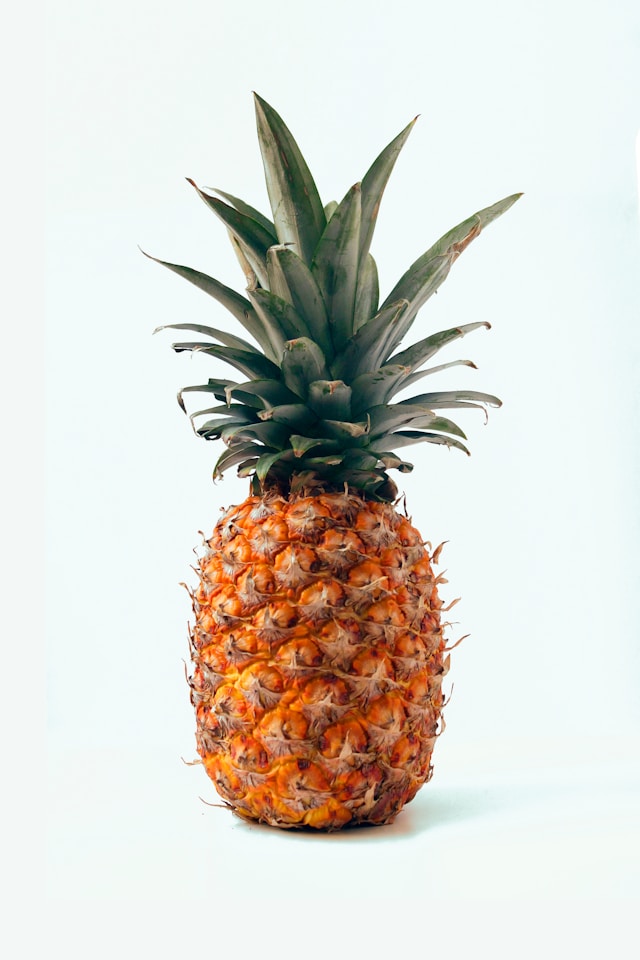
Fresh fruit delivered right to your doorstep feels like the ultimate modern convenience. No more squeezing avocados in the aisle or wondering if that melon is ripe. But if you’ve ever opened a delivery box to find bruised bananas or rock-hard peaches, you know the system isn’t perfect.
The truth is, mastering the art of fruit delivery takes a bit of strategy. It’s not just about clicking “add to cart.” It’s about knowing when to order, what to order, and how to communicate with your shopper or delivery service. Whether you use a standard grocery delivery app, a specialized produce box, or a direct-from-farm service, there are ways to hack the system for better quality and lower prices.
We’re going to walk through the essential tips that turn a hit-or-miss delivery into a reliable source of nature’s candy. From deciphering seasonality to specific storage tricks upon arrival, here is everything you need to know to become a fruit delivery pro.
How to Choose the Right Delivery Service?
Not all fruit delivery services handle produce with the same level of care. Understanding the different types of providers is your first step toward better fruit.
Grocery Store Delivery Apps
Services like Instacart or Shipt rely on personal shoppers visiting local supermarkets.
- The Hack: Use the “notes” section religiously. Don’t just order “5 apples.” Write “5 Honeycrisp apples, free of bruises, firm to the touch.” If you are ordering avocados, specify your timeline: “2 ripe for tonight, 3 hard for later in the week.” Shoppers often appreciate clear guidance because it reduces the chance of a bad rating.
Direct-to-Consumer (DTC) Produce Boxes
Companies like Misfits Market or Imperfect Foods source directly from farms or distributors.
- The Hack: These services often have a “customization window.” Set an alarm on your phone for the hour this window opens. The high-demand, high-value fruit (like berries or exotic seasonal items) often sells out first. If you wait until the auto-fill deadline, you might get stuck with five pounds of grapefruit you didn’t want.
Local Community Supported Agriculture (CSA)
CSAs connect you directly with a local farm. You get a “share” of the harvest.
- The Hack: Split a share with a neighbor. CSAs are notorious for delivering massive quantities of a single item when it’s in season. If you can’t eat 10 pounds of strawberries in three days, splitting the cost—and the bounty—prevents waste and saves money.
When Is the Best Time to Order Fruit?
Timing is everything in the world of fresh produce. The day of the week and even the time of day you place your order can impact freshness.
Avoid Weekend Deliveries
Most grocery stores get their major fresh shipments on weekdays, often Tuesday or Wednesday. By Sunday afternoon, the produce aisle has been picked over. If you order delivery for Monday morning, you are likely getting the leftovers from the weekend rush. Aim for mid-week delivery slots to maximize the chances of getting the freshest stock that just came off the truck.
Shop Seasonally for Savings and Flavor
This sounds obvious, but in the era of global shipping, we forget that strawberries in December (in the Northern Hemisphere) have likely traveled thousands of miles. They will be more expensive and less flavorful.
- Spring: Focus on apricots, mangoes, pineapples, and rhubarb.
- Summer: This is peak season for berries, melons, plums, peaches, and cherries.
- Fall: Look for pears, apples, grapes, and cranberries.
- Winter: Citrus is king here. Oranges, grapefruits, and pomegranates are at their best.
How Can You Save Money on Fruit Delivery?
Fruit can be one of the most expensive parts of your grocery bill, but there are savvy ways to cut costs without cutting quality.
Buy the “Ugly” Options
Many delivery services now offer “imperfect” produce. These are fruits that are slightly misshapen, have minor scarring on the skin, or are too small/large for standard retail display. They taste exactly the same but are often sold at a 30-50% discount. If you are blending fruit into smoothies or baking it into pies, aesthetics don’t matter.
Order in Bulk (With a Plan)
Buying a 5-pound bag of apples is almost always cheaper per pound than buying five individual apples. The hack here is having a preservation plan.
- Freezing: If you buy bulk berries, wash and freeze half of them immediately for smoothies.
- Dehydrating: Apples and bananas can be dehydrated for long-lasting snacks.
- Cooking: Overripe bulk fruit makes excellent compote or jam.
Check the “Unit Price”
Delivery apps can be tricky with pricing. Sometimes they list prices per item, and sometimes per pound. Always toggle to check the “price per unit/oz” to see the real cost. Pre-cut fruit (melon cubes, pineapple rings) usually carries a massive markup—sometimes up to 300%. It is almost always cheaper to buy the whole fruit and spend five minutes cutting it yourself.
What Are the Best Fruits for Delivery?
Some fruits travel well; others are a gamble. Knowing which is which can save you from receiving a box of mush.
The Safe Bets
These fruits have thick skins or firm flesh and are resistant to bruising during transit:
- Apples
- Oranges and Grapefruits
- Melons (Watermelon, Cantaloupe, Honeydew)
- Pineapple
- Pomegranates
The High-Risk Items
These delicate items require careful packaging and temperature control. If you order them, prioritize services known for excellent cold-chain logistics or detailed packaging:
- Raspberries and Blackberries (highly prone to molding if squished)
- Ripe Peaches and Nectarines (bruise very easily)
- Bananas (often arrive green or totally brown due to temperature shifts)
- Figs
How to Handle Fruit Upon Arrival?
The “hack” doesn’t end when the delivery driver leaves. How you process the fruit immediately impacts how long it lasts.
The Vinegar Wash
Mold spores can spread rapidly in a fruit bowl. As soon as berries arrive, give them a vinegar bath. Mix one part white vinegar with three parts water. Soak the berries for a minute, rinse thoroughly with water, and dry them completely before storing. This kills spores and can double the shelf life of strawberries and blueberries.
Ethylene Gas Management
Some fruits emit ethylene gas, which triggers ripening. Others are sensitive to it.
- Gas Producers: Apples, bananas, melons, peaches, pears.
- Gas Sensitive: Carrots, broccoli, cucumbers, leafy greens.
- The Hack: Keep your bananas and apples away from your other produce. If you have an avocado or pear that is rock hard, put it in a paper bag with a banana. The trapped ethylene will speed up the ripening process significantly.
Re-Hydrate Your Citrus
If lemons or limes arrive looking a bit dry or shriveled, don’t toss them. Submerge them in a bowl of water and put them in the fridge. Citrus fruit is porous and can lose moisture; a water bath helps them firm up and keeps them juicy for up to a month.
How to Troubleshoot Delivery Issues?
Even with the best hacks, mistakes happen. Knowing how to handle customer service can turn a loss into a win.
Document Everything Immediately
Do not wait three days to complain about moldy grapes. As soon as you unpack, inspect every piece of fruit. If something is damaged, take a clear photo immediately. Most delivery apps have an automated refund process that requires photo proof.
Know the Refund Policies
- Instacart/Shipt: You can usually mark an item as “damaged” or “wrong item” in the app for an instant credit.
- Subscription Boxes: They often require an email. Keep a template saved on your phone: “Hi, my order #12345 arrived today. Unfortunately, the [Item Name] was crushed/rotten. Photo attached. Please issue a credit.”
Rate Your Shopper Fairly
If the store was out of organic gala apples and the shopper substituted with regular fuji apples (and you didn’t specify otherwise), that isn’t the shopper’s fault. Rating a shopper poorly for inventory issues hurts their livelihood. However, if they packed a watermelon on top of your bananas, that is a handling error worth noting in feedback so they can learn.
Advanced Fruit Hacks: Freezing and Storage
Sometimes the best delivery hack is knowing how to make a large delivery last for months.
The “Flash Freeze” Method
Never throw a clump of wet fruit into a freezer bag; you will end up with a solid brick of ice.
- Wash and dry the fruit.
- Cut it into bite-sized pieces.
- Spread the pieces in a single layer on a baking sheet lined with parchment paper.
- Freeze for two hours until solid.
- Transfer the frozen pieces to a bag.
This ensures you can grab just a handful of mango chunks or strawberry slices whenever you want.
Herbed Ice Cubes
If you ordered too many lemons or limes, juice them immediately. Pour the juice into ice cube trays. For a fancy twist, add a mint leaf or a slice of ginger to each cube before freezing. These are perfect for dropping into water or tea later.
Banana Rescue
Bananas turn from yellow to brown faster than any other fruit. Once they hit the “too spotted to eat” stage, peel them immediately. Never freeze bananas with the peel on (it’s a nightmare to remove later). Break them in half and freeze them for “nice cream” or smoothies.
Is Organic Fruit Worth the Extra Cost?
When ordering delivery, the price jump for organic can be steep. Use the “Dirty Dozen” and “Clean Fifteen” lists to decide where to spend your money.
The Dirty Dozen (Buy Organic if Possible)
These fruits typically have higher pesticide residues because they have thin skins that we eat:
- Strawberries
- Peaches
- Apples
- Grapes
- Cherries
The Clean Fifteen (Save Your Money)
These fruits have thick skins that protect the edible part from pesticides, so buying conventional is generally safe:
- Avocados
- Pineapples
- Papayas
- Kiwi
- Cantaloupe
- Honeydew Melon
Frequently Asked Questions
Can I return fruit if it doesn’t taste good?
Most policies cover damaged or spoiled items, not taste preferences. However, if a melon is completely unripe (white on the inside) or an orange is dry and inedible, many customer service teams will grant a one-time credit if you explain the quality issue politely.
Is it better to tip the delivery driver or the shopper?
On apps like Instacart, the shopper and driver are often the same person (full-service shopper). In this case, tip generously in the app. If you are using a grocery chain’s direct service, the driver might be different from the person who picked the fruit. Cash tips for drivers ensure the money goes directly to them.
How do I stop getting bruised avocados?
Order them hard. It is the only foolproof way. If you order a ripe avocado for delivery, it has to survive the packing process, the truck ride, and the walk to your door. A hard avocado is durable. Let it ripen on your counter for two days for a perfect result.
Why does my fruit delivery order sometimes arrive warm?
This usually happens during peak delivery times when drivers have multiple stops. To avoid this, try to schedule deliveries for early morning slots. The ambient temperature outside is cooler, and the driver likely has fewer stops before yours.
Making Fruit Delivery Work for You
Optimizing your fruit delivery isn’t about being difficult; it’s about being smart. By understanding the logistics of how food moves from the warehouse to your door, you can make better choices. Whether it’s specifying the ripeness of your bananas in the app notes, soaking your berries in vinegar, or knowing which fruits to buy organic, these small adjustments add up to significant savings and much better flavor.
Start small. Try one or two of these hacks on your next order. You might be surprised to find that the convenience of delivery doesn’t have to come at the cost of quality.