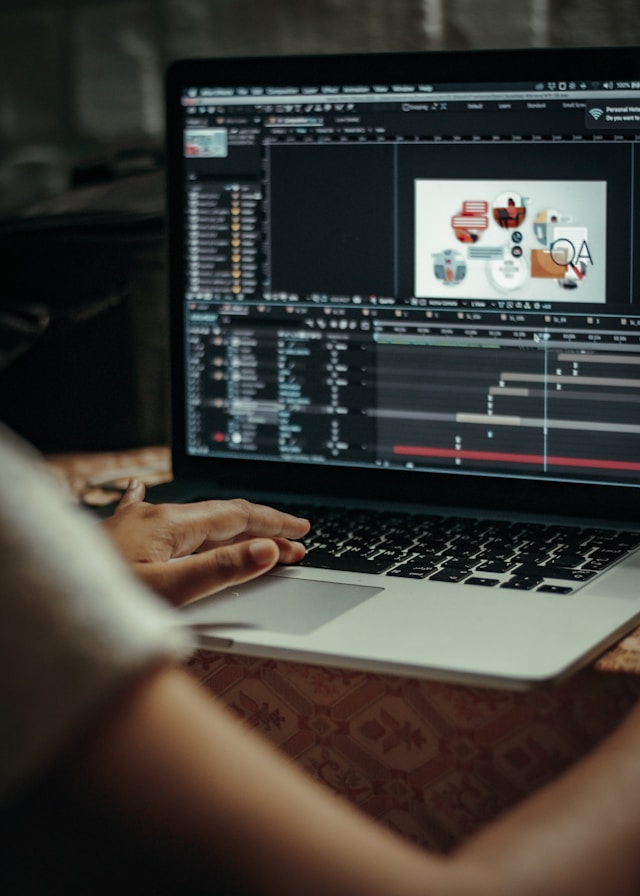
Animation isn’t just for Saturday morning cartoons anymore. Businesses of all sizes are using animated videos to explain complex ideas, showcase their products, and connect with their audience in a memorable way. From explainer videos on a homepage to engaging social media ads, animation offers a versatile and powerful tool for communication.
But where do you even begin? The world of animation can seem overwhelming, with its own language, techniques, and processes. If you’re thinking about creating an animated video but don’t know the first thing about storyboards or motion graphics, you’re in the right place. This guide will walk you through everything you need to know to start your animation journey, from defining your goals to choosing the right style and working with professionals. By the end, you’ll have a clear roadmap to creating an animated video that achieves your business objectives and captivates your viewers.
Why Choose Animation for Your Business?
Before jumping into the creation process, it’s helpful to understand why animated videos are such an effective marketing and communication tool. Their unique qualities offer several advantages over traditional live-action video or static text.
Simplifies Complex Concepts
One of the biggest strengths of animation is its ability to make complicated topics easy to understand. Abstract services, intricate software, or dense data can be brought to life through visual metaphors and simplified graphics. For example, a financial tech company can use animation to show how digital currency moves securely through the blockchain, a concept that is difficult to visualize with live-action footage. This simplification helps your audience grasp key information quickly, leading to better understanding and retention.
Boosts Engagement and Memorability
Animation captures attention. The combination of vibrant colors, movement, and sound creates a dynamic experience that is more engaging than plain text or a talking head. A study by Wyzowl found that people are twice as likely to share video content with their friends than any other type of content. Because animated characters and worlds can be uniquely designed for your brand, they create a distinct and memorable identity that helps you stand out from the competition.
Cost-Effective and Versatile
While high-end 3D animation can be expensive, many animation styles are more affordable to produce than live-action videos, which often require costs for actors, locations, and equipment. Once created, animated assets at DMP are incredibly versatile. Characters, backgrounds, and icons can be easily repurposed for other marketing materials like website graphics, social media posts, and presentations. This adaptability provides a greater return on your initial investment.
The 6 Key Stages of Animation Production
Creating a high-quality animated video is a structured process. While the specifics might vary depending on the project’s complexity, most professional animation workflows follow these six fundamental stages. Understanding them will help you manage your project effectively, whether you’re working with a freelancer or a full-service studio.
1. Discovery and Strategy
This is the foundational stage where you define the “why” behind your video. Rushing this step is a common mistake that can lead to a final product that misses the mark.
- Define Your Goal: What do you want this video to achieve? Is it to increase sales, explain a new feature, drive website traffic, or educate your employees? A clear objective will guide every decision that follows.
- Identify Your Audience: Who are you trying to reach? Understanding your target audience’s demographics, pain points, and preferences will influence the video’s tone, style, and messaging.
- Determine Your Key Message: What is the single most important thing you want your audience to take away? Boil your message down to its core to ensure it’s clear and impactful.
- Establish a Call to Action (CTA): What do you want viewers to do after watching? Whether it’s “Sign Up for a Free Trial,” “Learn More,” or “Share This Video,” a clear CTA is essential for driving results.
2. Scriptwriting
The script is the backbone of your video. It’s not just about the words spoken but also the visual actions that will happen on screen. A typical 90-second animated video script is around 225 words.
- The Hook: The first 5-10 seconds are crucial. Start with a compelling question, a surprising statistic, or a relatable problem to grab the viewer’s attention.
- The Problem: Clearly articulate the pain point your audience faces. This builds empathy and sets the stage for your solution.
- The Solution: Introduce your product or service as the answer to the problem. Explain how it works and what makes it unique.
- The CTA: End by clearly stating what you want the viewer to do next.
A good script balances spoken narration with on-screen action. It’s often helpful to write in a two-column format, with audio cues on one side and visual descriptions on the other.
3. Storyboarding and Animatics
Once the script is locked in, it’s time to visualize it.
- Storyboard: A storyboard is a sequence of drawings that represent each shot in your video, similar to a comic strip. It maps out the visual flow, character movements, and scene transitions. This step is critical for aligning on the visual narrative before production begins. It’s much easier and cheaper to make changes to a drawing than to a finished animation.
- Animatic: An animatic takes the storyboard a step further. It’s a rough, timed-out version of the video created by sequencing the storyboard panels and adding the voiceover, sound effects, and a temporary music track. This gives you a feel for the video’s pacing and rhythm, allowing for adjustments before the labor-intensive animation work starts.
4. Visual Design
This is where the look and feel of your video come to life. Based on your brand guidelines and the project’s goals, designers will create the visual assets.
- Style Frames: These are high-quality, fully colored still frames that represent key moments in the video. They establish the definitive art style, color palette, and overall aesthetic. Getting these right is essential, as they will serve as the guide for the rest of the production.
- Character and Asset Design: All characters, backgrounds, icons, and other graphic elements are designed and prepared for animation.
5. Animation
This is the most time-consuming stage, where artists bring everything to life.
- Illustration: All the final illustrations for every scene are created based on the approved style frames.
- Animation: The illustrators pass their work to the animators, who use software to create movement. They animate character actions, scene transitions, and any text or graphic overlays. The complexity of this stage depends heavily on the chosen animation style.
6. Sound Design and Final Polish
The final stage is all about audio. Sound is just as important as the visuals in creating an immersive experience.
- Voiceover: A professional voiceover artist records the final script. The tone and delivery should match the video’s mood and brand voice.
- Sound Effects (SFX): SFX are added to accentuate movements and actions, making the video feel more dynamic and real.
- Music: A music track is chosen or composed to enhance the emotional tone of the video. The right music can make a huge difference in how your message is received.
After the sound is mixed and synced with the animation, the video is rendered into its final file format, ready for distribution.
Common Animation Styles and When to Use Them
The term “animation” covers a wide range of visual styles. Choosing the right one depends on your budget, brand, message, and audience. Here are some of the most popular styles used in business.
2D Motion Graphics
This is perhaps the most common style for corporate and explainer videos. It involves animating graphic elements like text, shapes, and icons. It’s clean, modern, and excellent for visualizing data and abstract concepts.
- Best for: Explainer videos, product demos, data visualizations, and corporate presentations.
- Pros: Highly versatile, cost-effective, and quick to produce.
2D Character Animation
This style involves creating and animating characters in a two-dimensional space. It’s great for storytelling and creating an emotional connection with the audience. The characters can be designed to perfectly represent your target customer.
- Best for: Brand storytelling, customer testimonials, and educational content.
- Pros: Builds empathy and relatability, highly memorable.
Whiteboard Animation
In this style, a hand appears to draw the visuals on a whiteboard as the narrator speaks. It has a “live” feel that can be very engaging for educational content.
- Best for: How-to guides, tutorials, and internal training videos.
- Pros: Excellent for explaining step-by-step processes, simple and engaging format.
Stop Motion
Stop motion involves physically manipulating real-world objects and photographing them frame by frame. When played in sequence, the objects appear to move on their own. It has a unique, tangible charm.
- Best for: Creative social media content, product showcases, and brand films.
- Pros: Highly creative and visually distinct, has a handcrafted feel.
3D Animation
3D animation adds depth to the visuals, allowing for realistic textures, lighting, and movement. It’s the most complex and expensive style but offers unparalleled visual impact.
- Best for: High-end product visualizations, architectural walkthroughs, and cinematic brand stories.
- Pros: Creates stunning, photorealistic visuals; ideal for showing products from all angles.
Your Next Steps
Embarking on your first animation video project is an exciting step toward more effective communication. By understanding the core production stages and the different styles available, you can make informed decisions that align with your business goals. Whether you’re looking to explain a complex product or tell a compelling brand story, animation provides a creative and powerful medium to achieve your objectives.
If you’re ready to bring your ideas to life, the next step is to start the conversation. Reach out to an animation studio or a freelance animator to discuss your project. A professional partner can guide you through the process, help you refine your strategy, and create a video that not only looks great but also delivers measurable results.