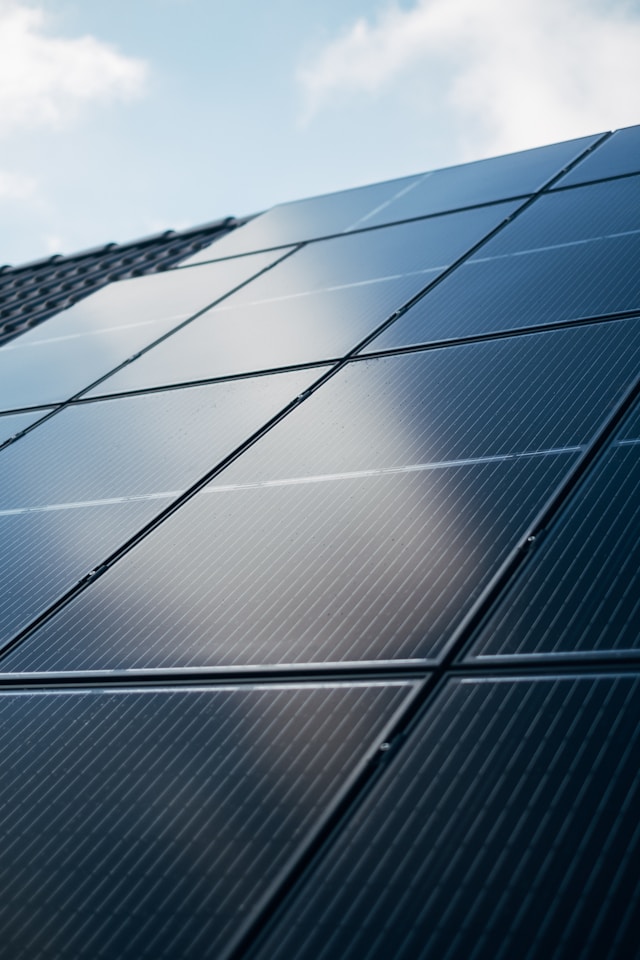
Solar energy is often celebrated as one of the most promising renewable energy sources, helping to reduce carbon footprints and power homes and businesses sustainably. While most people know that solar panels convert sunlight into electricity, there’s a lot more to these remarkable devices than meets the eye.
If you think you know everything about solar panels, think again! Here are 12 lesser known facts about solar panels that reveal their fascinating history, technology, environmental impact, and future potential.
1. Solar Panels Have Been Around for Over 60 Years
Most people think solar panels are a recent innovation, but the technology dates back to the 1950s. The first practical photovoltaic (PV) cell was developed in 1954 by Bell Labs in the United States. This cell was made from silicon and could convert about 6% of sunlight into electricity, which was groundbreaking at the time.
Since then, solar panel efficiency and production methods have improved dramatically, enabling the global solar boom we see today. The evolution from niche space applications to mainstream energy solutions is a story of persistent innovation.
2. There Are Different Types of Solar Panels Beyond Just Silicon
When you hear “solar panel,” most people picture the classic blue or black silicon panels. However, solar technology comes in various forms:
-
Monocrystalline panels: Made from a single crystal structure, these are the most efficient and space-saving.
-
Polycrystalline panels: Made from multiple silicon crystals melted together, they are generally less expensive but slightly less efficient.
-
Thin-film solar panels: Made by depositing thin layers of photovoltaic material on surfaces like glass or metal. These are flexible and lightweight, used in niche applications.
-
Emerging technologies: Such as perovskite solar cells, which promise higher efficiency and lower production costs but are still in development stages.
Each type has trade-offs in cost, efficiency, flexibility, and durability, offering options for different applications.
3. Solar Panels Work on Cloudy Days Too
It’s a common misconception that a solar panel only works in bright, sunny weather. In reality, solar panels can generate electricity on cloudy or rainy days as well, though at reduced efficiency. Diffused sunlight still reaches the panels, allowing them to produce power.
This means even locations with less consistent sunshine can benefit from solar energy, making it a viable renewable option worldwide.
4. The Efficiency of Solar Panels Has Dramatically Increased
Early solar panels converted just about 6% of sunlight into electricity, but modern commercial panels typically achieve efficiencies of 15-22%. Cutting-edge experimental panels in laboratories have reached over 40% efficiency under ideal conditions.
Higher efficiency means more power generation from a smaller area, which is critical for rooftop installations and areas with limited space.
5. Solar Panels Can Actually Help Cool Your Home
While solar panels absorb sunlight to generate electricity, they also provide shading for the roof underneath. This shading reduces the amount of heat transferred into the building, lowering cooling costs in warm climates.
Some studies suggest that installing solar panels can reduce roof surface temperatures by up to 10-15 degrees Celsius, offering both energy generation and passive cooling benefits.
6. They Have a Much Lower Carbon Footprint Than Many People Realize
Some skeptics point to the manufacturing process of solar panels as being energy-intensive, but the overall environmental impact is very favorable. Solar panels generally pay back their “energy debt” — the energy used to produce them — within 1 to 4 years depending on location and technology.
Given that most panels last 25 years or more, the net carbon savings over their lifetime are significant, often offsetting many tons of carbon dioxide emissions compared to fossil fuel power generation.
7. Solar Panels Are Made of Some Surprisingly Toxic Materials
Although solar energy is clean, some components of solar panels require careful handling. Panels contain materials like cadmium (in cadmium telluride thin-film panels) and lead (used in solder), both of which are toxic.
This means proper recycling and disposal of old or damaged panels are crucial to prevent environmental contamination. The solar industry is increasingly focusing on improving recycling infrastructure to handle end-of-life panels safely.
8. Solar Panels Can Still Generate Electricity While Partially Shaded
Solar panels are typically made up of multiple solar cells connected in series and parallel, and shading one part can affect the entire panel’s output. However, modern solar panels often include bypass diodes, which allow current to “bypass” shaded or damaged cells, maintaining partial power generation.
This innovation helps maintain better system performance even when shading is unavoidable, like from trees or nearby buildings.
9. Space Missions Were Among the First to Use Solar Panels
Solar panels have been powering satellites and space stations for decades. Early satellites in the 1960s used solar cells to generate power far from Earth’s atmosphere.
In fact, the high reliability and durability requirements for space solar panels drove much of the initial research and development in photovoltaic technology. These innovations then trickled down to commercial and residential uses.
10. Solar Panels Can Be Integrated Into Building Materials
Solar technology is evolving beyond traditional panels to become part of the building itself. Building-integrated photovoltaics (BIPV) include solar roof tiles, solar windows, and facades that generate electricity while serving as structural elements.
This allows for a more aesthetically pleasing and space-efficient way to harness solar energy, ideal for urban environments where rooftop space is limited.
11. Solar Panels Have a Positive Impact on Property Value
Studies have shown that homes equipped with solar panels often have higher property values and sell faster compared to non-solar homes. This is because solar panels reduce electricity bills and offer long-term savings, making them attractive to buyers.
In some markets, solar-equipped homes can sell at a premium of 4-6%, reflecting the growing demand for energy-efficient properties.
12. You Can Make Solar Panels Yourself — but It’s Tricky
For DIY enthusiasts, it’s technically possible to build your own solar panels from individual solar cells and materials, but it’s a complex process that requires precision and safety measures. Homemade panels tend to be less efficient, less durable, and risk electrical hazards if not done correctly.
That said, small DIY kits are available for educational purposes, helping people understand solar technology basics, but large-scale or reliable home power generation is best left to professionals.
Additional Insights: The Future of Solar Panels
As technology advances, the future of solar panels looks bright and promising. Researchers are exploring flexible, transparent, and multi-junction solar cells to increase efficiency and open new applications. Here are some trends to watch:
-
Perovskite solar cells: Promising lower costs and higher efficiencies, they could revolutionize the industry.
-
Solar windows: Transparent panels integrated into building glass.
-
Solar-powered electric vehicles: Integrating panels on cars to extend battery life.
-
Energy storage integration: Pairing solar panels with advanced batteries for continuous power supply.
Conclusion
Solar panels are more than just black or blue rectangles on rooftops; they represent a sophisticated, evolving technology with a fascinating history and an impactful future. Understanding these 12 lesser known facts offers a deeper appreciation of the science, innovation, and environmental benefits behind solar energy.
As solar panel technology continues to improve and become more accessible, they will play an even bigger role in powering our homes, businesses, and transportation sustainably.
Whether you’re a homeowner considering solar installation, a student exploring renewable energy, or simply curious about clean technology, these facts highlight why solar panels remain a cornerstone of the green energy revolution.