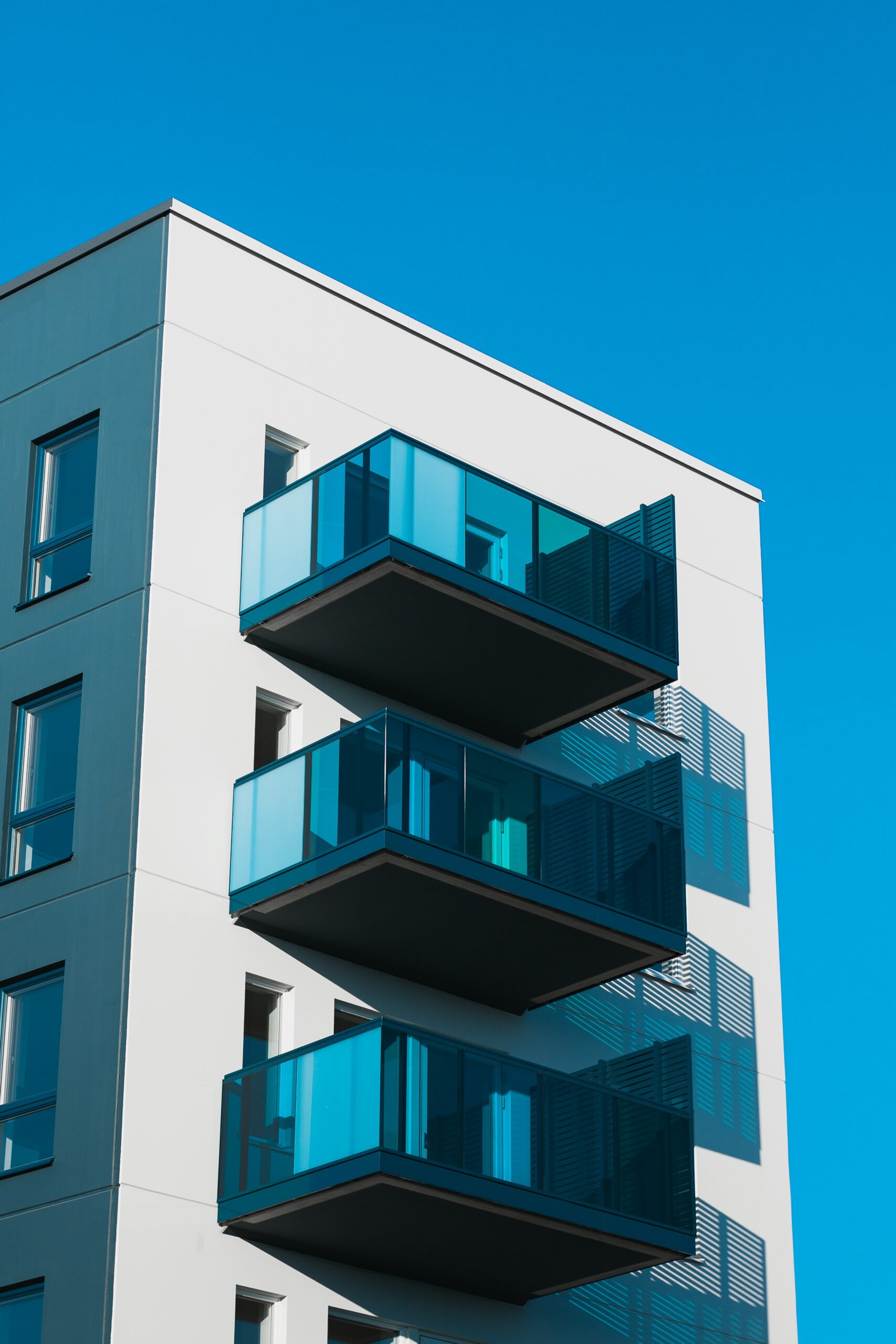
Singapore’s Housing Development Board (HDB) flats are getting a major style upgrade. As we step into 2025, homeowners are moving beyond cookie-cutter designs to create spaces that reflect their personalities while maximizing every square foot. Whether you’re renovating your existing flat or designing your first home, understanding the latest trends can help you create a space that feels both contemporary and uniquely yours.
The interior design landscape for HDB flats has evolved dramatically over the past few years. Gone are the days when limited space meant limited style options. Modern HDB interior design now embraces innovative storage solutions, bold color palettes, and flexible layouts that adapt to changing lifestyles. From sustainability-focused materials to tech-integrated living spaces, 2025 promises exciting possibilities for transforming your HDB flat into a dream home.
This guide explores the most compelling interior design trends that are shaping HDB homes across Singapore. You’ll discover practical ways to implement these trends within your budget and space constraints, along with expert tips for creating a cohesive design that enhances both functionality and aesthetic appeal.
Sustainable Materials Take Center Stage
Environmental consciousness is driving one of the most significant shifts in HDB interior design. Homeowners are increasingly choosing materials that minimize environmental impact while delivering long-lasting beauty and functionality.
Bamboo and Cork Flooring Solutions
Bamboo flooring has emerged as a popular alternative to traditional hardwood, offering durability and water resistance perfect for Singapore’s humid climate. Cork flooring provides excellent insulation properties and comfortable underfoot feel, making it ideal for bedrooms and living areas. Both materials regenerate quickly, making them environmentally responsible choices.
Recycled and Upcycled Furniture
The trend toward circular design means more homeowners are incorporating recycled materials into their HDB interiors. Reclaimed wood dining tables, repurposed industrial fixtures, and furniture made from recycled plastics are becoming statement pieces that tell a story while reducing waste.
Low-VOC Paints and Finishes
Indoor air quality has become a priority, leading to increased demand for low-volatile organic compound (VOC) paints and finishes. These products improve indoor air quality while offering the same vibrant colors and durable finishes as traditional options.
Multifunctional Spaces Maximize Every Square Foot
HDB flats require creative space planning, and 2025 trends focus heavily on furniture and design elements that serve multiple purposes.
Convertible Furniture Systems
Murphy beds that fold into desks, dining tables that extend to accommodate guests, and storage ottomans that provide seating are becoming staples in modern HDB design. These pieces allow rooms to transform throughout the day, adapting to work, rest, and entertainment needs.
Room Dividers That Work Double Duty
Open-concept living requires smart division strategies. Bookshelf room dividers provide storage while creating distinct zones. Sliding panels made from sustainable materials can open up or close off spaces as needed, offering privacy when required and openness when desired.
Vertical Storage Solutions
Wall-mounted shelving systems, ceiling-high cabinets, and vertical garden walls maximize storage without consuming floor space. These solutions keep belongings organized while maintaining clean, uncluttered aesthetics that make small spaces feel larger.
Bold Color Schemes Replace Neutral Dominance
While neutral palettes remain popular, 2025 sees HDB homeowners embracing bolder color choices that inject personality into their spaces.
Jewel Tones for Accent Walls
Deep emerald greens, sapphire blues, and rich burgundies are appearing as accent wall colors in HDB living rooms and bedrooms. These sophisticated hues create focal points while maintaining elegance and versatility.
Earth-Inspired Color Palettes
Warm terracotta, sage green, and ochre yellow bring natural elements indoors. These colors work particularly well in HDB kitchens and dining areas, creating inviting spaces that encourage gathering and conversation.
Two-Tone Kitchen Cabinets
Kitchen design is moving beyond single-color cabinet schemes. Upper cabinets in light colors paired with darker lower cabinets create visual interest and can make kitchens appear taller. Navy blue paired with warm white or forest green combined with cream are popular combinations.
Technology Integration Becomes Seamless
Smart home technology is no longer an add-on but an integrated part of HDB interior design, with solutions that enhance both convenience and aesthetics.
Hidden Charging Stations
Built-in USB ports in kitchen islands, bedside tables with wireless charging surfaces, and furniture with concealed power outlets eliminate cord clutter while keeping devices powered and accessible.
Smart Lighting Systems
Programmable LED lighting allows homeowners to adjust color temperature and brightness throughout the day. Recessed smart lights, under-cabinet lighting, and accent lighting create ambiance while supporting circadian rhythms.
Integrated Home Automation
Voice-controlled systems for lighting, temperature, and entertainment are being built into HDB renovations from the planning stage. Hidden speakers, motorized window treatments, and smart thermostats provide luxury features without cluttering spaces.
Biophilic Design Brings Nature Indoors
The connection between humans and nature is being strengthened through intentional design choices that incorporate natural elements into HDB interiors.
Living Walls and Vertical Gardens
Space-efficient vertical garden systems allow HDB residents to grow herbs, vegetables, and decorative plants indoors. These installations improve air quality while providing visual interest and opportunities for urban gardening.
Natural Light Maximization
Strategies for enhancing natural light include installing larger windows during renovations, using mirrors to reflect light throughout spaces, and choosing light-colored surfaces that bounce illumination around rooms.
Water Features and Natural Textures
Small indoor fountains, natural stone accents, and wood grain textures create sensory connections to nature. These elements add tranquility and visual interest without requiring significant space.
Flexible Layout Design Adapts to Changing Needs
HDB interior design increasingly focuses on adaptability, creating spaces that can evolve with residents’ changing lifestyles.
Open-Plan Configurations
Removing non-load-bearing walls creates flowing spaces that feel larger and more connected. Strategic furniture placement and area rugs define different zones within open layouts.
Moveable Kitchen Islands
Kitchen islands on wheels provide additional prep space and storage that can be repositioned as needed. These mobile solutions work particularly well in smaller HDB kitchens where flexibility is essential.
Modular Seating Systems
Sectional sofas that can be reconfigured, floor cushions that stack for storage, and expandable dining sets accommodate different group sizes and activities throughout the year.
Artisanal and Handcrafted Elements Add Character
Mass-produced items are being replaced with unique, handcrafted pieces that add personality and support local artisans.
Local Artist Collaborations
HDB homeowners are commissioning local artists for custom murals, sculptures, and textile work that reflects Singapore’s cultural heritage while personalizing their spaces.
Handwoven Textiles and Ceramics
Handmade rugs, ceramic vases, and woven wall hangings bring texture and warmth to HDB interiors. These pieces often become conversation starters while supporting traditional craftsmanship.
Custom Built-In Solutions
Bespoke cabinetry, built-in seating with storage, and custom shelving solutions maximize space efficiency while creating one-of-a-kind design elements perfectly suited to specific HDB layouts.
Wellness-Focused Design Priorities
Interior design choices increasingly support physical and mental well-being, recognizing the home’s role in overall health.
Air Purification Systems
Beyond houseplants, HDB homes are incorporating advanced air filtration systems, natural ventilation strategies, and materials that actively improve indoor air quality.
Meditation and Quiet Spaces
Dedicated areas for relaxation, reading, or meditation are being carved out even in compact HDB flats. These might include window nooks with comfortable seating or corner spaces designed for mindfulness practices.
Ergonomic Work-From-Home Solutions
Home office areas prioritize ergonomic furniture, proper lighting for computer work, and acoustic solutions that support productivity and physical comfort during long working hours.
Transform Your HDB Into a 2025 Trendsetter
The interior design trends shaping HDB flats in 2025 reflect broader shifts toward sustainability, flexibility, and well-being. These approaches prove that space constraints don’t limit style possibilities. By thoughtfully incorporating sustainable materials, multifunctional furniture, and technology integration, you can create an HDB interior that feels both current and timeless.
Start your transformation by identifying which trends resonate most with your lifestyle and budget. Consider consulting with interior design professionals who specialize in HDB renovations to ensure your vision aligns with building regulations and structural requirements. Remember that successful interior design is about creating spaces that enhance your daily life while reflecting your personal style.
Your HDB flat has the potential to showcase the best of contemporary design while meeting your family’s unique needs. The trends explored here provide a roadmap for creating a home that’s stylish, functional, and ready for whatever the future brings.